early life and training
ilario giacinto mercanti, also known as ilario spolverini, was an italian painter born in parma in 1657. he died in piacenza in 1734. spolverini was influenced by the work of francesco monti, known as brescianino, and after a trip to venice, his painting displayed a new approach to color that made it fully original.artistic style and notable works
mercanti's style is characterized by its use of vibrant colors and dramatic compositions. some of his notable works include:- visit to court (musei civici di palazzo farnese, piacenza, italy), a masterpiece showcasing his skill in capturing the intricacies of human interaction.
- entrance in parma of cardinal gozzadini, with cardinal acquaviva and duke francis farnese (musei civici di palazzo farnese, piacenza, italy), a testament to his ability to convey the grandeur of historical events.
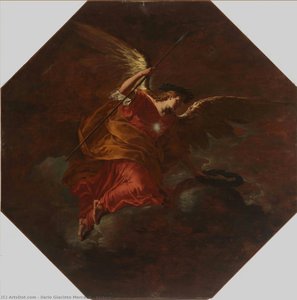
- victory (musei civici di palazzo farnese, piacenza, italy), a powerful example of his use of color and composition to evoke emotions.
influence and legacy
mercanti worked for various noble families in the area of parma and piacenza, painting battle scenes for the duke. his religious artwork was placed in the certosa and the cathedral of parma. among his pupils were francesco simonini, antonio fratacci, clemente ruta, and giuseppe peroni. view more of ilario giacinto mercanti's works on AllPaintingsStore.com:- ilario giacinto mercanti | 17 artworks
- painting: visit to court (musei civici di palazzo farnese, piacenza, italy)
Questions & Answers
What moods do Ilario Spolverini's artworks express?
Ilario Spolverini's works can be browsed by mood on the artist's Mood Room page, which arranges the artworks by their recorded moods.
Where can I see Ilario Spolverini's artworks in a 3D gallery?
Ilario Spolverini's artworks can be seen in a 3D gallery on the artist's 3D Museum page.
Can I study Ilario Spolverini's use of color across all works?
The Palette Genome of Ilario Spolverini is a page that presents the color profile of the artist's body of work.
In which movements did Ilario Spolverini work?
The movements Ilario Spolverini worked in can be seen on the artist's All Movements page, which groups the artworks by movement.