Money-Back Guarantee · 100 days Free Worldwide Delivery
646,446artworks 53,409artists 5,406museums 32languages

The Baroque shortlist

Famous Baroque Painters — Top 100 List

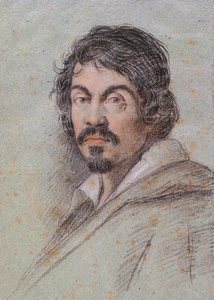
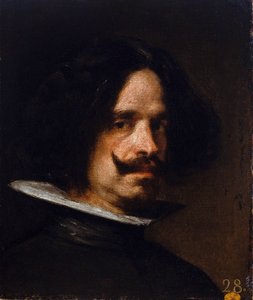
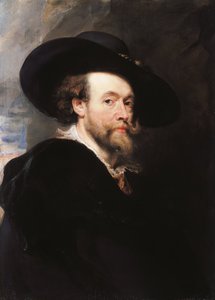
Rembrandt (1606–1669) is the most famous Baroque painter, best known for Isaac and Rebecca, known as and The return of the prodigal son. Then Caravaggio, Diego Velázquez, Peter Paul Rubens and Johannes Vermeer. The list covers 100 painters born between 1550 and 1727 in 8 countries, from Palma il Giovane to Giovanni Domenico Tiepolo.

Method. Scope: artists filed under Baroque in our catalogue. Order: our artist fame ranking. Excluded: artists born after 1955 without a Wikidata identifier. Wikipedia figure: languages with an article, out of our 32.

  1. Isaac and Rebecca, known as by Rembrandt1Rembrandt
  2. Sick Bacchus by Caravaggio2Caravaggio
  3. The Surrender of Breda (Las Lanzas) by Diego Velázquez3Diego Velázquez

Key data

Baroque: key data

  • 100Artists
  • 1550–1727Years of birth
  • 8Countries of birth
  • 6Women
  • 23,452Works in our catalogue
Cities with most births
Antwerp (8), Bologna (7), Leiden (5), Haarlem (5)
Museums holding the most key works
The Louvre (16), Rijksmuseum (14), Museo del Prado (14), Metropolitan Museum of Art (13)

Ranked list

100 Baroque Painters, ranked with key works

1/ 100

Rembrandt

Dutch b. Leiden Dutch Golden Age Wikipedia 32/32
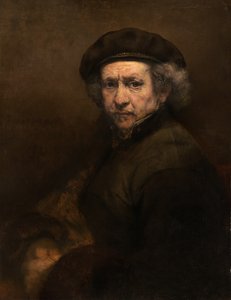
Rembrandt

Rembrandt had a way of making light feel like a physical presence in a room. In 1642, he completed The Night Watch, a work that demonstrates his command over light and shadow to create a sense of movement and drama.

Location His legacy is spread across many collections, with the National Gallery in London holding sixteen of his works.

Trained by Pieter Lastman #99 · Trained Godfrey Kneller #77, Gerrit Dou #56, Carel Fabritius #29, Ferdinand Bol #65, Samuel van Hoogstraten #93

Key works · Top 100 works

2/ 100

Caravaggio

b. Milan Baroque, Tenebrism, Chiaroscuro Wikipedia 32/32

Caravaggio

Instead, he brings the people of the Roman streets—the laborers and the outcasts—into the realm of the sacred. By 1596, the focus shifts to a moment of respite in Rest on the Flight into Egypt.

Location The physical remnants of his vision are scattered across Europe’s most significant institutions.

Key works · Top 100 works

3/ 100

Diego Velázquez

Spanish b. Seville Spanish Baroque / Spanish Golden Age Wikipedia 31/32

Diego Velázquez

Christ in the House of Martha and Mary. In 1618, he completed Old Woman Frying Eggs, a work that captured a simple kitchen scene with a sense of dignity.

Location To stand before a Velázquez is to encounter the quiet weight of history.

Key works · Top 100 works

5/ 100

Johannes Vermeer

Dutch b. Delft Dutch Golden Age Wikipedia 32/32

Johannes Vermeer

Vermeer found his purpose in the quietude of domestic life. Around 1665, he painted The Girl with a Pearl Earring, a work that focuses on the way light catches a single, luminous point.

Location In Amsterdam, the Rijksmuseum holds The Milkmaid, where the light settles on the earthenware and the bread.

Key works · Top 100 works

6/ 100

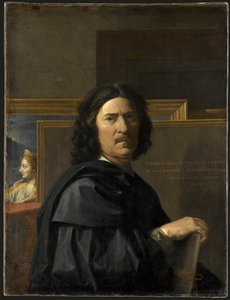
Nicolas Poussin

French b. Le Havre French Baroque, French Classicism

Nicolas Poussin

Poussin arrived in Rome in 1624, having traveled via Venice. Even in his earlier, more sensuous period, works like The Nurture of Bacchus show a transition from Venetian-inspired color toward the disciplined linearity that would define his mature style.

Key works · Top 100 works

7/ 100

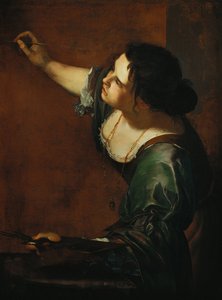
Artemisia Gentileschi

Italian b. Rome Baroque Wikipedia 32/32

Artemisia Gentileschi

In her depiction of Susanna and the Elders, she utilized a vertical composition to create a sense of malevolent pressure, emphasizing the psychological tension of the scene. Around 1638, she created Self-Portrait as the Allegory of Painting (La Pittura).

Location The physical presence of her art remains scattered across Europe, a map of her movement and the enduring demand for her vision.

Trained by Orazio Gentileschi #33

Key works · Top 100 works

8/ 100

Frans Hals

b. Antwerp Wikipedia 32/32

Frans Hals

Hals distinguished himself through a remarkably fresh and spontaneous style. Portraits of the Regents of the Old Men's Home in Haarlem (1664) - Demonstrating his mastery of group portraiture.

Trained Adriaen van Ostade #97, Judith Leyster #53, Philips Wouwerman #85

Key works · Top 100 works

10/ 100

Georges de la Tour

French b. Vic-sur-Seille French Baroque Wikipedia 26/32

Georges de la Tour

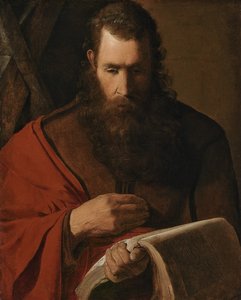
Other theories suggest he may have sought instruction under Jacques Bellange in Nancy, or perhaps traveled to the Netherlands during the early stages of his professional life.

Location The presence of his canvases is felt across several major institutions, scattered between the quiet halls of Europe and the expansive galleries of the Americas.

Key works · Top 100 works

11/ 100

Anthony van Dyck

Flemish b. Antwerp Baroque Wikipedia 32/32

Anthony van Dyck

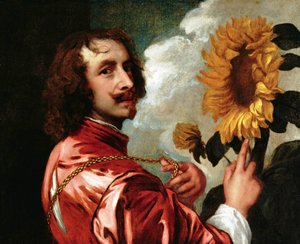
By his late teens, van Dyck had already achieved success as an independent painter, a feat that provided the momentum necessary for his departure from the Low Countries.

Trained by Peter Paul Rubens #4

Key works · Top 100 works

12/ 100

Francisco de Zurbarán

Spanish b. Fuente de Cantos Spanish Baroque, Tenebrism Wikipedia 31/32

Francisco de Zurbarán

His work was influenced by the textures found in the paintings of Murillo and Titian, yet he maintained a hard-edged, solemn quality that suited his religious subjects.

Location In Madrid, Spain, the Prado Museum houses a version of his Agnus Dei, a work that captures the stark, heavy presence of the lamb.

Key works · Top 100 works

13/ 100

Bartolomé Esteban Murillo

Spanish b. Seville Spanish Baroque Wikipedia 32/32

Bartolomé Esteban Murillo

In his youth, his work carried the weight and gravity of the Baroque tradition, but he eventually found a way to soften those edges. He could paint the celestial grace of The Annunciation, found in the Wallace Collection, London, with the same sincerity he used to document a child's play or a beggar's plea.

Location In Spain, the Museo del Prado in Madrid holds several of his paintings, offering a direct connection to the spirit of the Golden Age.

Key works · Top 100 works

14/ 100

Canaletto

Italian b. Venice Vedute, topographical style Wikipedia 30/32

Canaletto

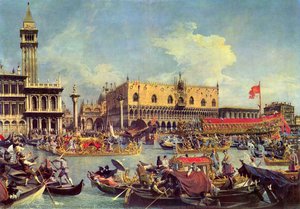
His first known signed and dated work, an Architectural Capriccio from 1723, appeared in a private collection in Milan.

Location His presence remains felt in the collections of major institutions across Europe and beyond.

Key works · Top 100 works

15/ 100

Guido Reni

Italian b. Bologna Baroque, Bolognese school, Classicism Wikipedia 29/32

Guido Reni

In 1601, he moved to Rome, a city that would command his attention for fifteen years. Between 1613 and 1614, he composed the Aurora, a work where the goddess of dawn guides Apollo’s golden chariot through the sky.

Key works · Top 100 works

19/ 100

Jan Steen

Dutch b. Leiden Baroque, Genre painting Wikipedia 27/32

Jan Steen

His early compositions from the 1640s leaned into the grotesque, utilizing exaggerated and distorted figures to drive his narratives. This ability to find weight in the domestic is evident in The Oyster-eater, dated about 1658, which captures a specific, lively moment of Dutch social interaction.

Trained by Adriaen van Ostade #97

Key works · Top 100 works

20/ 100

Jacob Jordaens

Flemish b. Antwerp Baroque Wikipedia 27/32

Jacob Jordaens

Jordaens possessed a hand that favored the tangible and the real over the idealized dreams of the court. In his earlier years, he showed a particular talent for the dramatic tension of nocturnal scenes, as seen in his 1616 work, The Adoration of the Shepherds.

Location In Paris, the Louvre preserves his hand, while the Museo del Prado in Madrid offers a glimpse into his ability to render the human form with such substantial presence.

Key works · Top 100 works

21/ 100

Pieter de Hooch

Dutch b. Rotterdam Delft School, Dutch Golden Age Wikipedia 26/32

Pieter de Hooch

He was the eldest of five children born to Hendrick Hendricksz de Hooch, a master bricklayer, and Annetge Pieters, a midwife. De Hooch’s ability to organize domestic space is perhaps most evident in The Courtyard of a House in Delft.

Key works · Top 100 works

24/ 100

Gerard van Honthorst

Dutch b. Utrecht Baroque, Caravaggism Wikipedia 23/32

Gerard van Honthorst

Gerard van Honthorst emerged from Utrecht in 1592, a pivotal figure poised to illuminate the Dutch Golden Age with his dramatic artistry. There, amidst the fervent energy of the Italian Baroque, he encountered the groundbreaking work of Caravaggio – an encounter that would define his signature style and earn him the evocative nickname “Gherardo delle Notti,” or Gerard of the Nights.

Trained by Abraham Bloemaert #88

Key works · Top 100 works

26/ 100

Luca Giordano

Italian b. Naples Late Baroque Wikipedia 23/32

Luca Giordano

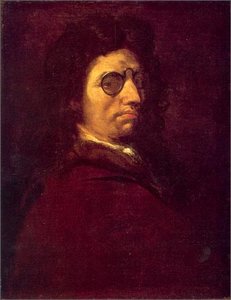
The heavy, dark shadows of the early 17th-century Neapolitan tradition begin to recede as Giordano’s hand moves. In the Museo de Arte de Ponce, The St.

Location The physical presence of Giordano’s output remains scattered across the major repositories of Europe.

Trained by Jusepe de Ribera #23

Key works · Top 100 works

29/ 100

Carel Fabritius

Dutch b. Middenbeemster Baroque art Wikipedia 23/32

Carel Fabritius

Unlike many of his contemporaries who focused on grand historical narratives or bustling genre scenes, Fabritius gravitated towards intimate domestic interiors and carefully observed studies of everyday objects. Beyond The Goldfinch, Fabritius’s oeuvre includes other compelling works that showcase his distinctive vision.

Trained by Rembrandt #1

Key works · Top 100 works

30/ 100

Ludovico Carracci

Italian b. Bologna Baroque Painting Wikipedia 25/32

Ludovico Carracci

In the vibrant, intellectual heart of Bologna, a city where Renaissance tradition met the burgeoning spirit of a new era, Ludovico Carracci emerged as a transformative force in European art. Born in 1555, his life was inextricably linked to the very foundations of the Bolognese School.

Key works · Top 100 works

31/ 100

Andrea Pozzo

Italian b. Trento Baroque Wikipedia 24/32

Andrea Pozzo

This early apprenticeship was followed by a period of exploration and refinement within the workshops of other painters—artists trained in the style of Andrea Sacchi —immersing him in the principles of Roman High Baroque.

Key works · Top 100 works

32/ 100

David Teniers the Younger

b. Antwerp Wikipedia 18/32

David Teniers the Younger

His initial works follow the example of Adam Elsheimer, but by the end of the 1630s, his hand moves in close alignment with Adriaen Brouwer. In 1640, he produced The Temptation of St Anthony, a work that explores the unsettling aspects of human nature through spiritual struggle.

Location The legacy of Teniers is anchored in the major collections of Europe, where his depictions of everyday life remain accessible to those tracing the history of Flemish Baroque painting.

Key works · Top 100 works

35/ 100

Adriaen Brouwer

Flemish b. Oudenaarde Baroque, Genre painting Wikipedia 21/32

Adriaen Brouwer

Brouwer embraced the dramatic lighting and emotional intensity characteristic of Baroque art, injecting a dynamic energy into his compositions.

Key works · Top 100 works

36/ 100

Gabriel Metsu

Dutch b. Leiden Eclectic; genre, portrait, still life Wikipedia 23/32

Gabriel Metsu

His focus shifted as he moved toward Amsterdam around 1655. By 1659, his attention turned toward social gatherings in A Musical Party.

Location Tracing the presence of his paintings requires traveling through several major collections.

Trained by Gerrit Dou #56

Key works · Top 100 works

37/ 100

Agostino Carracci

Italian b. Bologna Baroque, Naturalism Wikipedia 25/32

Agostino Carracci

Agostino Carracci stands as a pivotal figure in the burgeoning Baroque movement within Bologna, Italy. He was not merely a craftsman but a visionary pedagogue, shaping the future generation of artists through the Accademia degli Incamminati, alongside Annibale and Ludovico Carracci. Born in Bologna in 1557 to Giovanni Battista Carracci and Lucrezia Panciatichi, Agostino’s artistic journey began under the tutelage of Domenico Tiberiadi.

Trained Giovanni Lanfranco #40

Key works · Top 100 works

38/ 100

Pierre Puget

French b. Marseille Baroque Wikipedia 22/32

Pierre Puget

Genoa Period: Following Fouquet's downfall, Puget moved to Genoa, where he created notable works such as the “Hercule Gaulois” (Louvre) and sculptures for churches like Santa Maria di Carignano. Versailles Commissions: Colbert brought Puget back to France, leading to commissions for Versailles, including the celebrated groups of “ Milo of Croton ” and “ Perseus and Andromeda.” These works are characterized by their dramatic intensity and expressive realism.

Key works · Top 100 works

39/ 100

Alonso Cano

Spanish b. Granada Baroque Wikipedia 21/32

Alonso Cano

Alonso Cano Almansa stands as a singular figure in the Spanish Golden Age, a true polymath whose creative spirit refused to be confined to a single medium. In the realm of painting, he refined his brushwork within the academy of Juan del Castillo and studied under Francisco Pacheco, the esteemed teacher of Velázquez.

Key works · Top 100 works

40/ 100

Giovanni Lanfranco

Italian b. Parma Baroque painting Wikipedia 20/32

Giovanni Lanfranco

Giovanni Gaspare Lanfranco was born in Parma in 1582, the third son of Stefano and Cornelia Lanfranchi. His artistic talent was recognized early on, leading to an apprenticeship with Agostino Carracci, brother of Annibale Carracci, a prominent Bolognese artist. Lanfranco's training continued within Annibale Carracci’s large workshop in Rome, where he contributed to projects like the Galleria Farnese, including work on the panel of Polyphemus and Galatea.

Trained by Agostino Carracci #37

Key works · Top 100 works

41/ 100

Willem Kalf

Dutch b. Rotterdam Dutch Golden Age, Still Life Wikipedia 17/32

Willem Kalf

Willem Kalf, a name synonymous with the lavish still lifes of the Dutch Golden Age, was born in Rotterdam in 1619 into a family of comfortable means. His father, Jan Jansz Calff, held positions within the municipal government, providing young Willem with an upbringing that fostered both security and exposure to the burgeoning mercantile world that would later so profoundly influence his art.

Key works · Top 100 works

43/ 100

Giovanni Domenico Tiepolo

Italian b. Venice Rococo Wikipedia 18/32

Giovanni Domenico Tiepolo

In the luminous heart of eighteenth-century Venice, a period defined by the decadent splendor of the Rococo, Giandomenico Tiepolo emerged as a master of both grand spectacle and intimate human drama. As the son of the legendary Giovanni Battista Tiepolo, Giandomenico did not merely inherit a name; he inherited a visual language of light, movement, and theatricality.

Key works · Top 100 works

44/ 100

Nicolaes Maes

Dutch b. Dordrecht Baroque, Dutch Golden Age Wikipedia 20/32

Nicolaes Maes

The subsequent decade witnessed a shift towards smaller-scale domestic genre scenes, yet retaining the vibrant colorism he had absorbed during his time with Rembrandt.

Trained by Rembrandt #1

Key works · Top 100 works

45/ 100

Giovanni Battista Gaulli

Italian b. Genoa High Baroque Wikipedia 16/32

Giovanni Battista Gaulli

The career of Baciccio represents the pinnacle of the High Baroque era, acting as a bridge between the heavy, muscular drama of the mid-17th century and the lighter, more decorative flourishes of the early Rococo.

Key works · Top 100 works

46/ 100

Francesco Albani

Italian b. Bologna Baroque and Classical Wikipedia 21/32

Francesco Albani

In the vibrant tapestry of the Italian Baroque, few threads are as delicate and luminous as those woven by Francesco Albani, often remembered by the evocative moniker l'Albane. Born in the storied city of Bologna in 1578, Albani was destined for a life steeped in pigment and prestige.

Key works · Top 100 works

47/ 100

Emanuel de Witte

Dutch b. Alkmaar Baroque art Wikipedia 17/32

Emanuel de Witte

Emanuel de Witte, a name perhaps less instantly recognizable than some of his Dutch Golden Age contemporaries, nevertheless occupies a significant and fascinating niche within the pantheon of 17th-century masters. Born in Alkmaar in 1617, De Witte’s artistic journey was one marked by both remarkable talent and considerable personal turmoil – a duality that seems to subtly infuse itself into the very atmosphere of his paintings.

Key works · Top 100 works

49/ 100

Giovanni Battista Piazzetta

Italian b. Venice Rococo Wikipedia 16/32

Giovanni Battista Piazzetta

Giovanni Battista Piazzetta, born in Venice on February 13th, either in 1682 or 1683 – records from the period are somewhat ambiguous – emerged into a city steeped in artistic tradition yet undergoing subtle shifts in taste. However, limiting him solely to religious subjects would be a disservice.

Key works · Top 100 works

50/ 100

Francesco Solimena

Italian b. Serino Baroque Wikipedia 16/32

Francesco Solimena

Solimena’s artistic voice is immediately recognizable through its warm, brownish shadowing and dramatic use of light – qualities deeply indebted to the Roman Baroque masters Luca Giordano and Giovanni Lanfranco.

Key works · Top 100 works

51/ 100

Peter Lely

Dutch, British b. Soest Baroque, Dutch influence Wikipedia 18/32

Peter Lely

While initially influenced by Van Dyck's refined manner, Lely developed a more robust and expressive style, imbuing his subjects with personality and character.

Key works · Top 100 works

53/ 100

Judith Leyster

Dutch b. Haarlem Dutch Golden Age Wikipedia 24/32

Judith Leyster

leyster's first known signed works, serenade and jolly topper, date back to 1629 when she was just twenty years old. by 1633, she became a member of the haarlem guild of st. luke, making her one of the first female artists to be part of this prestigious organization.

Trained by Frans Hals #8

Key works · Top 100 works

54/ 100

Giovanni Paolo Panini

Italian b. Piacenza Baroque, Vedutismo Wikipedia 26/32

Giovanni Paolo Panini

Born in Piacenza in 1691, his artistic journey began under the tutelage of Giuseppe Natali and Andrea Galluzzi, but it was his exposure to the theatrical designs of Francesco Galli-Bibiena that truly ignited his imagination.

Key works · Top 100 works

55/ 100

Salvator Rosa

Italian b. Naples Baroque Wikipedia 24/32

Salvator Rosa

In 1635, he leaves his native Naples for Rome, entering the undisputed art center of the era. In the same vein, the 1664 Democrito E Protagora at the Hermitage Museum, Saint Petersburg, employs a philosophical allegory set within a dramatic landscape.

Location The physical remnants of Rosa’s restless career are scattered across the major art capitals of Europe and the Americas.

Key works · Top 100 works

56/ 100

Gerrit Dou

Dutch b. Leiden Dutch Golden Age, Leiden fijnschilders Wikipedia 22/32

Gerrit Dou

He was a leading figure of the Leiden fijnschilders, a group that prioritized a refined and meticulous technique. He continued to refine this approach through the mid-century, painting The Silver Ewer in 1663 and The Moneylender in 1664, both of which highlight his devotion to texture and the way light hits a surface.

Location Finding the traces of Gerrit Dou's hand requires a trip through some of Europe's most significant halls.

Trained by Rembrandt #1 · Trained Gabriel Metsu #36

Key works · Top 100 works

57/ 100

Rachel Ruysch

Dutch b. The Hague Still life, Floral painting Wikipedia 23/32

Rachel Ruysch

While many still life painters of the era favored symmetrical arrangements, Ruysch embraced a more naturalistic approach, depicting flowers with drooping petals and wild stems that conveyed a sense of movement and vitality.

Key works · Top 100 works

59/ 100

Guercino

Italian b. Cento Baroque Wikipedia 25/32

Guercino

Giovanni Francesco Barbieri, known to the world as Il Guercino – “the squinter” – was a name born from a physical characteristic but destined to represent an artistic vision that dramatically reshaped Baroque painting. Born in 1591 in Cento, a small town nestled between Ferrara and Bologna, Guercino’s journey began not within the hallowed halls of formal academies, but through self-discovery and early apprenticeship with Ludovico Carracci.

Key works · Top 100 works

60/ 100

Jan van Huysum

Dutch b. Amsterdam Dutch Golden Age, Still life Wikipedia 18/32

Jan van Huysum

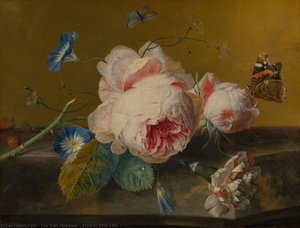
What truly sets Van Huysum apart is his unparalleled technique. Among his most celebrated works are Terracotta Vase with Flowers and Fruits, a stunning display of color and texture; Flowers and Fruits, showcasing his mastery of composition; and Bouquet of Flowers in an Urn, a testament to his ability to capture the ephemeral beauty of nature.

Key works · Top 100 works

62/ 100

Mattia Preti

Italian b. Taverna Baroque Wikipedia 20/32

Mattia Preti

While initially steeped in Caravaggism, he gradually moved beyond its strict confines, embracing the dynamism and emotional intensity that characterized the High Baroque. Early in his career, he created impressive fresco cycles for Roman churches like Sant’Andrea della Valle and San Carlo ai Catinari, demonstrating an aptitude for large-scale decorative painting.

Key works · Top 100 works

63/ 100

Jan Davidsz De Heem

Dutch, Flemish b. Utrecht Dutch Golden Age, Baroque Wikipedia 18/32

Jan Davidsz De Heem

A key element of De Heem’s style was his masterful use of light and shadow. “ Garland of Fruit and Flowers ” (1637) exemplifies his mastery of color and composition, while “ Still Life with Books and a Violin ” (c. 1642) showcases his ability to integrate literary and musical references into his paintings.

Key works · Top 100 works

64/ 100

Elisabetta Sirani

Italian b. Bologna Baroque painting Wikipedia 23/32

Elisabetta Sirani

Giovanni Andrea had been a student and close collaborator of Guido Reni, ensuring that this master’s influence permeated the family studio. Portia Wounding Her Thigh: An unusual and compelling interpretation of a Shakespearean scene, highlighting Sirani’s willingness to tackle complex narratives.

Key works · Top 100 works

65/ 100

Ferdinand Bol

Dutch b. Dordrecht Baroque painting Wikipedia 23/32

Ferdinand Bol

He quickly rose through the ranks of Amsterdam's artistic community, becoming a burgher in 1652 and marrying into a family with connections to both the Admiralty and the wine merchants’ guild – affiliations that undoubtedly contributed to securing prestigious commissions.

Trained by Rembrandt #1, Abraham Bloemaert #88 · Trained Godfrey Kneller #77

Key works · Top 100 works

67/ 100

Domenichino

Italian b. Bologna Baroque Wikipedia 25/32

Domenichino

Rome & Patronage: By the mid-1620s, Domenichino relocated to Rome, securing commissions from influential patrons like Cardinal Scipione Borghese and Palazzo Farnese, where he created monumental frescoes that showcased his unparalleled skill in capturing grandeur and emotion. Among his most celebrated achievements are the frescoes adorning Palazzo Farnese in Rome – specifically the Sala di Amore e Psiche and the Sala dei Giganti – which exemplify his mastery of monumental painting and embody the humanist ideals of the era.

Trained by Ludovico Carracci #30

Key works · Top 100 works

68/ 100

Cristofano Allori

Italian b. Florence Mannerism Wikipedia 23/32

Cristofano Allori

In the twilight of the Renaissance, as the balanced harmonies of the previous century gave way to the restless energy of Mannerism, Cristofano Allori emerged as a vital voice in the Florentine school. Born in 1577 into a city steeped in artistic prestige, Allori was destined for the brush.

Key works · Top 100 works

69/ 100

Nicolas de Largillière

French b. Paris Baroque, Rococo Wikipedia 18/32

Nicolas de Largillière

His compositions were often carefully structured, reflecting a Renaissance sensibility while incorporating the dynamism of the Baroque period.

Key works · Top 100 works

70/ 100

Clara Peeters

Flemish b. Antwerp Dutch Golden Age Wikipedia 18/32

Clara Peeters

The precise circumstances surrounding Peeters’s artistic education remain shrouded in mystery, largely due to the limitations imposed upon women during this period. Beyond these seminal pieces, estimates suggest that Peeters’s oeuvre encompasses approximately seventy-six additional canvases—though definitive attribution remains challenging due to the prevalence of copies bearing her signature by various hands.

Key works · Top 100 works

71/ 100

Sebastiano Ricci

Italian b. Belluno Late Baroque school of Venice Wikipedia 15/32

Sebastiano Ricci

The year 1682 brought a significant contract from the Fraternity of Saint John of Florence, requesting a depiction of the Decapitation of John the Baptist. St Anthony of Padua Healing a Youth (1690).

Key works · Top 100 works

72/ 100

Bartholomeus van der Helst

Dutch b. Haarlem Dutch Golden Age, Baroque Wikipedia 18/32

Bartholomeus van der Helst

His most celebrated achievement in this vein is undoubtedly The Banquet at the Crossbowmen’s Guild in Celebration of the Treaty of Münster (1648).

Key works · Top 100 works

73/ 100

Abraham van Beijeren

Dutch b. The Hague Still Life Wikipedia 18/32

Abraham van Beijeren

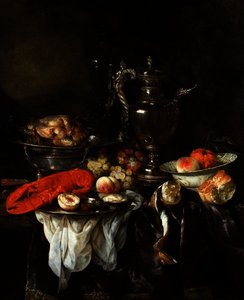
Born in The Hague around 1620, van Beyeren emerged during a period of unparalleled artistic flourishing known as the Dutch Golden Age. His life and work were deeply intertwined with the intellectual and commercial pulse of cities like Leiden, Delft, and Amsterdam, where he established himself as a premier chronicler of the material world.

Key works · Top 100 works

74/ 100

Valentin de Boulogne

French b. Coulommiers Tenebrism Wikipedia 16/32

Valentin de Boulogne

Born in Coulommiers, France, around 1590 or 1591, Valentin was destined for a life steeped in pigment and oil. When he arrived in Rome around 1620, he did not merely observe the existing art scene; he immersed himself in it, joining the Bentvueghels, a boisterous and often unruly collective of expatriate artists.

Trained by Simon Vouet #27

Key works · Top 100 works

75/ 100

Willem Claesz Heda

Dutch b. Haarlem Golden Age painting Wikipedia 20/32

Willem Claesz Heda

Willem Claeszzoon Heda, born in Haarlem, Netherlands in 1594, stands as a pivotal figure within the Dutch Golden Age —not for grand historical narratives or dramatic allegories, but for the profound beauty he discovered in the commonplace.

Key works · Top 100 works

76/ 100

Adriaen van der Werff

Dutch b. Kralingen Baroque Wikipedia 16/32

Adriaen van der Werff

In the grand tapestry of the Dutch Golden Age, few threads shine with as much polished brilliance as the work of Adriaen van der Werff. Born in The Hague in 1659, Van der Werff emerged from a lineage of artistic talent, the son of a painter, which provided him with an early and intimate introduction to the nuances of light and form.

Key works · Top 100 works

77/ 100

Godfrey Kneller

Italian b. Lübeck Baroque Wikipedia 18/32

Godfrey Kneller

Kneller’s artistic vision was profoundly shaped by the traditions of Flemish and Italian Baroque painting —particularly Rembrandt van Rijn and Caravaggio—whose dramatic use of light and shadow established a precedent for portraying emotion and psychological complexity.

Trained by Rembrandt #1, Ferdinand Bol #65

Key works · Top 100 works

78/ 100

Juan Carreño de Miranda

Spanish b. Avilés Spanish Baroque Wikipedia 16/32

Juan Carreño de Miranda

Carreño de Miranda’s style is deeply rooted in the Spanish Baroque tradition, yet it possesses a unique character all its own. Among his most renowned works are Charles II as Grandmaster of the Golden Fleece, a striking depiction of the young king embodying regal authority; Portrait of Queen Mariana of Austria, capturing her austere grace and political power; and Portrait of the Duke of Pastrana, showcasing the nobleman’s wealth and status.

Key works · Top 100 works

79/ 100

Jan Asselijn

Dutch b. Dieppe Italianate landscape Wikipedia 16/32

Jan Asselijn

The Breach of the Saint Anthony’s Dike near Amsterdam demonstrates his ability to capture a moment of national crisis, reflecting the ever-present threat of water and the ingenuity required for Dutch land reclamation.

Key works · Top 100 works

81/ 100

Carlo Maratta

Italian b. Camerano Baroque classicism Wikipedia 17/32

Carlo Maratta

Born on May 15, 1625, in Camerano, within the Papal States—now part of Italy—his artistic journey began with an early move to Rome at the age of eleven. Apollo Chasing Daphne: A dynamic depiction of the classical myth, showcasing Maratta’s skill in portraying movement and emotion.

Key works · Top 100 works

84/ 100

Jean-Baptiste Oudry

b. Paris Wikipedia 17/32

Jean-Baptiste Oudry

Initially focused on portraiture, Oudry gradually expanded his repertoire to include still lifes, particularly of fruits and animals, as well as religious subjects. The Pastoral Amusements (Les Amusements Champêtres): A series of tapestries designed for the Royal Beauvais Tapestry Manufactory, showcasing idyllic scenes of rural life and hunting.

Trained by Nicolas de Largillière #69

Key works · Top 100 works

86/ 100

Carlo Dolci

Italian b. Florence Baroque Wikipedia 18/32

Carlo Dolci

While other artists sought the bustling artistic scene of Rome, Dolci remained in Florence, deeply connected to its traditions and patrons. Christ Breaking the Bread, another celebrated work, exemplifies his ability to convey sacred moments with understated grace and emotional power.

Key works · Top 100 works

88/ 100

Abraham Bloemaert

Dutch b. Gorinchem Baroque, Mannerism Wikipedia 20/32

Abraham Bloemaert

Beyond painting, Bloemaert was a highly skilled printmaker, proficient in both etching and engraving.

Trained Gerard van Honthorst #24

Key works · Top 100 works

89/ 100

Abraham Brueghel

Flemish b. Antwerp Baroque Wikipedia 19/32

Abraham Brueghel

From an early age, Abraham demonstrated considerable promise, nurtured by his father, Jan Brueghel the Younger, a skilled painter himself and frequent collaborator with Peter Paul Rubens.

Key works · Top 100 works

92/ 100

Palma il Giovane

Italian b. Venice Venetian School Wikipedia 18/32

Palma il Giovane

In the golden twilight of the Venetian Renaissance, a period defined by unparalleled mastery of color and light, there emerged a painter whose brush bridged the gap between the High Renaissance and the burgeoning drama of the Baroque. Jacopo Palma il Giovane, born Iacopo Negretti around 1548, was not merely a successor to the great masters but a vital link in the continuity of the Venetian School.

Key works · Top 100 works

93/ 100

Samuel van Hoogstraten

Dutch b. Dordrecht Dutch Golden Age, Baroque Wikipedia 18/32

Samuel van Hoogstraten

A portrait from 1645, now residing in the Liechtenstein collection in Vienna, serves as a clear testament to this apprenticeship.

Trained by Rembrandt #1

Key works · Top 100 works

94/ 100

Balthasar van der Ast

Dutch b. Middelburg Golden Age Painting Wikipedia 18/32

Balthasar van der Ast

His ability to infuse inanimate objects with a sense of life—a quality seen in his depictions of lizards and insects crawling amidst fruit—set a new standard for the Dutch Golden Age.

Key works · Top 100 works

95/ 100

Martin van Meytens

Swedish b. Stockholm Baroque portraiture Wikipedia 14/32

Martin van Meytens

While his subjects were often symbols of state power, Meytens sought to imbende them with a psychological depth that transcended mere likeness. Imperial Documentation: The portrait of Emperor Francis I (1750) exemplifies his skill in capturing the gravity and grandeur required for the Holy Roman Emperor.

Key works · Top 100 works

96/ 100

François de Troy

French b. Toulouse Rococo, Baroque Wikipedia 12/32

François de Troy

While adept at traditional portraiture, Jean-François de Troy is perhaps best remembered for his innovative tableaux de mode – “pictures of fashion.” These weren't simply portraits; they were vibrant snapshots of contemporary life, capturing the leisure activities, social customs, and opulent surroundings of the French upper class.

Key works · Top 100 works

98/ 100

Adam Frans van der Meulen

Flemish b. Brussels Baroque Wikipedia 15/32

Adam Frans van der Meulen

Recognized for his contributions, Van der Meulen received numerous honors – a royal privilege allowing engravings of his works, appointment as “Ordinary Painter to the King” in 1673, and admission to the prestigious Royal Academy of Painting and Sculpture without having to submit a traditional reception piece—a testament to his established reputation.

Key works · Top 100 works

99/ 100

Pieter Lastman

Dutch b. Amsterdam Dutch Golden Age painting Wikipedia 21/32

Pieter Lastman

Pieter Pietersz Lastman, born in Amsterdam in 1583, occupies a fascinating and pivotal position within the history of Dutch Golden Age painting.

Trained Rembrandt #1

Key works · Top 100 works

Best-known works

Famous Baroque paintings by artist

  1. Isaac and Rebecca, known as by Rembrandt

    Isaac and Rebecca, known as

    Rembrandt

    1669 · Rijksmuseum, Amsterdam

  2. Sick Bacchus by Caravaggio

    Sick Bacchus

    Caravaggio

    1593 · Galleria Borghese, Rome

  3. The Surrender of Breda (Las Lanzas) by Diego Velázquez

    The Surrender of Breda (Las Lanzas)

    Diego Velázquez

    1634 · Museo del Prado, Madrid

  4. The Descent from the Cross by Peter Paul Rubens

    The Descent from the Cross

    Peter Paul Rubens

    1612 · Courtauld Gallery, London

  5. The Milkmaid by Johannes Vermeer

    The Milkmaid

    Johannes Vermeer

    1658 · Rijksmuseum, Amsterdam

  6. The Seven Sacraments, Eucharist by Nicolas Poussin

    The Seven Sacraments, Eucharist

    Nicolas Poussin

    Scottish National Gallery, Edinburgh

  7. Judith Slaying Holofernes by Artemisia Gentileschi

    Judith Slaying Holofernes

    Artemisia Gentileschi

    1613 · Museo di Capodimonte, Naples

Chronology

Baroque chronology

  1. 1585
  2. 1601
  3. 1613
  4. 1618
  5. 1620
  6. 1634
  7. 1635
  8. 1638
  9. 1642
  10. 1650
  11. 1655
  12. 1658
  13. 1661
  14. 1669

Statistics

Counts by country, period and museum

Index

Full list of 100 famous Baroque painters

  1. 1RembrandtRembrandtDutch · 1606–1669
  2. 2CaravaggioCaravaggio1571–1610
  3. 3Diego VelázquezDiego VelázquezSpanish · 1599–1660
  4. 4Peter Paul RubensPeter Paul RubensFlemish · 1577–1640
  5. 5Johannes VermeerJohannes VermeerDutch · 1632–1675
  6. 6Nicolas PoussinNicolas PoussinFrench · 1594–1665
  7. 7Artemisia GentileschiArtemisia GentileschiItalian · 1593–1653
  8. 8Frans HalsFrans Hals1580–1666
  9. 9Claude LorrainClaude Lorrain1600–1682
  10. 10Georges de la TourGeorges de la TourFrench · 1593–1652
  11. 11Anthony van DyckAnthony van DyckFlemish · 1599–1641
  12. 12Francisco de ZurbaránFrancisco de ZurbaránSpanish · 1598–1664
  13. 13Bartolomé Esteban MurilloBartolomé Esteban MurilloSpanish · 1617–1682
  14. 14CanalettoCanalettoItalian · 1697–1768
  15. 15Guido ReniGuido ReniItalian · 1575–1642
  16. 16Annibale CarracciAnnibale CarracciItalian · 1560–1609
  17. 17Jan Brueghel the ElderJan Brueghel the ElderFlemish · 1568–1625
  18. 18Charles Le BrunCharles Le BrunFrench · 1619–1690
  19. 19Jan SteenJan SteenDutch · 1626–1679
  20. 20Jacob JordaensJacob JordaensFlemish · 1593–1678
  21. 21Pieter de HoochPieter de HoochDutch · 1629–1684
  22. 22Gian Lorenzo BerniniGian Lorenzo BerniniItalian · 1598–1680
  23. 23Jusepe de RiberaJusepe de RiberaSpanish · 1591–1652
  24. 24Gerard van HonthorstGerard van HonthorstDutch · 1592–1656
  25. 25Hyacinthe RigaudHyacinthe Rigaud1659–1743
  26. 26Luca GiordanoLuca GiordanoItalian · 1634–1705
  27. 27Simon VouetSimon VouetFrench · 1590–1649
  28. 28Philippe de ChampaignePhilippe de ChampaigneFrench · 1602–1674
  29. 29Carel FabritiusCarel FabritiusDutch · 1622–1654
  30. 30Ludovico CarracciLudovico CarracciItalian · 1555–1619
  31. 31Andrea PozzoAndrea PozzoItalian · 1642–1709
  32. 32David Teniers the YoungerDavid Teniers the Younger1610–1690
  33. 33Orazio GentileschiOrazio GentileschiItalian · 1563–1639
  34. 34Frans SnydersFrans SnydersFlemish · 1579–1657
  35. 35Adriaen BrouwerAdriaen BrouwerFlemish · 1605–1638
  36. 36Gabriel MetsuGabriel MetsuDutch · 1629–1667
  37. 37Agostino CarracciAgostino CarracciItalian · 1557–1602
  38. 38Pierre PugetPierre PugetFrench · 1620–1694
  39. 39Alonso CanoAlonso CanoSpanish · 1601–1667
  40. 40Giovanni LanfrancoGiovanni LanfrancoItalian · 1582–1647
  41. 41Willem KalfWillem KalfDutch · 1619–1693
  42. 42Meindert HobbemaMeindert HobbemaDutch · 1638–1709
  43. 43Giovanni Domenico TiepoloGiovanni Domenico TiepoloItalian · 1727–1804
  44. 44Nicolaes MaesNicolaes MaesDutch · 1634–1693
  45. 45Giovanni Battista GaulliGiovanni Battista GaulliItalian · 1639–1709
  46. 46Francesco AlbaniFrancesco AlbaniItalian · 1578–1660
  47. 47Emanuel de WitteEmanuel de WitteDutch · 1617–1692
  48. 48Pietro da CortonaPietro da CortonaItalian · 1596–1669
  49. 49Giovanni Battista PiazzettaGiovanni Battista PiazzettaItalian · 1683–1754
  50. 50Francesco SolimenaFrancesco SolimenaItalian · 1657–1747
  51. 51Peter LelyPeter LelyDutch, British · 1618–1680
  52. 52Juan de Valdés LealJuan de Valdés LealSpanish · 1622–1690
  53. 53Judith LeysterJudith LeysterDutch · 1609–1660
  54. 54Giovanni Paolo PaniniGiovanni Paolo PaniniItalian · 1691–1765
  55. 55Salvator RosaSalvator RosaItalian · 1615–1673
  56. 56Gerrit DouGerrit DouDutch · 1613–1675
  57. 57Rachel RuyschRachel RuyschDutch · 1664–1750
  58. 58Pierre Mignard IPierre Mignard IFrench · 1612–1695
  59. 59GuercinoGuercinoItalian · 1591–1666
  60. 60Jan van HuysumJan van HuysumDutch · 1682–1749
  61. 61Gerard ter BorchGerard ter BorchDutch · 1617–1681
  62. 62Mattia PretiMattia PretiItalian · 1613–1699
  63. 63Jan Davidsz De HeemJan Davidsz De HeemDutch, Flemish · 1606–1684
  64. 64Elisabetta SiraniElisabetta SiraniItalian · 1638–1665
  65. 65Ferdinand BolFerdinand BolDutch · 1616–1680
  66. 66Ludolf BakhuizenLudolf BakhuizenDutch · 1630–1708
  67. 67DomenichinoDomenichinoItalian · 1581–1641
  68. 68Cristofano AlloriCristofano AlloriItalian · 1577–1621
  69. 69Nicolas de LargillièreNicolas de LargillièreFrench · 1656–1746
  70. 70Clara PeetersClara PeetersFlemish · 1587–1657
  71. 71Sebastiano RicciSebastiano RicciItalian · 1659–1734
  72. 72Bartholomeus van der HelstBartholomeus van der HelstDutch · 1613–1670
  73. 73Abraham van BeijerenAbraham van BeijerenDutch · 1620–1690
  74. 74Valentin de BoulogneValentin de BoulogneFrench · 1591–1632
  75. 75Willem Claesz HedaWillem Claesz HedaDutch · 1594–1680
  76. 76Adriaen van der WerffAdriaen van der WerffDutch · 1659–1722
  77. 77Godfrey KnellerGodfrey KnellerItalian · 1646–1723
  78. 78Juan Carreño de MirandaJuan Carreño de MirandaSpanish · 1614–1685
  79. 79Jan AsselijnJan AsselijnDutch · 1610–1652
  80. 80Jan Brueghel the YoungerJan Brueghel the YoungerFlemish · 1601–1678
  81. 81Carlo MarattaCarlo MarattaItalian · 1625–1713
  82. 82Bernardo StrozziBernardo StrozziItalian · 1581–1644
  83. 83Barbieri Gian Francesco (Guercino Il)Barbieri Gian Francesco (Guercino Il)Italian · 1591–1666
  84. 84Jean-Baptiste OudryJean-Baptiste Oudry1686–1755
  85. 85Philips WouwermanPhilips WouwermanDutch · 1619–1668
  86. 86Carlo DolciCarlo DolciItalian · 1616–1686
  87. 87Mary BealeMary BealeBritish · 1633–1699
  88. 88Abraham BloemaertAbraham BloemaertDutch · 1564–1651
  89. 89Abraham BrueghelAbraham BrueghelFlemish · 1631–1690
  90. 90Adam ElsheimerAdam ElsheimerGerman · 1578–1610
  91. 91Roelant SaveryRoelant SaveryFlemish · 1576–1639
  92. 92Palma il GiovanePalma il GiovaneItalian · 1550–1628
  93. 93Samuel van HoogstratenSamuel van HoogstratenDutch · 1627–1678
  94. 94Balthasar van der AstBalthasar van der AstDutch · 1593–1657
  95. 95Martin van MeytensMartin van MeytensSwedish · 1695–1770
  96. 96François de TroyFrançois de TroyFrench · 1645–1730
  97. 97Adriaen van OstadeAdriaen van Ostade1610–1685
  98. 98Adam Frans van der MeulenAdam Frans van der MeulenFlemish · 1632–1690
  99. 99Pieter LastmanPieter LastmanDutch · 1583–1633
  100. 100Frans van Mieris the ElderFrans van Mieris the ElderDutch · 1635–1681

FAQ

Baroque: quick answers

Guides

AllPaintingsStore.com guides

Other lists

Famous artists by movement

By period

Famous artists by period

Famous paintings

Famous paintings by movement

Related lists

Related rankings