Money-Back Guarantee · 100 days Free Worldwide Delivery
612,383artworks 52,886artists 5,406museums 32languages

Top list · Expressionism

Famous Expressionism Paintings: The Top 100

1888 – 1973

The most famous Expressionism paintings are Edvard Munch's The Scream (1893, Nasjonalgalleriet), George Grosz's The Pillars of Society (1926, Staatliche Museen zu Berlin), Wassily Kandinsky's Composition VII (1913, Tretyakov Gallery), August Macke's Woman in a Green Jacket (1913, Museum Ludwig) and Edvard Munch's Madonna (1894, Munch Museum). Below, all 100 of them — painted from 1888 to 1973 by 37 artists — with their date, their size and the museum that keeps them.

The Scream by Edvard Munch, 1893, Nasjonalgalleriet — famous Expressionism painting
No. 1 · Edvard MunchThe Scream1893 · Nasjonalgalleriet, Oslo
100paintings
37painters listed · James Ensor – Francis Bacon
52museums, 29 cities
4held at the Nasjonalgalleriet

Top 100

Famous Expressionism paintings, No. 1 to No. 100

Artist, date, original size, museum and the price of a reproduction for every painting.

  1. The Scream by Edvard Munch, 1893, Nasjonalgalleriet
    1

    Edvard MunchExpressionism

    The Scream

    91 × 73 cm1893Oil and temperaNasjonalgalleriet, Oslo

    A gaunt, androgynous figure dominates the foreground, hands pressed against its cheeks, mouth agape in what many perceive as a silent cry. This creates a sense of instability, pulling the viewer into a tilted, distorted perspective. There is a certain heaviness to the application, where colors are manipulated to create movement.

    Oil painting from $187 Print — from $44

    Edvard Munch reproductions

  2. The Pillars of Society by George Grosz, 1926, Staatliche Museen zu Berlin
    2

    108 × 200 cm1926Oil on canvasStaatliche Museen zu Berlin

    Created during the Weimar Republic, "The Pillars of Society" reflects the social and political unrest of the time. Grosz, a key figure in Berlin Dada and New Objectivity, used his art to critique society, politics, and the rise of fascism.

    Detailsnewspapers and printed materialsurban architectural elementsexaggerated mask-like faces

    Details

  3. Composition VII by Wassily Kandinsky, 1913, Tretyakov Gallery
    3

    200 × 300 cm1913Oil on canvasTretyakov Gallery, Moscow

    Emerging from the fertile artistic landscape of early 20th-century Europe, this painting reflects Kandinsky’s growing rejection of traditional subject matter. It foreshadows the complete abandonment of recognizable imagery that would characterize much of 20th-century art.

    Detailsvibrant colorslayering of formsswirling shapes

    Oil painting from $187 Print — from $44

    Wassily Kandinsky reproductions

  4. Woman in a Green Jacket by August Macke, 1913, Museum Ludwig
    4

    44 × 44 cm1913Oil on canvasMuseum Ludwig, Cologne

    Macke was a pivotal member of “Der Blaue Reiter” (The Blue Rider), a groundbreaking group of artists who rejected traditional artistic conventions in favor of emotional expression and spiritual content.

    Oil painting from $362 Print — from $44

    August Macke reproductions

  5. Madonna by Edvard Munch, 1894, Munch Museum
    5

    Edvard MunchExpressionism

    Madonna

    90 × 68 cm1894Lithograph (implied from description)Munch Museum, Oslo

    Munch eschews traditional artistic conventions, employing swirling lines, distorted forms, and a deliberately jarring color palette to convey inner turmoil. The work likely utilizes oil or tempera on cardboard, contributing to its textured surface and sense of immediacy.

    Detailsemotional turmoilthemes of motherhoodloss

    Oil painting from $187 Print — from $44

    Edvard Munch reproductions

  6. The Large Blue Horses by Franz Marc, 1911, Walker Art Center
    6

    Franz MarcGerman Expressionism

    The Large Blue Horses

    104 × 181 cm1911Oil on canvasWalker Art Center, Minneapolis

    Marc's use of bright primary colors —deep blues, vivid reds, and lively yellows—creates a harmonious yet dynamic composition. "The Large Blue Horses" is one of Marc's earliest major works featuring animals, a subject that would become central to his oeuvre.

    Detailsdynamic background with swirling lines and vibrant colorsthick impasto technique creating a textured surface

    Oil painting from $187 Print — from $44

    Franz Marc reproductions

  7. Melancholy (Laura) by Edvard Munch, 1894, Nasjonalgalleriet
    7

    81 × 101 cm1894Oil on canvasNasjonalgalleriet, Oslo

    The scene depicts a solitary figure seated on a shoreline, lost in contemplation. This artwork is a cornerstone example of Expressionism, prioritizing emotional experience over realistic representation. The figure’s dark clothing (black and deep purple) further isolates them visually.

    Detailsshorelineturbulent waterdistorted forms

    Oil painting from $187 Print — from $44

    Edvard Munch reproductions

  8. The Self-Seers II (Death and Man) by Egon Schiele, 1911, Leopold Museum
    8

    81 × 80 cm1911Oil on canvasLeopold Museum, Vienna

    Created in Vienna during a period of societal upheaval and artistic innovation, this artwork reflects the anxieties of a rapidly changing world. Schiele was part of a generation challenging academic conventions, seeking new ways to express inner experience.

    Detailshaunting expressionskeletal handdistorted forms

    Oil painting from $187 Print — from $44

    Egon Schiele reproductions

  9. Three Studies for Figures at the Base of a Crucifixion by Francis Bacon, 1944
    9

    1944Oil on sundeala fibre board

    The figures aren’t portraits; they are archetypes of pain, stripped bare and exposed. Created during the final years of World War II, this work reflects the pervasive atmosphere of trauma and uncertainty gripping Europe.

    Details

  10. Reclining Nude with Blue Cushion by Amedeo Modigliani, 1916
    10

    60.1 × 92.1 cm1916Oil on canvas

    The nude form itself has a long history in art, often representing beauty, fertility, or vulnerability. The blue cushion could symbolize comfort, fleeting peace, or perhaps even a sense of melancholy solitude.

    Detailselongated formsabstract backgroundblue cushion

    Oil painting from $187 Print — from $44

    Amedeo Modigliani reproductions

  11. Dance (II) by Henri Matisse, 1910, Hermitage Museum
    11

    Henri MatisseFauvist Expressionism

    Dance (II)

    260 × 391 cm1910Oil on canvasHermitage Museum, Saint Petersburg

    When one first encounters this work, it is impossible not to be swept up in the rhythmic cadence of the figures. To understand the impact of Dance (II), one must look closely at Matisse’s revolutionary technique.

    Oil painting from $187 Print — from $44

    Henri Matisse reproductions

  12. Bride of the Wind by Oskar Kokoschka, 1914, Kunstmuseum
    12

    1914Oil on canvasKunstmuseum, Basel

    The figure is rendered with bold, sweeping strokes that suggest both flesh and fabric, seamlessly blending into the turbulent background. Created in 1914, this piece exemplifies the powerful emotional language of Expressionism.

    Detailssymbolic undertonesvigorous brushworkcontrasting color palette

    Details

  13. Four Trees by Egon Schiele, 1917, Austrian Gallery Belvedere
    13

    Egon SchieleExpressionism

    Four Trees

    110 × 141 cm1917Oil on canvasAustrian Gallery Belvedere, Vienna

    Vienna at the turn of the century was ablaze with artistic innovation. Egon Schiele’s influence extends far beyond the confines of Vienna, establishing him as a pivotal figure in modern art —particularly Expressionism.

    Oil painting from $187 Print — from $44

    Egon Schiele reproductions

  14. The Family by Egon Schiele, 1917, Austrian Gallery Belvedere
    14

    Egon SchieleExpressionism

    The Family

    152 × 162 cm1917Oil on canvasAustrian Gallery Belvedere, Vienna

    In The Family, this manifests through jagged, angular lines that seem to vibrate with tension. Created during the height of World War I, The Family reflects the pervasive anxieties and uncertainties of a Europe consumed by conflict.

    Oil painting from $237 Print — from $44

    Egon Schiele reproductions

  15. Landscape with Yellow Birds by Paul Klee, 1923
    15

    1923Oil painting

    Paul Klee’s Landscape with Yellow Birds is a quintessential example of the artist’s unique blend of expressionism and surrealism. For a comprehensive understanding of 20th-century Western painting, refer to 20th-Century Western Painting.

    Oil painting from $187 Print — from $44

    Paul Klee reproductions

  16. Child with Dove by Pablo Picasso, 1901, University of Iowa
    16

    73 × 54 cm1901Oil on canvasUniversity of Iowa

    The painting demonstrates early experimentation with flattened perspective and fragmented forms – hallmarks of what would later become Cubism. This approach fundamentally altered how artists depicted reality, paving the way for numerous subsequent art movements, including Futurism, Suprematism, and Constructivism.

    Detailsdoveball

    Details

  17. The Judgement of Paris by Ernst Ludwig Kirchner
    17

    Oil on canvas

    This palette creates a sense of warmth and intensity, enhancing the emotional impact of the scene. As a co-founder of the artists group Die Brücke ("The Bridge"), Kirchner was at the forefront of the Expressionist movement in 20th-century art.

    Detailsabstract background with contrasting cool tonesthick, visible brushstrokes and impasto techniquetriangular formation of figures

    Oil painting from $237 Print — from $44

    Ernst Ludwig Kirchner reproductions

  18. Triptych by Francis Bacon, 1973
    18

    Francis BaconExpressionism

    Triptych

    1973Oil on canvas

    Bacon’s style is immediately recognizable for its raw energy and expressive brushwork. triptych, may -june, 1973 a exemplifies this perfectly. Painted in 1973, this triptych is inextricably linked to Bacon’s personal tragedy.

    Detailsisolationintrospectiondoorways as symbolic transitions

    Details

  19. The Birthday by Marc Chagall, 1915, MOMA - Museum of Modern Art
    19

    Marc ChagallExpressionism

    The Birthday

    81 × 100 cm1915Oil on cardboardMOMA - Museum of Modern Art, New York City

    Chagall's artistic vision was deeply rooted in his childhood memories of Vitebsk, a small town on the border between Belarus and Lithuania. “The Birthday” is replete with references to folklore and mythology, subtly woven into the fabric of the scene.

    Detailsbooksflying figures

    Details

  20. The Dance of Life by Edvard Munch, 1899, Nasjonalgalleriet
    20

    49 × 75 cm1899Oil on canvasNasjonalgalleriet, Oslo

    The artwork bursts with bold, contrasting colors that create an immediate visual impact. Created during a period of intense personal and artistic exploration, "The Dance of Life" reflects Munch's fascination with the human condition.

    Oil painting from $312 Print — from $44

    Edvard Munch reproductions

  21. The Blue Horseman by Wassily Kandinsky, 1903
    21

    55 × 60 cm1903Oil

    The scene unfolds as a tranquil pastoral moment. Kandinsky's technique shares affinities with contemporaries like Van Gogh and Monet, who also revolutionized oil painting through innovative brushwork and color application. While seemingly straightforward, The Blue Horseman is rich in symbolic potential. The blue hue, significant to Kandinsky and his fellow artists of Der Blaue Reiter, carries spiritual connotations – representing depth, tranquility, and the infinite.

    Detailscloudsmanhorse

    Oil painting from $212 Print — from $44

    Wassily Kandinsky reproductions

  22. Mother with Two Children by Egon Schiele, 1917, Austrian Gallery Belvedere
    22

    150 × 160 cm1917Oil on canvasAustrian Gallery Belvedere, Vienna

    The artist’s preoccupation with the fragility of existence is further reflected in Death and the Maiden, created in 1915. The piece is located at the Belvedere in Vienna, Austria.

    Detailsmuted color palette with vibrant accentstriangular compositionelongated figures

    Oil painting from $237 Print — from $44

    Egon Schiele reproductions

  23. Death and the Masks by James Ensor, 1897, La Boverie
    23

    78.5 × 100 cm1897Oil on canvasLa Boverie, Liège

    James Ensor was a Belgian artist who played a significant role in the development of Expressionism. The style of James Ensor was influenced by various art movements, including Fauvism and Symbolism.

    Oil painting from $187 Print — from $44

    James Ensor reproductions

  24. The White Cat (also known as Tom Cat on Yellow Pillow) by Franz Marc, 1912, Staatliche Galerie Moritzburg
    24

    50 × 60 cm1912Oil on panelStaatliche Galerie Moritzburg, Germany

    This technique, characteristic of Expressionism, prioritizes feeling over precise depiction. The red couch, often associated with passion and energy, provides a grounding force, subtly contrasting with the cat’s serene nature.

    Detailswhite cat reclining on a yellow pillow against a red couch

    Oil painting from $187 Print — from $44

    Franz Marc reproductions

  25. Triptych, May-June 1973 by Francis Bacon, 1973
    25

    1973Oil on canvas

    The painting’s commercial success – it sold for $6.3 million in 1989, setting a record price for a Bacon at the time – underscores its significance within art history.

    Details

  26. The Iron Bridge (View of Frankfurt) by Max Beckmann, 1922, Kunstsammlung Nordrhein-Westfalen
    26

    42 × 25 cm1922Oil on canvasKunstsammlung Nordrhein-Westfalen, Duesseldorf

    Max Beckmann's "The Iron Bridge (View of Frankfurt)" captures the pulsating energy of an industrial cityscape. Painted in the aftermath of World War I, "The Iron Bridge (View of Frankfurt)" reflects Beckmann's altered vision of humanity and urban life.

    Detailssuspension bridge as central focususe of strong diagonal lines for depth and perspective

    Oil painting from $187 Print — from $44

    Max Beckmann reproductions

  27. Orange and Red on Red by Mark Rothko
    27

    Mark RothkoColor Field Expressionism

    Orange and Red on Red

    Oil on canvas

    The canvas breathes with layers of luminous pigment, where shades of orange and red intermingle and subtly clash against a dominant crimson ground. Mark Rothko’s influence on modern art is undeniable.

    Details

  28. Strong Dream by Paul Klee, 1929
    28

    Paul KleeExpressionism

    Strong Dream

    21 × 26 cm1929Gouache

    Paul Klee (1879-1940), born in Switzerland but deeply connected to the German art scene, was a truly unique figure. Key Works by Paul Klee: View onto a Square, 1912 – A foundational work demonstrating Klee’s early experimentation with geometric abstraction.

    Oil painting from $187 Print — from $44

    Paul Klee reproductions

  29. Mujer y perro cara a la luna by Joan Miró, 1936, Museo Nacional Centro de Arte Reina Sofía
    29

    Joan MiróSurrealist Expressionism

    Mujer y perro cara a la luna

    1936Oil on canvasMuseo Nacional Centro de Arte Reina Sofía

    Born in Barcelona in 1893, Miró’s formative years were steeped in the vibrant atmosphere of Gaudí’s architectural legacy. A woman’s figure—a recurring motif in Miró's oeuvre—is positioned alongside a dog’s head, which rests upon her shoulder.

    Details

  30. Self-Portrait with Bonito by Frida Kahlo, 1941
    30

    Frida KahloSurrealist Expressionism

    Self-Portrait with Bonito

    1941Oil on canvas

    Painted during a period marked by significant physical and emotional turmoil – including a devastating bus accident in 1925 – ‘Self-Portrait with Bonito’ offers a poignant glimpse into Frida Kahlo's inner landscape.

    Detailsmustachebonito

    Oil painting from $187 Print — from $44

    Frida Kahlo reproductions

  31. Fruit Harvest in a Mountain Orchard by Marianne von Werefkin, 1912, Berlinische Galerie
    31

    1912Oil on panelBerlinische Galerie

    From the outset, young Marianna demonstrated an exceptional aptitude for visual representation, commencing her artistic pursuits at fourteen following a debilitating illness. Notably, Repin recognized Werefkin's prodigious talent early on, securing her place amongst Russia’s most celebrated artists.

    Oil painting from $187 Print — from $44

    Marianne von Werefkin reproductions

  32. Near the bed of death (fever) by Edvard Munch, 1915, Munch Museum
    32

    60 × 80 cm1915Oil on canvasMunch Museum, Oslo

    It reflects a broader cultural preoccupation with illness, loss, and the fragility of life that permeated early 20th-century Europe. Rejecting the objective representation favored by earlier movements, Munch prioritized conveying subjective emotional experience.

    Detailsemotional intensityswirling backgrounddistorted figures

    Oil painting from $237 Print — from $44

    Edvard Munch reproductions

  33. Entry of Christ Into Brussels by James Ensor, 1888, Getty Center
    33

    253 × 431 cm1888OilGetty Center, Los Angeles

    This juxtaposition of the sacred and the profane creates a powerful commentary on society's indifference to spiritual matters. Despite its controversial reception, the painting is now considered a precursor to Expressionism and a significant influence on modern art.

    DetailsChrist figure almost hidden in the center

    Oil painting from $737 Print — from $44

    James Ensor reproductions

  34. The Hat Shop by August Macke, 1913, Museum Folkwang
    34

    August MackeExpressionism

    The Hat Shop

    1913Oil on canvasMuseum Folkwang, Essen

    The artist’s focus on the act of choosing accessories highlights themes of personal style, identity, and the fleeting moments of daily routine. Blending elements of Impressionism and modernist abstraction, this piece exemplifies early 20th-century artistic innovation.

    Detailsvibrant colorsexpressive brushstrokessimplified forms

    Oil painting from $187 Print — from $44

    August Macke reproductions

  35. Figure with Meat by Francis Bacon, 1954, Edwin A. Ulrich Museum
    35

    1954Oil on canvasEdwin A. Ulrich Museum

    The painting’s power lies not in beauty or harmony, but in its raw, unflinching depiction of vulnerability, fear, and the unsettling proximity of life and death. Bacon’s technique is as crucial to the painting’s impact as its subject matter.

    Detailswingsraw meat

    Details

  36. Portrait of Wally by Egon Schiele, 1912, Leopold Museum
    36

    327 × 398 cm1912Oil on panelLeopold Museum, Vienna

    The subject is Walburga “Wally” Neuzil, Schiele’s lover and frequent muse. Vienna in 1912 was a hotbed of artistic and intellectual ferment. Schiele, alongside Gustav Klimt, challenged the conservative norms of the Viennese art establishment.

    Oil painting from $187 Print — from $44

    Egon Schiele reproductions

  37. Grazing Horses IV (also known as The Red Horses) by Franz Marc, 1911
    37

    121 × 183 cm1911Oil on canvas

    Franz Marc's "Grazing Horses IV" (also known as "The Red Horses") is a vibrant and dynamic painting that epitomizes the spirit of German Expressionism. The composition is balanced yet dynamic, with the three horses arranged in a triangular formation.

    Detailsexpressive brushworkbold colorsdynamic composition

    Oil painting from $187 Print — from $44

    Franz Marc reproductions

  38. Composition X by Wassily Kandinsky, 1939, Kunstsammlung Nordrhein-Westfalen
    38

    130 × 195 cm1939Oil on canvasKunstsammlung Nordrhein-Westfalen, Duesseldorf

    "Composition X" is a vibrant and dynamic abstract composition that exudes energy and movement. Kandinsky's technique involves a combination of brushwork and possibly palette knife application, resulting in both delicate lines and bold, textured areas.

    Oil painting from $187 Print — from $44

    Wassily Kandinsky reproductions

  39. Forest Painting by Hans Emmenegger, 1936
    39

    61 × 41 cm1936Oil on canvas

    The Forest Painting by Hans Emmenegger emerges from the canvas as a quiet moment captured in 1936. This oil on canvas work presents a specific slice of the natural world, held within a frame measuring 61 x 41 cm.

    Oil painting from $187 Print — from $44

    Hans Emmenegger reproductions

  40. New Angel by Paul Klee, 1920, Israel Museum
    40

    Paul KleeCubist Expressionism

    New Angel

    31.8 × 24.2 cm1920OilIsrael Museum, Jerusalem

    Created in 1920, New Angel by Paul Klee offers a glimpse into the artist's singular vision. Comedians' Handbill, produced in 1938, features thicker lines and more generalized forms, marking a departure from the precision of his Bauhaus years.

    Oil painting from $187 Print — from $44

    Paul Klee reproductions

  41. Nudo rosso by Amedeo Modigliani, 1917, Nakanoshima Museum of Art
    41

    60 × 92 cm1917Oil on canvasNakanoshima Museum of Art, Osaka

    Notably, Modigliani's stylistic choices align with broader trends in Expressionism, mirroring the movement’s preoccupation with conveying inner emotion through distorted forms and vibrant hues. The artwork's inclusion in Modigliani’s inaugural exhibition at Galerie Berthe Weill—a venture tragically shuttered by police intervention—highlights the artist’s defiance of societal norms and his unwavering commitment to artistic freedom.

    Oil painting from $187 Print — from $44

    Amedeo Modigliani reproductions

  42. Ashes by Edvard Munch, 1894, National Museum of Art, Architecture and Design
    42

    Edvard MunchExpressionism

    Ashes

    120 × 141 cm1894Oil on canvasNational Museum of Art, Architecture and Design, Oslo

    "Ashes" (1894) is a hauntingly beautiful artwork by Norwegian master Edvard Munch, renowned for his deeply emotional and psychologically charged paintings. Created in 1894, "Ashes" reflects Munch's preoccupation with themes of love, fear, death, melancholia, and anxiety.

    Detailsdense forest backgroundstanding woman with long red hair and white dressprone figure on the ground

    Oil painting from $187 Print — from $44

    Edvard Munch reproductions

  43. All Saints Day I by Wassily Kandinsky, 1911
    43

    50 × 64 cm1911Oil paint

    In 1911, he co-founded the influential artist group Der Blaue Reiter (The Blue Rider) with Franz Marc, which sought to express spiritual truths through art. Experience the transformative power of "All Saints Day I" by Wassily Kandinsky.

    Detailsmusical instrumentsflowersgeometric shapes

    Oil painting from $287 Print — from $44

    Wassily Kandinsky reproductions

  44. Ockley Windmill, Surrey by Rasmus Christiansen, 1923, Surrey Archaeological Society
    44

    41 × 31 cm1923OilSurrey Archaeological Society, Guildford

    The windmill, a sturdy wooden structure with a conical roof, dominates the composition against a sky of scattered clouds. The painting does not seek to dramatize the scene; instead, it finds beauty in the functional and the ordinary.

    Oil painting from $187 Print — from $44

    Rasmus Christiansen reproductions

  45. La tristesse du roi by Henri Matisse, 1907, Musée National d'Art Moderne
    45

    Henri MatisseFauvist Expressionism

    La tristesse du roi

    1907Gouache on paperMusée National d'Art Moderne

    Matisse’s Fauvist approach prioritizes expressive color over realistic depiction. “La Tristesse du Roi” emerged during a period of artistic ferment in France—the Fauvist movement spearheaded by Matisse and André Derain.

    Oil painting from $187 Print — from $44

    Henri Matisse reproductions

  46. Skeletons Warming Themselves by James Ensor, 1889, Kimbell Art Museum
    46

    James EnsorSymbolist Expressionism

    Skeletons Warming Themselves

    74 × 60 cm1889Oil on canvasKimbell Art Museum, Fort Worth

    The setting itself is deeply rooted in Ensor's personal history. Furthermore, Skeletons Warming Themselves aligns itself with the tradition of the “Dance of Death” prints, popular during the medieval and Renaissance periods.

    Detailsskeletonsstovemasks

    Oil painting from $187 Print — from $44

    James Ensor reproductions

  47. The Falling Angel by Marc Chagall, 1947, Kunstmuseum
    47

    Marc ChagallExpressionism/Surrealism

    The Falling Angel

    148 × 189 cm1947Oil or tempera on canvasKunstmuseum, Basel

    Created in 1947, this work exemplifies a powerful blend of expressionism and surrealism. The artist, Marc Chagall, was deeply influenced by his Belarusian Jewish heritage, Eastern European folklore, and the tumultuous events of the 20th century.

    Detailssymbolic imagerydynamic compositionallegorical figures

    Details

  48. Great Scene of Agony by Max Beckmann, 1906, Bavarian State Painting Collections
    48

    141 × 131 cm1906Oil on canvasBavarian State Painting Collections, Munich

    A third, spectral figure stands partially obscured, adding to the scene’s unsettling atmosphere. The composition is deliberately unbalanced; the triangular arrangement feels precarious, mirroring the emotional instability at the heart of the work.

    Detailsimpasto techniqueambiguous scenedistorted figures

    Oil painting from $212 Print — from $44

    Max Beckmann reproductions

  49. Adrienne (Woman with Bangs) by Amedeo Modigliani, 1917, National Gallery of Art
    49

    55.3 × 38.1 cm1917OilNational Gallery of Art, Washington

    The year 1917 situates the work amidst the tumult of World War I, a time when artists sought new ways to express inner truths and emotional resilience.

    Detailsexpressive brushworktextured backgroundsimplified

    Oil painting from $187 Print — from $44

    Amedeo Modigliani reproductions

  50. Legend of the Nile by Paul Klee, 1937, Kunstmuseum Bern
    50

    1937Oil on canvasKunstmuseum Bern

    Inspired by the legendary Nile, the piece weaves a narrative of water, life, and spirituality through abstract motifs and symbolic forms.

    Detailslayered texturesgeometric shapessymbolic motifs

    Oil painting from $187 Print — from $44

    Paul Klee reproductions

  51. New Forms by Mark Rothko
    51

    Mark RothkoColor Field Expressionism

    New Forms

    Oil painting

    Eschewing traditional representational subjects, Rothko utilizes expansive, rectangular blocks of color that appear to float within the frame. The palette—often characterized by rich crimsons, vibrant yellows, and glowing oranges—is applied through meticulous layers of thin, translucent washes.

    Details

  52. Self-portrait with Model by Ernst Ludwig Kirchner, 1910, Hamburger Kunsthalle
    52

    150.4 × 100 cm1910Oil on canvasHamburger Kunsthalle

    The composition is a masterclass in calculated discomfort. Emerging from the shadows of World War I, Kirchner’s work reflects the widespread societal upheaval and the fragmentation of identity that defined early 20th-century Europe.

    Oil painting from $187 Print — from $44

    Ernst Ludwig Kirchner reproductions

  53. Self-portrait of a 'Degenerate Artist' by Oskar Kokoschka, 1937
    53

    110 × 85 cm1937Oil on canvas

    Bold, visible brushstrokes dominate the canvas, creating a textured surface that vibrates with energy. In 1937, the Nazis staged the infamous “Degenerate Art” exhibition in Munich, showcasing works they deemed subversive and immoral.

    Detailsbackgrounddepiction of alienationintense color palette

    Details

  54. Le Dent Du Midi from Leysin, Switzerland by Sir William Rothenstein, 1930
    54

    1930Oil on canvas

    The mountain peaks of Switzerland rise to meet the eye in Le Dent Du Midi From Leysin, Switzerland. The work dates to about 1930, a period when the artist's hand moved with a specific, seasoned intent.

    Oil painting from $187 Print — from $44

    Sir William Rothenstein reproductions

  55. Sea and ship in the sunset by Emil Nolde
    55

    Oil on canvas

    Sea and ship in the sunset is an oil on canvas painting by the artist Emil Nolde. Born in 1867 in Nolde, Denmark, the artist later became a prominent figure in German expressionism.

    Oil painting from $187 Print — from $44

    Emil Nolde reproductions

  56. Italian Wild Flowers by Cedric Morris, 1922
    56

    39 × 30 cm1922Oil paint

    The scene feels immediate, as if the flowers were gathered only moments ago and placed before the viewer. Red poppies reach upward alongside delicate blue forget-me-nots and clusters of purple hyacinths. The work dates to about 1922.

    Details

  57. At the Dressmaker's by Marie Louise Von Motesiczky, 1930, Fitzwilliam College
    57

    113 × 60 cm1930Oil on canvasFitzwilliam College, Cambridge

    Two women occupy a room, suspended in a moment of stillness. A mirror hangs in the background, catching a fragment of the scene. The light is soft, casting a pale glow over the fabric of their dresses.

    Details

  58. La tertulia del café de Pombo by José Gutiérrez Solana
    58

    Oil on canvas

    A group of men occupies a dining table within a bar or restaurant setting, caught in a moment of shared conversation. Several bottles rest upon the table, suggesting the presence of alcoholic beverages and the informal nature of the meeting.

    Oil painting from $187 Print — from $44

    José Gutiérrez Solana reproductions

  59. Dans mon pays by Marc Chagall, 1943, Galleria Civica di Arte Moderna e Contemporanea Torino
    59

    Marc ChagallSurrealist Expressionism

    Dans mon pays

    1943Oil on canvasGalleria Civica di Arte Moderna e Contemporanea Torino, Turin

    In 1913, he paints The Betrothed and Eiffel Tower, capturing a sense of connection amidst the urban atmosphere. Between 1914 and 1918, he produces Over the Town, a work that seems to float above the reality of the era.

    Details

  60. Death and the Maiden by Egon Schiele, 1915, Austrian Gallery Belvedere
    60

    1915Oil on canvasAustrian Gallery Belvedere, Vienna

    Schiele's use of color in "Death and the Maiden" is striking. Created during World War I, "Death and the Maiden" reflects Schiele's personal experiences and the broader societal anxieties of the time.

    Detailschaotic background suggesting a turbulent environmentcontrast between dark and light figuresvibrant colors on the lighter figure's garment

    Oil painting from $212 Print — from $44

    Egon Schiele reproductions

  61. Mystical Head: Meditation by Alexej von Jawlensky, 1918, Lenbachhaus
    61

    40.1 × 30.8 cm1918OilLenbachhaus, Munich

    Created in 1918 by the renowned Russian artist Alexej von Jawlensky, this piece exemplifies the modernist movement, blending elements of Expressionism and Fauvism. The year 1918 situates this piece amidst the tumult of post-World War I Europe, where artists turned inward, seeking solace and meaning through bold color and symbolic forms.

    Detailsexpressive linessymbolic abstractionbold colors

    Oil painting from $187 Print — from $44

    Alexej von Jawlensky reproductions

  62. Women by Paul Klee, 1921, Aichi Prefectural Museum of Art
    62

    Paul KleeExpressionism

    Women

    52 × 41 cm1921Watercolor/inkAichi Prefectural Museum of Art, Nagoya

    It's a piece that resists easy interpretation, prompting contemplation rather than offering immediate answers – a hallmark of Klee’s artistic philosophy and his engagement with Expressionism and Primitivism.

    Detailsfragmented forms

    Oil painting from $187 Print — from $44

    Paul Klee reproductions

  63. Retrato de Juanita Obrador by Joan Miró, 1918, Art Institute of Chicago
    63

    Joan MiróSurrealist Expressionism

    Retrato de Juanita Obrador

    1918Oil on canvasArt Institute of Chicago

    Miró’s distinctive style, firmly rooted in the principles of Surrealism, is powerfully evident here. It’s not simply a functional object; it feels like a key to unlocking a hidden narrative.

    Detailsvaseclock

    Details

  64. The old blind guitarist by Pablo Picasso, 1903, Art Institute of Chicago
    64

    121 × 82 cm1903Oil on canvasArt Institute of Chicago

    The early 20th century witnessed significant shifts in artistic expression. The guitar itself dominates the composition, symbolizing not only his livelihood but also his sole source of comfort and solace.

    Details

  65. Passion (Jealousy) by Edvard Munch, 1895, Bergen Kunstmuseum
    65

    48 × 58 cm1895Oil on canvasBergen Kunstmuseum

    The artwork presents a dreamlike scene featuring three central figures arranged in a triangular formation. "Jealousy" is a powerful and enigmatic piece that adds a touch of drama and sophistication to any space.

    Detailsvibrant red dress of the central figuredreamlike quality and emotional intensityearthy tones contrasted with vibrant splashes of red

    Oil painting from $212 Print — from $44

    Edvard Munch reproductions

  66. Bathing Girls with Town in the Background by August Macke, 1913, Staatsgalerie Moderner Kunst
    66

    100 × 80 cm1913Staatsgalerie Moderner Kunst, Munich

    This painting is a prime example of how Macke integrated influences from French Impressionism, Fauvism, and Orphism into his own unique style. The dense foliage and vibrant colors in the painting may symbolize fertility, growth, or the vitality of nature.

    Detailsexpressive linesdynamic compositionbold colors

    Oil painting from $312 Print — from $44

    August Macke reproductions

  67. Self-Portrait with Masks by James Ensor, 1899, Philadelphia Museum of Art
    67

    120 × 80 cm1899Oil on canvasPhiladelphia Museum of Art

    The composition centers on Ensor himself, depicted with a contemplative gaze, holding a palette and brush, symbolizing his identity as a creator.

    Detailsfacesmasks

    Oil painting from $237 Print — from $44

    James Ensor reproductions

  68. Jeanne Hebuterne with Hat and Necklace by Amedeo Modigliani, 1917
    68

    164 × 137 cm1917Oil on canvas

    This work exemplifies Modigliani's signature style – a graceful elongation of form, inspired by African sculpture and Renaissance portraiture. Departing from traditional representation, he simplifies features, particularly the face and neck, creating an elegant austerity.

    Oil painting from $187 Print — from $44

    Amedeo Modigliani reproductions

  69. Portrait of Isabel Rawsthorne Standing in Soho by Francis Bacon, 1967, Neue Nationalgalerie
    69

    1967Oil on canvasNeue Nationalgalerie, Berlin

    Bacon’s fascination with Freud's psychoanalytic theories fueled his desire to depict inner turmoil—a stylistic hallmark shared with Surrealists like René Magritte and Salvador Dalí. The inclusion of dogs—particularly one positioned prominently near Rawsthorne’s feet—adds another layer of symbolic complexity.

    Details

  70. Tibet stronghold (Potala) by Nicholas Roerich, 1939
    70

    91 × 152 cm1939Tempera

    In 1928, he painted the Stupa near Sharugen, focusing on a sacred Buddhist structure atop a rocky hill. Even as the years pass, his vision remains fixed on these heights, as seen in the 1940 depiction of Tibet.

    Oil painting from $187 Print — from $44

    Nicholas Roerich reproductions

  71. Space Concept ,Waiting by Lucio Fontana, 1965, Sezon Museum of Modern Art
    71

    Lucio FontanaSpatial Expressionism

    Space Concept ,Waiting

    1965Canvas & paintSezon Museum of Modern Art, Karuizawa

    Created in 1965, the piece represents a significant moment in the artist's career. Fontana’s exploration of the void through physical intervention began with the Buchi (holes) cycle, which he initiated between 1949 and 1950.

    Details

  72. View of Murnau with train and castel by Wassily Kandinsky, 1909, Stadtische Galerie in Lenbach
    72

    36 × 49 cm1909OilStadtische Galerie in Lenbach, Munich

    This use of complementary colors creates a sense of vibrancy and tension, enhancing the overall impact. During this period, Kandinsky was deeply influenced by the landscapes around Murnau, where he lived with his partner, artist Gabriele Münter.

    Detailssilhouetted figuresvibrant sunset colorsdynamic composition

    Oil painting from $187 Print — from $44

    Wassily Kandinsky reproductions

  73. Para David Fernández Miró by Joan Miró, 1964
    73

    Joan MiróSurrealist Expressionism

    Para David Fernández Miró

    1964

    To encounter Joan Miró's “Para David Fernández Miró 1” is to step through a portal into the very architecture of the subconscious.

    Details

  74. The Child and Death by Edvard Munch, 1899, Kunsthalle Bremen
    74

    100 × 90 cm1899Kunsthalle Bremen

    The gesture of covering one's ears is a recurring motif in Munch’s oeuvre, most famously seen in The Scream. However, while the figure in The Scream unleashes a primal cry, this child remains silent, paralyzed by fear and grief.

    Detailsthree Male Heads)double canvas with hidden painting underneath (Girl

    Oil painting from $212 Print — from $44

    Edvard Munch reproductions

  75. Thinking About Death by Frida Kahlo, 1943, Museo Dolores Olmedo
    75

    Frida KahloSurrealist Expressionism

    Thinking About Death

    45 × 37 cm1943MasoniteMuseo Dolores Olmedo, Mexico City

    The themes of identity and the fractured self appear again in her 1939 work, The Two Fridas. This raw, clinical imagery transitions into the structural metaphors seen in The Broken Column, produced in 1944.

    Oil painting from $187 Print — from $44

    Frida Kahlo reproductions

  76. Untitled by Joseph Stella
    76

    Joseph StellaExpressionism

    Untitled

    This central botanical form is surrounded by a dense arrangement of smaller trees and various plant life. These botanical elements create a thick, layered landscape of green and multicolored vegetation.

    Oil painting from $187 Print — from $44

    Joseph Stella reproductions

  77. Dawn, Killary Harbour by Paul Henry, 1921
    77

    69 × 83 cm1921Oil

    Two prominent rocks occupy the foreground, anchoring the composition on the left and right. The simplified, Post-Impressionist treatment of the rugged terrain. There is a certain solitude in this depiction of Killary Harbour.

    Details

  78. The honeymooners by Lyonel Feininger
    78

    Oil on canvas

    Feininger’s practice was marked by a deep engagement with modernism. He remained active in his creative pursuits until his death in 1956. The interplay of these figures and the structured backdrop creates a lively, nostalgic atmosphere within the streetscape.

    Oil painting from $187 Print — from $44

    Lyonel Feininger reproductions

  79. The Man of Sorrows by James Ensor, 1891, Koninklijk Museum voor Schone Kunsten
    79

    James EnsorSymbolic Expressionism

    The Man of Sorrows

    20 × 15.5 cm1891Oil on panelKoninklijk Museum voor Schone Kunsten, Antwerp

    Ensor’s style is undeniably theatrical, characterized by a jarring blend of realism and grotesque distortion. Ensor’s artistic sensibilities were deeply influenced by Symbolist ideas, which prioritized subjective experience and psychological exploration over objective observation.

    Oil painting from $187 Print — from $44

    James Ensor reproductions

  80. Villaggio con viottoli blu by Ernst Ludwig Kirchner
    80

    Oil paint on canvas

    To understand the evolution of Kirchner's visual language, one might look toward his earlier explorations, such as Grünes Haus, painted about 1907. It sits quite far from the urban tension found in Street, Berlin, which he completed in 1913.

    Oil painting from $187 Print — from $44

    Ernst Ludwig Kirchner reproductions

  81. Slow Swirl at the Edge of the Sea by Mark Rothko, 1944, MoMA
    81

    1944Oil on canvasMoMA, New York City

    Rothko’s formative years in Latvia exposed him to both Jewish traditions and the political unrest of the era. The move to Portland fostered a sense of displacement and shaped his understanding of cultural identity. The “sea” itself can be seen as representing the subconscious – a vast, unexplored territory filled with both beauty and danger.

    Details

  82. Bust of Nude Woman by Pablo Picasso, 1906, Art Institute of Chicago
    82

    1906Oil on canvasArt Institute of Chicago

    Created during a period of immense artistic ferment – marked by the rise of Fauvism and the burgeoning avant-garde – the painting reflects Picasso’s restless experimentation with color, perspective, and the very nature of visual language.

    Detailsdistorted forms

    Details

  83. Portrait of Jeanne Hébuterne by Amedeo Modigliani, 1919, Metropolitan Museum of Art
    83

    1919Oil on canvasMetropolitan Museum of Art, New York

    Painted in 1919, this portrait emerged during a period of significant artistic experimentation following World War I. Tragically, both Modigliani and Jeanne died within days of each other in 1920, adding another layer of poignancy to this already moving portrait.

    Oil painting from $187 Print — from $44

    Amedeo Modigliani reproductions

  84. Pregnant Woman and Death by Egon Schiele, 1911, National Gallery
    84

    100 × 100 cm1911Oil on canvasNational Gallery, Prague

    The background depicts an alleyway setting, further emphasizing feelings of isolation and despair. “Pregnant Woman and Death” is firmly rooted in the Expressionist movement. The early 20th century witnessed significant social anxieties, including concerns about population growth and mortality rates.

    Oil painting from $212 Print — from $44

    Egon Schiele reproductions

  85. Moses with the Burning Bush by Marc Chagall, 1966
    85

    195 × 312 cm1966Oil on canvas

    The color palette is predominantly composed of blues, reds, yellows, and greens, creating a vibrant and somewhat fantastical atmosphere. The artwork is an oil on canvas measuring 195 x 312 cm. It was completed in 1966.

    Details

  86. Three Studies of Lucian Freud by Francis Bacon, 1969
    86

    1969Oil on canvas

    Bacon's friendship with Lucian Freud, another prominent figure in the art world, adds a personal dimension to the piece. Each piece offers a glimpse into the mind of one of the most influential artists of the 20th century.

    Details

  87. Interior with Egyptian Curtain by Henri Matisse, 1948, The Phillips Collection
    87

    116 × 89 cm1948Oil on canvasThe Phillips Collection, Washington, D.C.

    Furthermore, delving into the world of Art Deco —a movement that shared Matisse’s fascination with decorative patterns and geometric abstraction —offers valuable insights into the broader artistic landscape of the early 20th century.

    Detailscurtainorangeswindow

    Oil painting from $187 Print — from $44

    Henri Matisse reproductions

  88. Columbine by Max Beckmann, 1950, Saint Louis Art Museum
    88

    Max BeckmannExpressionism

    Columbine

    381 × 500 cm1950Oil on canvasSaint Louis Art Museum

    The painting exemplifies Beckmann's signature style, characterized by distorted figures, rich symbolism, and emotional intensity. The central subject of "Columbine" is a masked female figure engaged in an enigmatic activity involving cards or play.

    Detailsmasked figurearchitectural elements in the backgroundbold, unnatural colors

    Oil painting from $187 Print — from $44

    Max Beckmann reproductions

  89. Selbstbildnis als Kranker by Ernst Ludwig Kirchner, 1917, Staatsgalerie Moderner Kunst
    89

    57 × 66 cm1917Oil on canvasStaatsgalerie Moderner Kunst, Munich

    To fully appreciate "Selbstbildnis als Kranker," it's crucial to understand the historical context surrounding its creation. In 1914, Kirchner volunteered for military service during World War I but soon experienced a severe mental breakdown and was discharged.

    Oil painting from $187 Print — from $44

    Ernst Ludwig Kirchner reproductions

  90. Moonlight by Edvard Munch, 1895, Nasjonalgalleriet
    90

    Edvard MunchExpressionism

    Moonlight

    93 × 110 cm1895Oil on canvasNasjonalgalleriet, Oslo

    The composition of "Moonlight" is striking in its simplicity yet remarkably effective. This duality—the peaceful surface concealing a deeper emotional complexity—is characteristic of Munch’s style and reflects his own personal struggles and the influence of Symbolism.

    Oil painting from $187 Print — from $44

    Edvard Munch reproductions

  91. Untitled by Karl Schmidt-Rottluff
    91

    Oil paints on canvas

    The subject of the piece is a portrait of a man. The composition focuses on the man's face and upper torso, presenting a close-up view of the individual.

    Details

  92. The Rights of Man by René Magritte, 1947, Musées Royaux des Beaux-Arts
    92

    René MagritteSurrealist Expressionism

    The Rights of Man

    1947Oil on canvasMusées Royaux des Beaux-Arts

    To understand "The Rights of Man," it's essential to consider René Magritte’s personal history. Born in Lessines, Belgium, in 1898, he experienced a deeply formative event at the age of thirteen: the suicide of his mother.

    Detailspipefire hydrant

    Details

  93. Taranto Harbour, Swordfish from 'Illustrious'... by Charles David Cobb, 1940
    93

    44 × 75 cm1940Oil on canvas

    The oil on canvas titled Taranto Harbour, Swordfish from 'Illustrious' Cripple the Italian Fleet, 11 November 1940 captures a specific moment of naval conflict. It was painted by Charles David Cobb, an artist born in 1921 who lived until 2014.

    Details

  94. Self-portrait with Two Flowers by Paula Modersohn-Becker
    94

    Oil

    The woman stares out from the canvas, her expression caught in a moment of quiet contemplation. The use of simplified forms to emphasize psychological depth. Bold, visible brushstrokes that lend a sense of immediacy to the portrait.

    Oil painting from $187 Print — from $44

    Paula Modersohn-Becker reproductions

  95. The Pit by George Grosz, 1946
    95

    George GroszExpressionism

    The Pit

    153 × 94 cm1946Oil paint

    Grosz's style in "The Pit" is highly expressive and abstract, with influences from movements like Expressionism and Surrealism. Grosz, a key figure in the Berlin Dada and New Objectivity movements, was known for his satirical critiques of society and politics.

    Detailsreligious or mythological imageryrichly textured and deeply layered compositionbold colors, dynamic lines, thick textures

    Details

  96. White Black Arch by Wassily Kandinsky
    96

    Oil painting

    Traditional artistic conventions were increasingly questioned as artists sought new ways to express the complexities of their time. Guggenheim Museum in New York City proudly display his masterpieces, ensuring that his legacy endures for generations to come.

    Detailslineschairscircles

    Oil painting from $187 Print — from $44

    Wassily Kandinsky reproductions

  97. Young Woman in a Shirt by Amedeo Modigliani, 1918, Albertina
    97

    100 × 65 cm1918Oil on canvasAlbertina, Vienna

    This softness is balanced by the artist's deliberate use of fluid, organic lines that define the subject without the rigidity of traditional realism. To look upon this painting is to witness a brilliant fusion of diverse artistic heritages.

    Oil painting from $187 Print — from $44

    Amedeo Modigliani reproductions

  98. Blue Horse I by Franz Marc, 1911, Lenbachhaus
    98

    Franz MarcGerman Expressionism

    Blue Horse I

    85 × 112 cm1911Oil on canvasLenbachhaus, Munich

    Executed in 1911, “Blue Horse I” showcases Marc’s mastery of oil paint. Marc's tragically short life – he died in 1916 during World War I – adds a poignant layer to the work, intensifying its emotional resonance.

    Detailsplantblue horseperson

    Oil painting from $187 Print — from $44

    Franz Marc reproductions

  99. Madame Soler by Pablo Picasso, 1905
    99

    Pablo PicassoCubism Expressionism

    Madame Soler

    1905Oil on canvas

    Within this stylistic progression, one finds other explorations of identity and connection, such as the 1903 work Soler family, which offers a window into his earlier symbolic explorations.

    Details

  100. On Two Banks by Marc Chagall, 1956
    100

    Marc ChagallNaive Expressionism

    On Two Banks

    148 × 102 cm1956Oil on canvas

    Chagall employs bold brushstrokes, eschewing meticulous detail in favor of expressive marks that convey feeling rather than observation. The figures walking together represent companionship and shared experience—themes central to Chagall’s exploration of human relationships.

    Details

Index

Famous Expressionism paintings by sub-movement

Locations

Where the famous Expressionism paintings are

100 paintings: 7 in Oslo, 4 at the Nasjonalgalleriet.

Artists

Most represented Expressionism painters

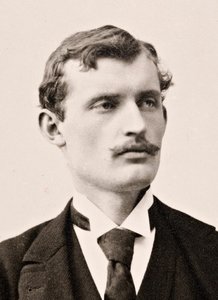
Portrait of Edvard Munch

Edvard Munch

1863–1944 · Norway · 9

Norwegian Expressionist of soul painting and rhythmic lines, using distorted forms to capture the tremors of anxiety and existential dread.

1. The Scream, 5. Madonna, 7. Melancholy (Laura), 20. The Dance of Life, 32. Near the bed of death (fever), 42. Ashes, 65. Passion (Jealousy), 74. The Child and Death, 90. Moonlight

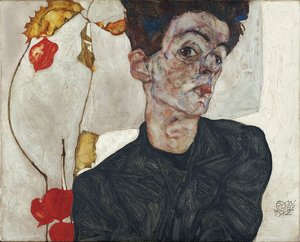
Portrait of Egon Schiele

Egon Schiele

1890–1918 · Austria · 7

Austrian Expressionist known for raw, contorted figures and nervous, expressive line work that explores sexuality and the human condition.

8. The Self-Seers II (Death and Man), 13. Four Trees, 14. The Family, 22. Mother with Two Children, 36. Portrait of Wally, 60. Death and the Maiden, 84. Pregnant Woman and Death

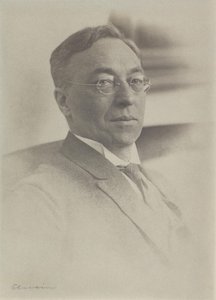
Portrait of Wassily Kandinsky

Wassily Kandinsky

1866–1944 · Russia · 6

Russian pioneer of abstraction and the Blue Rider movement, known for spiritual, colorful forms and the musical interplay of shapes and lines.

3. Composition VII, 21. The Blue Horseman, 38. Composition X, 43. All Saints Day I, 72. View of Murnau with train and castel, 96. White Black Arch

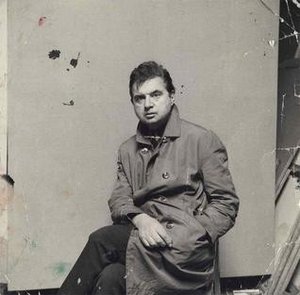
Portrait of Francis Bacon

Francis Bacon

1909–1992 · Ireland · 6

British Expressionist known for visceral, distorted figures trapped within geometric space-frames and the raw sensation of the human scream.

9. Three Studies for Figures at the Base of a Crucifixion, 18. Triptych, 25. Triptych, May-June 1973, 35. Figure with Meat, 69. Portrait of Isabel Rawsthorne Standing in Soho, 86. Three Studies of Lucian Freud

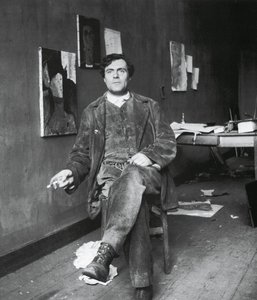
Portrait of Amedeo Modigliani

Amedeo Modigliani

1884–1920 · Italy · 6

Italian Expressionist known for soulful portraits with elongated faces and almond-shaped eyes, capturing the essence of the human spirit.

10. Reclining Nude with Blue Cushion, 41. Nudo rosso, 49. Adrienne (Woman with Bangs), 68. Jeanne Hebuterne with Hat and Necklace, 83. Portrait of Jeanne Hébuterne, 97. Young Woman in a Shirt

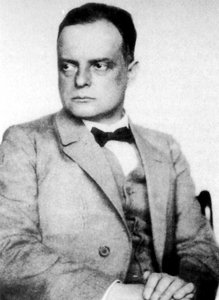
Portrait of Paul Klee

Paul Klee

1879–1940 · Switzerland · 5

Swiss-German Bauhaus artist of rhythmic abstraction, delicate watercolors, and musical forms, known for his scientific approach to color theory.

15. Landscape with Yellow Birds, 28. Strong Dream, 40. New Angel, 50. Legend of the Nile, 62. Women

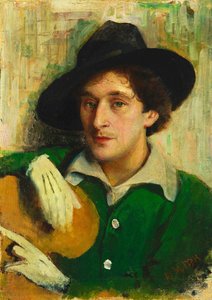
Portrait of Marc Chagall

Marc Chagall

1887–1985 · Belarus · 5

Russian-born modernist of dreamlike symbolism and vibrant colors, featuring flying lovers and scenes from Jewish folklore in a poetic style.

19. The Birthday, 47. The Falling Angel, 59. Dans mon pays, 85. Moses with the Burning Bush, 100. On Two Banks

+30more painters represented Top Expressionism Artists Ranked list

FAQ

Famous Expressionism paintings — FAQ

Point at a question for the answer.

What are the top 10 Expressionism paintings?

Can I own a copy of a famous Expressionism painting?

Yes: 68 of the 100 can be ordered as a hand-painted oil reproduction, from $187, and 68 as a canvas print, from $44.

What materials did Expressionism painters use?

89 of the 100 are oil paintings, 3 use tempera and 0 are frescoes; 4 are painted on wood and 67 on canvas.

How was this list of Expressionism paintings ranked?

By recognition: Wikipedia articles in the most languages (Wikidata sitelinks), our manual ranking and page visits. Several records of one painting count once; details, copies and studies are excluded.

Order

68 paintings available as oil reproductions

68 of the 100 are in stock as hand-painted oil reproductions, from $187. Trade and volume orders welcome.

The Scream by Edvard MunchThe Pillars of Society by George GroszComposition VII by Wassily KandinskyWoman in a Green Jacket by August MackeMadonna by Edvard Munch

Shop Expressionism paintings

Ranking method

Which paintings: all Expressionism paintings in our catalogue. In which order: the best-known first — counted by Wikipedia articles in different languages, our own ranking and page visits. Each painting once; no details, copies or studies.

Other movements

Paintings by period