Money-Back Guarantee · 100 days Free Worldwide Delivery
646,446artworks 53,409artists 5,406museums 32languages

Post-impressionist artists at a glance

Famous Post-impressionist Artists — Top 88 List

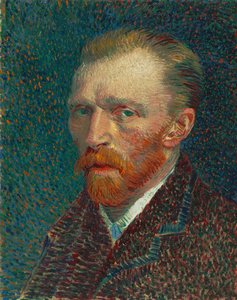
Vincent van Gogh (1853–1890) is the most famous Post-impressionist artist, best known for Starry Night (New York, MoMA) and Cafe Terrace on the Place du Forum, Arles, at Night. Then Paul Cézanne, Paul Gauguin, Henri De Toulouse-Lautrec and Paul Signac. The list covers 88 artists born between 1828 and 1928 in 23 countries, from George Henry to Yuri Ivanovych Khymych.

Method. Scope: artists filed under Post-impressionist in our catalogue. Order: our artist fame ranking. Excluded: artists born after 1955 without a Wikidata identifier. Wikipedia figure: languages with an article, out of our 32.

  1. Starry Night (New York, MoMA) by Vincent van Gogh1Vincent van Gogh
  2. The bathers Sun by Paul Cézanne2Paul Cézanne
  3. Children in the Pasture (also known as Orchard below Bihorel Church) by Paul Gauguin3Paul Gauguin

Key data

Post-impressionist: key data

  • 88Artists
  • 1828–1928Years of birth
  • 23Countries of birth
  • 4Women
  • 17,657Works in our catalogue
Cities with most births
Paris (4), Zundert (2), Budapest (2), Adelaide (2)
Museums holding the most key works
Musée d'Orsay (8), Metropolitan Museum of Art (5), MOMA - Museum of Modern Art (4), Tate Gallery (3)

Ranked list

88 Post-impressionist Artists, ranked with key works

1/ 88

Vincent van Gogh

b. Zundert Wikipedia 32/32

Vincent van Gogh

He moved through the circles of the avant-garde, meeting figures such as Émile Bernard and Paul Gauguin. Later, in 1890, he painted The Church at Auvers, capturing the architecture of the village under a wide, open sky.

Location To see the physical traces of his brushwork, one can travel to several specific collections.

Key works · Top 100 works

2/ 88

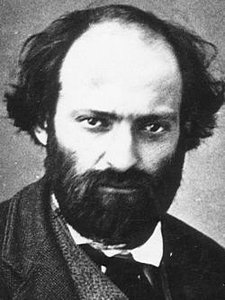
Paul Cézanne

French b. Aix-en-Provence Post-Impressionism Wikipedia 32/32

Paul Cézanne

The rejection from the École des Beaux-Arts was a setback, yet it led him to the Académie Suisse, where he could continue his development away from the rigid constraints of the academy. Between 1867 and 1870, he produced The Murder, a work characterized by a turbulent body of water and a nightmarish atmosphere.

Location The physical presence of his vision remains scattered across several major institutions, allowing the viewer to trace his evolution from the dark, expressive brushwork of his youth to the structured clarity of his later years.

Key works · Top 100 works

3/ 88

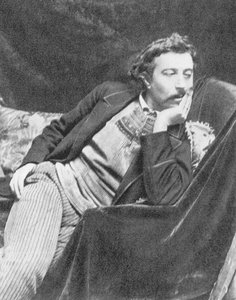
Paul Gauguin

French b. Paris ['Post-Impressionist', 'Symbolist', 'Synthetism', 'Primitivism'] Wikipedia 32/32

Paul Gauguin

In 1887, a shift in scenery brought him to Panama and Martinique alongside Charles Laval. Similarly, The Loss of Virginity, also known as The Awakening of Spring, invites viewers into a liminal space where the boundaries between the human soul and the natural world appear to dissolve.

Location In Paris, the Musée d'Orsay preserves a significant portion of his output, offering a glimpse into the evolution of his color and form.

Key works · Top 100 works

4/ 88

Henri De Toulouse-Lautrec

French b. Albi Post-Impressionism Wikipedia 31/32

Henri De Toulouse-Lautrec

La Goulue Arriving at the Moulin Rouge with Two Women. Other significant works include Divan Japonais and La Passagère du 54, ou Promenade en Yacht, created in 1896.

Location The Musée Toulouse-Lautrec, housed within the Palais de la Berbie, maintains the most significant collection, containing over 1000 works that trace his evolution from an aristocratic youth to a chronicler of the Parisian night.

Key works · Top 100 works

5/ 88

Paul Signac

French b. Paris Neo-Impressionism, Pointillism Wikipedia 29/32

Paul Signac

Instead, he adopted a technique known as Pointillism, or Divisionism, where he applied tiny, distinct dots of pure color directly onto the surface. His 1886 work, Boulevard de Clichy, captures a winter scene in Paris, where the snowy boulevard is rendered through the meticulous application of small dots of pure color.

Location The Musée d'Orsay holds nine of his works, offering a significant gathering of his vision.

Key works · Top 100 works

6/ 88

Pierre Bonnard

French b. Fontenay-aux-Roses Post-Impressionism, Intimism, Les Nabis Wikipedia 27/32

Pierre Bonnard

He was a leading figure in the transition from Impressionism to Modernism, navigating the space between the fleeting light of the previous generation and the more structured, subjective explorations of the new century. His late work continued this exploration until the very end; The Almond Tree in Blossom, painted about 1946, remains a significant example of his preoccupation with the interplay of light and nature.

Location The physical presence of Bonnard’s vision remains scattered across several major institutions, allowing his specific approach to light and domesticity to be studied in various contexts.

Key works · Top 100 works

9/ 88

Maurice Denis

French b. Granville Nabis, Symbolism Wikipedia 26/32

Maurice Denis

Initially inspired by the vibrant colors and flattened forms of Gauguin and Japanese prints, he later turned towards the more structured compositions of Paul Cézanne, seeking a new form of classicism rooted in modern sensibilities.

Key works · Top 100 works

10/ 88

Édouard Vuillard

French b. Cuiseaux Les Nabis, Intimism Wikipedia 23/32

Édouard Vuillard

In 1885, he began taking courses at the Académie Julian, and he frequently frequented the studios of William-Adolphe Bouguereau and Robert-Fleury to refine his technique. The Salon of Madame Aron (1904, reworked 1934).

Location The quiet, patterned interiors that defined his career are preserved in several major international collections.

Key works · Top 100 works

11/ 88

Amrita Sher-Gil

Hungarian-Indian b. Budapest Modern Indian art, Avant-garde Wikipedia 20/32

Amrita Sher-Gil

Amrita Sher-Gil’s style is instantly recognizable for its bold use of color, simplified forms, and expressive figures. Young Girls (1932): A pivotal early work that brought her international recognition.

Key works · Top 100 works

12/ 88

Maurice Utrillo

French b. 18th arrondissement of Paris Post-Impressionism, School of Paris Wikipedia 25/32

Maurice Utrillo

He was not interested in the bright colors of a bustling city, but rather in the quiet, pale light that settled on the stone and mortar of the buildings. 1910: place pigalle. 1913: The Lapin Agile [Le Lapin Agile]. 1917: Rue Saint-Vincent and the Lapin Agile. One such place was the Lapin Agile, a cabaret in Montmartre that served as a gathering point for many artists and writers.

Location To experience the quiet, textured streets of Montmartre through his eyes, one can travel to several major institutions.

Trained by Suzanne Valadon #8

Key works · Top 100 works

13/ 88

Félix Vallotton

Swiss and French b. Lannes Post-Impressionism, Symbolism, Les Nabis

Félix Vallotton

His style blended elements of Post-Impressionism and Symbolism, often resulting in a look that felt both modern and strangely still. In 1892, he produced The Sick Girl, a work that reflects his ability to handle human subjects with a sense of realism.

Location To encounter the quiet tension of Vallotton’s interiors, one might travel to the Cantonal Museum of Fine Arts in Lausanne, Switzerland, where The Red Room is kept.

Key works · Top 100 works

14/ 88

Tom Thomson

Canadian b. Claremont Canadian Modernism Wikipedia 18/32

Tom Thomson

This period proved formative; it wasn’t merely about acquiring technical proficiency in penmanship and design at firms like Maring & Ladd, but also about encountering individuals who would later become central figures in the burgeoning Canadian art scene – J.E.H.

Key works · Top 100 works

15/ 88

Emily Carr

Canadian b. Victoria Modernism, Post-Impressionism

Emily Carr

A pivotal moment in her development came through her encounters with the First Nations communities along the British Columbia coast. Kispiox Village (oil): An iconic painting that embodies Carr's unique style and her deep connection to the landscapes and communities of British Columbia.

Key works · Top 100 works

16/ 88

Giovanni Segantini

Italian b. Arco Symbolism, Divisionism Wikipedia 19/32

Giovanni Segantini

Key Influences: His work was significantly influenced by Anton Mauve and Jean-François Millet, introduced to him through Vittorio Grubicy de Dragon, who became his advisor and dealer. Early Success: His painting "The Chancel of Sant'Antonio" gained recognition for its powerful quality and was acquired by Milan’s Società per le Belle Arti.

Key works · Top 100 works

17/ 88

Paul Sérusier

French b. Paris Post-Impressionism, Nabis, Synthetism Wikipedia 21/32

Paul Sérusier

In works like Celtic Tale (1894), this method produces an arresting visual effect through the use of intensified colors. In 1890, he produced Portrait of Paul Ranson, a work that solidified his presence within his artistic circle.

Location It holds The Talisman, the work that defined his early departure from academicism.

Key works · Top 100 works

18/ 88

Henri Edmond Cross

French b. Douai Neo-Impressionism Wikipedia 21/32

Henri Edmond Cross

Simultaneously, recurring bouts of rheumatism led him to seek solace in the warmer climate of southern France, beginning in 1883 and culminating in a permanent settlement in Saint-Clair in 1891. Several works stand out as particularly representative of Cross’s artistic vision: Before the Storm (aka The Storm): A quintessential example of his Neo-Impressionist landscapes, capturing dramatic skies and hinting at underlying anarchist themes.

Key works · Top 100 works

20/ 88

Walter Sickert

British b. Munich Post-Impressionism Wikipedia 19/32

Walter Sickert

Walter Richard Sickert, born in Munich in 1860, was a figure perpetually caught between worlds – German by birth, British by adoption, and an artist forever oscillating between the established traditions of painting and the burgeoning currents of modernism.

Key works · Top 100 works

30/ 88

József Rippl-Rónai

Hungarian b. Kaposvár ['Impressionism', 'Post-Impressionism', 'Symbolism'] Wikipedia 15/32

József Rippl-Rónai

He was influenced by Mihály Munkácsy and later embraced the philosophies of Les Nabis. "Rippl-Rónai Impressions 1890-1900" Exhibition: While initially met with mixed reception in Hungary, this exhibition eventually gained recognition and solidified his position within the art world.

Key works · Top 100 works

32/ 88

Maxime Maufra

French b. Nantes Post-impressionism; Pointillism Wikipedia 11/32

Maxime Maufra

This pivotal decision coincided with the arrival of fellow artists Paul Gauguin and Paul Sérusier at the Bateau-Lavoir, fostering a collaborative environment conducive to experimentation and innovation.

Key works · Top 100 works

39/ 88

Charles Cottet

French b. Le Puy-en-Velay Post-Impressionism, Symbolism, Pont-Aven School, Bande Noire Wikipedia 12/32

Charles Cottet

cottet's artistic style is characterized by dark, evocative paintings of rural brittany and seascapes. he led a school of painters known as the bande noire or "nubians" group, which was influenced by the realism and dark colors of courbet. his work is also associated with the picturesque seaside symbolism of the pont-aven school.

Key works · Top 100 works

42/ 88

Frank Bramley

English b. Sibsey Post-Impressionism Wikipedia 8/32

Frank Bramley

Bramley’s early life was marked by a formal art education, beginning at the Lincoln School of Art before he ventured to the prestigious Koninklijke Academie voor Schone Kunsten in Antwerp, studying under Charles Verlat. This influence is evident in works such as A Hopeless Dawn (1888), arguably his most famous painting and now held within the Tate Gallery's collection.

Key works · Top 100 works

44/ 88

Igor Grabar

Russian b. Buda Post-Impressionism Wikipedia 16/32

Igor Grabar

This role evolved as the political landscape shifted, and he eventually served as the Head of the State Tretyakov Gallery from 1918 to 1925. This interest in the natural world is seen again in Spring Flow, from about 1904, and in Landscape with a Haystack.

Location His paintings can be found in several major collections across Russia and Ukraine.

Key works · Top 100 works

46/ 88

Herbert F Royle

British Post Impressionism

Herbert F Royle

To wander through the canvases of Herbert F. Born in 1870 near Manchester, Royle’s artistic spirit was deeply rooted in the rugged beauty of the North. He honed his technical prowess at the Harris Institute in Preston and later at the Southport School of Art, but it was his time studying under the esteemed John Buxton Knight that truly defined his aesthetic direction.

Key works · Top 100 works

47/ 88

Medardo Rosso

Italian, French b. Turin Post-Impressionism

Medardo Rosso

Medardo Rosso, born in Turin, Italy, on June 21, 1858, was a sculptor who dared to challenge the very foundations of his art form. Rosso's artistic journey began with realist influences, evident in early works like The Hooligan (1882) and Kiss Under the Lamppost (1882).

Key works · Top 100 works

48/ 88

Henry Lamb

British b. Adelaide Post-Impressionism

Henry Lamb

Lamb’s early years were also deeply intertwined with the bohemian circles of London, where he encountered and befriended prominent figures like Lytton Strachey, whose penetrating portrait would become one of Lamb's most celebrated achievements.

Key works · Top 100 works

49/ 88

Maurice Prendergast

Newfoundlander-American b. St. John's Post-Impressionism Wikipedia 12/32

Maurice Prendergast

Through the Canadian painter James Morrice, Prendergast was introduced to the English avant-garde, specifically the work and influence of Walter Sickert and Aubrey Beardsley. Prendergast’s subject matter focused on the rhythms of modern leisure.

Location Prendergast’s presence in major American collections confirms his lasting impact on the development of modernism.

Key works · Top 100 works

51/ 88

Yuri Ivanovych Khymych

Ukrainian b. Kamianets-Podolsk Socialist Realism

Yuri Ivanovych Khymych

Whether it was the monumental presence of the Saint Sophia Cathedral in Kyiv or the quiet, ancient dignity of a rural monastery, Khymych sought to reproduce the aesthetic features of historical monuments with an emotional resonance that transcended time.

Key works · Top 100 works

53/ 88

Albert André

French b. 2nd arrondissement of Lyon Post-Impressionism Wikipedia 7/32

Albert André

His meticulous study of Renoir's work and his dedication to preserving the artist's legacy resulted in one of the most comprehensive and insightful biographies of Renoir ever written—a testament to André’s deep appreciation for his friend and mentor.

Key works · Top 100 works

55/ 88

Georges D'Espagnat

French b. Melun Post-Impressionism Wikipedia 6/32

Georges D'Espagnat

He moved to Paris in 1888, where he began an autonomous training process, occasionally guided by painters such as Gustave-Claude-Etienne Courtois. His style eventually blossomed into a sophisticated Post-Impressionist language, heavily indebted to the soft, dappled light of Pierre-Auguste Renoir and the delicate textures of Alfred Sisley.

Key works · Top 100 works

57/ 88

Francisco Iturrino

Spanish b. Santander Post-Impressionism, Fauvism Wikipedia 7/32

Francisco Iturrino

Iturrino’s association with Pablo Picasso further enriched his early career, culminating in a joint exhibition at the prestigious Vollard Gallery in 1901—a landmark moment that signaled his arrival on the Parisian art scene.

Key works · Top 100 works

58/ 88

Charles-François-Prosper Guérin

French b. Sens Post-Impressionism Wikipedia 9/32

Charles-François-Prosper Guérin

Through mediums like oil and pastel, Guérin explored themes of memory and emotion, ensuring that his legacy remains a vital and vibrant chapter in the history of French Post-Impressionism.

Key works · Top 100 works

59/ 88

Emmanuel Zairis

Greek Realism, Impressionism

Emmanuel Zairis

Works like “ The Old Egg Seller ” exemplify this style—a solitary figure bathed in sunlight, conveying both resilience and vulnerability. Among Zairis's most celebrated works are “ Sewing Nets,” a poignant portrayal of female fishermen engaged in their laborious task; " Aeneas saving his father through the flames of Troy," a dramatic interpretation of a classical myth; and “ Girl in the vegetable garden,” which captures a moment of youthful innocence.

Key works · Top 100 works

62/ 88

James Dickson Innes

British b. Llanelli Post-Impressionism, Fauvism Wikipedia 5/32

James Dickson Innes

Educated at Christ College, Brecon, young James quickly demonstrated an aptitude for art, leading him to the Carmarthen School of Art in 1904 before securing a coveted scholarship to the Slade School of Art in London just a year later. He exhibited with the New English Art Club from 1907, showcasing landscapes that echoed the atmospheric effects favored by Steer and Sickert.

Key works · Top 100 works

66/ 88

William Henry Margetson

British b. Denmark Hill Victorian Elegance & Post-Impressionism Wikipedia 4/32

William Henry Margetson

William Henry Margetson, born in Camberwell, Surrey, in December 1861, was a painter whose career unfolded across the shifting tides of Victorian and early 20th-century British art. His journey began with formal training at Dulwich College, followed by studies at the prestigious Royal College of Art and the Royal Academy Schools – a path typical for aspiring artists of his time, yet one he navigated with distinct talent and sensitivity.

Key works · Top 100 works

67/ 88

Filippo De Pisis

Italian b. Ferrara Post-Impressionism Wikipedia 8/32

Filippo De Pisis

Despite the disruptions of World War II and his eventual return to Italy, De Pisis never lost the cosmopolitan spirit that had defined his youth.

Key works · Top 100 works

71/ 88

Antonio Sicurezza

Italian b. Santa Maria Capua Vetere Figurative art Wikipedia 7/32

Antonio Sicurezza

Antonio Sicurezza, born in the sun-drenched landscapes of Santa Maria a Capo Vaticano, Italy, in 1905, was an artist deeply rooted in the Italian figurative tradition. From his early training at the Academy of Fine Arts in Naples, where he flourished under the guidance of masters like Carlo Siviero and Vincenzo Volpe, Sicurezza demonstrated an innate talent for capturing reality with remarkable precision and emotional depth.

Key works · Top 100 works

72/ 88

Anna Ostroumova-Lebedeva

Russian b. Saint Petersburg Watercolor painting; Woodcut technique Wikipedia 9/32

Anna Ostroumova-Lebedeva

In the misty, atmospheric streets of Saint Petersburg, where the Neva River meets the architectural grandeur of a fading empire, the spirit of Anna Ostroumova-Lebedeva found its eternal muse. Her artistic journey began within the prestigious halls of the Stieglitz School of Technical Drawing and the Imperial Academy of Arts.

Key works · Top 100 works

75/ 88

Hayley Lever

Australian/American b. Adelaide Post-Impressionism Wikipedia 4/32

Hayley Lever

Richard Hayley Lever, born in Bowden, South Australia in 1876, embarked on a journey that would carry him across continents and immerse him in the evolving currents of Post- Impressionist painting. His story is one of relentless artistic exploration, fueled by an early talent nurtured at Prince Alfred College under James Ashton and further honed within the vibrant art communities of England, France, and ultimately, America.

Key works · Top 100 works

77/ 88

Eduardo Viana

Spanish b. Lisbon Cubism, Surrealism Wikipedia 6/32

Eduardo Viana

- in revolt (1916): a vibrant depiction of portuguese life, characterized by colorful arcs. - k4: the blue square (1917): considered a homage to portuguese modernism, inspired by almada negreiros' book of the same name and dedicated to amadeo de souza cardoso.

Key works · Top 100 works

79/ 88

William Penhallow Henderson

American b. Medford Post-Impressionism Wikipedia 3/32

William Penhallow Henderson

The costumes he created – particularly ‘ Two of Spades,’ a striking clown ensemble—were bold, expressive, and deeply rooted in the spirit of the story.

Key works · Top 100 works

80/ 88

Julio Vila y Prades

Spanish b. Valencia Post-Impressionism Wikipedia 4/32

Julio Vila y Prades

In the golden era of Spanish Impressionism, few artists captured the ephemeral dance of light and the quiet dignity of tradition as tenderly as Julio Vila y Prades. Born in Valencia in 1873, his life was a journey through the vibrant landscapes of Spain and the sweeping vistas of Latin America, leaving behind a body of work that serves as a window into a bygone era.

Key works · Top 100 works

81/ 88

Malcolm Drummond

British b. Maidenhead Post-Impressionism, Camden Town Group Wikipedia 3/32

Malcolm Drummond

The Group’s focus on contemporary subjects – urban life, working-class communities, and the changing landscape of London – aligned perfectly with Drummond’s artistic interests. His paintings of interiors—such as “ Backs of Houses, Chelsea ” (1914)—are particularly notable for their atmospheric quality and psychological depth.

Key works · Top 100 works

84/ 88

Jozsef Nemes Lamperth

Hungarian b. Budapest Post-Impressionism, Secessionism Wikipedia 1/32

Jozsef Nemes Lamperth

Influenced by artists like Vincent van Gogh, Paul Gauguin, and the German Expressionists, Lamperth embraced a subjective approach to artmaking, prioritizing emotional intensity over strict representation. Lamperth’s artistic development was further shaped by his exposure to the Secessionist movement, which flourished in Vienna during this time.

Key works · Top 100 works

86/ 88

Charles Cundall

British b. Stretford Post-Impressionism, Fauvism Wikipedia 1/32

Charles Cundall

His formal education at the Manchester School of Art and his subsequent scholarship to the Royal College of Art in 1912 marked the beginning of a profound artistic evolution that would see him master everything from intimate portraits to vast, panoramic townscapes.

Key works · Top 100 works

88/ 88

Theodor Kern

Austrian b. Salzburg Impressionism Wikipedia 1/32

Theodor Kern

Born in 1900, Kern’s early life was steeped in the rich, academic traditions that would eventually serve as the foundation for his more radical explorations. His journey through the prestigious Kunstakiente Düsseldorf allowed him to immerse himself in the flowing, organic rhythms of Jugendstil, where he studied under masters such as Wilhelm Trübschenne and Hugo Steiner-Samuels.

Key works · Top 100 works

Best-known works

Famous Post-impressionist paintings by artist

  1. Starry Night (New York, MoMA) by Vincent van Gogh

    Starry Night (New York, MoMA)

    Vincent van Gogh

    1889 · MOMA - Museum of Modern Art, New York City

  2. The bathers Sun by Paul Cézanne

    The bathers Sun

    Paul Cézanne

  3. Children in the Pasture (also known as Orchard below Bihorel Church) by Paul Gauguin

    Children in the Pasture (also known as Orchard below Bihorel Church)

    Paul Gauguin

    1884 · Thyssen-Bornemisza Museum, Madrid

  4. La Goulue Dancing (also known as Les Almees) by Henri De Toulouse-Lautrec

    La Goulue Dancing (also known as Les Almees)

    Henri De Toulouse-Lautrec

    1895 · Musée d'Orsay, Paris

  5. The Jetty, Cassis, Opus 198 by Paul Signac

    The Jetty, Cassis, Opus 198

    Paul Signac

    1889 · Metropolitan Museum of Art, new york

  6. The almond tree in blossom by Pierre Bonnard

    The almond tree in blossom

    Pierre Bonnard

  7. Iron Bridges at Asnières by Émile Bernard

    Iron Bridges at Asnières

    Émile Bernard

    1887 · MOMA - Museum of Modern Art, New York City

Chronology

Post-impressionist chronology

  1. 1881
  2. 1883
  3. 1884
  4. 1887
  5. 1887
  6. 1889
  7. 1889
  8. 1889
  9. 1889
  10. 1893
  11. 1893
  12. 1894
  13. 1895
  14. 1895

Statistics

Counts by country, period and museum

Country of birth
France24
United Kingdom10
Hungary5
Italy4
Netherlands3
Canada3
Belgium3
Ukraine3
Decade of birth
1820s1
1830s1
1840s1
1850s11
1860s25
1870s20
1880s12
1890s7
1900s3
1910s2
1920s3
Museums holding their key works
Musée d'Orsay8
Metropolitan Museum of Art5
MOMA - Museum of Modern Art4
Tate Gallery3
Kröller-Müller Museum2
Baltimore Museum of Art2
Thyssen-Bornemisza Museum2
Courtauld Gallery2

Index

Full list of 88 famous Post-impressionist artists

  1. 1Vincent van GoghVincent van Gogh1853–1890
  2. 2Paul CézannePaul CézanneFrench · 1839–1906
  3. 3Paul GauguinPaul GauguinFrench · 1848–1903
  4. 4Henri De Toulouse-LautrecHenri De Toulouse-LautrecFrench · 1864–1901
  5. 5Paul SignacPaul SignacFrench · 1863–1935
  6. 6Pierre BonnardPierre BonnardFrench · 1867–1947
  7. 7Émile BernardÉmile Bernard1868–1941
  8. 8Suzanne ValadonSuzanne ValadonFrench · 1865–1938
  9. 9Maurice DenisMaurice DenisFrench · 1870–1943
  10. 10Édouard VuillardÉdouard VuillardFrench · 1868–1940
  11. 11Amrita Sher-GilAmrita Sher-GilHungarian-Indian · 1913–1941
  12. 12Maurice UtrilloMaurice UtrilloFrench · 1883–1955
  13. 13Félix VallottonFélix VallottonSwiss and French · 1865–1925
  14. 14Tom ThomsonTom ThomsonCanadian · 1877–1917
  15. 15Emily CarrEmily CarrCanadian · 1871–1945
  16. 16Giovanni SegantiniGiovanni SegantiniItalian · 1858–1899
  17. 17Paul SérusierPaul SérusierFrench · 1864–1927
  18. 18Henri Edmond CrossHenri Edmond CrossFrench · 1856–1910
  19. 19Theo van RysselbergheTheo van RysselbergheBelgian · 1862–1926
  20. 20Walter SickertWalter SickertBritish · 1860–1942
  21. 21Roger FryRoger FryBritish · 1866–1934
  22. 22Tivadar Csontváry KosztkaTivadar Csontváry KosztkaHungarian · 1853–1919
  23. 23Joos Vincent De VosJoos Vincent De VosDutch · 1853–1890
  24. 24Duncan GrantDuncan GrantScottish · 1885–1978
  25. 25Moïse KislingMoïse KislingPolish-French · 1891–1953
  26. 26Edward SeagoEdward SeagoBritish · 1910–1974
  27. 27Paul RansonPaul RansonFrench · 1861–1909
  28. 28David BurliukDavid BurliukRussian/Ukrainian · 1882–1967
  29. 29Henri LebasqueHenri LebasqueFrench · 1865–1937
  30. 30József Rippl-RónaiJózsef Rippl-RónaiHungarian · 1861–1927
  31. 31George HenryGeorge HenryScottish · 1828–1895
  32. 32Maxime MaufraMaxime MaufraFrench · 1861–1918
  33. 33Roderic O'ConorRoderic O'ConorIrish · 1860–1940
  34. 34Charles van den EyckenCharles van den EyckenBelgian · 1859–1923
  35. 35Augustus Edwin JohnAugustus Edwin JohnWelsh · 1878–1961
  36. 36Georges LemmenGeorges LemmenBelgian · 1865–1916
  37. 37Nicolas TarkhoffNicolas TarkhoffRussian/French · 1871–1930
  38. 38Jan SluijtersJan SluijtersDutch · 1881–1957
  39. 39Charles CottetCharles CottetFrench · 1863–1925
  40. 40Émile SchuffeneckerÉmile SchuffeneckerFrench · 1851–1934
  41. 41Roger Eliot FryRoger Eliot FryBritish · 1866–1934
  42. 42Frank BramleyFrank BramleyEnglish · 1857–1915
  43. 43Spencer GoreSpencer GoreBritish · 1878–1914
  44. 44Igor GrabarIgor GrabarRussian · 1871–1960
  45. 45Samuel PeploeSamuel PeploeScottish · 1871–1935
  46. 46Herbert F RoyleHerbert F RoyleBritish · 1870–1958
  47. 47Medardo RossoMedardo RossoItalian, French · 1858–1928
  48. 48Henry LambHenry LambBritish · 1883–1960
  49. 49Maurice PrendergastMaurice PrendergastNewfoundlander-American · 1858–1924
  50. 50Gustave LoiseauGustave LoiseauFrench · 1865–1935
  51. 51Yuri Ivanovych KhymychYuri Ivanovych KhymychUkrainian · 1928–2003
  52. 52Konstantin YuonKonstantin YuonRussian · 1875–1958
  53. 53Albert AndréAlbert AndréFrench · 1869–1954
  54. 54Charles Langton LocktonCharles Langton LocktonBritish · 1856–1932
  55. 55Georges D'EspagnatGeorges D'EspagnatFrench · 1870–1950
  56. 56David JandiDavid JandiHungarian · 1893–1944
  57. 57Francisco IturrinoFrancisco IturrinoSpanish · 1864–1924
  58. 58Charles-François-Prosper GuérinCharles-François-Prosper GuérinFrench · 1875–1939
  59. 59Emmanuel ZairisEmmanuel ZairisGreek · 1878–1948
  60. 60Konstantin GorbatovKonstantin GorbatovRussian · 1876–1945
  61. 61Mark GertlerMark GertlerBritish · 1891–1939
  62. 62James Dickson InnesJames Dickson InnesBritish · 1887–1914
  63. 63Edouard CortèsEdouard CortèsFrench · 1882–1969
  64. 64Konstantinos MaleasKonstantinos MaleasGreek · 1879–1928
  65. 65Jules Alexandre GrunJules Alexandre GrunFrench · 1868–1938
  66. 66William Henry MargetsonWilliam Henry MargetsonBritish · 1861–1940
  67. 67Filippo De PisisFilippo De PisisItalian · 1896–1956
  68. 68Henry OttmannHenry OttmannFrench · 1877–1927
  69. 69Ernest ZoboleErnest ZoboleWelsh · 1927–1999
  70. 70Allen TuckerAllen TuckerAmerican · 1866–1939
  71. 71Antonio SicurezzaAntonio SicurezzaItalian · 1905–1979
  72. 72Anna Ostroumova-LebedevaAnna Ostroumova-LebedevaRussian · 1871–1955
  73. 73Yuriy KhymychYuriy Khymych
  74. 74Bertalan PórBertalan PórHungarian · 1880–1964
  75. 75Hayley LeverHayley LeverAustralian/American · 1876–1958
  76. 76Liu KangLiu Kang
  77. 77Eduardo VianaEduardo VianaSpanish · 1881–1967
  78. 78Fikret Muallâ SaygıFikret Muallâ SaygıFrench · 1903–1967
  79. 79William Penhallow HendersonWilliam Penhallow HendersonAmerican · 1877–1943
  80. 80Julio Vila y PradesJulio Vila y PradesSpanish · 1873–1930
  81. 81Malcolm DrummondMalcolm DrummondBritish · 1880–1945
  82. 82Bernard MeninskyBernard MeninskyBritish · 1891–1950
  83. 83Panagiotis TetsisPanagiotis TetsisGreek · 1925–2016
  84. 84Jozsef Nemes LamperthJozsef Nemes LamperthHungarian · 1891–1924
  85. 85Josep Mompou i DencausseJosep Mompou i DencausseSpanish · 1888–1968
  86. 86Charles CundallCharles CundallBritish · 1890–1971
  87. 87Theophrastos TriantafyllidisTheophrastos TriantafyllidisGreek · 1881–1955
  88. 88Theodor KernTheodor KernAustrian · 1900–1969

FAQ

Post-impressionist: quick answers

  • Who was the greatest Post-impressionist artist?

    Vincent van Gogh (#1) comes first, ahead of Paul Cézanne (#2) and Paul Gauguin (#3).

  • Which five Post-impressionist artists should everyone know?

  • Who was the first Post-impressionist artist?

    The earliest-born artist in this list is George Henry (#31), born in 1828.

  • Which city produced the most Post-impressionist artists?

    Paris: 4 of the artists in this list were born there.

  • Which techniques define Post-impressionist art?

    “The somber, earthy colors of his time in the Netherlands gave way to a new way of seeing the world through light and brushwork.” — from our biography of Vincent van Gogh (#1).

  • Where can I see Post-impressionist art?

    The museums holding the most key works of this list are Musée d'Orsay (8), Metropolitan Museum of Art (5) and MOMA - Museum of Modern Art (4).

  • Which women Post-impressionist artists are the most famous?

    4 women are in this ranking: Suzanne Valadon (#8), Amrita Sher-Gil (#11), Emily Carr (#15) and Anna Ostroumova-Lebedeva (#72).

  • Which Post-impressionist artists from the United Kingdom are the most famous?

    The highest-ranked artists born in the United Kingdom are Roger Fry (#21), Duncan Grant (#24), Frank Bramley (#42), Spencer Gore (#43) and Samuel Peploe (#45).

  • Which country produced the most Post-impressionist artists?

    France: 24 of the 88 artists in this list were born there, then United Kingdom (10) and Hungary (5).

  • Which Post-impressionist masters trained other famous artists?

    Suzanne Valadon (#8) taught Maurice Utrillo (#12).

  • In which period did Post-impressionist art flourish?

    Most artists in this list were born in the 1860s (25 of 88), between 1828 and 1928 overall.

  • Where can I buy Post-impressionist art?

    Our catalogue holds 17,657 works by these artists. Each one can be ordered as a hand-painted oil reproduction or a print.

Guides

AllPaintingsStore.com guides

Other lists

Famous artists by movement

By period

Famous artists by period

Famous paintings

Famous paintings by movement

Related lists

Related rankings