




Origins and History of the Museum
The Kröller-Müller Museum emerged from the singular vision of Helene Kröller-Müller, a German art collector born on 11 February 1869. The institution was established within the extensive grounds of the former estate belonging to Helene and her husband, Anton Kröller. It opened to the public on 13 July 1938, creating a permanent home for a collection built through decades of careful acquisition. The site remains deeply connected to the landscape of the Hoge Veluwe National Park.
History has left its mark on the museum's walls through the complexities of the twentieth century. During the occupation of the Netherlands in World War II, the museum's history became linked to the Dutch resistance. This period of conflict added a layer of quiet resilience to the estate. The museum continues to draw significant interest, having welcomed 380,000 visitors in 2015.
The Architecture and Modern Design
The museum building, designed by the Belgian architect Henry van de Velde, exists in a quiet dialogue with the surrounding Hoge Veluwe National Park. Constructed primarily from concrete and glass, the structure reflects the starkness of the Dutch landscape. Light enters the interior through expansive panes, creating a sense of spaciousness that complements the viewing of the art. The design avoids heavy ornamentation, favoring a modernism that integrates the interior spaces with the natural environment outside.
In 1977, the museum expanded with a new exhibition wing designed by Wim Quist. This addition continues the architectural narrative of the site, providing further space for the collection. The interplay between the original Henry van de Velde structure and the later Quist wing allows for a varied experience of volume and light. The architecture does not attempt to dominate the forest but rather provides a controlled setting for the presence of the works held within.
The World-Renowned Van Gogh Collection
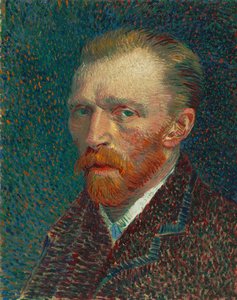
The Kröller-Müller Museum serves as a second home for Vincent van Gogh. It holds the second-largest collection of his works globally, providing a space where his presence is felt through the sheer volume of his output. The holdings include nearly ninety paintings and over one hundred eighty drawings, allowing for a close study of his evolving hand.
Certain canvases possess a specific weight when encountered in person. Café Terrace at Night offers a palpable sense of Parisian atmosphere through its particular hues. Nearby, the haunting intensity of Sorrowing Old Man (At Eternity’s Gate) presents a portrait of vulnerability and existential questioning. These works exist as physical entities, inviting a quiet observation of the brushstrokes that define them.
The collection includes several significant pieces:
- Café Terrace at Night, 1888
- Sorrowing Old Man (At Eternity’s Gate), 1890
- Haystacks in Provence, 1888
- The Sower (Sower with Setting Sun), 1888
Masterpieces of the Art Collection
The collection offers a profound encounter with the evolution of modernism. The luminous landscapes of Claude Monet provide a quiet study of light and atmosphere. Nearby, the rhythmic precision of Piet Mondrian introduces a different kind of order, where geometric abstraction finds its voice. These works exist in a dialogue with the transformative energy of Pablo Picasso, whose presence shifts the visual language of the galleries. The museum also holds the meticulous, detailed portraits of Georges Seurat, which demand a slow, steady gaze to fully register their structure.
Beyond these shifts in form, the museum preserves the delicate, dreamlike qualities found in the works of Odilon Redon. The presence of Juan Gris adds a further layer of complexity to the narrative of early twentieth-century art. Each artist brings a specific way of seeing that remains palpable in the original canvases. The collection does not merely display these works; it holds them in a space where their specific textures and colors can be observed in their true state.
- Cafe Terrace on the Place du Forum, Arles, at Night, 1888 - Vincent Willem Van Gogh
- Breakfast (The Dining Room), 1887 - Paul Signac
- Le Chahut - Georges Seurat
The Expansive Sculpture Garden
The sculpture garden extends across more than 75 acres within the Hoge Veluwe National Park. It is one of the largest of its kind in Europe, creating a space where art and the natural landscape of Otterlo, Netherlands, exist in a quiet symbiosis. Between 160 and 200 sculptures are placed along interconnected pathways, allowing the works to interact with the surrounding forest and light. The arrangement follows a deliberate choreography between human creativity and the environment.
The collection features the heavy, grounded forms of Auguste Rodin and Henry Moore. These presences sit amidst the trees, their textures responding to the shifting shadows of the canopy. The garden also holds the experimental works of Jean Dubuffet and the structural, industrial presence of Mark di Suvero. In other corners, the playful, large-scale forms of Claes Oldenburg and the spatial interventions of Lucio Fontana emerge from the greenery. Each piece is positioned to respond to the specific topography of the park.
- K-piece (1972) by Mark di Suvero
- Floating Sculpture, Otterlo by Marta Pan
Exhibitions and Contemporary Programs
The museum maintains a dynamic program of temporary exhibitions that explore diverse themes and artistic movements. These rotating displays ensure the institution keeps pace with contemporary developments, offering fresh perspectives on the permanent collection. One such current exhibition, Between Worlds, examines the intersection of art and nature, a theme deeply rooted in the museum's setting within the Hoge Veluwe National Park. Looking toward the future, the exhibition Lilian Kreutzberger. Rauhfaser promises to examine the work of this contemporary artist.
The reach of the museum's curation extends beyond its own walls. The National Gallery, London, hosted Radical Harmony: Helene Kröller-Müller's Neo-Impressionists from 13 September 2025 to 8 February 2026. This exhibition focused on specific works from the collection, highlighting the historical significance of the pieces gathered by Helene Kröller-Müller. The museum continues to foster dialogue through these scholarly and artistic engagements, bridging the gap between historical collections and modern inquiry.


