A History Long Overlooked: Pioneering Women Artists Through the Ages
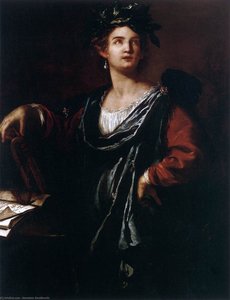
For centuries, art history narratives largely excluded women artists. While male masters dominated the canon, countless talented female creators toiled in relative obscurity, their contributions minimized or erased. This section explores some of those pivotal figures and the challenges they faced. Early examples are scarce due to societal constraints that limited access to education and artistic training for women. However, glimpses into their work emerge through patronage networks and convent life, where some nuns found opportunities to paint religious scenes. Artemisia Gentileschi (1593-1653), a towering figure of the Baroque period, stands as a testament to female resilience and talent. Her powerful depictions of biblical heroines, such as in her iconic “Mary Magdalene in Ecstasy,” showcased dramatic chiaroscuro and emotional intensity, challenging prevailing artistic conventions. Despite facing personal tragedy and legal battles, Gentileschi’s legacy continues to inspire awe and admiration. Other notable early pioneers include Sofonisba Anguissola (c. 1532-1625), a portrait painter who gained recognition in the courts of Spain, and Lavinia Fontana (1552–1614), known for her portraits and religious works. These artists demonstrated exceptional skill while navigating a patriarchal art world.
Breaking Barriers: The Feminist Art Movement and its Legacy
The 1960s and 70s witnessed a seismic shift with the rise of the feminist art movement. Fueled by second-wave feminism, this movement sought to challenge gender stereotypes, reclaim female narratives, and dismantle systemic inequalities within the art world. Linda Nochlin’s seminal essay, “Why Have There Been No Great Women Artists?,” published in 1971, became a foundational text, questioning the very structures that prevented women from achieving artistic recognition. The movement manifested in diverse forms: performance art, conceptual installations, and collaborative projects. Judy Chicago’s monumental installation, “The Dinner Party” (1974-79), remains an iconic symbol of feminist art, celebrating the achievements of historically marginalized women. Guerrilla Girls, an anonymous collective, used provocative posters and public interventions to expose gender and racial biases in museums and galleries. The movement’s impact extended beyond artistic creation; it fostered critical dialogue about representation, power dynamics, and the role of art in social change.
Contemporary Voices: Modern Female Artists Redefining the Landscape
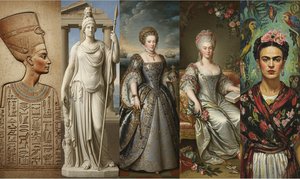
Today, female artists are reshaping the contemporary art landscape with unprecedented creativity and visibility. From established masters to emerging talents, their work explores a vast range of themes and mediums. Frida Kahlo (1907-1954), though active earlier, continues to resonate profoundly with modern audiences through her intensely personal self-portraits that grapple with identity, pain, and resilience. Her painting “Two Nudes in the Forest” exemplifies her unique blend of surrealism and autobiographical expression. Leonor Fini (1907-1996), an Argentine Surrealist known for her powerful depictions of women and erotic art, challenged societal norms with her unapologetic exploration of female sexuality and independence. Contemporary artists like Mickalene Thomas are pushing boundaries further. Thomas’s dazzling paintings, incorporating rhinestones and collage, explore femininity, race, sexuality, and beauty standards within the context of pop culture and art history.
Beyond Representation: Exploring Themes of Identity, Power, and Perspective
The work of female artists transcends mere representation; it delves into complex themes of identity, power, and perspective. Many artists engage with personal narratives to explore issues of gender, race, class, and sexuality. Others challenge traditional notions of beauty, femininity, and the male gaze. Surrealism, a movement historically dominated by men, found fertile ground for female expression, allowing artists like Fini to explore subconscious desires and challenge societal constraints. The rise of performance art provided another avenue for women to reclaim their bodies and voices, challenging patriarchal structures through direct engagement with audiences. Contemporary artists are increasingly utilizing digital media and new technologies to expand the possibilities of artistic expression and engage in critical dialogues about social justice and environmental concerns.
The Future is Female: Celebrating Diversity and Continued Progress in the Art World
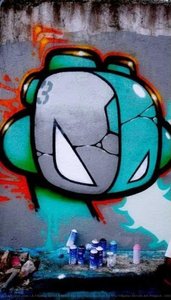
While significant progress has been made, challenges remain in achieving true equity and representation within the art world. Ongoing efforts focus on diversifying museum collections, supporting female-led galleries and institutions, and promoting mentorship programs for emerging artists. Initiatives like “Women - Their Work” in Austin and the “Women's Forum Street Art Project” in Paris demonstrate a growing commitment to celebrating women’s contributions to art and culture. The future of art is undoubtedly intertwined with the continued rise of female artists, whose diverse perspectives and innovative practices will shape the artistic landscape for generations to come. remains committed to showcasing these voices and providing access to exceptional artworks by female creators from across history and around the world.