




The Archetypal Muse: Women as Inspiration from Antiquity to the Renaissance
 The Enduring Muse: Women as Subject & Symbol in Art History
Explore the rich history of women in art – from archetypal representations to contemporary voices challenging norms. Discover iconic artists & movements, and learn about reclaiming female narratives through painting and beyond.
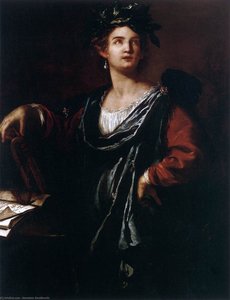
For millennia, women have occupied a central, yet often complex, position within the visual arts. Initially conceived primarily as subjects – embodiments of beauty, virtue, and fertility – their portrayal evolved alongside shifting societal values and artistic conventions. In ancient civilizations, goddesses like Aphrodite and Isis were venerated through sculpture and painting, representing ideals of feminine power and grace. However, these depictions weren’t necessarily portraits of individual women but rather archetypes, symbolic representations serving religious or mythological purposes. The classical world established a precedent: the female form as a vessel for projecting cultural aspirations. This tradition continued throughout the medieval period, albeit filtered through the lens of Christian iconography. Madonnas and saints became dominant subjects, their serene expressions and idealized features reinforcing notions of piety and maternal love. While skilled artists meticulously rendered these figures, agency remained largely absent; women were depicted *as* symbols rather than individuals with inner lives.
The Renaissance witnessed a burgeoning interest in humanism, prompting a renewed focus on realism and individual expression. Artists like Sandro Botticelli immortalized the beauty of women in works such as “Venus,” yet even here, the emphasis remained on idealized form and allegorical meaning. Portraits began to emerge as distinct genre, offering glimpses into the lives of aristocratic women – though often constrained by societal expectations of decorum and status. The gaze was still largely male, shaping how women were perceived and presented. Consider the subtle power dynamics at play in portraits commissioned by wealthy patrons; these images weren’t simply representations but carefully constructed statements about lineage, wealth, and social standing. The technical mastery of Renaissance painters—the sfumato technique employed by Leonardo da Vinci to create soft, lifelike features, for example—served to elevate the status of their subjects, yet rarely did it grant them true autonomy within the artistic narrative.
Shifting Gazes: The Rise of Female Artists and Self-Representation in the 18th & 19th Centuries
 Virgin, The
Explore Gustav Klimt’s ‘The Virgin,’ a mesmerizing 1913 oil painting showcasing Art Nouveau symbolism & rich colors. Discover its intricate patterns, nude figures, and historical significance.
The 18th and 19th centuries marked a gradual but significant shift. While societal barriers remained formidable, women began to actively challenge their exclusion from the art world. Artists like Élisabeth Vigée Le Brun achieved remarkable success painting portraits of Marie Antoinette and other prominent figures, navigating a male-dominated landscape with skill and determination. However, even her work was often subject to scrutiny, dismissed by some as merely decorative or lacking in intellectual depth. The emergence of self-portraiture offered women a powerful means of reclaiming their own image and asserting their artistic agency. Artists like Judith Leyster, though initially overshadowed by her contemporaries, created intimate and compelling depictions of herself and others, challenging conventional notions of femininity.
The Romantic era saw an increased emphasis on emotion and individuality, providing fertile ground for female artists to explore personal themes and experiences. However, the expectations surrounding women’s art continued to differ from those placed upon their male counterparts. Subjects deemed “appropriate” – domestic scenes, portraits of children, still lifes – often limited their creative scope. The meticulous detail evident in James Tissot's 'An Interesting Story,' for example, while showcasing technical brilliance, reflects the Victorian fascination with social narratives and refined interiors—a world largely defined by female presence but rarely controlled by it. The struggle for recognition persisted; women were frequently excluded from formal training and denied access to prestigious exhibitions.
Modernism's Rebellions: Challenging Conventions and Exploring Identity
 henri adrien tanoux
Explore the captivating world of Henri Adrien Tanoux! French painter known for sensual portraits & exotic scenes – harem beauties, elegant ladies & evocative landscapes.
The advent of Modernism in the late 19th and early 20th centuries unleashed a wave of artistic experimentation, profoundly impacting the representation of women. Artists began to reject traditional forms and conventions, embracing abstraction, fragmentation, and subjective expression. This period witnessed a growing interest in psychological states and inner realities, providing new avenues for exploring female identity. Pioneers like Berthe Morisot challenged Impressionist norms with her intimate depictions of domestic life and subtle explorations of light and color. However, it was the subsequent generations who truly broke down barriers.
The early 20th century also saw a fascination with the ‘other’—exotic cultures and marginalized communities. Henri Adrien Tanoux's sensual portraits of harem beauties, while aesthetically captivating, often perpetuated orientalist stereotypes. This highlights the complex relationship between artistic representation and power dynamics; even seemingly celebratory depictions could reinforce existing prejudices. The rise of Cubism and Surrealism offered new visual languages for exploring female form and subjectivity, but these movements were not without their limitations. While some artists embraced feminist themes, others objectified women or reduced them to fragmented symbols.
The Feminist Art Movement: Deconstructing Gender and Power Dynamics
 Cindy Sherman
Explore the transformative self-portraits of Cindy Sherman, a pivotal American photographer. Deconstructing identity & gender through iconic series like 'Untitled Film Stills,' she challenges representation in art and media.
The 1960s and 70s witnessed the emergence of the Feminist Art Movement, a radical challenge to patriarchal structures within the art world. Artists like Judy Chicago and Miriam Schapiro directly addressed issues of gender inequality, challenging conventional notions of beauty, sexuality, and power. Landmark works such as “The Dinner Party” reclaimed female history and celebrated women’s contributions to society. This movement wasn't simply about representation; it was about dismantling the systems that had historically excluded and marginalized women artists.
Cindy Sherman’s groundbreaking self-portraits, particularly her “Untitled Film Stills,” deconstructed identity and gender through a series of carefully staged photographs. By adopting different personas and challenging conventional cinematic tropes, she exposed the constructed nature of female representation in media and art. Andy Warhol's 'Make Him Want You,' while seemingly focused on male desire, can be interpreted as a commentary on the commodification of women’s bodies within consumer culture—a theme central to feminist critiques of art and society. The movement also embraced performance art, installation art, and collaborative projects, expanding the definition of what constituted “art” and challenging traditional hierarchies.
Contemporary Voices: Women Artists Redefining Representation Today
 lalla essaydi
Lalla Essaydi: Moroccan photographer renowned for staged portraits of Arab women, blending Islamic calligraphy & identity exploration. Discover her unique art.
Today, women artists continue to push boundaries and redefine representation in diverse and innovative ways. Lalla Essaydi’s staged portraits of Arab women, blending Islamic calligraphy with contemporary photography, explore themes of identity, gender, and cultural hybridity. Her work challenges Western stereotypes and celebrates the complexity of female experience within a specific cultural context. Street art projects like the Women's Forum Street Art Project in Paris showcase powerful murals by global female artists, promoting gender equality and artistic expression.
The legacy of the Feminist Art Movement continues to resonate, inspiring new generations of artists to address issues of social justice, environmental sustainability, and political activism. Gustav Klimt’s ‘The Virgin,’ while created in 1913, remains relevant for its exploration of female sexuality and symbolism—a testament to the enduring power of art to challenge conventions and provoke dialogue. At AllPaintingsStore.com, we are committed to celebrating the achievements of women artists throughout history and supporting contemporary voices that continue to shape the artistic landscape. Whether you’re seeking a timeless masterpiece or a cutting-edge contemporary work, our collection offers a diverse range of options to inspire and engage. Explore our extensive library and discover the transformative power of art—and the remarkable stories of the women who create it. For personalized guidance, consider our free art consultation service.





