Money-Back Guarantee · 100 days Free Worldwide Delivery
646,446artworks 53,409artists 5,406museums 32languages

Top list · Surrealism

Famous Surrealism Paintings: The Top 100

1913 – 1972

Salvador Dalí's The Disintegration of Persistence of Memory (n.d.), René Magritte's False Mirror (1928), Frida Kahlo's The Two Fridas (1939), René Magritte's The Son of Man (1964) and Salvador Dalí's The Elephants (1948): these are the most famous Surrealism paintings. The list runs to 100 paintings by 27 artists, from 1913 to 1972, each with the collection that holds it today.

The Disintegration of Persistence of Memory by Salvador Dalí — famous Surrealism painting
No. 1 · Salvador DalíThe Disintegration of Persistence of Memory
100paintings
27painters listed · Giorgio de Chirico – Joseph Cornell
33museums, 15 cities
8held at the MOMA - Museum of Modern Art

Top 100

Famous Surrealism paintings, No. 1 to No. 100

Artist, date, original size, museum and the price of a reproduction for every painting.

  1. The Disintegration of Persistence of Memory by Salvador Dalí
    1

    Oil on canvas

    The coast stretches out in muted ochre and brown, a desolate expanse where the solid world begins to fray. In this scene, time does not pass; it leaks. Soft, melting clocks drape themselves over a rigid tree branch and a geometric block, their surfaces losing the strength to hold a shape. A fish lies scattered among the debris, its form caught in the same slow decay as the landscape itself.

    Details

  2. False Mirror by René Magritte, 1928
    2

    1928Oil on canvas (presumed)

    Executed with exceptional skill, likely using oil paints on canvas, the artwork showcases Magritte’s mastery of realism. This deliberate contrast heightens the surreal effect, emphasizing the impossible nature of the scene.

    Detailssky within the irisdark circular shapeeye reflecting a landscape

    Details

  3. The Two Fridas by Frida Kahlo, 1939
    3

    173.5 × 173 cm1939Oil on canvas

    This deeply affected her sense of self and prompted intense introspection regarding her heritage and emotional state. One Frida, adorned in traditional Tehuana attire – representing her connection to Mexican culture and Rivera's preference – appears resolute.

    Detailsarteriesexposed heartssurgical clamp

    Oil painting from $195 Print — from $42

  4. The Son of Man by René Magritte, 1964
    4

    116 × 89 cm1964Oil on canvas

    The smooth surfaces and precise lines create a sense of clarity that heightens the unsettling nature of the image. Emerging from the post-war artistic landscape, this painting reflects the anxieties and philosophical inquiries of its time.

    Detailsapple obscuring the face

    Details

  5. The Elephants by Salvador Dalí, 1948
    5

    1948Oil on canvas

    Dalí quickly became its most recognizable proponent, employing meticulous technique to depict illogical scenes and bizarre juxtapositions. Executed with Dalí's signature meticulous detail in oil paint, this work showcases his mastery of realistic rendering despite its fantastical subject matter.

    Detailsdreamlike atmospherelong-legged elephants carrying obelisksbarren landscape

    Details

  6. Self-Portrait with Monkeys by Frida Kahlo, 1943, Collection of Jacques - Natasha Gelman
    6

    82 × 63 cm1943Oil on canvasCollection of Jacques - Natasha Gelman, Mexico City

    Following a life-altering bus accident in her youth, Kahlo endured numerous surgeries and chronic pain. The presence of five monkeys surrounding Kahlo is particularly striking and open to interpretation.

    Detailsbird of paradise flowerjungle foliagemonkeys

    Oil painting from $170 Print — from $42

  7. Catalan Landscape (The Hunter) by Joan Miró, 1924, MOMA - Museum of Modern Art
    7

    65 × 100 cm1924Oil on canvasMOMA - Museum of Modern Art, New York City

    The title, “The Hunter,” adds another layer of intrigue, hinting at a narrative element that remains elusive yet compelling. These symbols are deliberately open to interpretation, encouraging viewers to project their own meanings onto the canvas.

    Detailsabstract shapessymbolic imagerybiomorphic forms

    Details

  8. Self-Portrait with Thorn Necklace and Hummingbird by Frida Kahlo, 1940
    8

    1940Oil on canvas

    Kahlo presents herself frontally, meeting the viewer's gaze with unwavering intensity. Created shortly after her divorce from Diego Rivera, this self-portrait is often interpreted as a reflection on Kahlo's emotional state during that tumultuous period.

    Detailsblack catlush foliagethorn necklace

    Oil painting from $170 Print — from $42

  9. Time Transfixed by René Magritte, 1938, Art Institute of Chicago
    9

    147 × 99 cm1938Oil on canvasArt Institute of Chicago

    The composition is strikingly symmetrical, anchored by the central fireplace mantelpiece. Created in a period leading up to World War II, this artwork can be interpreted as reflecting anxieties about encroaching modernity and impending upheaval.

    Detailslocomotive emerging from fireplaceclockmirror

    Details

  10. Christ of Saint John of the Cross by Salvador Dalí, 1951, Kelvingrove Art Gallery and Museum
    10

    205 × 116 cm1951Oil on canvasKelvingrove Art Gallery and Museum, Glasgow

    It is a scene born from a cosmic dream experienced in 1950, where the image appeared as the very nucleus of an atom. Every line in this 1951 oil painting follows a deliberate, almost clinical precision.

    Details

  11. Over the town by Marc Chagall, 1918
    11

    45 × 56 cm1918Oil on canvas

    Rejecting strict representation, Chagall employs a flattened perspective and simplified forms to create a sense of otherworldly beauty. Chagall’s personal life at the time—his recent marriage to Bella Rosenfeld—likely informed the depiction of two figures united in flight.

    Detailsconnection between figuresdreamlike qualityflight

    Details

  12. The treachery of images (This is not a pipe) by René Magritte, 1948, Los Angeles County Museum of Art
    12

    60.3 × 81.1 cm1948Oil on canvasLos Angeles County Museum of Art

    Magritte's style in this piece is a unique blend of realism and surrealism. The technique employed in this artwork is equally impressive. "The Treachery of Images" was created in 1948 during Magritte's mature period.

    Detailsits representation

    Details

  13. The Elephant Celebes by Max Ernst, 1921, Tate Modern
    13

    125 × 107 cm1921PaintingTate Modern, London

    The headless mannequin wearing a surgical glove introduces mythological connotations, possibly referencing the abduction of Europa by Zeus disguised as a bull. The painting's unique combination of found imagery and non-Western visual elements creates a sense of mystery and intrigue.

    Detailssurreal and whimsical scene with vintage aesthetic

    Details

  14. Swans Reflecting Elephants by Salvador Dalí, 1937
    14

    1937Oil on canvas

    Swans Reflecting Elephants (1937) is a quintessential example of Salvador Dalí's surrealist genius. Created in 1937, Swans Reflecting Elephants is part of Dalí's paranoiac-critical period, a time when he was at the height of his creative powers.

    Detailssurreal landscapedouble imagesdistorted forms

    Details

  15. Harlequin's Carnival by Joan Miró, 1924–1925, Buffalo AKG Art Museum
    15

    66 × 93 cm1924–1925Oil paintingBuffalo AKG Art Museum

    Joan Miró's "Harlequin's Carnival" (1925) is a vibrant and intricate composition that captures the essence of surrealism. The carnival theme may refer to Mardi Gras, the celebration that occurs before the fasting of Lent begins.

    Detailscat symbolizing Miró's petblack triangle representing the Eiffel Towerharlequin with a checkered costume and hole in his stomach

    Details

  16. The seductive by René Magritte, 1953
    16

    38 × 46 cm1953Oil on canvas (presumed)

    Created in 1953, this work reflects Magritte's ongoing fascination with challenging perceptions of reality. Following World War II, many artists grappled with themes of alienation and uncertainty; Magritte addressed these concerns through his enigmatic imagery.

    Detailsmonochromatic blue paletteturbulent seasimplified ship design

    Details

  17. Tree of Hope by Frida Kahlo, 1946, Collection of Daniel Filipacchi
    17

    56 × 41 cm1946Oil on canvasCollection of Daniel Filipacchi, Paris

    Kahlo's unique style merges surrealist elements with traditional Mexican folk art, creating a richly detailed composition that is both dreamlike and deeply personal. The textured surface and precise rendering highlight Kahlo's mastery of her craft.

    Detailsintricate detailscentral figure in a wheelchairreclining figure on a bed

    Oil painting from $195 Print — from $42

  18. The Lovers by René Magritte, 1928, Museum of Modern Art
    18

    54 × 73 cm1928Oil on canvas (presumed)Museum of Modern Art, New York City

    Executed during Magritte’s pivotal Surrealist period, this work exemplifies his signature style: a meticulous rendering of ordinary objects placed in unexpected contexts. Magritte employed a remarkably precise oil painting technique, achieving smooth surfaces and subtle tonal variations.

    Detailsanonymous figuresred architectural elementveiled faces

    Details

  19. The Burning Giraffe by Salvador Dalí, 1937, Kunstmuseum Basel
    19

    1937Oil paintingKunstmuseum Basel

    Dalí's meticulous technique and vivid imagination create a composition that is both intriguing and thought-provoking. Painted before Dalí's exile to the United States, "The Burning Giraffe" reflects his personal struggle with the turmoil in his home country.

    Detailsfemale figures with drawersphallic shapesburning giraffe

    Details

  20. Breasts by Francis Picabia, 1927
    20

    99 × 75 cm1927Oil on canvas

    The technique employed by Picabia serves to heighten this sense of psychological depth. To understand Breasts, one must navigate the turbulent waters of the Dada and Surrealist movements in which Picabia was a central provocateur.

    Detailsglassesdogsa bird

    Oil painting from $170 Print — from $42

  21. The Entire City by Max Ernst, 1936, Kunsthaus
    21

    60 × 81 cm1936Oil on canvasKunsthaus, Zürich

    The central focus of "The Entire City" is a towering, stepped pyramid-like structure bathed in the soft glow of a full moon. Max Ernst, a pioneer of Dadaism and Surrealism, employs his signature surrealistic style in this artwork. The pyramid in "The Entire City" symbolizes knowledge, mystery, and the passage of time.

    Detailsfull moonintricate vines and flowers in the foregrounddeep blues, warm browns, and vibrant greens

    Details

  22. Painting, 1946 by Francis Bacon, 1946, MOMA - Museum of Modern Art
    22

    1946Oil on linenMOMA - Museum of Modern Art, New York City

    Surrounding these figures are abstracted, insect-like or mechanical forms, suggesting intrusion, decay, or transformation. Created in 1946, this work emerges in the aftermath of World War II, a period marked by societal upheaval and existential questioning.

    Detailssymbolic motifscrucifixion scenesurreal imagery

    Details

  23. The Farm by Joan Miró, 1922
    23

    Joan MiróSurrealism

    The Farm

    132 × 147 cm1922Oil on canvas

    This piece occupies a pivotal position in Miró’s artistic development, showcasing his unique ability to synthesize diverse influences. Created during a period of significant artistic experimentation following World War I, this work reflects Miró’s deep connection to his native Catalonia.

    Detailsred framesymbolic objects (hatpitcher

    Details

  24. The Menaced Assassin by René Magritte, 1927, MOMA - Museum of Modern Art
    24

    150 × 195 cm1927Oil on canvasMOMA - Museum of Modern Art, New York City

    The composition unfolds within a pale peach-colored room, presenting five figures arranged in a deliberately staged manner. A nude woman reclines on a striking red chaise lounge, seemingly unaware – or perhaps resigned to – her situation.

    Detailsshadowy figureswoman on chaise loungegramophone horn

    Details

  25. The Sleeping Venus by Paul Delvaux, 1944, Tate Gallery
    25

    173 × 199 cm1944Oil on canvasTate Gallery, London

    The composition’s theatricality, reminiscent of a staged drama, draws the eye through layers of symbolic meaning. Executed with oil on canvas (173 x 199 cm), Delvaux employs a refined technique characterized by smooth blending and meticulous detail.

    Detailsclassical architecturecrescent moonreclining nude woman

    Details

  26. Crucifixion (Corpus Hypercubus) by Salvador Dalí, 1954
    26

    1954Oil on canvas

    The open cavities within the structure suggest vulnerability and a sense of incompleteness, challenging conventional notions of wholeness and sacrifice. The checkered ground further contributes to a feeling of instability and unreality.

    Detailsdeconstruction of traditional iconographyhypercubegeometric abstraction

    Details

  27. Of This Men Shall Know Nothing by Max Ernst, 1923, Tate Gallery
    27

    81 × 64 cm1923Oil on canvasTate Gallery, London

    Created in 1923, "Of This Men Shall Know Nothing" reflects the influence of Giorgio de Chirico and mail-order catalogues on Ernst's work. This period marked Ernst's transition from Dada to Surrealism, characterized by his use of symbolic imagery.

    Detailsuse of vertical lines and organic shapesfigure lying on the groundmuted color palette with earthy tones and blue spheres

    Details

  28. Hr giger passage XXIV by H.R. Giger
    28

    Oil painting

    hr giger passage XXIV is a work by H.R. This piece belongs to the artist's exploration of the subconscious and the mechanical-erotic. Giger, who died in 2014, utilized a distinctive biomechanical aesthetic.

    Details

  29. Forever Always by Octavio Ocampo
    29

    Oil

    For more information on Octavio Ocampo and his artwork, visit Wahoo Art. The National Fine Art Institute and the School of Painting and Sculpture have also featured Ocampo's work, showcasing his talent and unique style.

    Details

  30. The Suicide of Dorothy Hale by Frida Kahlo, 1938
    30

    60 × 49 cm1938Oil on masonite

    Kahlo's distinctive style blends elements of Surrealism with her signature folk art influences. The deep red-brown ground adds a grounding element to the otherwise ethereal scene, evoking themes of dreams, reality, and the subconscious mind.

    Detailsdreamlike imageryarchitectural elementshuman figures in a cloudy atmosphere

    Oil painting from $220 Print — from $42

  31. The Green Violinist by Marc Chagall, 1924
    31

    198 × 108 cm1924Oil on canvas

    The fiddler is a vital presence in Hasidic ceremonies and festivals, symbolizing the belief in achieving communion with God through music and dance. The artwork conveys a sense of movement, passion, and perhaps even chaos.

    Detailsgreen-faced violinistvibrant colorsdynamic composition

    Details

  32. Hector and Andromache by Giorgio de Chirico, 1917
    32

    90 × 60 cm1917Oil on canvas

    The artwork presents a surreal and abstract depiction of a figure carrying an intricate, mechanical structure on its back. The central focus is the elongated human form, which dominates the vertical space of the canvas.

    Detailssurreal and abstract depictionfusion of organic and inorganic formsearthy tones with muted highlights

    Details

  33. Still Life with Old Shoe by Joan Miró, 1937, MOMA - Museum of Modern Art
    33

    81 × 117 cm1937Oil on canvasMOMA - Museum of Modern Art, New York City

    Miró presents a seemingly commonplace arrangement – bottles, fruit resembling a squash or pumpkin, and most notably, an aged and worn shoe. This artwork exemplifies Miró’s unique position within 20th-century art.

    Detailsold shoebottlesfruit

    Details

  34. The Metamorphosis of Narcissus by Salvador Dalí, 1937, Tate Gallery
    34

    51 × 78 cm1937Oil on canvasTate Gallery, London

    Created during Dalí’s “paranoiac-critical period,” The Metamorphosis of Narcissus reflects his deep engagement with the psychoanalytic theories of Sigmund Freud. In fact, Dalí met Freud in 1938 specifically to discuss this painting and its connection to narcissism.

    Details

  35. The Broken Column by Frida Kahlo, 1944, Museo Dolores Olmedo
    35

    33 × 43 cm1944Oil on masoniteMuseo Dolores Olmedo, Mexico City

    This piece blends elements of Surrealist imagery – the fractured body, symbolic landscape – with a distinctly Mexican folk art sensibility. Yet, despite this visible suffering, Kahlo maintains a stoic gaze, suggesting an unwavering determination to endure.

    Detailsnails piercing bodybarren landscapebroken spinal column

    Oil painting from $170 Print — from $42

  36. Second Version of Triptych by Francis Bacon, 1944
    36

    Francis BaconExpressionist Surrealism

    Second Version of Triptych

    1944Oil paint on 3 canvases

    The artist eschewed traditional representational methods, favoring instead a style rooted in Expressionism, mirroring the anxieties prevalent during the period following World War II.

    Details

  37. The Uncertainty of the Poet by Giorgio de Chirico, 1913, Tate Gallery
    37

    106 × 94 cm1913Oil paintTate Gallery, London

    To its right lies a large pile of bananas, some whole and others peeled or cut open. This juxtaposition of the sublime and the mundane creates a sense of mystery and contemplation.

    Detailsarchitectural elements and landscape backgroundstatue of a woman with a blank circular headpile of bananas

    Details

  38. The Human Condition by René Magritte, 1933–1945, National Gallery of Art
    38

    100 × 81 cm1933–1945Oil on canvasNational Gallery of Art, Washington

    This enigmatic painting presents a dreamlike scene of an open window revealing a serene landscape beyond. "The Human Condition" was created during Magritte's surrealist period, a time when he explored themes of perception, reality, and the subconscious mind.

    Detailstwo easels positioned symmetrically inside the window frameserene landscape with rolling hills and a solitary treemuted yet vibrant color palette

    Details

  39. Goethe or the metamorphosis of plants by André Masson, 1940
    39

    1940Oil and tempera on canvas

    In 1940, the artist captured a vision of organic change, translating the concept of botanical transformation into a visual language. This work exists now within the walls of The Israel Museum in Jerusalem, Israel.

    Details

  40. The Enigma of Hitler by Salvador Dalí, 1938
    40

    51 × 79 cm1938Oil on canvas

    Dalí's signature surrealist style is evident in this piece, blending realistic elements with fantastical ones to challenge perception. The painting employs meticulous detail and precise draftsmanship, characteristic of Dalí's technique.

    Detailsmuted color palette with shades of gray, black, and whitefluid lines and organic shapessoft and diffused lighting

    Details

  41. Night Fishing at Antibes by Pablo Picasso, 1939, MoMA
    41

    205 × 345 cm1939Oil on canvasMoMA, New York City

    Picasso skillfully employs a technique rooted in Cubism’s fragmentation of form, yet infused with the fluidity characteristic of Surrealist exploration. Picasso deliberately layered symbolism into “Night Fishing at Antibes,” reflecting his preoccupation with existential themes.

    Details

  42. Dutch Interior I by Joan Miró, 1928, MOMA - Museum of Modern Art
    42

    92 × 73 cm1928Oil on canvasMOMA - Museum of Modern Art, New York City

    Painted in 1928, this artwork exemplifies Miró's unique ability to merge bold colors, intricate shapes, and imaginative symbolism into a cohesive and emotionally resonant composition. The artwork is a vibrant and complex composition that exudes movement and energy.

    Detailsinterplay of organic and geometric formsvibrant color palettedynamic shapes and lines

    Details

  43. Abaporu by Tarsila do Amaral, 1928
    43

    1928Oil on canvas

    Following the death of the artist in 1973, the painting passed to the art gallery of Pietro Maria Bardi. The ownership changed again in 1995 when the painting was auctioned at Christie's in New York City.

    Details

  44. The Love Embrace of the Universe by Frida Kahlo, 1949
    44

    1949Oil on canvas

    The lush yet thorny vegetation hints at both beauty and pain inherent in existence. Señor Xó (referenced in the title) was a fictional character created by Kahlo, representing her father’s lineage and adding another layer of personal mythology.

    Detailshandsnested imagerymaternal figure

    Oil painting from $195 Print — from $42

  45. Song of Songs III by Marc Chagall, 1960
    45

    Marc ChagallSurrealism Surrealism

    Song of Songs III

    48 × 59 cm1960Oil on canvas

    In the vast landscape of twentieth-century modernism, few artists possessed the ability to weave the fabric of memory and myth as seamlessly as Marc Chagall.

    Details

  46. The Angel of Hearth & Home by Max Ernst, 1937
    46

    114 × 146 cm1937Oil on canvas

    The painting depicts a haunting tableau featuring a man adorned with horns and skeletal facial features, gripping onto a woman suspended in mid-air.

    Details

  47. Personal Values by René Magritte, 1952, San Francisco Museum of Modern Art
    47

    80 × 100 cm1952Oil on canvasSan Francisco Museum of Modern Art

    The ceiling is painted with a sky filled with fluffy clouds, creating an open-air effect that defies reality. "Personal Values" challenges the viewer's perception of reality and space, creating an emotional impact that is both intriguing and thought-provoking.

    Detailsmirror reflecting part of the roombrush resting on top of the mirrorsky-filled ceiling with clouds

    Details

  48. Embroidering the Earth's Mantle by Remedios Varo
    48

    Oil on fiberboard

    The symbolism within her paintings is not didactic; it whispers. Consider the presence of books and scholarly pursuits juxtaposed against the dreamlike setting. The technical execution in Varo’s hand-painted reproductions is breathtakingly detailed.

    Oil painting from $170 Print — from $42

  49. The Child's Brain by Giorgio de Chirico, 1917, Moderna Museum
    49

    1917Oil on canvasModerna Museum, Stockholm

    Born in Greece but deeply rooted in Italian culture, de Chirico's art is a fusion of his Mediterranean heritage and European influences.

    Detailsshirtless man with closed eyesarchitectural columns and wallsopen book with an orange cover

    Details

  50. The Smile of the Flamboyant Wings by Joan Miró, 1953, MACBA
    50

    1953Oil painting reproductionMACBA, Barcelona

    This artwork exemplifies Miró’s unique style, which blends elements of surrealism with bold colors and imaginative figurations. The use of bright hues and sinuous lines contributes to the overall feeling of freedom and spontaneity, characteristic of Miró’s surrealist approach.

    Details

  51. The Agitator by George Grosz, 1928
    51

    108 × 81 cm1928Oil on canvas

    The artwork is densely packed with intricate details, creating a sense of frenetic energy that draws the viewer in. The chaotic arrangement of objects in "The Agitator" may symbolize the frenzy of a busy kitchen or the creative process.

    Detailssurreal and dreamlike atmospherevibrant and chaotic compositionpastel color palette with splashes of brighter colors

    Details

  52. The Eye of Silence by Max Ernst, 1943
    52

    108 × 141 cm1943Oil on canvas

    The Eye of Silence is a painting by German dadaist and surrealist Max Ernst, created in 1943-44. Born in 1891, Max Ernst was a pioneering figure in the dada and surrealist movements.

    Details

  53. Night Train by Paul Delvaux, 1947
    53

    153 × 210 cm1947

    The scene unfolds within what appears to be a luxurious train station waiting room or parlor car. Delvaux’s style resides at the intersection of Symbolism and Surrealism, yet retains a strong foundation in academic realism.

    Detailsreclining nude figuresambiguous atmospheredistorted perspective

    Details

  54. Viva la Vida by Frida Kahlo, 1954, Frida Kahlo Museum
    54

    51 × 60 cm1954Oil on masoniteFrida Kahlo Museum, Mexico City

    Understanding “Viva la Vida” requires acknowledging the extraordinary circumstances surrounding its creation. Technically, “Viva la Vida” showcases Kahlo’s distinctive style—a blend of Surrealist influences with deeply rooted Mexican folk art traditions.

    Detailswatermelon inscription

    Oil painting from $170 Print — from $42

  55. The Sacrament of the Last Supper by Salvador Dalí, 1955, National Gallery of Art
    55

    167 × 268 cm1955Oil on canvasNational Gallery of Art, Washington

    Blending surrealism with meticulous realism, this artwork showcases Dalí’s extraordinary technical skill. The landscape in the background, reminiscent of Catalonia, grounds the scene in Dalí’s personal and cultural heritage, adding layers of meaning and emotional resonance.

    Detailsspiritualemotional depthluminous central figure

    Details

  56. Reclining Woman by Pablo Picasso, 1929, WikiArt.org
    56

    46 × 61 cm1929Oil on canvasWikiArt.org

    However, this is where the surrealist magic begins. To fully appreciate Reclining Woman, it's crucial to understand its roots within the broader context of surrealism. The red blanket, often associated with passion and desire, adds a layer of sensual intrigue.

    Detailseveryday objects

    Details

  57. Portrait of Isabel Rawsthorne standing in a street in Soho by Francis Bacon, 1967, Neue Nationalgalerie
    57

    1967Oil on canvasNeue Nationalgalerie, Berlin

    Isabel Rawsthorne was a pivotal figure in Bacon’s life and work. The abstracted buildings and blurred background further enhance this sense of disorientation, placing Rawsthorne within a fractured urban landscape.

    Detailsgeometric shapesmuted tonesdistorted figures

    Details

  58. The other clock 3 by Remedios Varo
    58

    This work is the creation of Remedios Varo, an artist whose vision bridges the gap between the tangible and the impossible. In this painting, Remedios Varo constructs a reality where the laws of physics seem to bend and reshape themselves.

    Oil painting from $170 Print — from $42

  59. Blue II by Joan Miró, 1961, Musée National d'Art Moderne
    59

    Joan MiróSurrealism

    Blue II

    270 × 355 cm1961Oil on canvasMusée National d'Art Moderne, Centre Pompidou

    The artwork features a striking minimalist composition dominated by a vast expanse of vivid blue background. Despite its simplicity, "Blue II" conveys a deep emotional resonance, reflecting Miró's fascination with dreamscapes and infinite space.

    Detailsseries of black circles receding into the distancevast expanse of blue backgroundelongated red shape on the left side

    Details

  60. The Big Family by René Magritte, 1963
    60

    1963Oil on canvas

    The bird's expansive wingspan dominates the scene, creating a sense of awe and wonder. Created in 1963, "The Big Family" reflects Magritte's mature period as a Surrealist artist.

    Detailstextured waves or ocean foamcloud-filled bird as the central focusgradient green sky

    Details

  61. Temptation of St. Anthony by Max Ernst, 1945
    61

    1945Oil on canvas

    As the viewer's gaze meets the canvas, they are immediately met with an unsettling stillness that masks a brewing storm of fantastical elements. A manifestation of primal fears and the overwhelming weight of temptation that threatens to consume the soul. Whether placed in a modern minimalist setting or a richly textured study, The Temptation of St. Anthony commands attention through its haunting beauty and its refusal to offer easy answers.

    Details

  62. Hr giger pII the great beast p by H.R. Giger
    62

    Painting

    The structure of this entity includes various arms and legs that appear integrated into its primary mass. In the background, smaller figures are visible, though they remain secondary to the central organism.

    Details

  63. Girl with Cat by Balthus, 1937, Art Institute of Chicago
    63

    88 × 78 cm1937Oil on canvasArt Institute of Chicago

    The muted yet vibrant color palette —featuring soft pastels and earthy tones —enhances the emotional depth of the scene. The presence of the cat adds a layer of symbolism, representing companionship and tranquility.

    Detailsdirect gazepresence of a catmuted yet vibrant color palette

    Details

  64. Diana in the Autumn Wind by Paul Klee, 1934, Kunstmuseum St. Gallen
    64

    62 × 48 cm1934Oil paintingKunstmuseum St. Gallen

    Klee's engagement with Bauhaus principles—emphasizing functional design combined with artistic innovation—further informs his stylistic choices, demonstrating a commitment to exploring new visual languages.

    Oil painting from $170 Print — from $42

  65. Skull by Octavio Ocampo
    65

    Octavio OcampoSurrealism

    Skull

    Oil on canvas

    The eye sockets of the skull are composed of delicate images of butterflies. The woman’s presence provides a human anchor to the surreal landscape, her posture suggesting a quiet protection against the skeletal reality looming above her.

    Details

  66. The Great Metaphysician by Giorgio de Chirico, 1917
    66

    1917Oil on canvas

    De Chirico's work often explores themes of nostalgia, tense expectation, and estrangement, capturing the spirit of a rapidly changing world. The artwork's dreamlike quality and symbolic imagery have made it a cornerstone of 20th-century avant-garde art.

    Detailstall, geometric figureurban backdropmuted color palette

    Details

  67. Geopolitical Child Watching the Birth of the New Man by Salvador Dalí, 1943
    67

    1943Oil on canvas

    The central subject is an egg, cracked open to reveal a nascent figure emerging from within. Dalí’s notes for the work mention “parachute, paranaissance, protection,” further reinforcing these themes. Dive deeper into the life and art of Salvador Dalí.

    Details

  68. Dancer by Joan Miró, 1925
    68

    Joan MiróSurrealism

    Dancer

    115 × 88 cm1925Oil on canvas

    The genesis of Dancer lies in Miró’s fascination with a performance he witnessed at Eden Concert in Barcelona. Miró’s influence extends far beyond Surrealism, impacting generations of artists working in Abstract Expressionism and Color Field painting.

    Details

  69. The Ribbon of Excess by Yves Tanguy, 1932
    69

    35 × 45 cm1932Oil on canvas

    Tanguy was introduced to the circle of surrealist artists around André Breton in 1924, which significantly influenced his unique painting style. This openness makes "The Ribbon of Excess" a fascinating conversation starter and a source of personal reflection.

    Detailschaotic arrangement of abstract shapesearthy tones with splashes of bright colorsrough, textured surface with visible brushstrokes

    Oil painting from $170 Print — from $42

  70. Dos perfiles by Ricardo Martínez
    70

    30 × 40 cmOil on canvas

    A striking contrast emerges from the primary use of red and black, creating a visual dialogue that feels both primal and deeply personal. This nuance prevents the work from feeling purely graphic, instead giving it a sense of organic life.

    Details

  71. Portrait de Frida Kahlo by Dora Maar
    71

    30 × 22 cmPhotograph

    The artwork titled Portrait de Frida Kahlo is a photographic portrait created by the artist Dora Maar. This specific work features the Mexican artist Frida Kahlo as the subject.

    Details

  72. The Robing of the Bride by Max Ernst, 1940, Solomon R. Guggenheim Museum
    72

    129 × 96 cm1940Oil on canvasSolomon R. Guggenheim Museum, New York City

    Max Ernst, a pioneer of Dadaism and Surrealism, crafted this piece amidst the upheavals of the early 20th century, infusing it with symbolic complexity and emotional depth. The reflective background adds a contemplative dimension, encouraging introspection.

    Detailssymbolic figuresfantastical imagerymythic bird

    Details

  73. Henry Ford Hospital by Frida Kahlo, 1932, Museo Dolores Olmedo
    73

    31 × 38 cm1932Oil on masoniteMuseo Dolores Olmedo, Mexico City

    At first glance, the scene presents Frida lying naked on a hospital bed, her body contorted in a posture of vulnerability. This stylistic decision served to amplify the painting’s raw intensity and immediacy.

    Detailsmiscarriagefetus

    Oil painting from $170 Print — from $42

  74. The Falling Angel by Marc Chagall, 1947, Kunstmuseum
    74

    Marc ChagallExpressionism/Surrealism

    The Falling Angel

    148 × 189 cm1947Oil or tempera on canvasKunstmuseum, Basel

    Created in 1947, this work exemplifies a powerful blend of expressionism and surrealism. The artist, Marc Chagall, was deeply influenced by his Belarusian Jewish heritage, Eastern European folklore, and the tumultuous events of the 20th century.

    Detailssymbolic imagerydynamic compositionallegorical figures

    Details

  75. Crucifixion by Pablo Picasso, 1930, Museum Santa Maria del Parto
    75

    50 × 65 cm1930Oil on canvasMuseum Santa Maria del Parto

    Pablo Ruiz y Picasso, born October 25, 1881, in Málaga, Spain, demonstrated artistic talent from infancy. The family moved to A Coruña and later Barcelona after the tragic loss of Picasso’s sister.

    Details

  76. The Enigma of Desire, My Mother by Salvador Dalí, 1929
    76

    110 × 151 cm1929Oil painting

    The central focus of this artwork is an oversized, yellow rock formation with intricate cut-out patterns that dominate the composition. This juxtaposition creates a sense of scale and depth, drawing the viewer into the surreal landscape.

    Detailssmall figure lying on the sand

    Details

  77. Rayograph (The Kiss) by Man Ray, 1922, MOMA - Museum of Modern Art
    77

    1922PhotogramMOMA - Museum of Modern Art, New York City

    This striking photogram—a technique pioneered by Ray himself—captures an intimate moment frozen in time, transforming commonplace objects into symbols of desire and connection. The hands, positioned close together, represent connection and vulnerability—a yearning for closeness amidst uncertainty.

    Details

  78. The Dream by Wifredo Lam, 1947
    78

    77 × 102 cm1947Oil on canvas

    The Dream is a surrealist artwork by Wifredo Lam. Created in 1947, this oil on canvas captures a fractured reality through its specific dimensions of 77 x 102 cm.

    Details

  79. The Empire of Light by René Magritte
    79

    Oil on canvas, gouache

    This painting exemplifies the surrealist style, characterized by its juxtaposition of ordinary objects in extraordinary contexts. The artist employs a meticulous technique, using precise brushstrokes to create a sense of depth and realism.

    Detailscontrast between light and darkreflections on the groundbalanced composition

    Details

  80. The Birth of the World by Joan Miró, 1925, MOMA - Museum of Modern Art
    80

    251 × 200 cm1925Oil on canvasMOMA - Museum of Modern Art, New York City

    Miró once described "The Birth of the World" as "a sort of genesis," an amorphous beginning out of which life may take form.

    Detailsred circleyellow lineblack triangle

    Details

  81. Indefinite Divisibility by Yves Tanguy, 1942, Albright-Knox Art Gallery
    81

    1942Oil on canvasAlbright-Knox Art Gallery, New York City

    Painted during a tumultuous period in history, this work reflects the surrealist movement’s fascination with the subconscious, transformation, and the exploration of inner worlds. As a piece by a prominent surrealist artist, it holds significant cultural and artistic value, representing a pivotal moment in 20th-century art history. This artwork’s emotional depth makes it a powerful conversation starter and a source of inspiration.

    Detailsbiomorphic formsabstract landscapedreamlike composition

    Oil painting from $170 Print — from $42

  82. The Wedding Candles by Marc Chagall, 1945
    82

    122 × 120 cm1945Oil on canvas

    Scattered throughout the painting are birds, frequently interpreted as symbols of freedom, joy, and messengers from heaven. The painting’s composition also subtly references traditional Jewish wedding customs, incorporating elements of ritual and ceremony into its visual narrative.

    Detailschandelierbirds

    Details

  83. Surrealism and Painting by Max Ernst, 1942
    83

    195 × 233 cm1942Oil on canvas

    The visual narrative is anchored by an unexpected and striking interaction between two birds. By blending meticulous observation with a sense of dreamlike fantasy, he creates an atmosphere that is simultaneously unsettling and sublime.

    Details

  84. My Dress Hangs There by Frida Kahlo, 1933, Hoover Gallery
    84

    46 × 55 cm1933Oil painting and collageHoover Gallery, San Francisco

    The artwork is a feast for the eyes with its dense, intricate details and vivid color palette. Art is not just a decoration; it's an investment in culture and history. By adding Frida Kahlo's "My Dress Hangs There

    Oil painting from $170 Print — from $42

  85. Autumn Cannibalism by Salvador Dalí, 1936, Tate Gallery
    85

    60 × 60 cm1936Oil paintingTate Gallery, London

    The artwork reflects the influence of Freud's theories on the subconscious mind, which were central to the Surrealist movement. The subject matter of "Autumn Cannibalism" is abstract and open to interpretation.

    Detailslandscape background with rolling hills and a cloudy skydistorted face or head in the foregroundhands, rocks, and other organic shapes

    Details

  86. Chocolate Grinder by Marcel Duchamp, 1914
    86

    1914Oil on canvas

    Duchamp deliberately avoids realistic representation, instead opting for simplified forms and angular lines. Created on the eve of World War I, Chocolate Grinder reflects a period of rapid industrialization and societal upheaval.

    Detailsgeometric abstractionflattened perspectivecylindrical

    Details

  87. Painting by Joan Miró, 1933, Fundació Joan Miró
    87

    Joan MiróSurrealism

    Painting

    130 × 163 cm1933Oil on canvasFundació Joan Miró, Barcelona

    With its emphasis on spontaneous creation and emotional expression, this piece captures the essence of the era's innovative spirit. The fluid lines and organic shapes might suggest movement or energy, while the geometric forms could represent structure or order.

    Detailsbold use of colorfluid lines and organic shapesgeometric forms

    Details

  88. Candle by Pablo Picasso, 1938
    88

    Pablo PicassoSurrealism

    Candle

    1938Oil on canvas

    This stylistic approach underscores his commitment to pushing boundaries and redefining what constitutes art itself. The Berardo Collection Museum in Lisbon, Portugal, houses an impressive assemblage of modern and contemporary art —a space dedicated to showcasing groundbreaking movements like Cubism.

    Details

  89. 2nd vers of triptych by Francis Bacon, 1944
    89

    Francis BaconExpressionist Surrealism

    2nd vers of triptych

    1944Oil on canvas

    At first glance, one observes birds perched atop chairs, rendered with an unsettling precision that belies their seemingly simple nature. The way the forms are deconstructed and reassembled creates a sense of movement that is both hypnotic and deeply disturbing.

    Details

  90. Great Metaphysical Interior by Giorgio de Chirico, 1917, MOMA - Museum of Modern Art
    90

    1917Oil on canvasMOMA - Museum of Modern Art, New York City

    De Chirico's unique style merges elements of surrealism with abstract expressionism, resulting in a composition that is both chaotic and deliberate. The artwork features multiple layers and frames within the painting, each containing different images and objects.

    Details

  91. Death and Fire by Paul Klee, 1940, Zentrum Paul Klee
    91

    Paul KleeExpressionist Surrealism

    Death and Fire

    44 × 46 cm1940OilZentrum Paul Klee, Bern

    The complexity of his earlier years gave way to a raw, essentialist power where every line carries the weight of destiny. Against this heat, Klee introduces stark, bone-white elements that pierce through the flames like a spectral presence.

    Oil painting from $170 Print — from $42

  92. Melting Watch by Salvador Dalí, 1954
    92

    1954Oil on canvas

    At first glance, "Melting Watch" presents a bizarre scene: a pocket watch seemingly draped over a branch or ledge, appearing to melt and droop like soft cheese. The symbolism within "Melting Watch" is rich and open to interpretation.

    Details

  93. The Kiss by Pablo Picasso, 1925, Musée National Picasso
    93

    130 × 97 cm1925Oil on canvasMusée National Picasso, Paris

    The artwork's composition immediately draws attention to the intertwined figures, positioned in close proximity, their faces turned towards each other with palpable tenderness. “The Kiss” remains an indelible symbol of love and desire within the annals of 20th-century art.

    Details

  94. Les dieux obscurs by Max Ernst, Museum Folkwang
    94

    Oil on canvasMuseum Folkwang, Essen

    A colossal, shadowy form dominates the scene – vaguely humanoid but rendered with an unsettling ambiguity. Max Ernst (1891-1976) was a restless innovator who experimented with various techniques throughout his career, including frottage and collage.

    Detailsdeep bluesblacksgeometric

    Details

  95. The Heart on the Sleeve by Joseph Cornell, 1972
    95

    41 × 33 cm1972

    Details

  96. Untitled by Claude Cahun, 1928, Tate Britain
    96

    1928Gelatin silver printTate Britain, London

    Untitled is a photograph created in 1928 by Claude Cahun and Marcel Moore. Notable works include the photograph I Extend My Arms and the work titled Self-portrait. This is seen in the photomontage Untitled and the 1926 work Entre nous.

    Oil painting from $170 Print — from $42

  97. Turin Spring by Giorgio de Chirico, 1914
    97

    124 × 99 cm1914Oil on canvas

    Scattered throughout the composition are books, objects laden with intellectual weight, which suggest the burden of memory and the accumulation of human experience.

    Details

  98. Clairvoyance by René Magritte
    98

    Oil on canvas (presumed)

    Magritte is, of course, a cornerstone of the Surrealist movement, and Clairvoyance exemplifies his signature style. Born in 1898, René Magritte navigated a period of immense social and artistic upheaval.

    Detailsdistorted perspectivedramatic lightingdark bird

    Details

  99. Hr giger elp XI by H.R. Giger
    99

    Painting

    The technical mastery displayed in this piece lies in its monochromatic depth. The historical context of Giger’s work, deeply rooted in his contributions to cinematic masterpieces like Alien, provides a rich backdrop for appreciating this piece.

    Details

  100. Self Portrait Dedicated to Dr Eloesser by Frida Kahlo, 1940
    100

    60 × 40 cm1940Masonite

    Bold brushstrokes and textured surfaces contribute to an immediacy that bypasses polished realism, prioritizing emotional impact over meticulous detail. The flower delicately placed in Frida's hair is another potent symbol.

    Oil painting from $170 Print — from $42

Index

Famous Surrealism paintings by sub-movement

Locations

Where the famous Surrealism paintings are

100 paintings: 12 in New York City, 8 at the MOMA - Museum of Modern Art.

Kunstmuseum Basel1

Kunstmuseum Basel

Artists

Most represented Surrealism painters

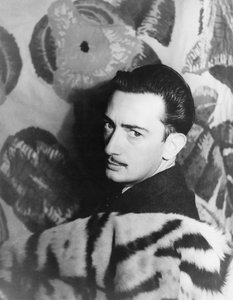
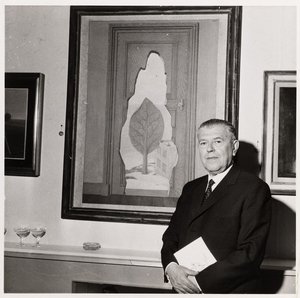
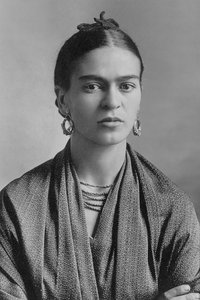
Portrait of René Magritte

René Magritte

1898–1967 · Belgium · 12

Belgian Surrealist known for placing ordinary objects in unexpected contexts, creating dreamlike tension through unsettling juxtapositions.

2. False Mirror, 4. The Son of Man, 9. Time Transfixed, 12. The treachery of images (This is not a pipe), 16. The seductive, 18. The Lovers, 24. The Menaced Assassin, 38. The Human Condition, 47. Personal Values, 60. The Big Family, 79. The Empire of Light, 98. Clairvoyance

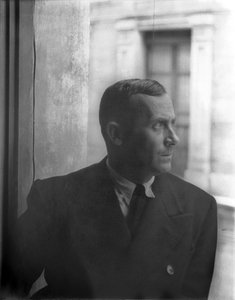
Portrait of Joan Miró

Joan Miró

1893–1983 · Spain · 10

Spanish Surrealist known for biomorphic shapes and a symbolic, dreamlike visual language that bridges the gap between the seen and the imagined.

7. Catalan Landscape (The Hunter), 15. Harlequin's Carnival, 23. The Farm, 33. Still Life with Old Shoe, 42. Dutch Interior I, 50. The Smile of the Flamboyant Wings, 59. Blue II, 68. Dancer, 80. The Birth of the World, 87. Painting

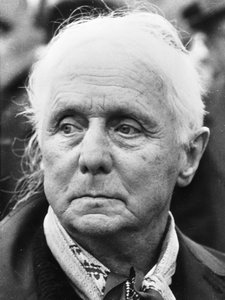
Portrait of Max Ernst

Max Ernst

1891–1976 · Germany · 9

German Surrealist pioneer of frottage and collage who used bird-like alter egos and textured rubbings to map the irrational mind.

13. The Elephant Celebes, 21. The Entire City, 27. Of This Men Shall Know Nothing, 46. The Angel of Hearth & Home, 52. The Eye of Silence, 61. Temptation of St. Anthony, 72. The Robing of the Bride, 83. Surrealism and Painting, 94. Les dieux obscurs

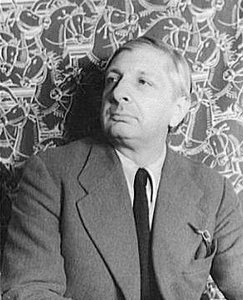
Portrait of Giorgio de Chirico

Giorgio de Chirico

1888–1978 · Greece · 6

Greek-born Italian founder of Metaphysical art, known for haunting, dreamlike town squares, long shadows, and uncanny mannequins.

32. Hector and Andromache, 37. The Uncertainty of the Poet, 49. The Child's Brain, 66. The Great Metaphysician, 90. Great Metaphysical Interior, 97. Turin Spring

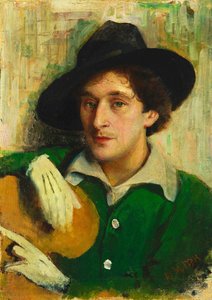
Portrait of Marc Chagall

Marc Chagall

1887–1985 · Belarus · 5

Russian-born modernist of dreamlike symbolism and vibrant colors, featuring flying lovers and scenes from Jewish folklore in a poetic style.

11. Over the town, 31. The Green Violinist, 45. Song of Songs III, 74. The Falling Angel, 82. The Wedding Candles

+20more painters represented Top Surrealism Artists Ranked list

FAQ

Famous Surrealism paintings — FAQ

Point at a question for the answer.

What are the 10 most famous Surrealism paintings?

How much is a reproduction of a famous Surrealism painting?

Yes: 19 of the 100 can be ordered as a hand-painted oil reproduction, from $170, and 19 as a canvas print, from $42.

Were Surrealism paintings done in oil?

90 of the 100 are oil paintings, 2 use tempera and 0 are frescoes; 0 are painted on wood and 73 on canvas.

How is this ranking made?

By recognition: Wikipedia articles in the most languages (Wikidata sitelinks), our manual ranking and page visits. Several records of one painting count once; details, copies and studies are excluded.

Order

19 paintings available as oil reproductions

19 of the 100 are in stock as hand-painted oil reproductions, from $170. Trade and volume orders welcome.

The Disintegration of Persistence of Memory by Salvador DalíFalse Mirror by René MagritteThe Two Fridas by Frida KahloThe Son of Man by René MagritteThe Elephants by Salvador Dalí

Shop Surrealism paintings

Ranking method

Which paintings: all Surrealism paintings in our catalogue. In which order: the best-known first — counted by Wikipedia articles in different languages, our own ranking and page visits. Each painting once; no details, copies or studies.

Other movements

Paintings by period