



Origins and History of the National Gallery
The roots of the National Gallery trace back to 1796. The institution began through the patriotic vision of Bohemian aristocrats and intellectuals who sought to cultivate artistic appreciation within their lands. This early effort was driven by a group of prominent representatives of the Bohemian patriotic aristocracy, including the Kolowrat, Sternberg, and Nostitz families, alongside middle-class intellectuals. Their objective was to establish a foundation for the preservation of cultural heritage in the region.
While the institution's story began in the late 18th century, its modern structure was formed later. In 1920, the National Gallery was established from the amalgamation of several existing institutions. This unification consolidated various collections into a single entity, allowing for a more cohesive management of the art held within the Czech lands. The gallery has since expanded its reach, evolving from these initial collections into a significant custodian of both local and international art.
The Architecture and Historic Palaces
The architecture is as integral to the experience as the art itself. Rather than occupying a single structure, the gallery breathes across Prague, inhabiting a constellation of historic palaces. This distribution allows the works to exist within specific historical contexts, where the physical environment influences the perception of the collection. The buildings act as portals to different eras, ranging from Renaissance structures to functionalist monuments.
The Schwarzenberg Palace is a Renaissance building located in Prague. In contrast, the Trade Fair Palace represents a different architectural movement. Completed in 1928, this striking monument to functionalist architecture was once the largest building of its kind in the world. Its vast, light-filled spaces provide a specific setting for modern and contemporary works, creating a dialogue between international trends and the local expression of the 20th century.
Other locations offer more intimate or ornate settings. The Kinský Palace features intricate stucco ceilings and opulent interiors. The diversity of these spaces—from the imposing lines of the Trade Fair Palace to the refined details of the Kinský Palace—ensures that the architectural setting remains a constant presence in the viewing of the collection. Each site contributes a unique atmosphere to the institutional presence in the city.
The Collection of Old Masters
The collection of the National Gallery includes significant works from the Early Medieval and Renaissance periods. These pieces are primarily housed within the Convent of St Agnes of Bohemia, which contains art of the Middle Ages from Bohemia and Central Europe. The selection spans the Early Modern and Baroque eras, providing a continuous view of European artistic development.
The Sternberg Palace holds the core of the European painting collection, featuring works from the 14th to the 18th centuries. This space allows for a direct examination of the stylistic shifts occurring across these five centuries. The arrangement focuses on the evolution of form and technique within the European tradition.
- Christ, 1590 - El Greco
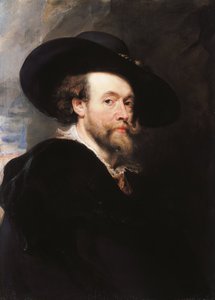
- St. Augustine, 1638 - Peter Paul Rubens
- Jasper Schade, 1645 - Frans Hals I
Modern and Contemporary Art Collections
The Trade Fair Palace houses the National Gallery's collection of modern art. This building, a monument to early 20th-century innovation, provides the setting for works from the 19th, 20th, and 21st centuries. The architecture supports the presentation of revolutionary movements that defined modernism, creating a dialogue between the functionalist structure and the art it contains.
The holdings include significant examples of Expressionism and Post-impressionism. These movements are represented through a variety of media, reflecting the shifts in artistic thought during these periods. The collection focuses on the evolution of style and the technical advancements of the modern era.
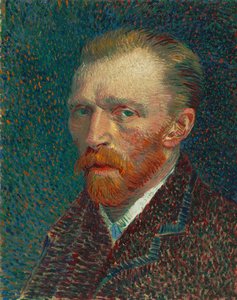
- Green Wheat Field with Cypress, 1889 - Vincent Willem Van Gogh
- The Gardens of l'Hermitage, Pontoise, 1867 - Camille Pissarro
- Charing Cross Bridge, London, 1890 - Camille Pissarro
- Portrait of Joachim, 1896 - Paul Cézanne
- House and Farm at Jas de Bouffan, 1889 - Paul Cézanne
- Self Portrait with a Glass, 1907 - Lovis Corinth
Masterpieces of the National Gallery
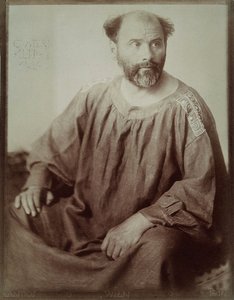
The collection contains significant works from the evolution of European art. Among the most prominent is Alfons Mucha’s Slav Epic, a monumental cycle consisting of twenty canvases. This series remains a central highlight of the institution's holdings. The gallery also holds works by Gustav Klimt, including Hope I, painted about 1903.
The modern and contemporary sections feature several influential figures. Visitors find works by Vincent Willem Van Gogh, such as Green Wheat Field with Cypress, 1889, and Wheatfield with Cypress, 1889. The collection includes pieces by Pablo Picasso and Henri Matisse. These works are often displayed within the functionalist architecture of the Trade Fair Palace.
The holdings of the Old Masters include paintings by Rembrandt and El Greco. The institution maintains a diverse range of styles, from the spiritual intensity of the 16th century to the developments of the 20th century. Specific notable works include:
- Christ, 1590 - El Greco
- St. Augustine, 1638 - Peter Paul Rubens
- The Virgin, 1913 - Gustav Klimt
- Portrait of Joachim, 1896 - Paul Cézanne
Exhibitions and Research
The institution maintains a continuous cycle of temporary exhibitions designed to explore diverse themes and specific artists. These programs frequently introduce new voices to the public, expanding the dialogue between established traditions and contemporary expression. By rotating these displays, the gallery ensures that the spaces within the various palaces remain active sites of cultural inquiry.
Research and scholarship drive the evolution of the collection. This ongoing academic work allows the gallery to acquire new works and refine the understanding of existing holdings. A significant portion of recent scholarly focus has been directed toward Czech modernism, examining the specific contributions of artists who shaped the regional avant-garde. This commitment to research ensures the collection remains a living entity rather than a static assembly of objects.
- Edith and Egon: Iconic Drawings of Egon Schiele


