Záruka vrácení peněz · 100 dní Doprava po celém světě zdarma
646 446umělecká díla 53 409umělci 5 406muzea 32jazyky

The Ukiyo-e shortlist

Famous Ukiyo-e Umělci — Top 39 List

Hokusai Kacušika (1760–1849) is the most famous Ukiyo-e umělec, best known for Velká vlna Kanawagy a 富嶽三十六景 凱風快晴. Then Hirošige, Utamaro Kitagawa, Yoshitoshi Taiso a Kijonaga Torii. The list covers 39 umělci born between 1618 and 1880 in 2 countries, from Hishikawa Moronobu to Goyō Hashiguchi.

Method. Scope: artists filed under Ukiyo-e in our catalogue. Order: our artist fame ranking. Excluded: artists born after 1955 without a Wikidata identifier. Wikipedia figure: languages with an article, out of our 32.

  1. Velká vlna Kanawagy od Hokusai Kacušika1Hokusai Kacušika
  2. Early Department from a Daimyo od Hirošige2Hirošige
  3. Courtesan or Kneeling Lady with Fan from the series Seasonal Poems Composed by Famous Women od Utamaro Kitagawa3Utamaro Kitagawa

Key data

Ukiyo-e: key data

  • 39Umělci
  • 1618–1880Roky narození
  • 2Země narození
  • 0Ženy
  • 1Živí umělci
  • 5 896Díla v našem katalogu
Města s nejvyšším počtem narozených
Edo (8), Tokyo (8), Tokio (3), Osaka (2)
Muzea s největším počtem klíčových děl
Bujalance Collection (11), Metropolitan Museum of Art (10), Keio University Library (10), Minneapolis Institute of Art (5)

Ranked list

39 Ukiyo-e Umělci, ranked with key works

1/ 39

Hokusai Kacušika

Japonec b. Hondžo Ukiyo-e Wikipedia 32/32
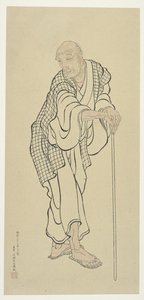
Hokusai Kacušika

Již v šesti letech skicuje, poháněn hladem, který jeho otec, Nakajima Ise, sice rozpoznává, ale nedokáže plně nasměrovat. Ve dvanácti letech vstupuje do dílny Katsukawa Shunshō, kde se učí náročné preciznosti dřevorytu ukiyo-e. Kolem roku 1831 se objevuje série Třicet šest pohledů na horu Fuji, která zásadně mění rozsah japonského umění dřevorytu.

Key works · Top 100 works

2/ 39

Hirošige

Japonský b. Edo *Ukiyo-e* Wikipedia 30/32

Hirošige

Původně určený pro konvenčnější cestu do samurajské rodiny – jeho otec sloužil jako strážce ohně –, Hiroshigeho umělecké sklony ho vedly k stáže u Utagawy Toyohiro, mistra školy Utagawa.

Trained by Utagawa Toyohiro #26

Key works · Top 100 works

3/ 39

Utamaro Kitagawa

Japonský b. Kawagoe *Ukiyo-e* Wikipedia 27/32

Utamaro Kitagawa

Věří se, že se kolem roku 1753 narodil jako Kitagawa Ichitarō, přestože jeho místo narození zůstává nejisté; navrhována jsou různá místa včetně Kjóta, Ósaky, Yoshiwara (Edo) či Kawagoe. V roce 1782 spojil Utamaro své síly s vydavatelem Tsutaya Jūzaburō, což znamenalo zlomový okamžický v jeho kariéře.

Key works · Top 100 works

4/ 39

Yoshitoshi Taiso

Japonec b. Edo Ukiyo-e Wikipedia 15/32

Yoshitoshi Taiso

Narodil se jako Owariya Yonejiro dne 30. dubna 1839, muž, který se později proslavil pod jménem Tsukioka Yoshitoshi, vstoupil do světa v neustálém pohybu. Narodil se jako Owariya Yonejiro ve čtvrti Shimbashi starého Edo, a chlapec, který se později stal známým jako Tsukioka Yoshitoshi, vyrůstal v domácnosti, kterou formovala společenská ambice. V roce 1850, ve jedenácti letech, vstoupil do přísného učňovství pod vedením mistra Utagawa Kuniyoshi.

Key works · Top 100 works

5/ 39

Kijonaga Torii

Japonský b. Edo Ukiyo-e Wikipedia 16/32

Kijonaga Torii

Narodil se jako Sekiguchi Shinsuke v roce 1752 v pulzujícím srdci Edo (dnešní Tokio) a Torii Kiyonaga se vyvinul jako jeden z nejslavnějších mistrů ukiyo-e, tedy „obrázků svítejícího se světa“. Jako syn knihovníka měl Kiyonaga v raném věku přístup k kulturním proudům společnosti Edo, což v něm podpořilo hluboký vztah k živoblivým zábavním čtvrtím a vytříbenému vkusu tehdejšího lidu.

Key works · Top 100 works

6/ 39

Kunijoši Utagawa

Japonský b. Tokyo Ukiyo-e Wikipedia 24/32

Kunijoši Utagawa

The breakthrough came in 1827 with the release of The One Hundred and Eight Heroes of the Popular Suikoden, a monumental series based on the Chinese novel Shui Hu Zhuan.

Trained by Utagawa Toyokuni I #13 · Trained Utagawa Yoshitora #32, Kawanabe Kyōsai #11

Key works · Top 100 works

7/ 39

Harunobu Suzuki

Japonec b. Edo Ukiyo-e Wikipedia 21/32

Harunobu Suzuki

Narodil se kolem roku 1725 a jeho rodinná historie byla poznamenána vyhnanstvím; jak jeho otec Shigekazu, tak dědeček Shigemitsu, byli vyhnáni z Edo do Kiota. Jeho raná tvorba vykazuje hluboký vliv několika zavedených škol a umělců. Čerpal ze stylů Torii Kiyomitsu a Ishikawa Toyonobu, přičemž zároveň vstřebával prvky ze škol Kawamata a Kanō.

Key works · Top 100 works

8/ 39

Hishikawa Moronobu

Japonec b. Hota Ukiyo-e Wikipedia 20/32

Hishikawa Moronobu

Hishikawa Moronobu, narozen v Edo (dnešní Tokio) v roce 1618, představuje klíčovou postavu v historii japonského umění. Období Edo (1603–1868) bylo svědkem rozkvětu městské kultury, poháněného ekonomickým prosperitou a relativním mírem. Jeho dílo v sobě sjednotilo různé japonské umělecké styly – od vyvážené elegance malířské školy Kanō, přes dekorativní švihl ilustrací školy Tosa, až po dynamickou energii populárního divadla – a tyto vlivy propojil do jedinečné a přístupné estetiky.

Key works · Top 100 works

9/ 39

Kunisada

Japanese b. Edo Ukiyo-e Wikipedia 17/32

Kunisada

Utagawa Kunisada, narozený jako Sumida Shōgorō IX ve živoucí čtvrti Honjo v Japonsku, stojí jako pravděpodobně nejslavnější umělec ukiyo-e 19. století. Jeho neuvěřitelné tvůrčí množství a bezprecedentní komerční úspěch upečetily jeho postavení mezi giganty své doby – Hiroshige, Hokusai a Kuniyoshi – a ugruntovaly jeho status nepochybného šampiona barevného dřevorytu během období Edo.

Trained by Utagawa Toyokuni I #13

Key works · Top 100 works

10/ 39

Chobunsai Eishi

Japonská b. Tokio Ukiyo-e, Bijin-ga Wikipedia 11/32

Chobunsai Eishi

Chobunsai Eishi (1756–1829), známý také jako Hosoda Tokitomi, představuje klíčovou postavu v živobném světě japonského umění období Edo. Jeho raná léta byla poznamenána službou na dwore Tokugawa, pozici, kterou v roce 1789 opustil, aby se plně oddal své vášni: zachycení vyjádřetné krásy žen a evokativních příběhů klasické literatury. Jeho dědeček, Hosoda Tokitoshi, sloužil jako finanční ministr šógunátu, což zajistilo jeho rodině postojné postavení v rámci císařského systému.

Key works · Top 100 works

11/ 39

Kawanabe Kyōsai

Japanese b. Koga Ukiyo-e, Caricature, Manga pioneer Wikipedia 10/32

Kawanabe Kyōsai

Kawanabe Kyōsai entered the world in 1831 in Koga, born into a samurai family. This early shock preceded a formal education under the masters of the Kanō school and Utagawa Kuniyoshi. He moved to Edo, where his father joined the official firefighters of the Shogunate, and there, Kyōsai began to develop a persona that would define his career.

Key works · Top 100 works

12/ 39

Keisai Eisen

Japanese b. Edo Bunsei Era Ukiyo-e Wikipedia 15/32

Keisai Eisen

In the vibrant, flickering light of 19th-century Edo, few artists captured the pulse of the "floating world" with as much evocative intensity as Keisai Eisen. This shift defined the aesthetic of the Bunsei era (1818–1830), a period often characterized by its decadent and psychologically complex atmosphere. In works such as his depictions of Fukaya Station or Ageo Station, he transformed mere topographical records into cinematic snapshots of life in motion.

Key works · Top 100 works

13/ 39

Utagawa Toyokuni I

Japanese b. Shiba Ukiyo-e Wikipedia 13/32

Utagawa Toyokuni I

Unlike some artists blessed with immediate, innate talent, Toyokuni appears to have been a dedicated student, meticulously absorbing the techniques and aesthetics of those who preceded him.

Trained Utagawa Kunimasa #15, Utagawa Toyokuni II #35

Key works · Top 100 works

14/ 39

Hiroshige I (Utagawa)

Japanese b. Tokyo Ukiyo-e

Hiroshige I (Utagawa)

Hiroshige I, Utagawa & Kiemon, Tsuruya, tento významný japonský tvůrce ukiyo-e, je nejvíce proslulý svými krajinnými výjevy, jako jsou Padesát tři stanic Tokaidó či Šedesát devět stanic Kisokaidó. Umělecký projev Hiroshigeho I, Utawagy & Kiemona, Tsuruyi je definován použitím živých barev a precizních detailů při zachycování krajiny.

Key works · Top 100 works

15/ 39

Utagawa Kunimasa

Japonský b. Aizuwakamatsu Utagawa škola

Utagawa Kunimasa

His apprenticeship under Toyokuni wasn’t merely about technical skill; it instilled in him an understanding of the broader aesthetic goals of ukiyo-e—to capture fleeting moments of beauty and emotion with unparalleled precision. The Shintomiza Joruri, Constitution Festival Picture is another remarkable achievement, demonstrating Kunimasa’s talent for capturing complex narratives within a single image.

Key works · Top 100 works

18/ 39

Utashige

Japanese Ukiyo-e

Utashige

This quiet revolution – a departure from the more flamboyant styles of his predecessors – established Hiroshige as a uniquely sensitive and poetic artist, whose work continues to inspire awe and contemplation centuries later.

Key works · Top 100 works

19/ 39

Miyagawa Chōshun

Japanese b. Miyagawa Ukiyo-e Wikipedia 9/32

Miyagawa Chōshun

His subjects—often the elegant courtesans of the pleasure districts—were depicted with a fuller, more voluptuous grace than the slender, stylized figures seen in the works of later artists like Harunobu.

Key works · Top 100 works

21/ 39

Isoda Koryūsai

Japanese b. Tokyo Ukiyo-e Wikipedia 10/32

Isoda Koryūsai

In the vibrant, bustling heart of the Edo period, a golden age of Japanese creativity, few names resonate with as much elegance and prolific energy as Isoda Koryūsai. Born in 1735 in the burgeoning metropolis of Tokyo—then known as Edo—Koryūsai was a man shaped by the dualities of his era.

Key works · Top 100 works

23/ 39

Kobayashi Kiyochika

Japonština b. Tokio Ukiyo-e, Kōsen-ga Wikipedia 10/32

Kobayashi Kiyochika

Narodil se v Tokiu v roce 1847, v závěrečných dnech japonského období Edo, a Kobayashi Kiyochika se vyvinul jako klíčová postava uměleckého přechodu své země. Váha rodinné zodpovědnosti dopadla na mladého Kiyochiku po smrti jeho otce v roce 1862, což ho přimělo se přizpůsobit a vykrajovat si vlastní cestu.

Trained by Kawanabe Kyōsai #11

Key works · Top 100 works

24/ 39

Adachi Ginko

Japanese Ukiyo-e

Adachi Ginko

In the vibrant, transformative era of the late Meiji period, few artists captured the shifting soul of Japan as vividly as Adachi Ginkō. Born in 1853, a time when the traditional structures of the Edo period were beginning to yield to the rapid modernization of the West, Ginkō emerged as a master of the Ukiyo-e tradition.

Key works · Top 100 works

25/ 39

Toyohara Chikanobu

Japanese Shin-hanga

Toyohara Chikanobu

In the twilight of the Edo period and the dawn of a modernizing Japan, few artists captured the profound tension between tradition and transformation as masterfully as Toyohara Chikanobu.

Key works · Top 100 works

26/ 39

Utagawa Toyohiro

Japanese b. Toyooka Ukiyo-e Wikipedia 8/32

Utagawa Toyohiro

In the vibrant tapestry of the Edo period, few names resonate with the quiet elegance and technical mastery of Utagawa Toyohiro. Born as Okajima Tōjiro in Toyooka, Japan, this distinguished artist emerged as a pivotal figure within the renowned Utagawa school.

Key works · Top 100 works

27/ 39

Mizuno Toshikata

Japanese b. Tokyo Ukiyo-e, Kuchi-e

Mizuno Toshikata

Unlike the often-dramatic compositions favored by Yoshitoshi, Toshikata's works are imbued with an understated elegance and a profound sense of sentimentality. Several notable works by Mizuno Toshikata can be found in prestigious collections, including those at the Keio University Library and the Meiji Jingu Forest Festival of Art.

Key works · Top 100 works

28/ 39

Ishikawa Toyonobu

Japanese b. Tokyo Ukiyo-e (Lacquer Print Art) Wikipedia 7/32

Ishikawa Toyonobu

Among them stands Nishimura Shigenobu, also known as Ishikawa Toyonobu (1711–1785), a figure whose work embodies both the elegance and subtle sensuality characteristic of early ukiyo-e. He is often considered to have been the same person as Nishimura Shigenobu, a contemporary artist and student of Nishimura Shigenaga. Toyonobu’s artistic education began under the tutelage of Nishimura Shigenaga, a pupil of the renowned Okumura Masanobu.

Key works · Top 100 works

29/ 39

Kogyo Sakamaki

Japanese Noh Theatre Prints

Kogyo Sakamaki

His prints continue to be studied by scholars and admired by collectors alike, serving as invaluable documents of Noh theatre’s cultural history and embodying the artistic ideals of the Meiji era—a testament to Sakamaki’s enduring legacy as a master of ukiyo-e and a poet of Japanese tradition.

Key works · Top 100 works

32/ 39

Utagawa Yoshitora

Utagawa Yoshitora

His artistic journey unfolded under several names – Ichimōsai Yoshitora, Kinchōrō Yoshitora, and Mosai Yoshitora – a practice not uncommon among ukiyo-e artists who adopted different art names throughout their careers to mark stylistic shifts or periods of production.

Key works · Top 100 works

34/ 39

Kunisada Utagawa II.

Japonský b. Tokio Ukiyo-e (yakusha-e) Wikipedia 6/32

Kunisada Utagawa II.

prohlédněte si díla Utagawy Kunisady II na AllPaintingsStore.com. objevte Muzeum moderního umění v Hokkaido (Japonsko) na AllPaintingsStore.com. objevte malby Nonoyama Kōzana na AllPaintingsStore.com.

Key works · Top 100 works

35/ 39

Utagawa Toyokuni II

Japanese Ukiyo-e Wikipedia 4/32

Utagawa Toyokuni II

Hiroshige's fame rests largely upon his monumental Tokaido series (1830–1832), a meticulously planned depiction of the 67 stations along Japan’s ancient pilgrimage route from Edo to Kyoto.

Trained by Utagawa Toyokuni I #13

Key works · Top 100 works

37/ 39

Utagawa Kunitsuna Ii, Ichiransai, Sadashige

Japanese Ukiyo-e

Utagawa Kunitsuna Ii, Ichiransai, Sadashige

Pinpointing Kunitsuna’s artistic lineage proves challenging due to the limited documentation surrounding his early career.

Key works · Top 100 works

38/ 39

Utagawa Yoshikazu

Japanese b. Edo Ukiyo-e, Yokohama-e Wikipedia 3/32

Utagawa Yoshikazu

He demonstrated a particular mastery of capturing textures and materials, from the sheen of Western fabrics to the rough surfaces of Japanese buildings. Among Yoshikazu’s most celebrated works are prints like “ American Family Print ” (1861) and “ Modern Ups and Downs Contests: Yokohama Merchants Referee (between) Entertainers and Non-workers,” which vividly portray the social dynamics of Yokohama during this period.

Key works · Top 100 works

39/ 39

Shunkōsai Hokushū

Japanese b. Osaka Kamigata-e Wikipedia 3/32

Shunkōsai Hokushū

The Osaka Style Emerges: Unlike the Edo-period’s dominant trend of producing prints in Tokyo, Hokuchō remained firmly rooted in Osaka. Osaka’s Artistic Landscape: Hokuchō's artistic output reflects Osaka’s position as a center of theatrical culture during the early 19th century.

Key works · Top 100 works

Best-known works

Famous Ukiyo-e paintings by artist

  1. Velká vlna Kanawagy od Hokusai Kacušika

    Velká vlna Kanawagy

    Hokusai Kacušika

    1831

  2. Early Department from a Daimyo od Hirošige

    Early Department from a Daimyo

    Hirošige

    Nakagawa-machi Bato Hiroshige Museum of Art, Nagasaki

  3. Courtesan or Kneeling Lady with Fan from the series Seasonal Poems Composed by Famous Women od Utamaro Kitagawa

    Courtesan or Kneeling Lady with Fan from the series Seasonal Poems Composed by Famous Women

    Utamaro Kitagawa

    1790 · Hill-Stead Museum, Farmington

  4. Kingio Hideaki From Kaidai Hyaku Senso od Yoshitoshi Taiso

    Kingio Hideaki From Kaidai Hyaku Senso

    Yoshitoshi Taiso

  5. Beauty in Summer Breeze od Kijonaga Torii

    Beauty in Summer Breeze

    Kijonaga Torii

    701 · Metropolitan Museum of Art, New York

  6. Musashi on the back of a whale od Kunijoši Utagawa

    Musashi on the back of a whale

    Kunijoši Utagawa

  7. Making The Rooster Drunk To Prevent His Crowing At Dawn od Harunobu Suzuki

    Making The Rooster Drunk To Prevent His Crowing At Dawn

    Harunobu Suzuki

  8. Standing Beauty od Hishikawa Moronobu

    Standing Beauty

    Hishikawa Moronobu

    1656 · Metropolitan Museum of Art, New York

Chronology

Ukiyo-e chronology

  1. 1656
  2. 1785
  3. 1790
  4. 1809
  5. 1825
  6. 1827
  7. 1831
  8. 1850
  9. 1855
  10. 1857
  11. 1858
  12. 1867
  13. 1870
  14. 1888

Statistics

Counts by country, period and museum

Index

Full list of 39 famous Ukiyo-e umělci

  1. 1Hokusai KacušikaHokusai KacušikaJaponec · 1760–1849
  2. 2HirošigeHirošigeJaponský · 1797–1858
  3. 3Utamaro KitagawaUtamaro KitagawaJaponský · 1753–1806
  4. 4Yoshitoshi TaisoYoshitoshi TaisoJaponec · 1839–1892
  5. 5Kijonaga ToriiKijonaga ToriiJaponský · 1752–1815
  6. 6Kunijoši UtagawaKunijoši UtagawaJaponský · 1798–1861
  7. 7Harunobu SuzukiHarunobu SuzukiJaponec · 1724–1770
  8. 8Hishikawa MoronobuHishikawa MoronobuJaponec · 1618–1694
  9. 9KunisadaKunisadaJapanese · 1786–1865
  10. 10Chobunsai EishiChobunsai EishiJaponská · 1756–1829
  11. 11Kawanabe KyōsaiKawanabe KyōsaiJapanese · 1831–1889
  12. 12Keisai EisenKeisai EisenJapanese · 1790–1848
  13. 13Utagawa Toyokuni IUtagawa Toyokuni IJapanese · 1769–1825
  14. 14Hiroshige I (Utagawa)Hiroshige I (Utagawa)Japanese · 1797–1858
  15. 15Utagawa KunimasaUtagawa KunimasaJaponský · 1773–1810
  16. 16Nishikawa SukenobuNishikawa SukenobuJapanese · 1671–1750
  17. 17SharakuSharakuJapan ·
  18. 18UtashigeUtashigeJapanese ·
  19. 19Miyagawa ChōshunMiyagawa ChōshunJapanese · 1683–1753
  20. 20Goyō HashiguchiGoyō HashiguchiDutch · 1880–1921
  21. 21Isoda KoryūsaiIsoda KoryūsaiJapanese · 1735–1790
  22. 22Ogata GekkoOgata GekkoJapanese · 1859–1920
  23. 23Kobayashi KiyochikaKobayashi KiyochikaJaponština · 1847–1915
  24. 24Adachi GinkoAdachi GinkoJapanese · narozen 1853
  25. 25Toyohara ChikanobuToyohara ChikanobuJapanese · 1838–1912
  26. 26Utagawa ToyohiroUtagawa ToyohiroJapanese · 1773–1828
  27. 27Mizuno ToshikataMizuno ToshikataJapanese · 1866–1908
  28. 28Ishikawa ToyonobuIshikawa ToyonobuJapanese · 1711–1785
  29. 29Kogyo SakamakiKogyo SakamakiJapanese · 1869–1927
  30. 30HokkeiHokkei1780–1850
  31. 31SadatoraSadatoraJapanese ·
  32. 32Utagawa YoshitoraUtagawa Yoshitora
  33. 33Toyohara KunichikaToyohara KunichikaJaponský · 1835–1900
  34. 34Kunisada Utagawa II.Kunisada Utagawa II.Japonský · 1823–1880
  35. 35Utagawa Toyokuni IIUtagawa Toyokuni IIJapanese · 1777–1835
  36. 36Utagawa YoshitakiUtagawa YoshitakiJapanese · 1841–1899
  37. 37Utagawa Kunitsuna Ii, Ichiransai, SadashigeUtagawa Kunitsuna Ii, Ichiransai, SadashigeJapanese ·
  38. 38Utagawa YoshikazuUtagawa YoshikazuJapanese ·
  39. 39Shunkōsai HokushūShunkōsai HokushūJapanese ·

FAQ

Ukiyo-e: quick answers

Guides

AllPaintingsStore.com guides

Other lists

Famous artists by movement

By period

Famous artists by period

Related lists

Related rankings