


 Se i rummet
 Send
Send Del
Del
 Detaljer
 Studieguide til kunstværker

 Download
 Lignende værker
 Røntgenundersøgelse
 Se diasshow
 Statistik
A Festive Repast

 Læs mere
Giclée / Kunsttryk
Giclée- eller lærredstryk i museumskvalitet med hurtig produktion og fleksible muligheder for finish. ( Bestil håndmalet reproduktion Skift til digitalt billede)




P118B Dkr10

P118H Dkr10

P118W Dkr10

P438Z Dkr10

P508JH Dkr12

P508YH Dkr12

P805H Dkr10

P805Z Dkr10

P919BZ Dkr10

P919G Dkr10

P919XJ Dkr10

P959ZH Dkr10

P968JZ Dkr12

W106C Dkr8

W218G Dkr10

W218JH Dkr8

W218Y Dkr10

W307PJ Dkr10

W316G Dkr10

W316PJ Dkr8

W316Y Dkr10

W398PJ Dkr8

W4111J Dkr10

W500HY Dkr15

W500JH Dkr15

W692G Dkr12

W849H Dkr8

W940BG Dkr15

W953PJ Dkr8




Vælg mellem vores forudindstillede størrelser, der matcher kunstværkets originale proportioner.

Indtast den bredde og højde, du har brug for, så det passer til din ramme eller din væg. Et print kan kun beskæres, aldrig gøres større end billedet, så en størrelse med en anden form vil miste en del af motivet. Vi sender dig en digital mockup til godkendelse, før vi printer noget. Billedet vist på denne side viser ikke den faktiske beskæring — det er kun mockuppen, der gør.
Verdensomspændende levering () på 2 uger i stedet for de sædvanlige 4/5 uger. (26 oktober)

Gratis ekspresforsendelse til hele verden

Lærred af linned i høj kvalitet

Komplet transportforsikring

Garanti for refusion af told og importafgifter

Garanti for autentisk farvegengivelse

100 dages returret ved fabrikationsfejl

100% fuld returret

Mængderabat ved flere køb
 Glasmulighed er kun tilgængelig i størrelser under 110 cm

A Festive Repast
Giclée / Kunsttryk
Reproduktionsstørrelse
-


Samlet pris
Dkr 426
Lignende kunstværker


Om kunstneren
The Shadow of Industry: Exploring the Art of William Frederick Lutzenberger (1800-1868)
William Frederick Lutzenberger, born in 1800 and tragically passing away in 1868, stands as a pivotal yet often overlooked figure within the burgeoning landscape art scene of mid-19th century England. His work, characterized by a remarkable blend of Romantic idealism and a growing awareness of industrial realities, offers a poignant reflection on the changing relationship between humanity and nature during a period of unprecedented transformation. Lutzenberger’s artistic journey is one marked by both quiet contemplation and a subtle, almost melancholic, engagement with the dramatic shifts occurring across his nation.Early Life and Artistic Training
Lutzenberger's early life remains somewhat shrouded in mystery, though it’s understood he was born into a modest family in London. Unlike many artists of his era who benefited from established patronage or formal training within the Royal Academy, Lutzenberger largely self-taught. He began his artistic career as a lithographer, a skill that undoubtedly informed his meticulous attention to detail and his ability to capture subtle tonal variations – qualities he would later apply with great success to landscape painting. This early experience also exposed him to the burgeoning printmaking industry, an environment increasingly shaped by industrial processes, which subtly influenced his later artistic sensibilities. He began exhibiting his work in London’s art circles around 1830, initially focusing on topographical scenes and studies of rural life.A Romantic Vision – Early Landscapes
Lutzenberger's early works firmly establish him within the Romantic tradition. His paintings frequently depict vast, atmospheric landscapes—rolling hills, dramatic skies, and serene waterways—evoking a sense of sublime beauty and spiritual connection with nature. Influenced by artists like Turner and Constable, Lutzenberger skillfully employed light and shadow to create mood and atmosphere, capturing the fleeting effects of weather and time. Paintings such as *The River Thames at Marlow* (circa 1835) and *A Woodland Scene* (1840) demonstrate his mastery of depicting natural beauty with a delicate touch and an appreciation for the subtle nuances of color. These works were highly regarded in their time, showcasing a romantic sensibility that resonated with audiences seeking solace and inspiration in the face of industrialization.The Weight of Progress: A Shift in Subject Matter
As the 1840s progressed, Lutzenberger’s artistic focus began to subtly shift. While he continued to paint idyllic landscapes, a growing awareness of the impact of industrialization on the English countryside became increasingly evident in his work. He started incorporating scenes depicting factories, canals, and railway lines—not as romanticized vistas, but often with a sense of unease or melancholy. Paintings like *The Canal at Birmingham* (1852) and *A Mill Scene* (1857) reveal a more critical perspective on the rapid changes transforming England’s landscape. These works are not celebratory depictions of progress; instead, they convey a feeling of displacement and loss—a sense that something precious is being sacrificed in the name of industrial advancement.Legacy and Historical Significance
William Frederick Lutzenberger's contribution to 19th-century art lies primarily in his ability to capture the complex emotional landscape of a nation undergoing profound transformation. He wasn’t a flamboyant revolutionary, but rather a quiet observer who subtly embedded social commentary within his landscapes. His work serves as a valuable historical document, offering insights into the anxieties and uncertainties experienced by many during this period. While he may not be as widely celebrated as some of his contemporaries, Lutzenberger's paintings—particularly those reflecting the impact of industrialization—remain remarkably poignant and offer a unique perspective on a pivotal moment in English history. His legacy is one of understated observation, quiet reflection, and a subtle yet powerful critique of progress.
George Cattermole
1800 - 1868 , United Kingdom
Hurtige fakta
- Nationality: WahooArt
- Date Of Birth: 1800
- Date Of Death: 1868
- Place Of Birth: Dickleburgh, United Kingdom
- Artistic Movement Or Style: 19th Century Art
- Artists Who Influenced This Artist:
- Caspar David Friedrich
- J.M.W. Turner
- John Constable
- Artists Or Movements Influenced By This Artist: ['Later artists through WahooArt reproductions']
Relaterede artikler

Oil on Canvas: A Historical & Technical Exploration of a Timeless Artistic Medium
Explore the rich history & enduring techniques of oil painting on canvas. Discover the science behind its longevity, conservation practices, and contemporary relevance. Expert insights for art enthusiasts.

Georges Seurat: Top 25 Kunstværker – Impressionisme & Pointillism til Dit Hjem
Oplev Georges Seurats 25 mest ikoniske værker! Fordyb dig i impressionismens og pointillismens verden. Find inspiration til din boligindretning med museumskvalitets kunsttryk på AllPaintingsStore.com. Udforsk samlingen online.

The Enduring Power of Painting: A Historical & Contemporary Exploration of Form and Emotion
Explore the rich history & enduring techniques of oil painting with AllPaintingsStore. Discover masterpieces, learn about art collecting, and find authentic handmade reproductions crafted by skilled artists.

The Enduring Legacy of Oil on Canvas: Technique, History & Aesthetic Impact
Explore the rich history & techniques of oil painting – from Renaissance masters to Impressionism. Discover pigments, layering methods, and why this timeless medium endures. Expert insights for artists & art enthusiasts.
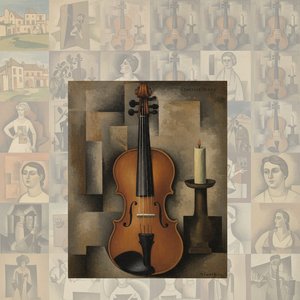
Georges Braques Mesterværker: Top 25 Kunstværker til Din Bolig
Oplev Georges Braques 25 mest ikoniske kunstværker! Dyk ned i kubismens verden, fra stilleben til analyse af form og farve. Find inspiration & køb eksklusive reproduktioner på AllPaintingsStore.com – museumskvalitet til dit hjem.

