


 Se i rummet
 Del som kort
 Del
Del
 Detaljer
 Guide
Guide

 Download
 Lignende værker
 Røntgenundersøgelse
 Diasshow
 Spørgsmål og svar
 Statistikker
Study for


 Vis mere
Kunstværket vist på denne side er beskyttet af ophavsretsloven, hvilket betyder, at vi ikke lovligt kan skabe eller sælge en identisk reproduktion. Denne beskyttelse håndhæves i henhold til internationale aftaler som f.eks. den Bernerkonventionen og af nationale love, herunder de bestemmelser, der er fastlagt i Amerikansk ophavsretslov - Titel 17.
Denne metode overholder fuldt ud ophavsretsreglerne, da den ikke indebærer kopiering eller duplikering af det beskyttede kunstværk. I stedet er der tale om en kreativ nytolkning – et nyt maleri, som er inspireret af det oprindelige, men ikke identisk med det.
Giclée / Kunsttryk
Giclée- eller lærredstryk i museumskvalitet med hurtig produktion og fleksible muligheder for finish. ( Køb håndmalet maleri Skift til digitalt billede)




P118B Dkr10

P118H Dkr10

P118W Dkr10

P438Z Dkr10

P508JH Dkr12

P508YH Dkr12

P805H Dkr10

P805Z Dkr10

P919BZ Dkr10

P919G Dkr10

P919XJ Dkr10

P959ZH Dkr10

P968JZ Dkr12

W106C Dkr8

W218G Dkr10

W218JH Dkr8

W218Y Dkr10

W307PJ Dkr10

W316G Dkr10

W316PJ Dkr8

W316Y Dkr10

W398PJ Dkr8

W4111J Dkr10

W500HY Dkr15

W500JH Dkr15

W692G Dkr12

W849H Dkr8

W940BG Dkr15

W953PJ Dkr8




Vælg mellem vores forudindstillede størrelser, der matcher kunstværkets originale proportioner.

Indtast den bredde og højde, du har brug for, så det passer til din ramme eller din væg. Et print kan kun beskæres, aldrig gøres større end selve billedet, så en størrelse med et andet format vil medføre, at dele af motivet går tabt. Vi sender dig en digital mockup til godkendelse, før vi printer noget. Billedet vist på denne side viser ikke den faktiske beskæring — det er kun mockuppen, der gør.
Verdensomspændende levering () på 2 uger i stedet for de sædvanlige 4/5 uger. (3 november)

Gratis ekspresforsendelse til hele verden

Lærred af linned i høj kvalitet

Fuld transportforsikring

Garanti for refusion af told og importafgifter

Garanti for præcis farvegengivelse

100 dages returret ved fabrikationsfejl

100% fuld returret

Mængderabat ved flere køb
 Glasmulighed er kun tilgængelig i størrelser under 110 cm

Study for
Giclée / Kunsttryk
Størrelse på reproduktion
-


Samlet pris
Dkr 434
Lignende kunstværker


Kunstnerbiografi
Introduction: The Enduring Power of a Working Man’s Vision
Josef Herman OBE (1911-2000) stands as a quietly monumental figure in British art, an artist whose impact resonated deeply within the landscape of contemporary painting. Born in Warsaw amidst the burgeoning artistic scene of Poland, and ultimately finding his home and profound inspiration in the Welsh mining community of Ystradgynlais, Herman’s work transcends mere representation; it's a poignant exploration of human dignity, resilience, and the enduring spirit of ordinary people. His distinctive style – characterized by bold, simplified forms and a remarkable ability to imbue his subjects with an almost palpable sense of humanity – continues to captivate viewers today. This biography seeks to unravel the layers of Herman’s life and artistic journey, revealing the forces that shaped his vision and cemented his place as a significant voice in 20th-century art.Early Life and Influences: A Polish Heritage Forged by Displacement
Josef Herman's early years were steeped in the traditions of Poland, specifically within the Yiddish community. Born on January 3rd, 1911, to a shoemaker father and a mother named Sarah Malkah, he grew up speaking Yiddish and absorbing the rich cultural tapestry of his heritage. This formative experience profoundly influenced his artistic sensibilities, instilling in him a deep appreciation for storytelling, communal life, and the dignity of labor – values that would later become central themes in his work. His formal training began at the Warsaw School of Art in 1930, where he honed his skills as a typesetter and graphic designer, disciplines which undoubtedly informed his understanding of composition and visual communication. However, the rising tide of anti-Semitism and the looming threat of war forced a dramatic shift in his life trajectory. In 1938, at the age of 27, Herman fled Poland for Brussels, seeking refuge from escalating persecution. This displacement marked not an ending but a catalyst, exposing him to a wider artistic world and setting the stage for a remarkable journey across Europe.The Journey to Britain: Finding Sanctuary and Inspiration in Wales
Following the outbreak of World War II, Herman’s path led him through France before finally arriving in Great Britain in 1940. Initially settling in Glasgow, he found himself amidst a vibrant artistic community, forging connections with fellow émigré artists like Benno Schotz and Jankel Adler – relationships that provided crucial support and shared experiences during a period of immense upheaval. It was during his time in Ystradgynlais, from 1944 to 1955, however, that Herman truly blossomed as an artist. Drawn by the stark beauty of the Welsh landscape and the palpable spirit of its working-class communities, he immersed himself in the lives of coal miners, fishermen, and farmers – subjects who would become the focus of his most celebrated paintings. The nickname “Joe Bach” (Little Joe), bestowed upon him by the locals, speaks volumes about his integration into the community and the genuine affection he garnered. This period wasn’t merely a residence; it was a profound engagement with a culture that deeply resonated with his artistic sensibilities and provided the emotional core of his work.A Distinctive Style: Bold Shapes and Portraits of Humanity
Herman's artistic style is immediately recognizable, characterized by its deliberate simplicity and powerful impact. He eschewed intricate detail in favor of bold, geometric shapes – a technique that served to amplify the essence of his subjects rather than distract from them. His paintings are not about photographic realism; they’re about capturing the *feeling* of a moment, the weight of labor, the quiet dignity of everyday life. His most famous works, such as “Miners” (1951), depict groups of men resting after their shift, radiating an aura of exhaustion and camaraderie. The painting is not merely a representation of miners; it’s a meditation on the human condition, highlighting the shared experience of hard work and the bonds forged within communities. He famously stated, “I stayed here because I found all I required,” encapsulating his belief that Ystradgynlais offered him everything he needed to continue his artistic journey. This sentiment underscores his commitment to portraying the lives of ordinary people with honesty and respect.Recognition and Legacy: An OBE, Royal Academy Membership, and Enduring Influence
Herman’s contributions to British art were ultimately recognized through prestigious awards and honors. In 1981, he was awarded an Order of the British Empire (OBE) for his services to the arts, a testament to his impact on the national artistic landscape. Furthermore, in 1990, he was elected to the Royal Academy of Arts – a remarkable achievement that solidified his position as a leading figure in contemporary British painting. Following his death in February 2000, the Josef Herman Foundation was established in Ystradgynlais, dedicated to preserving and promoting his work, fostering arts initiatives within South Wales, and ensuring that his legacy continues to inspire future generations. His paintings are now held in prominent collections across the United Kingdom, including the Glynn Vivian Art Gallery (Swansea), the New Art Gallery Walsall, and the Museum Belfast Waterfront, guaranteeing his continued visibility and influence on art history. The foundation’s work ensures that Herman's story – one of displacement, resilience, and unwavering dedication to portraying the dignity of ordinary people – will not be forgotten.
Josef Herman Obe Ra
1911 - 2000 , Poland
Kort om kunstneren
- Full Name: Josef Herman OBE RA
- Nationality: Polish-British
- Date Of Birth: 1911
- Date Of Death: 2000
- Place Of Birth: Warsaw, Poland
- Notable Artworks:
- Miners (1951)
- Working people
- Artistic Movement Or Style: Bold shapes, minimalist
- Artists Who Influenced This Artist:
- Courbet
- Millet
- Van Gogh
- Artists Or Movements Influenced By This Artist:
- Kat Kollwitz
- Permeke
Relaterede artikler

Hvide Mesterværker: Top 10 Maler der Fascinerer – Kunst til Dit Hjem | AllPaintingsStore.dk
Oplev skønheden i hvide malerier! Fra Monet til Van Gogh – udforsk 10 ikoniske kunstværker og deres historie. Find inspiration til dit hjem & køb museumskvalitets reproduktioner på AllPaintingsStore.com.

Shadow & Soul: Why Black & White Photography Remains the Ultimate Power Move in Modern Art
Discover why black & white photography remains a powerful force in contemporary art. Explore the impact of light, shadow, and texture through a visual journey of monochrome mastery and learn how to elevate your space with timeless grayscale aesthetics.

Sort i Kunsten: Top 10 Berømte Malerier & Deres Mystik | AllPaintingsStore.dk
Oplev 10 berømte malerier domineret af sort – fra Rembrandts drama til Goyas mystik. Lær historierne bag disse ikoniske kunstværker og find inspiration til dit hjem. Køb museumskvalitets reproduktioner på AllPaintingsStore.com
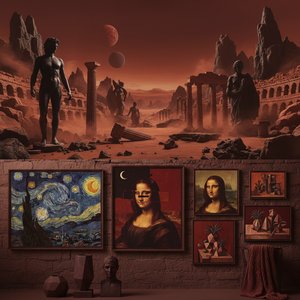
Mørkets Mestre: Top 10 Maler Domineret af Sort – Kunst & Indretning
Oplev 10 ikoniske malerier domineret af sort – fra Rembrandts dramatiske skygger til Munchs ekspressive mørke. Lær historien bag mesterværkerne og find inspiration til din indretning. Køb kunsttryk i museumskvalitet på AllPaintingsStore.com
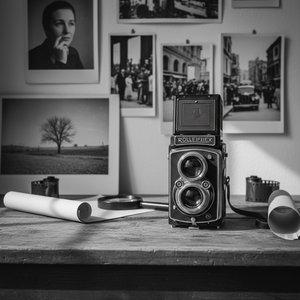
Monochrome Visions: Exploring the Aesthetic & Historical Significance of Black & White Photography
Explore the rich history & artistic power of black and white photography. From early techniques to iconic masters like Ansel Adams, discover why monochrome continues to captivate art lovers today. Expert insights for collectors.