


 In echtem Maßstab anzeigen
 Versenden als Grußkarte
 Teilen
 Details anzeigen
 Leitfaden öffnen

 Herunterladen
 Ähnliche Objekte
 Röntgenaufnahme
 Diashow
 Besucherstatistiken
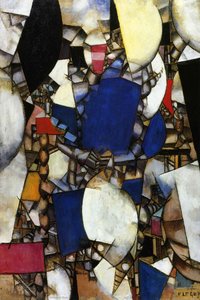
Contrast of forms
 Acryl auf Leinwand
- Wandkunst
- Cubism
 1914
1914 80.0 x 65.0 cm
 Mehr anzeigen
Giclée / Kunstdruck
Giclée- oder Leinwanddruck in Museumsqualität mit schneller Produktion und flexiblen Veredelungsoptionen. ( Handgemalte Reproduktion kaufen Zum digitalen Bild wechseln)




P118B €10

P118H €10

P118W €10

P438Z €10

P508JH €12

P508YH €12

P805H €10

P805Z €10

P919BZ €10

P919G €10

P919XJ €10

P959ZH €10

P968JZ €12

W106C €8

W218G €10

W218JH €8

W218Y €10

W307PJ €10

W316G €10

W316PJ €8

W316Y €10

W398PJ €8

W4111J €10

W500HY €15

W500JH €15

W692G €12

W849H €8

W940BG €15

W953PJ €8




Wählen Sie aus unseren vordefinierten Formaten, die den ursprünglichen Proportionen des Kunstwerks entsprechen.

Geben Sie die Breite und die Höhe an, die Sie benötigen, damit der Druck perfekt in Ihren Rahmen oder an Ihre Wand passt. Ein Druck kann nur beschnitten werden und niemals größer als das Originalbild gemacht werden; daher verliert ein Format mit einer anderen Proportion einen Teil des Bildes. Wir senden Ihnen ein digitales Mockup zur Freigabe, bevor wir den Druck ausführen. Das auf dieser Seite gezeigte Bild zeigt nicht den tatsächlichen Beschnitt – dies ist nur im Mockup ersichtlich.
Weltweiter Versand () innerhalb von 2 Wochen statt der üblichen 4/5 Wochen. (24 Oktober)

Kostenloser weltweiter Expressversand

Hochwertige Leinenleinwand

Vollständiger Versicherungsschutz beim Versand

Zollgebühren-Rückerstattungsgarantie

Garantie für exakte Farbtreue

100-tägiges Rückgaberecht (nur bei Mängeln)

100% Geld-zurück-Garantie

Angebot für Mengenrabatt
 Die Glasoption ist nur für Größen unter 110 cm verfügbar.

Contrast of forms
Giclée / Kunstdruck
Format der Reproduktion
-


Gesamtpreis
€ 56
Fernand Léger’s “Composition VIII”: A Symphony of Steel and Soul
Fernand Léger’s “Composition VIII,” completed in 1914, stands as an emblem of the burgeoning Expressionist movement and a profound reflection on the transformative influence of industrialization upon artistic sensibilities. Painted during a period marked by unprecedented technological advancements – the rise of automobiles, factories churning out goods at breathtaking speed – Léger sought to distill the frenetic energy of this new era into a visual vocabulary that transcended mere imitation.
- Subject Matter: The canvas explodes with geometric forms—circles, squares, triangles—arranged in a dynamic interplay of overlapping planes. These shapes aren’t merely decorative; they represent abstracted representations of machinery – pistons, gears, wheels – capturing the rhythm and repetition inherent in industrial production.
- Style: Léger’s style is undeniably Expressionist, prioritizing emotional impact over meticulous realism. He abandons traditional perspective, opting instead for a flattened surface that emphasizes the materiality of pigment and creates a sense of immediacy and unrestrained energy.
- Technique: Léger employed a bold palette dominated by yellows, oranges, reds, and blacks—colors deliberately chosen to convey heat, movement, and dissonance. His technique involved applying paint thickly onto canvas, layering colors and textures to build up sculptural surfaces that resist conventional notions of flatness.
Historical Context: Léger’s artistic endeavors coincided with the burgeoning anxieties surrounding the rapid pace of industrial progress. Artists like Picasso and Matisse were grappling with similar questions about how to depict the modern world, rejecting academic conventions in favor of subjective expression. “Composition VIII” embodies this spirit of rebellion against established norms.
- Symbolism: The geometric shapes themselves carry symbolic weight, representing not only machines but also fundamental principles of order and chaos—the forces shaping human civilization. Léger’s deliberate use of contrasting colors underscores the tension between beauty and ugliness, harmony and discord – mirroring the complexities of life in the industrialized age.
Emotional Impact: Viewing “Composition VIII” evokes a visceral response—a feeling of disorientation mingled with exhilaration. Léger’s masterful manipulation of color and texture compels the viewer to confront the unsettling grandeur of the machine age, prompting contemplation on its transformative effects on human experience. It's a painting that refuses easy categorization, demanding engagement and rewarding repeated observation.
Interior Designer Considerations: “Composition VIII” lends itself beautifully to interior spaces seeking a bold statement piece. Its vibrant hues and sculptural surfaces can inject energy into minimalist interiors or serve as a counterpoint to ornate baroque styles—creating an unforgettable visual dialogue.
Fragen & Antworten
Welches Gefühl vermitteln die Farben von "Contrast of forms" von Fernand Léger?
"Contrast of forms" von Fernand Léger vereint eine Neutrale Töne Farbpalette mit einem Gelassen Ton.
Für welchen Ort und welchen Zweck wird "Contrast of forms" empfohlen?
"Contrast of forms" von Fernand Léger wird für Akzentuierung empfohlen, idealerweise in einem Wohnbereich. Verwendung und Raumgestaltung geben gemeinsam Aufschluss darüber, wo eine Reproduktion am besten zur Geltung kommt.
Gibt es Werke, die "Contrast of forms" ähneln?
Werke, die "Contrast of forms" ähneln, sind auf der Ähnliche Werke-Seite des Kunstwerks aufgelistet.
Ähnliche Kunstwerke




Biografie des Künstlers
frühes Leben und Ausbildung
Fernand Légér, ein französischer Maler, Bildhauer und Filmemacher, wurde am 4. Februar 1881 in Argentan, Orne, Niedergermanien geboren. Sein Vater züchtete Rinder, und Légér erhielt zunächst eine Ausbildung als Architekt von 1897 bis 1899. Er zog dann im Jahr 1900 nach Paris und unterstützte sich dort als Architektenzeichner.Künstlerische Entwicklung
Légers frühe Werke wurden vom Impressionismus beeinflusst, wie in Le Jardin de ma Mère (Mein Muttergarten) (1905) zu sehen ist. Nach dem Besuch der Schule für dekorative Künste und der Académie Julian begann er ab seinem 25. Lebensjahr ernsthaft als Maler zu arbeiten. Sein Stil entwickelte sich zu einer persönlichen Form des Kubismus, der von Kritikern als "Tubism" bezeichnet wurde, da er sich auf zylindrische Formen konzentrierte.Kubismus und die Puteaux-Gruppe
Im Jahr 1910 stellte Légér im Salon d’Automne zusammen mit Jean Metzinger und Henri Le Fauconnier aus. Er schloss sich der Puteaux-Gruppe an, auch bekannt als die Section d’Or (die Goldene Proportion), zusammen mit anderen Künstlern wie Francis Picabia und Marcel Duchamp.Krieg und seine Auswirkungen auf Légers Werk
Légers Erfahrungen im Ersten Weltkrieg hatten einen erheblichen Einfluss auf sein Werk. Während seiner Zeit an der Front produzierte er Skizzen von Artilleriegeschützen, Flugzeugen und Soldaten. Sein Gemälde Soldat mit Pfeife (1916) spiegelt diese Zeit wider.Spätere Werke und Vermächtnis
Légers Nachkriegszeitliche Arbeiten, die von glatten, maschinellen Formen geprägt waren, verknüpften ihn mit der Tradition der französischen figurativen Malerei. Seine "animierten Landschaften" von 1921 zeigten Figuren und Tiere in harmonischen, stromlinienförmigen Formen.- Fernand Légers Werke auf AllPaintingsStore
- Mehr über Fernand Légér auf Wikipedia
- Entdecken Sie das Musée National Fernand Légér (Frankreich) mit AllPaintingsStore
- Die Sitzende Frau (100 x 81 cm, Tubism)
- Maschinenelement (Kubismus)
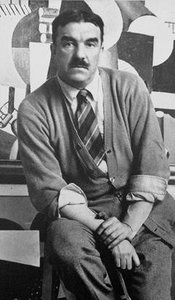
Fernand Léger
1881 - 1955 , Frankreich
Eckdaten zum Künstler
- Beeinflusste Kunstrichtungen: ['Pop Art']
- Beeinflusste Künstler: ['Paul Cézanne']
- Bemerkenswerte Werke:
- Die Sitzende Frau
- Maschinenelement
- Der Große Umzug
- Die Stadt
- Geburtsdatum: 04. Februar 1881
- Geburtsort: Argentan, Frankreich
- Künstlerische Richtung: Kubismus, Tubismus
- Nationalität: Französisch
- Sterbedatum: 1955
- Vollständiger Name: Fernand Léger
- Von Kunstbewegungen Beeinflusst: ['Cézannismus']
- Von Künstlern Beeinflusst: ['Impressionismus']
Verwandte Artikel

Neo-Abstract Art: The High-Impact Evolution of Modern Visual Energy and Geometric Sophistication
Discover the power of Neo-Abstract art. Explore how bold geometric forms and high-impact visual energy are redefining modern design. Learn to curate sophisticated, high-energy spaces with the latest trends in contemporary abstraction and structural color.

Abstrakter Expressionismus: Die 10 Meisterwerke, die eine Kunstbewegung prägten |
Entdecken Sie die 10 Meisterwerke des Abstrakten Expressionismus! Von Jackson Pollock bis Mark Rothko – erfahren Sie die Geschichten hinter ikonischen Gemälde und finden Sie hochwertige Reproduktionen für Ihr Zuhause. Jetzt bei entdecken!
Kandinsky: Die 25 Meisterwerke des Abstrakten – Kunst für Ihr Zuhause | AllPaintingsStore
Entdecken Sie die 25 bedeutendsten Gemälde von Wassily Kandinsky! Tauchen Sie ein in die Welt der abstrakten Kunst, des Expressionismus und der Farbkomposition. Hochwertige Kunstdrucke & Inspiration für Ihr Zuhause auf AllPaintingsStore.com.
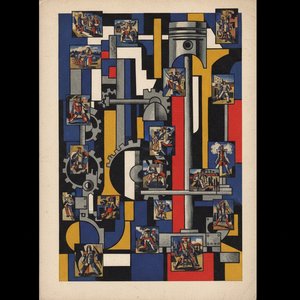
Fernand Léger: Die 25 Meisterwerke des Kubismus für Ihr Zuhause | AllPaintingsStore
Entdecken Sie die 25 Meisterwerke von Fernand Léger! Tauchen Sie ein in die Welt des Kubismus, Tubismus & der Avantgarde. Hochwertige Kunstreproduktionen für Ihr Zuhause – jetzt auf AllPaintingsStore.com!

Geometrische Abstraktion: Die 10 Meisterwerke, die Kunstgeschichte prägten | AllPaintingsStore.com
Entdecken Sie die 10 Meisterwerke der geometrischen Abstraktion! Von Kandinsky bis Mondrian – erleben Sie die Geschichte, Farben & Formen dieser revolutionären Kunstrichtung. Hochwertige Kunstreproduktionen auf AllPaintingsStore.com


