


 Preview
 Send
Send Share
Share
 Details
 Guide
Guide

 Download
 Similars
 X-Ray
X-Ray Diaporama
 Stats
StatsBeheading of Saint John the Baptist
 Oil On Canvas
- WallArt
- Baroque Drama
 1608
1608- Early Modern
 361.0 x 520.0 cm
 Read More
Giclée / Art Print
Museum-quality giclée or canvas print with fast production and flexible finish options. ( Buy Hand Made Painting Switch to Digital Image)




P118B $10

P118H $10

P118W $10

P438Z $10

P508JH $12

P508YH $12

P805H $10

P805Z $10

P919BZ $10

P919G $10

P919XJ $10

P959ZH $10

P968JZ $12

W106C $8

W218G $10

W218JH $8

W218Y $10

W307PJ $10

W316G $10

W316PJ $8

W316Y $10

W398PJ $8

W4111J $10

W500HY $15

W500JH $15

W692G $12

W849H $8

W940BG $15

W953PJ $8




Pick from our preset sizes that match the artwork's original proportions.

You may enter your own dimensions to fit a specific frame or space. If your selected size does not match the original image's proportions, we will either crop the artwork or extend the image with a mirrored or solid-fill edge. A digital mockup will be sent for your approval before production begins.
Please note that the on-screen preview does not reflect the actual cropping or extension. Only the mockup will accurately show the final composition.
While custom sizes are available, we recommend selecting a dimension from the predefined list to preserve the original proportions.
Worldwide Delivery () in 2 weeks instead of standard 4/5 weeks. (25 September)

Free Worldwide Express Shipping

High-Quality Linen Canvas

Full Shipping Insurance

Customs Tax Refund Guarantee

True Color Matching Guarantee

100-Day Return Policy (Defects Only)

100% Money-Back Guarantee

Bulk Discount Offer
 Glass option is only available in size under 110 CM

Beheading of Saint John the Baptist
Giclée / Art Print
Reproduction Size
-


Total Price
$ 65
A Descent into Darkness: The Visceral Majesty of Caravaggio
To stand before Michelangelo Merisi da Caravaggio’s Beheading of Saint John the Baptist is to witness more than a mere biblical execution; it is to be pulled into an unflinching confrontation with mortality. Painted in 1608, this monumental canvas—stretching an imposing 361 by 520 cm—commands the space of the Museum of Saint John in Malta with a gravity that few works in the Baroque canon can match. Caravaggio does not merely depict a historical or religious event; he orchestrates a psychological drama where light and shadow act as the primary protagonists. The scene is a masterclass in tenebrism, a technique where profound, impenetrable darkness swallows the periphery, forcing the viewer’s gaze onto the stark, agonizing reality of the central figures. This manipulation of light serves as an emotional amplifier, isolating the vulnerability of the Saint against a void that feels both infinite and suffocating.
The composition is a breathtaking study in contrast and anatomical precision. Caravaggio eschews the idealized, graceful forms of the High Renaissance in favor of a gritty, palpable realism. One can almost feel the tension in the strained muscles and the glistening sweat on the bodies of those involved in the grim task. The artist’s use of rapid brushstrokes and strategic layering creates an illusion of immediacy, as if the blade has only just begun its descent. This commitment to anatomical accuracy—the heavy weight of limbs, the slumped posture of the condemned—strips away the divine veil to reveal the raw, human suffering beneath. For the collector or lover of fine art, this piece offers a profound sense of presence; it is a work that does not sit quietly on a wall but actively engages the room with its turbulent energy.
Symbolism and the Baroque Soul
Beyond the surface-level violence lies a complex web of religious fervor and symbolic depth. Created during the height of the Baroque period, the painting reflects the intense piety and spiritual upheaval of an era defined by the Counter-Reformation. The stark highlights on Saint John’s torso draw the eye upward, suggesting a flicker of divine light even amidst the carnage, symbolizing the endurance of faith through martyrdom. The surrounding figures—soldiers, observers, and attendants—represent the various facets of human reaction to injustice: some are complicit, others are indifferent, and some are mere witnesses to the unfolding tragedy. Even the seemingly mundane objects scattered within the scene, such as the bowl or the cup, take on a ritualistic quality, grounding the biblical narrative in a tangible, earthly reality.
For interior designers and curators of high-end reproductions, this artwork serves as a powerful focal point for spaces that demand character and intellectual depth. The dramatic interplay of light and shadow makes it an ideal centerpiece for rooms designed with a moody, sophisticated aesthetic—perhaps a study or a formal gallery space where the play of natural light can interact with the painting's inherent chiaroscuro. To possess a reproduction of such a masterpiece is to invite a conversation about the human condition, bringing into one's home a piece of history that celebrates the beauty found within the most harrowing moments of existence.
Related Artworks


Artist Biography
A Life Forged in Shadow and Light
Michelangelo Merisi da Caravaggio, a name synonymous with the dramatic intensity of Baroque painting, was born in Milan in 1571, a period steeped in both artistic flourishing and societal upheaval. His early life was marked by loss; plague ravaged his hometown, claiming the lives of his father and grandfather when he was just six years old. Raised amidst relative poverty, young Michelangelo’s formative years instilled within him a keen awareness of human suffering and resilience—themes that would later dominate his canvases. He began his artistic training in Milan under Simone Peterzano, a former pupil of Titian, absorbing the fundamentals of Renaissance technique but already hinting at a rebellious spirit that would soon shatter conventional norms. This apprenticeship provided a solid foundation, yet it was in Rome, arriving around 1592, that Caravaggio truly found his voice, though not without initial struggle and hardship. The city, a vibrant hub of artistic patronage and religious fervor, proved both alluring and unforgiving to the ambitious young painter.Revolutionizing Vision: Technique and Style
Caravaggio’s arrival in Rome heralded a seismic shift in the landscape of Italian art. He rejected the prevailing Mannerist style—characterized by its artificial elegance and elongated forms—in favor of an uncompromising realism that shocked and captivated audiences. His most defining innovation was his masterful use of chiaroscuro, the dramatic contrast between light and dark, which he elevated to a new level of expressive power. This technique, often referred to as tenebrism, wasn’t merely an aesthetic choice; it was a means of intensifying emotional impact, drawing viewers into the heart of the scene, and imbuing his figures with a palpable sense of presence. He eschewed idealized depictions, instead populating his paintings with ordinary people—often drawn from the streets of Rome—as models for religious figures. This radical approach challenged traditional notions of beauty and sanctity, making the sacred relatable and profoundly human. His compositions were often stark and direct, focusing on pivotal moments of intense drama, whether it be the brutal realism of “The Taking of Christ” or the quiet contemplation in "Saint Francis of Assisi in Ecstasy".Key Works and Lasting Influence
Throughout his relatively short career, Caravaggio produced a body of work that continues to resonate with audiences today. Early pieces like “The Fortune Teller” (1594) demonstrate his burgeoning talent for capturing realistic detail and psychological nuance. “Supper at Emmaus” (1601-1602), housed in the National Gallery in London, exemplifies his mastery of chiaroscuro and ability to convey profound emotional depth within a biblical narrative. “David with the Head of Goliath” (c. 1610) is particularly haunting, often interpreted as a self-portrait reflecting Caravaggio’s own troubled state of mind. His influence extended far beyond Italy, inspiring a generation of artists known as the Caravaggisti, or “shadowists,” who adopted his style throughout Europe. Notable followers included Peter Paul Rubens, Jusepe de Ribera, and Gerrit van Honthorst, each adapting Caravaggio’s techniques to their own unique artistic visions.A Tumultuous Existence and Enduring Legacy
Caravaggio's life was as dramatic and turbulent as his art. A volatile temperament and a penchant for brawls led him into frequent trouble with the law, culminating in a murder charge in 1606 that forced him to flee Rome. He spent the next four years wandering through Naples, Malta, and Sicily, continuing to paint while desperately seeking a papal pardon. Despite his efforts, he remained an outlaw, haunted by his past and plagued by personal conflicts. He died in Porto Ercole, Italy, in 1610 under mysterious circumstances—the cause of his death remains debated, with theories ranging from fever to poisoning. Though his life was cut short, Caravaggio’s artistic legacy endures as a testament to his revolutionary vision and unwavering commitment to realism. He challenged the conventions of his time, paving the way for a more modern approach to painting and leaving an indelible mark on the course of Western art history. His work continues to inspire awe and provoke contemplation, reminding us of the power of art to illuminate the darkest corners of the human experience.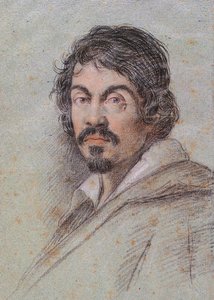
Caravaggio
1571 - 1610 , Spain
Quick Facts
- Artistic Movement Or Style: Baroque, Tenebrism
- Artists Or Movements Influenced By This Artist:
- Rubens
- Ribera
- Caravaggisti
- Artists Who Influenced This Artist:
- Titian
- Leonardo da Vinci
- Michelangelo
- Date Of Birth: September 29, 1571
- Date Of Death: July 18, 1610
- Full Name: Michelangelo Merisi da Caravaggio
- Nationality: Italian
- Notable Artworks:
- The Fortune Teller
- Supper at Emmaus
- David with Goliath
- Saint Francis in Ecstasy
- Place Of Birth: Milan, Italy
Related Articles

Theatricality & Triumph: Baroque Drama in Painting & Sculpture
Explore the dramatic world of Baroque art! Discover its history, defining characteristics, & lasting influence on painting & sculpture. Expert insights into Caravaggio, Zurbarán, and Bernini – plus high-quality reproductions at AllPaintingsStore.

Italian Baroque Unlocked: High-Drama Art That Hits Hard
Dive into the high-drama world of Italian Baroque art. Discover how chiaroscuro, intense emotion, and theatrical lighting redefined aesthetics. Explore the visceral power of the Counter-Reformation through a modern lens with expert insights from AllPaintingsStore.com.

The Visceral Stage: Exploring Dramatic Narratives & Emotional Intensity in Baroque Art
Explore the dramatic world of Baroque art! Discover iconic masters like Caravaggio & Rembrandt, their techniques, and the movement's lasting impact. Expert insights for collectors & enthusiasts at AllPaintingsStore.

Chiaroscuro and Soul: A Definitive Guide to the Drama and Emotion of Italian Baroque Masterpieces
Embark on a sophisticated journey through Italian Baroque art. Discover the dramatic interplay of light and emotion in Caravaggio’s masterpieces and explore how to bring this timeless grandeur into your collection with expert art insights.

Baroque Masterpieces: 10 Paintings That Defined an Era |
Journey through the drama & grandeur of Baroque art! Explore 10 masterpieces by Caravaggio, Rembrandt, Rubens & more. Discover stunning oil paintings, rich colors & timeless stories. Find museum-quality reproductions at .


