


 Preview
 Send
Send Share
Share
 Details

 Download
 Similars
 X-Ray
X-Ray Diaporama
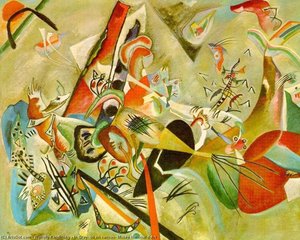
Going home (The Gray and Gold)
 Acrylic On Canvas
- WallArt
- Late Nineteenth Century Realism
 1888
1888- 19th Century
 287.0 x 407.0 cm
 National Gallery of Australia
 Read More
Hand Made Oil Reproduction
Hand-painted oil on canvas in your size and frame, made to order by our artists. ( Switch to Print Switch to Image)




P118B $10

P118H $10

P118W $10

P438Z $10

P508JH $12

P508YH $12

P805H $10

P805Z $10

P919BZ $10

P919G $10

P919XJ $10

P959ZH $10

P968JZ $12

W106C $8

W218G $10

W218JH $8

W218Y $10

W307PJ $10

W316G $10

W316PJ $8

W316Y $10

W398PJ $8

W4111J $10

W500HY $15

W500JH $15

W692G $12

W849H $8

W940BG $15

W953PJ $8




Pick from our preset sizes that match the artwork's original proportions.

You may enter your own dimensions to fit a specific frame or space. If your selected size does not match the original image's proportions, we will either crop the artwork or extend the painting with additional hand-painted elements. A digital mockup will be sent for your approval before production begins.
Please note that the on-screen preview does not reflect the actual cropping or extension. Only the mockup will accurately show the final composition.
While custom sizes are available, we recommend selecting a dimension from the predefined list to preserve the original proportions.
After order, AllPaintingsStore.com team will email client for instructions and provide a mockup preview
Worldwide Delivery () in 3/4 weeks instead of standard 5 weeks. (8 August). No compromise on quality.

Free Worldwide Express Shipping

High-Quality Linen Canvas

Full Shipping Insurance

Customs Tax Refund Guarantee

True Color Matching Guarantee

60-Day Return Policy (Defects Only)

100% Money-Back Guarantee

Bulk Discount Offer
 Glass option is only available in size under 110 CM

Going home (The Gray and Gold)
Reproduction Medium
Reproduction Size
-


Total Price
$ 258
Artwork Description
Charles Edward Conder’s “Going Home (The Gray and Gold)” – A Nocturne of Urban Reflection
Charles Edward Conder's "Going Home (The Gray and Gold)," painted in 1888, is more than a simple depiction of a Sydney street at dusk; it’s a poignant meditation on the rhythms of urban life and the quiet beauty found within its everyday moments. Measuring an impressive 287 x 407 cm, this artwork immediately commands attention with its masterful use of color and light – a hallmark of Conder's distinctive style. The scene unfolds with a remarkable level of detail, capturing the wet cobblestones reflecting the muted tones of the twilight sky, while figures navigate the street, each seemingly lost in their own thoughts. This painting represents a pivotal moment in Conder’s career, solidifying his position as one of Australia’s leading artists and demonstrating a growing sophistication in his approach to landscape and urban subject matter.
A Masterclass in Impressionistic Technique
Conder's technique is undeniably rooted in the burgeoning Impressionist movement, yet he adapted it uniquely to the Australian context. Notice the broken brushstrokes – not blended smoothly as might be expected, but deliberately applied to capture the fleeting effects of light and atmosphere. The artist skillfully employs a palette dominated by grays, golds, and subtle blues, creating an almost ethereal quality to the scene. This deliberate use of color isn’t merely representational; it's emotionally charged, evoking a sense of melancholy and quiet contemplation. The wet pavement adds another layer of complexity, reflecting the light and contributing to the overall atmospheric depth. Conder’s meticulous attention to detail – from the individual folds in the clothing to the subtle variations in the building facades – elevates this work beyond a simple snapshot into a carefully constructed composition.
Historical Context: Sydney at the Dawn of Modernity
"Going Home (The Gray and Gold)" was created during a period of rapid change in Sydney. The late 19th century witnessed significant urban development, with the city expanding outwards and embracing modernity. Conder’s work reflects this transformation, capturing a moment of transition – a scene of people returning home after a day's labor amidst the burgeoning industrial landscape. His association with the Illustrated Sydney News provided him with invaluable experience in depicting contemporary life, allowing him to translate his artistic vision into accessible and engaging imagery for a broad audience. This painting is a testament to Conder’s ability to capture not just the visual appearance of a place but also its social and cultural significance.
Symbolism and Emotional Resonance
The title itself, “Going Home (The Gray and Gold),” hints at deeper symbolic meanings. "Home" represents more than just a physical dwelling; it embodies belonging, comfort, and connection. The muted colors – the “gray” representing weariness and perhaps a hint of sadness, and the “gold” suggesting fleeting moments of beauty and hope – contribute to the painting’s emotional resonance. The solitary figures walking along the street evoke a sense of introspection and solitude, inviting viewers to contemplate their own journeys and experiences. Conder's ability to imbue his work with such profound emotion is what continues to captivate audiences today.
Related Artworks




Artist Biography
early life and artistic journey
charles edward conder, a british-born painter, lithographer, and designer, left an indelible mark on the art world. born in tottenham, middlesex, on october 24, 1868, conder's early life was marked by his mother's passing in india when he was just four years old.artistic career in australia
in 1884, at 16, conder moved to sydney, australia, working for his uncle as a land surveyor. however, he soon discovered his true passion lay in drawing the landscape rather than surveying it. by 1886, he had become an artist for the illustrated sydney news, alongside notable artists like albert henry fullwood and frank mahony.the heidelberg school and notable works
conder's masterpiece, departure of the orient – circular quay (1888), showcased his newfound mastery of form and brushwork. this dockside scene, depicting the bustling harbour at sydney cove, was quickly purchased by the art gallery of new south wales, making it conder's first work to enter a public collection.- a holiday at mentone (1888), a fun-loving painting showcasing men and women relaxing on the beach, is another notable example of conder's work.
- conder's association with g. p. nerli, an itinerant italian painter, significantly influenced his development as an artist.
- his contributions to the 9 by 5 impression exhibition in melbourne, alongside tom roberts and arthur streeton, solidified his position within the heidelberg school movement.
legacy and later life
conder's later years were plagued by poor health, including paralysis and a bout of delirium tremens. despite this, he continued to paint, leaving behind a legacy as a key figure in the heidelberg school. his art was better received in england than in paris, with his portrait being painted by henri de toulouse-lautrec in 1892. view conder's works at the art gallery of new south wales or explore more about the heidelberg school on AllPaintingsStore's charles edward conder page.- discover more about conder's life and works on wikipedia's charles conder page.
- explore AllPaintingsStore's collection of conder's paintings, including a holiday at mentone (1888) and departure of the orient – circular quay (1888), on AllPaintingsStore's website.
conclusion
charles edward conder's impact on australian impressionism is undeniable. his legacy, marked by his captivating paintings and association with the heidelberg school, continues to inspire art enthusiasts worldwide.
Charles Edward Conder
1868 - 1909 , United Kingdom
Quick Facts
- Artistic Movement Or Style: Heidelberg School
- Artists Who Influenced This Artist:
- Alfred Daplyn
- Victor Mann
- Julian Ashton
- Date Of Birth: October 24, 1868
- Full Name: Charles Edward Conder
- Nationality: British
- Notable Artworks:
- Departure of the Orient – Circular Quay
- A holiday at Mentone
- Under The Southern Sun
- Place Of Birth: Tottenham, United Kingdom
Related Articles

Gray Masterpieces: 10 Iconic Paintings & Timeless Home Decor Ideas
Explore 10 iconic gray paintings by masters like Rembrandt, Hopper & Whistler. Discover the stories behind these atmospheric artworks and find museum-quality art reproductions for your home decor at . Explore the full collection online.

Golden Glow: How to Use Metallic Gold Artworks to Elevate Your Home Decor with Timeless Luxury
Discover how to elevate your home with the timeless elegance of metallic gold artworks. From sculptural metal pieces to gilded oil paintings, learn expert interior design tips for integrating luxurious gold accents into your space with sophistication and grace.

The Sacred Glow: Mastering Gold Leaf and Gilding in Byzantine Art
Explore the divine mastery of Byzantine gold leaf and gilding. Discover how ancient artisans used gold ground and mosaics to create celestial light, a timeless legacy of spiritual splendor and technical excellence in sacred art history.

The Allure of Gold in Art History: Symbolism, Technique & Cultural Significance
Explore the rich history of gold in art! Discover symbolism, techniques & cultural significance from ancient civilizations to Klimt's masterpieces. Expert insights for collectors at AllPaintingsStore.

Gray Masterpieces: 10 Iconic Paintings & The Power of Subtle Light |
Explore 10 iconic paintings where light gray reigns supreme! From Monet's Impressionism to Hopper’s realism, discover the stories & subtle power of these masterpieces. Find museum-quality art reproductions at .





