Preview
 Send
Send Share
Share
 Details
 Guide
Guide

 Download
 Similars
 X-Ray
X-Ray Diaporama
 Stats
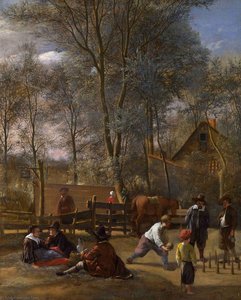
StatsMerry Company on a Terrace
 Oil On Canvas
- WallArt
- Dutch Golden Age
 1670
1670 141.0 x 131.0 cm
 Metropolitan Museum of Art
 Read More
Hand Made Oil Reproduction
Hand-painted oil on canvas in your size and frame, made to order by our artists. ( Switch to Print Switch to Digital Image)




P118B $10

P118H $10

P118W $10

P438Z $10

P508JH $12

P508YH $12

P805H $10

P805Z $10

P919BZ $10

P919G $10

P919XJ $10

P959ZH $10

P968JZ $12

W106C $8

W218G $10

W218JH $8

W218Y $10

W307PJ $10

W316G $10

W316PJ $8

W316Y $10

W398PJ $8

W4111J $10

W500HY $15

W500JH $15

W692G $12

W849H $8

W940BG $15

W953PJ $8




Pick from our preset sizes that match the artwork's original proportions.

You may enter your own dimensions to fit a specific frame or space. If your selected size does not match the original image's proportions, we will either crop the artwork or extend the painting with additional hand-painted elements. A digital mockup will be sent for your approval before production begins.
Please note that the on-screen preview does not reflect the actual cropping or extension. Only the mockup will accurately show the final composition.
While custom sizes are available, we recommend selecting a dimension from the predefined list to preserve the original proportions.
After order, AllPaintingsStore.com team will email client for instructions and provide a mockup preview
Worldwide Delivery () in 3/4 weeks instead of standard 5 weeks. (22 September). No compromise on quality.

Free Worldwide Express Shipping

High-Quality Linen Canvas

Full Shipping Insurance

Customs Tax Refund Guarantee

True Color Matching Guarantee

100-Day Return Policy (Defects Only)

100% Money-Back Guarantee

Bulk Discount Offer
 Glass option is only available in size under 110 CM

Merry Company on a Terrace
Reproduction Medium
Reproduction Size
-


Total Price
$ 258
A Window into Dutch Merriment: Jan Steen’s “Merry Company on a Terrace”
Jan Steen's "Merry Company on a Terrace," painted around 1670, isn’t merely a depiction of a gathering; it’s a vibrant snapshot of the human condition—a shrewd observation of domestic chaos, social satire, and the delightful absurdity of everyday life. Housed within The Metropolitan Museum of Art in New York, this oil-on-canvas masterpiece transcends its size (141 x 131 cm) to offer an immersive experience, transporting the viewer into a world brimming with playful mischief and subtle commentary. Steen, a master of capturing the psychological nuances of his subjects, particularly shines here, weaving together established symbols—child rearing, the dissolute household, and the elusive Garden of Love—into a single, unforgettable scene. The painting’s enduring popularity in the Netherlands stems from its poignant portrayal of a typical Dutch household, one often characterized by disorder and lively entertainment – a concept immortalized as “a Jan Steen household.”The Painter's Palette: Technique and Style
Steen’s distinctive style is immediately recognizable through his masterful use of color and composition. He employs a rich, almost theatrical palette—deep reds, vibrant yellows, and earthy browns—that imbues the scene with an immediate sense of warmth and energy. The figures are rendered with remarkable detail, each exhibiting distinct personalities and engaging in a multitude of activities: playing instruments, consuming food and drink, exchanging gossip, and generally reveling in the company of others. Notice how Steen doesn’t shy away from depicting imperfections—a flushed face, a spilled wine glass, a mischievous grin—these details contribute to the painting's authenticity and its ability to resonate with viewers on a deeply human level. The loose brushwork, characteristic of the Baroque period, adds to the sense of movement and spontaneity, as if capturing a fleeting moment of joyous pandemonium. The composition itself is carefully constructed, drawing the eye through a series of interconnected vignettes, each revealing a different facet of the scene’s lively narrative.A Motley Crew: Symbolism and Narrative
“Merry Company on a Terrace” is rich in symbolism, inviting viewers to decipher its layers of meaning. The central figure, Steen's wife, invites us into this world with an open-handed gesture, offering an empty wineglass – a subtle invitation to join the revelry. Her husband, Jan Steen himself, appears at the left, sporting a comical hat and a flushed complexion, embodying the artist’s self-deprecating humor. Hans Worst, a prominent figure in Haarlem known for his theatrical performances, sits beside him, clutching a sausage – a playful reference to the flamboyant nature of the stage. The presence of a dog near the bottom left corner adds another layer of domesticity and chaos, while the potted plants and bowls scattered throughout the scene contribute to the overall atmosphere of abundance and festivity. The painting’s narrative isn't straightforward; it’s a complex tapestry of social commentary, familial dynamics, and human folly.A Legacy of Laughter: Historical Context
Steen’s work holds a significant place in art history, reflecting the spirit of the Dutch Golden Age. His focus on everyday life—farmers’ families, tavern gatherings, schoolrooms—contrasted sharply with the prevailing trend of depicting grand historical or mythological scenes. He was one of the first artists to truly capture the psychological complexities and humorous contradictions inherent in ordinary human experience. The painting's enduring popularity is a testament to Steen's ability to distill the essence of Dutch society into a single, captivating image. It’s a reminder that even amidst the chaos and disorder of daily life, there can be moments of genuine joy, connection, and shared laughter—a sentiment powerfully conveyed in “Merry Company on a Terrace.” The proverb "a household by Jan Steen" continues to resonate today, embodying the delightful messiness of family life.- Artist: Jan Havickszoon Steen
- Date: 1670
- Medium: Oil on canvas
- Dimensions: 141 x 131 cm
- Location: The Metropolitan Museum of Art, New York
Related Artworks


Artist Biography
A Master of the Human Comedy
Jan Havickszoon Steen, a name synonymous with the vibrant pulse of the Dutch Golden Age, possessed a rare ability to transform the mundane into the monumental. Born in Leiden around 1626 into a well-to-do Catholic family, Steen’s early life was steeped in the sensory richness of his father’s brewery and the bustling atmosphere of the Red Halberd tavern. This upbringing provided him with an intimate, lifelong window into the social fabric of the Netherlands, from the boisterous laughter of peasants to the structured domesticity of the middle class. While many of his contemporaries sought prestige through grand historical or mythological allegories, Steen found his calling in the much more relatable—and often much more chaotic—realities of everyday life.
His artistic journey was shaped by a diverse array of influences that allowed him to develop a style both technically rigorous and emotionally resonant. Though official records of his apprenticeship are elusive, contemporary accounts suggest he drew wisdom from masters such as Jan van Goyen, Nicolaas Knüpfer, and Adriaen van Ostade. These mentors provided the foundational skills in landscape and portraiture that Steen would eventually infuse with his own inimitable wit. He held a profound admiration for Frans Hals, whose loose, energetic brushwork and psychological vitality are echoed in Steen’s own ability to capture a fleeting moment of mischief or melancholy.
The Art of Narrative and Moral Nuance
To look upon a Jan Steen painting is to enter a stage where every character, every spilled glass of wine, and every discarded letter tells a story. He was a master of genre painting, a movement that flourished during the 17th century, yet he elevated it through a sophisticated use of chiaroscuro and symbolic storytelling. His canvases are rarely just depictions of scenes; they are complex tapestries of social commentary. In works such as The Doctor's Visit or Quack Doctor, Steen utilizes meticulous detail—the texture of a rustic sleeve, the glint of light on a ceramic jug—to ground his narratives in a palpable reality. Yet, beneath this surface realism lies a sharp, satirical edge.
Steen’s genius lay in his ability to use humor as a vehicle for moral instruction. He often depicted scenes of "disorder"—rowdy tavern gatherings, messy households, or boisterful celebrations—not merely to entertain, but to prompt reflection on the consequences of folly and excess. His paintings frequently serve as cautionary tales regarding piety and decorum, using the chaos of a Merry Party to mirror the potential chaos of an undisciplined soul. This duality—the ability to make the viewer laugh while simultaneously inviting them to contemplate virtue—is what distinguishes his oeuvre from the more straightforwardly observational works of his peers.
Legacy and the Evolution of Style
As Steen’s career progressed, his artistic vision underwent a subtle yet significant evolution. His earlier compositions often featured more grotesque or exaggerated figures, leaning heavily into the tradition of much rougher, peasant-focused genre scenes. However, as the tastes of the Dutch Republic shifted toward greater elegance and refinement, so too did his brush. In his later years, the figures in his paintings became more individualized and graceful, the color palettes grew more subtle, and his compositions achieved a newfound compositional poise. This transition reflects not only his personal growth as an artist but also the changing cultural landscape of the late 17th century.
The historical significance of Jan Steen cannot be overstated. He remains one of the most beloved figures of the Baroque era because he captured the very essence of humanity: our capacity for joy, our penchant for error, and our shared domestic struggles. His influence stretched far beyond the borders of Leiden, leaving an indelible mark on the development of European genre painting. Today, his works continue to captivate audiences worldwide, offering a timeless window into a period of unparalleled artistic achievement and reminding us that there is profound beauty and wisdom to be found in the most ordinary of moments.

jan havickszoon steen
1626 - 1679 , Netherlands
Quick Facts
- Artistic Movement Or Style: Dutch Golden Age Genre Painting
- Artists Or Movements Influenced By This Artist: Baroque Art
- Date Of Birth: Leiden, Netherlands (1626)
- Full Name: Jan Havickszoon Steen
- Nationality: Dutch
- Notable Artworks:
- John the Baptist Preaching
- Skittle Players outside an Inn
- The Severe Teacher
- Place Of Birth: Leiden
Related Articles
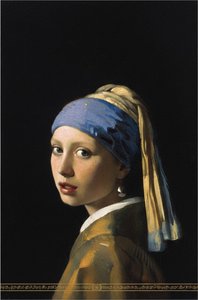
Dutch Masters: 10 Golden Age Paintings That Still Inspire |
Journey into the Dutch Golden Age! Explore 10 iconic paintings by Rembrandt, Vermeer & Hals. Discover the stories behind these Baroque masterpieces and find museum-quality art reproductions to elevate your home decor on .

Jan Jansz Wijnants: A Study in Dutch Golden Age Still Life & Floral Transience
Explore the captivating world of Jan Wijnants and Dutch Golden Age still life painting. Discover symbolism, masterful techniques & lasting influence on floral art history. Learn more!

Illuminating Innovation: Exploring the Dutch Golden Age of Painting
Explore the Dutch Golden Age of painting with AllPaintingsStore. Discover Rembrandt, Vermeer & other Masters. Learn about key characteristics, iconic artworks, and lasting influence. Expert insights for collectors & enthusiasts.
Golden Age Reflections: Dutch Baroque Painting & Cultural Innovation
Explore the Dutch Golden Age of painting! Discover key artists like Vermeer & ter Borch, their innovative techniques, and the rich cultural context behind these Baroque masterpieces. Learn about collecting & appreciating this iconic art period.
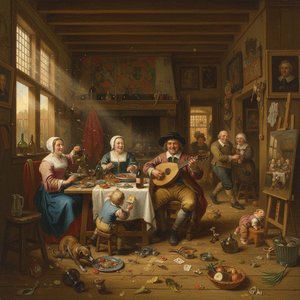
Jan Steen: A Master of Dutch Genre Painting & the Golden Age
Explore the life & art of Jan Steen, a leading Dutch Golden Age painter renowned for his humorous genre scenes & insightful social commentary. Discover his techniques, legacy, and collecting tips.