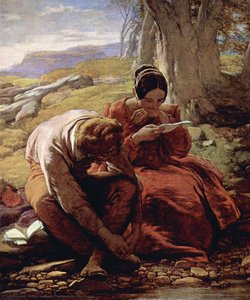
Preview
 Send
Send Share
Share
 Details

 Download
 Similars
 X-Ray
X-Ray Diaporama
Ira Aldridge in the Role of Shakespeare
 Acrylic On Canvas
- WallArt
- Victorian Genre Painting
 1826
1826 62.0 x 52.0 cm
 The Walters Art Museum
 Read More
Hand Made Oil Reproduction
Hand-painted oil on canvas in your size and frame, made to order by our artists. ( Switch to Print Switch to Image)




P118B $10

P118H $10

P118W $10

P438Z $10

P508JH $12

P508YH $12

P805H $10

P805Z $10

P919BZ $10

P919G $10

P919XJ $10

P959ZH $10

P968JZ $12

W106C $8

W218G $10

W218JH $8

W218Y $10

W307PJ $10

W316G $10

W316PJ $8

W316Y $10

W398PJ $8

W4111J $10

W500HY $15

W500JH $15

W692G $12

W849H $8

W940BG $15

W953PJ $8




Pick from our preset sizes that match the artwork's original proportions.

You may enter your own dimensions to fit a specific frame or space. If your selected size does not match the original image's proportions, we will either crop the artwork or extend the painting with additional hand-painted elements. A digital mockup will be sent for your approval before production begins.
Please note that the on-screen preview does not reflect the actual cropping or extension. Only the mockup will accurately show the final composition.
While custom sizes are available, we recommend selecting a dimension from the predefined list to preserve the original proportions.
After order, AllPaintingsStore.com team will email client for instructions and provide a mockup preview
Worldwide Delivery () in 3/4 weeks instead of standard 5 weeks. (5 August). No compromise on quality.

Free Worldwide Express Shipping

High-Quality Linen Canvas

Full Shipping Insurance

Customs Tax Refund Guarantee

True Color Matching Guarantee

60-Day Return Policy (Defects Only)

100% Money-Back Guarantee

Bulk Discount Offer
 Glass option is only available in size under 110 CM

Ira Aldridge in the Role of Shakespeare
Reproduction Medium
Reproduction Size
-


Total Price
$ 258
Artwork Description
The Weight of Tragedy: William Mulready's Masterpiece
William Mulready the Younger’s 1826 painting, "Ira Aldridge in the Role of Shakespeare’s ‘Othello’," isn’t merely a portrait; it’s a carefully constructed tableau of theatrical intensity and profound human emotion. The work immediately arrests the eye with its dramatic composition – a lone figure dominating the canvas, radiating an almost palpable sense of sorrow and burdened responsibility. It's a scene frozen in the heart of a pivotal performance, capturing not just the likeness of Ira Aldridge but also the very essence of his iconic portrayal of the Moor of Venice.
Mulready’s skill lies in his ability to translate the stage into a single, powerful image. The armor worn by Aldridge isn't simply decorative; it represents the weight of Othello’s position – a soldier, a general, a man tasked with protecting a city and, ultimately, consumed by jealousy and rage. The helmet, tilted slightly forward, suggests vulnerability beneath the formidable exterior, hinting at the internal turmoil that fuels his tragic descent.
A Pioneer in a Segregated World
Understanding the historical context is crucial to appreciating this painting’s significance. Ira Aldridge was a trailblazer – the first African-American actor to achieve sustained professional success on European stages, specifically in London. His journey represents not only his personal ambition but also a courageous challenge to racial prejudice and limited opportunities within the performing arts. Mulready's decision to immortalize Aldridge in such a commanding pose speaks volumes about recognizing his talent and elevating him to a position of artistic prominence despite societal barriers.
The choice of Othello as the subject is particularly resonant. Shakespeare’s tragedy explores themes of jealousy, betrayal, and the destructive power of unchecked passion – issues that resonated deeply with audiences then and continue to hold relevance today. Aldridge's performance was renowned for its raw emotionality and dramatic depth, solidifying his reputation as one of the greatest tragedians of his era.
Technique and Atmosphere: A Study in Light and Shadow
Mulready’s technique is characterized by a remarkable sensitivity to light and shadow. The painting is dominated by a rich, dark palette – deep blues, browns, and blacks – which creates an atmosphere of somber contemplation. The strategic use of chiaroscuro (the contrast between light and dark) emphasizes Aldridge's face, highlighting his intense gaze and conveying the weight of his character’s suffering. The subtle gradations of color suggest a sense of depth and texture, lending realism to the scene.
Notably, the inclusion of two modern cell phones within the composition is a deliberate artistic choice. These anachronistic elements serve as a poignant commentary on the enduring nature of human drama – that even in our increasingly digital age, stories of love, loss, and betrayal continue to captivate and move us. They subtly juxtapose the timeless tragedy depicted with the realities of contemporary life, prompting reflection on how storytelling evolves across generations.
Symbolism and Emotional Resonance
Beyond the immediate depiction of Aldridge, the painting is laden with symbolism. The flag he holds represents his authority as a military leader, yet it’s also a symbol of vulnerability – a fragile emblem against the overwhelming forces of fate. His intense gaze directly engages the viewer, inviting us to share in his anguish and contemplate the complexities of human nature. “Ira Aldridge in the Role of Shakespeare’s ‘Othello’” is not simply a portrait; it's an invitation to confront the enduring power of tragedy and the profound humanity of its characters.
Related Artworks


Artist Biography
A Life Rooted in Observation: The World of William Mulready the Younger
Born in the quiet Irish town of Ennis, County Clare, in 1786, William Mulready the Younger embarked on a journey that would establish him as a pivotal figure in Victorian genre painting. His early life foreshadowed his artistic inclinations; a family relocation to London in 1792 provided access to a burgeoning art world and opportunities for formal training. Even as a young boy, Mulready demonstrated an exceptional talent for copying engravings, revealing a keen eye for detail and a natural aptitude for visual representation. This innate ability led him to the tutelage of John Graham, a historical painter who recognized his potential, followed by studies at the Royal Academy School around the age of fourteen – a significant achievement for someone from such humble beginnings. These formative years were characterized not only by academic instruction but also by self-directed learning; Mulready diligently copied prints and keenly observed actors in theatrical performances, honing his skills through dedicated practice and immersive observation of the world around him.From Landscape to Life: The Evolution of a Genre Painter
Mulready’s artistic path wasn't immediately defined. He initially focused on landscapes, demonstrating an early mastery of depicting natural settings. However, around 1808, he began his transition into genre painting – scenes from everyday life – a shift that would ultimately define his career and secure his place in art history. This move was significantly influenced by the Dutch masters of the 17th century, whose works he meticulously studied in private collections. He absorbed their techniques for capturing realistic detail, nuanced characterizations, and intimate domestic settings. His paintings became imbued with a romantic sensibility, often carrying subtle moral undertones that resonated deeply with Victorian audiences. Recurring themes emerged in his work: children engaged in various activities, explorations of behavior and education, reflecting the societal concerns prevalent during the era. Mulready’s technical skill was remarkable, particularly evident in his detailed drawings of the nude figure – a testament to his dedication to mastering fundamental artistic principles. He wasn't merely recording life; he was interpreting it through a lens of sentiment and moral consideration, creating scenes that were both charming and thought-provoking.Recognition and Innovation: A Royal Academician and Beyond
Mulready’s talent didn’t go unnoticed by the artistic establishment. He rapidly ascended within the ranks of the Royal Academy, becoming an Associate (A.R.A.) in 1815 and a full member (R.A.) just a year later – a remarkable feat demonstrating his exceptional skill and promise. His international recognition extended beyond Britain; in 1816, he was awarded the French Légion d'honneur, further solidifying his reputation as a leading artist of his time. Among his most celebrated works are “Returning from the Ale House” (also known as “Fair Time”), housed in the Tate Gallery, and “Giving a Bite,” which graces the Victoria and Albert Museum. “First Love”, also at the V&A, exemplifies his ability to capture tender emotion and delicate narrative. Beyond painting, Mulready’s creativity extended into design; he is perhaps equally well-known for designing the iconic Mulready stationery, introduced in 1840 alongside the Penny Black postage stamp. While initially met with some public disapproval – its complexity contrasted with the simplicity of the stamp itself – this commission remains a significant contribution to postal history and demonstrates his versatility as an artist. He also lent his talents to illustrating several children's books, including early editions of Charles and Mary Lamb’s "Tales from Shakespeare" and William Roscoe's "The Butterfly's Ball", bringing literary worlds to life through his visual interpretations.A Lasting Legacy: The Enduring Appeal of Victorian Life
William Mulready died in 1863, leaving behind a rich artistic legacy that continues to resonate today. His paintings were immensely popular during the Victorian era, reflecting and shaping contemporary tastes and values. He played a crucial role in establishing genre painting as a respected art form within Britain, elevating scenes of everyday life to the level of serious artistic consideration. Mulready’s influence extended beyond his own work; he came from a family deeply rooted in artistry – his wife Elizabeth Varley and their sons Paul Augustus, William Junior, and Michael all pursued careers as artists. His grandson, Augustus Edwin Mulready, became a prominent member of the Cranbrook Colony of artists, continuing the family tradition. While the Mulready stationery may have been short-lived, its association with the Penny Black ensures its place in history. More importantly, his paintings offer a captivating glimpse into Victorian life, capturing the essence of an era with remarkable detail and sensitivity. His dedication to technical mastery, combined with his ability to imbue ordinary scenes with emotional depth, secures William Mulready’s position as a significant and enduring figure in British art.Family Connections
- Elizabeth Varley: Mulready's wife, also a landscape painter.
- Paul Augustus Mulready: One of his sons, who followed in his father’s artistic footsteps.
- William Mulready Junior: Another son, known as a portrait painter and picture restorer.
- Michael Mulready: The third son to pursue an art career.
- Augustus Edwin Mulready: His grandson, a prominent member of the Cranbrook Colony.

William Mulready the Younger
1786 - 1863 , Ireland
Quick Facts
- Artistic Movement Or Style: Genre painting, Romanticism
- Artists Or Movements Influenced By This Artist: ['Victorian Genre Painting']
- Artists Who Influenced This Artist: ['Dutch genre painters']
- Date Of Birth: 1786
- Date Of Death: 1863
- Full Name: William Mulready the Younger
- Nationality: Irish
- Notable Artworks:
- Returning from the Ale House
- Giving a Bite
- First Love
- The Organ Grinder
- Place Of Birth: Ennis, Ireland
Related Articles

Masterful Portraits: 10 Artworks That Define a Genre | AllPaintingsStore
Explore 10 iconic portrait paintings – from Mona Lisa to Van Gogh’s self-portraits. Discover the stories behind these masterpieces, artistic techniques & find museum-quality art reproductions for your home at AllPaintingsStore.com.
Dante Gabriel Rossetti's 25 Masterpieces: A Journey Through Victorian Art & Symbolism | AllPaintingsStore
Explore 25 iconic artworks by Dante Gabriel Rossetti, a leading Pre-Raphaelite artist. Discover the stories behind masterpieces like 'Proserpine' & 'Beata Beatrix'. Find museum-quality art reproductions and elevate your home decor with AllPaintingsStore.com.
Sir Joshua Reynolds' Masterpieces: 25 Portraits of Power & Refinement | AllPaintingsStore
Explore 25 captivating portraits by Sir Joshua Reynolds, a master of British art. Discover stories behind his iconic paintings, elegant style & historical influence. Find museum-quality reproductions and elevate your home decor on AllPaintingsStore.com.

Gray Masterpieces: 10 Iconic Paintings & Timeless Home Decor Ideas
Explore 10 iconic gray paintings by masters like Rembrandt, Hopper & Whistler. Discover the stories behind these atmospheric artworks and find museum-quality art reproductions for your home decor at . Explore the full collection online.

Monet's Masterpieces: 25 Iconic Artworks to Transform Your Home
Journey through 25 iconic Claude Monet masterpieces! Explore Impressionism’s beauty, from Water Lilies to Rouen Cathedral. Discover stunning art reproductions & curated decor ideas – explore the full collection online at AllPaintingsStore.com.