


 Preview
 Send
Send Share
Share
 Details
 Guide
Guide

 Download
 Similars
 X-Ray
X-Ray Diaporama
 Stats
StatsSwiss Landscape
 Romanticism
 1819
1819 29.0 x 45.0 cm
 New Walk Museum - Art Gallery
 Read More
Hand Made Oil Reproduction
Hand-painted oil on canvas in your size and frame, made to order by our artists. ( Switch to Print Switch to Digital Image)




































Pick from our preset sizes that match the artwork's original proportions.

You may enter your own dimensions to fit a specific frame or space. If your selected size does not match the original image's proportions, we will either crop the artwork or extend the painting with additional hand-painted elements. A digital mockup will be sent for your approval before production begins.
Please note that the on-screen preview does not reflect the actual cropping or extension. Only the mockup will accurately show the final composition.
While custom sizes are available, we recommend selecting a dimension from the predefined list to preserve the original proportions.
After order, AllPaintingsStore.com team will email client for instructions and provide a mockup preview
Worldwide Delivery () in 3/4 weeks instead of standard 5 weeks. (23 September). No compromise on quality.

Free Worldwide Express Shipping

High-Quality Linen Canvas

Full Shipping Insurance

Customs Tax Refund Guarantee

True Color Matching Guarantee

100-Day Return Policy (Defects Only)

100% Money-Back Guarantee

Bulk Discount Offer
 Glass option is only available in size under 110 CM

Swiss Landscape
Reproduction Medium
Reproduction Size
-


Total Price
$ 258
A Glimpse into the Painting's Details
The painting features a serene forest filled with trees, some of which have fallen over, creating a sense of movement and energy. In the background, snow-capped mountains rise majestically, adding depth and grandeur to the scene. A horse is visible near the center of the painting, possibly grazing on the lush green grass that covers the ground. The overall atmosphere of the painting conveys a sense of tranquility and appreciation for nature's beauty. Key Features of the Swiss Landscape painting include:- Oil on panel, measuring 29 x 45 cm
- Created in 1819 by George Howland Beaumont
- Housed at the New Walk Museum - Art Gallery in Leicester, United Kingdom
Exploring the Artist's Style
George Howland Beaumont was a British artist known for his landscape paintings. His style is characterized by attention to detail and a deep appreciation for nature. The Swiss Landscape painting is a prime example of his work, showcasing his ability to capture the beauty and serenity of the natural world. To learn more about George Howland Beaumont and his works, visit https://AllPaintingsStore.com and explore their collection of handmade oil paintings reproductions. You can also find more information on Wikipedia about the New Walk Museum - Art Gallery and its extensive collection of art pieces.The Swiss Landscape painting is a must-see for anyone who appreciates landscape art and the beauty of nature. With its stunning depiction of the Swiss Alps, it is sure to captivate audiences and inspire a sense of wonder and awe.
Related Artworks


Artist Biography
A Life Dedicated to Art: The World of George Howland Beaumont
Sir George Howland Beaumont, born in 1753 amidst the tranquil Essex countryside of Great Dunmow, was a figure whose life embodied the evolving tastes and passions of late 18th and early 19th-century Britain. Inheriting both a baronetcy and an estate at a young age, Beaumont’s path wasn't immediately destined for artistic pursuits. However, his education at Eton College included initial training in landscape painting under Alexander Cozens, sparking a lifelong fascination with the visual arts. This early exposure was merely a prelude to the transformative experience of the Grand Tour undertaken in 1782 alongside his wife, Margaret. Italy and its rich artistic heritage proved pivotal; Beaumont’s eyes were opened to the masterpieces of the Old Masters, igniting within him not only an appreciation but also a fervent desire to collect and understand these works. This journey laid the foundation for a life dedicated to art—both as a discerning collector and a committed, though often self-critical, painter.Cultivating Taste: Collection, Patronage, and Artistic Development
Upon his return to England, Beaumont embarked on building an impressive collection of Old Master paintings, a pursuit driven by genuine passion despite limited financial resources. Central to this collection was Claude Lorrain’s *A Landscape with Hagar and the Angel*, a painting that became deeply cherished and representative of Beaumont's aesthetic ideals. He wasn’t merely acquiring objects; he was assembling a visual library, a testament to his evolving understanding of artistic excellence. Simultaneously, Beaumont began exhibiting his own work at the Royal Academy from 1794 to 1825, establishing himself as a respected amateur within London’s art circles. His social life flourished alongside his artistic endeavors, centered around his residence at 34 Grosvenor Square and a period serving as Tory MP for Beer Alston (1790-1796). This position brought him into contact with influential figures—the Lake Poets, notably William Wordsworth who became a lifelong friend, Uvedale Price, and others whose ideas shaped the Picturesque movement and Beaumont’s growing appreciation for Flemish and Dutch painting. His artistic style was influenced by Richard Wilson and Thomas Hearne, leaning towards Romanticism as seen in works like *View near Keswick* (1779), yet he remained a staunch defender of academic traditions, often voicing criticism of more radical artists such as J.M.W. Turner. This conservative stance didn’t preclude all openness; Beaumont generously allowed the young John Constable access to his collection, fostering a relationship that culminated in Constable's poignant painting of the Cenotaph to Sir Joshua Reynolds at Coleorton Hall—a powerful tribute and a testament to Beaumont’s discerning eye.A Vision for Public Access: The Founding of the National Gallery
Perhaps Beaumont’s most enduring legacy lies in his instrumental role in establishing the National Gallery. Recognizing a critical need for a public gallery dedicated to showcasing Old Master paintings, he made a groundbreaking offer to the government in 1823: he would donate sixteen paintings from his personal collection on the condition that they also purchase John Julius Angerstein’s collection and secure suitable premises. This bold proposition spurred Parliament into action, leading to the acquisition of Angerstein's holdings and, ultimately, the opening of the National Gallery in May 1824. Beaumont’s own contributions followed shortly after in 1825, solidifying his place as a pivotal figure in British art history. He envisioned a space where great art would be accessible to all, democratizing artistic appreciation and enriching the cultural landscape for generations to come. This act wasn't simply philanthropy; it was an expression of Beaumont’s deep belief in the transformative power of art and its importance to national identity.Lasting Influence and Artistic Legacy
Sir George Howland Beaumont passed away in 1827, leaving behind a legacy that extends far beyond his own artistic creations. His dedication to collecting and promoting Old Masters significantly enriched the British art landscape, while his patronage of emerging artists like Constable helped nurture new talent. The founding of the National Gallery stands as an enduring monument to his vision and commitment—a testament to his belief in the power of art to inspire, educate, and unite. Beaumont’s influence can still be felt today, not only within the walls of the gallery he helped create but also in the ongoing dialogue surrounding artistic taste, public access to culture, and the importance of preserving our shared artistic heritage. He remains a compelling figure—a gentleman amateur who profoundly shaped the course of British art history through his passion, discernment, and unwavering dedication.
George Howland Beaumont
1753 - 1827 , United Kingdom
Quick Facts
- Artistic Movement Or Style: Romanticism, Picturesque
- Artists Or Movements Influenced By This Artist: ['John Constable']
- Artists Who Influenced This Artist:
- Richard Wilson
- Thomas Hearne
- Date Of Birth: 1753
- Date Of Death: 1827
- Full Name: George Howland Beaumont
- Nationality: British
- Notable Artworks:
- Wooded Landscape
- Landscape
- Broughton Castle
- Place Of Birth: Dunmow, United Kingdom
Related Articles
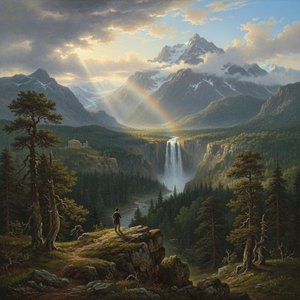
Evoking Nature's Sublime: A Comprehensive Exploration of 19th-Century Landscape Painting
Explore the captivating world of 19th-century landscape painting! Discover renowned artists like Friedrich & Monet, key movements, and find the perfect artwork to bring nature's serenity into your home. Expert insights at AllPaintingsStore.

Romantic Landscapes: 10 Masterpieces for Your Home | AllPaintingsStore
Journey through 10 Romantic landscape masterpieces by Friedrich, Turner & Cole. Explore emotional art, sublime nature scenes & iconic 19th-century paintings. Find museum-quality reproductions for your home at AllPaintingsStore.com – discover the full collection online!

Georges Seurat's Masterpieces: 25 Paintings That Defined Pointillism | AllPaintingsStore
Explore 25 iconic Georges Seurat paintings & discover the brilliance of Pointillism. From 'La Grande Jatte' to his harbor scenes, delve into art history with AllPaintingsStore.com. Find museum-quality reproductions for your home decor. Explore the full collection online!
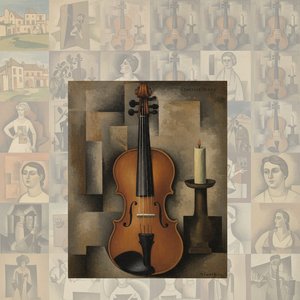
Georges Braque's Masterpieces: 25 Paintings That Defined Cubism & Modern Art | AllPaintingsStore
Explore 25 iconic Georges Braque paintings that revolutionized Cubism & modern art. Discover the stories behind his masterpieces, from Fauvism to Analytical Cubism. Find museum-quality reproductions & elevate your home decor with AllPaintingsStore.com.

Evocations of Place: A Historical Journey Through Landscape Art
Explore the rich history of landscape art with AllPaintingsStore. Discover renowned artists, movements like Impressionism & Romanticism, and expert guidance for collecting timeless pieces. Find your perfect serene escape today!


