The Dawn of Artistic Expression: Prehistoric & Ancient Art
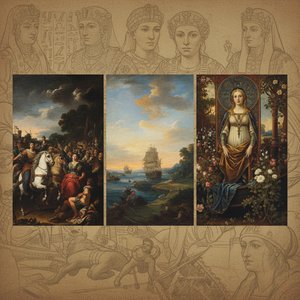
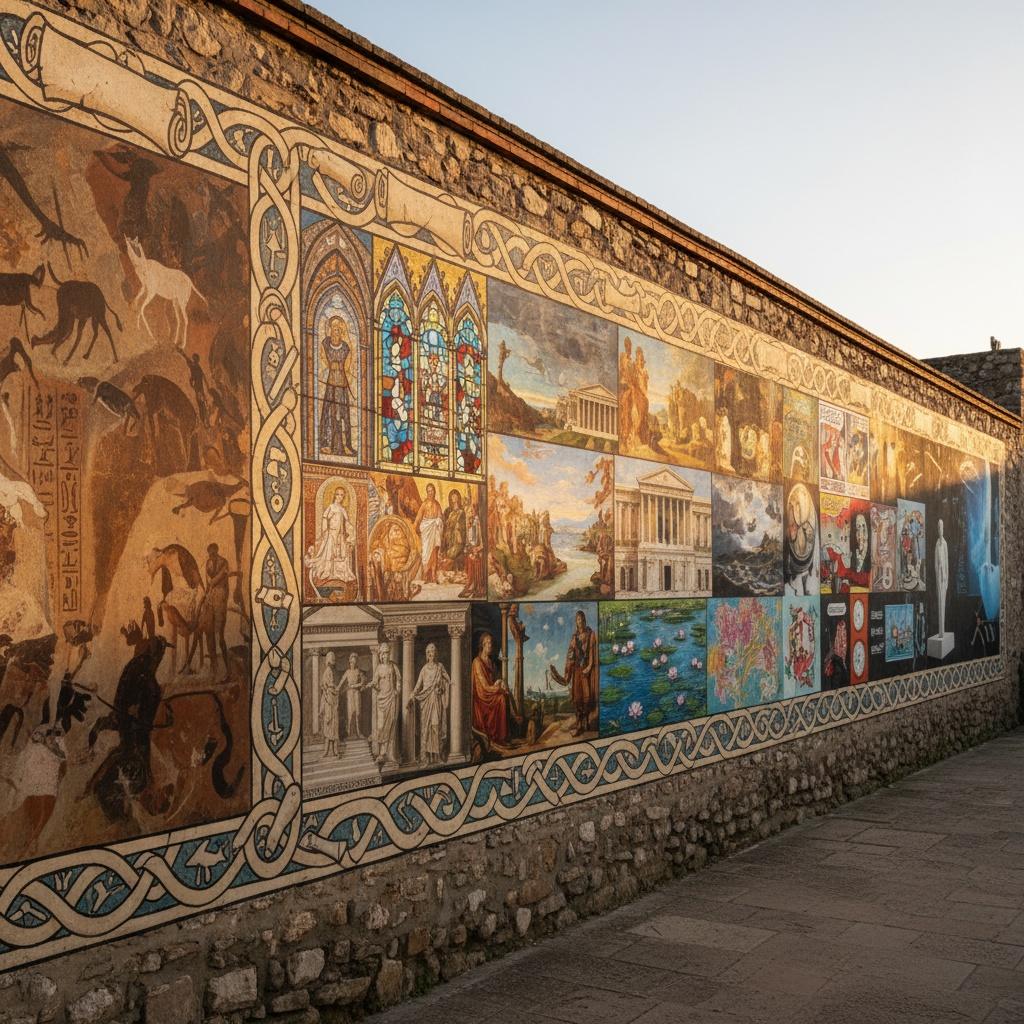
Long before brushstrokes danced across canvas or marble yielded to the sculptor’s chisel, humanity found its voice through art. The earliest expressions, etched onto cave walls in Lascaux and Altamira some 40,000 years ago, weren't merely depictions of animals; they were invocations, stories whispered into the darkness, a primal connection to the natural world. These Paleolithic artists, driven by ritual or perhaps simply observation, laid the foundation for all that would follow. The ochre and charcoal pigments, painstakingly ground and applied, speak to an innate human desire to represent, to understand, and to leave a mark upon existence.
As civilizations blossomed in Mesopotamia, Egypt, Greece, and beyond, art became inextricably linked with power, religion, and societal structure. The monumental architecture of the Egyptians – the pyramids rising as eternal testaments to pharaohs’ divine authority – and the intricate narratives carved into Assyrian reliefs weren't simply aesthetic endeavors; they were declarations of dominion. Greek sculpture, striving for idealized human form, embodied a philosophical pursuit of beauty, proportion, and harmony. The *contrapposto* pose, with its subtle shift in weight, breathed life into marble, capturing a sense of naturalism previously unseen. These ancient cultures didn’t just create art; they codified it, establishing principles that would resonate through millennia.
From Renaissance to Rococo: Defining European Styles (1400-1750)
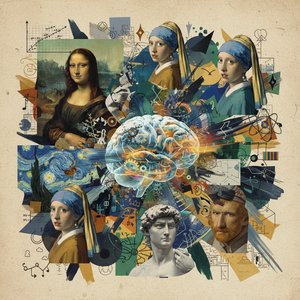
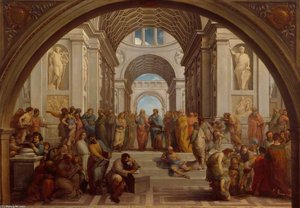
The rediscovery of classical antiquity during the Italian Renaissance ignited a revolution in artistic thought. Artists like Leonardo da Vinci, Michelangelo, and Raphael weren’t simply imitating the past; they were building upon it, infusing ancient forms with newfound realism, perspective, and emotional depth. Da Vinci's *Mona Lisa*, with her enigmatic smile, remains an enduring symbol of this era – a testament to the power of observation and psychological insight. Michelangelo’s Sistine Chapel ceiling, a breathtaking panorama of biblical scenes, showcased not only technical mastery but also a profound understanding of human anatomy and narrative composition.
The Baroque period that followed embraced drama, grandeur, and emotional intensity. Caravaggio's use of *tenebrism* – stark contrasts between light and shadow – imbued his religious paintings with a visceral realism, drawing viewers into the heart of the scene. Later, the Rococo style emerged as a reaction against Baroque severity, favoring delicate ornamentation, pastel colors, and playful themes. Artists like Fragonard captured the aristocratic frivolity of 18th-century France in scenes of courtship and idyllic landscapes – a world on the cusp of dramatic change.
Revolution & Reaction: 19th Century Movements – Realism to Impressionism
The tumultuous events of the 19th century profoundly impacted artistic expression. The rise of industrialization, social unrest, and scientific advancements challenged traditional norms and inspired new ways of seeing the world. Realism, championed by artists like Gustave Courbet, rejected idealized representations in favor of depicting everyday life with unflinching honesty. *The Stone Breakers*, for example, offered a stark portrayal of manual labor, challenging viewers to confront social inequalities.
As photography emerged as a new medium, painters began to explore the subjective experience of perception. Impressionism, led by Claude Monet and Edgar Degas, sought to capture fleeting moments of light and color, abandoning precise detail for an emphasis on atmosphere and sensation. Monet’s *Impression, Sunrise* – from which the movement derived its name – exemplifies this approach, dissolving form into a shimmering haze of color. This was not merely about what they saw, but *how* they saw it.
Modern Art's Bold New Visions: Early 20th Century Transformations
The early 20th century witnessed an explosion of artistic experimentation as artists broke free from traditional constraints and explored new forms of expression. Fauvism, with its bold, non-naturalistic colors, paved the way for Expressionism, which sought to convey inner emotions through distorted forms and jarring compositions. Edvard Munch’s *The Scream* became an iconic symbol of existential angst.
Cubism, pioneered by Pablo Picasso and Georges Braque, shattered conventional notions of perspective and representation, fragmenting objects into geometric shapes and presenting multiple viewpoints simultaneously. This radical departure from realism challenged viewers to reconsider their understanding of space and form. Simultaneously, movements like Futurism celebrated the dynamism of modern technology and speed, while Dadaism embraced absurdity and anti-rationality as a response to the horrors of World War I.
Post-War Innovation and Beyond: Late 20th & 21st Century Trends
The aftermath of World War II ushered in an era of profound artistic innovation. Abstract Expressionism, with artists like Jackson Pollock and Mark Rothko, explored the power of non-representational forms to evoke emotional responses. Pollock’s drip paintings – created by flinging paint onto canvas – were a radical departure from traditional techniques, emphasizing process over product.
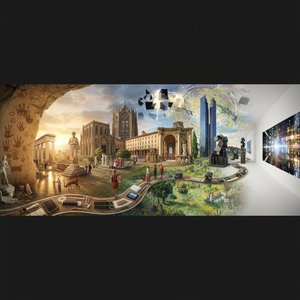
Pop Art, emerging in the 1950s and 60s, embraced popular culture as its subject matter, challenging the boundaries between high art and low culture. Andy Warhol’s iconic images of Campbell's Soup cans and Marilyn Monroe became symbols of consumerism and celebrity. Since then, art has continued to diversify, encompassing a wide range of styles and approaches – from Minimalism and Conceptual Art to Performance Art and Digital Art. Today, artists continue to push boundaries, explore new technologies, and engage with the complex issues facing our world, ensuring that the story of artistic expression remains an ongoing narrative.