


Early Life & Artistic Foundations: A Croatian Heritage
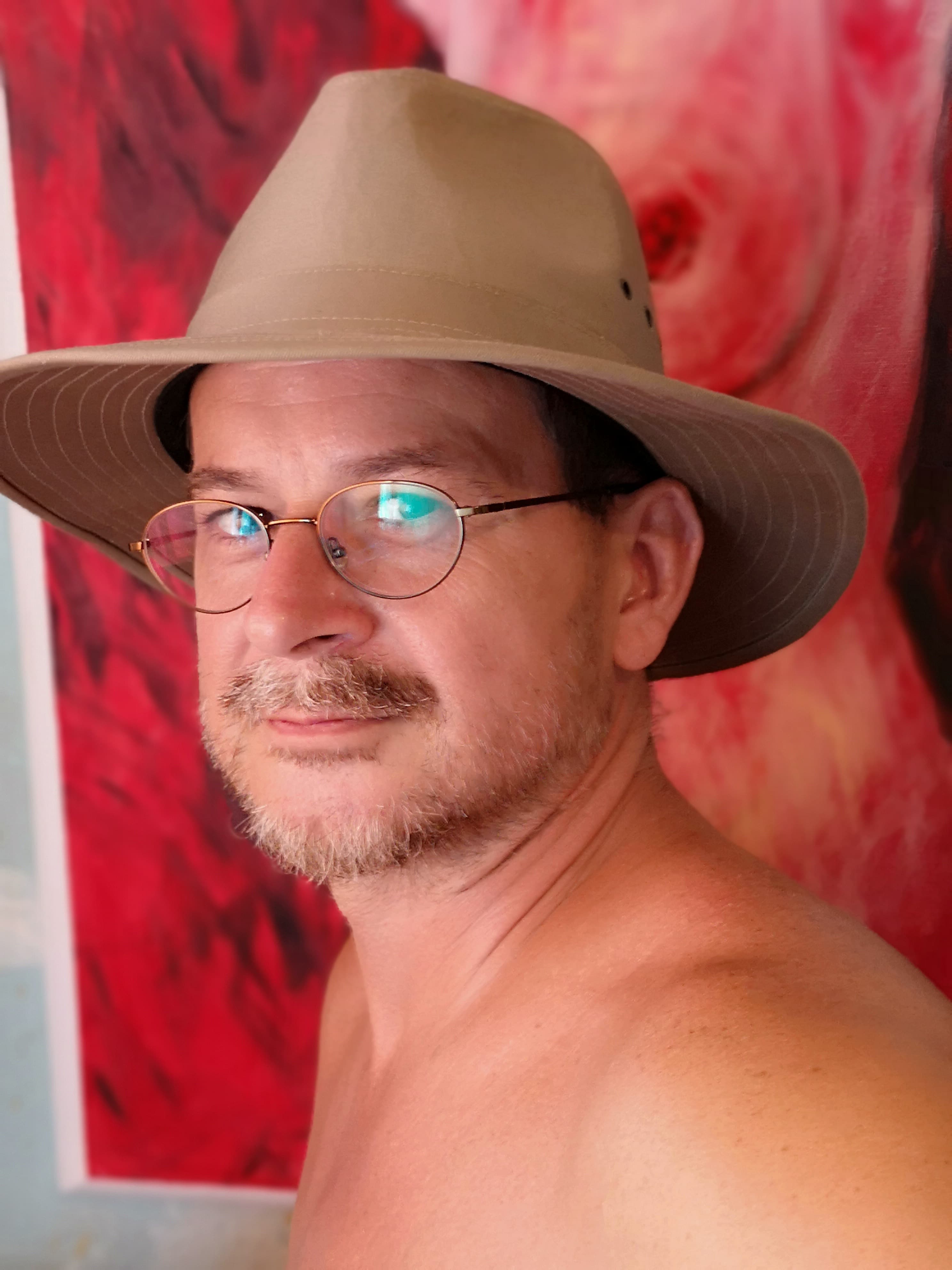 Wikipedia: Alfred Freddy Krupa
Alfred Freddy Krupa (14 June 1971, Karlovac, Yugoslavia) is a Croatian painter and book illustrator. He graduated from the University of Zagreb Academy of Fine Arts in 1995. He published New Ink Art Manifesto in 1996 and departed to Tokyo Gakugei Uni...
Alfred Freddy Krupa’s artistic journey is deeply interwoven with the cultural tapestry of his native Croatia, a land steeped in history and imbued with a unique aesthetic sensibility. Born in Karlovac in 1971, Krupa inherited not merely a profession but a lineage—a family tradition of artistic dedication stretching back generations. His grandfather, Alfred Krupa Sr., a disciple of renowned Polish professors Jozef Mehoffer and Jozef Paniewicz during the vibrant Kraków art scene of the 1930s, instilled in young Alfred a profound respect for craftsmanship and a keen awareness of art’s social responsibility. The Heinrich Palace in Karlovac, the family home, served as an informal academy, filled with the scent of turpentine, the rustle of paper, and lively philosophical debates that shaped Krupa's early understanding of artistic expression. This environment wasn’t simply about mastering technique; it was about recognizing art as a conduit for emotion, memory, and cultural identity.
The formative years were marked by exposure to diverse influences—from the rich symbolism of Croatian folklore to the burgeoning modernist movements sweeping across Europe. While formally educated at the University of Zagreb Academy of Fine Arts (graduating in 1995), Krupa’s artistic curiosity extended beyond conventional boundaries, leading him towards a deeper exploration of Eastern philosophies and aesthetics.
The New Ink Art Manifesto: Defining a Movement
 Neo Minimalism
Experience 'Neo Minimalism' by Alfred Freddy Krupa (2013). This Croatian artist’s evocative work embodies New Ink Art. Hand-painted reproduction, 21x15cm. Own a piece of contemporary art.
In 1996, Alfred Freddy Krupa didn't simply add to the existing discourse on art; he fundamentally altered it with the publication of his New Ink Art Manifesto. This wasn’t merely a declaration of artistic intent but a rigorous theoretical framework positioning his work as a unique synthesis—a bridge between the expressive power of Western modernism and the precision, subtlety, and spiritual depth of East Asian ink techniques. Dissatisfied with the limitations he perceived in both traditions, Krupa sought to forge a new path, one that embraced spontaneity while demanding meticulous control.
The Manifesto articulated a vision where the fluidity of ink became synonymous with the unbroken flow of thought and emotion—a direct response to the often-rigid structures of Western painting. It challenged conventional notions of representation, prioritizing subjective experience over objective reality. This bold statement resonated within the art world, establishing Krupa as a pivotal figure in what would become known as the Western New Ink Art movement.
Technique & Style: Bridging Eastern Tradition with Western Expressionism
Alfred Freddy Krupa (Krūppa) GCCR (14 June 1971, Karlovac, Yugoslavia) is a Croatian contemporary painter, master draughtsman, book artist, art photographer ...
Krupa’s artistic process is characterized by an extraordinary dedication to traditional materials and techniques. He eschews conventional brushes, instead favoring bird feathers—swan and goose quills—as his primary tools. This unconventional choice isn't merely aesthetic; it imbues his work with a unique textural quality and allows for an unparalleled level of control over the ink’s flow. His preference for Chinese and Japanese papers further underscores his commitment to Eastern aesthetics, recognizing their inherent sensitivity and ability to absorb and reveal the nuances of the ink.
However, Krupa doesn't simply replicate Eastern techniques; he infuses them with the raw energy and emotional intensity of Western Expressionism. Art historian Ante Vranković aptly described his work as embodying a “chaotic yet captivating” quality, evoking intense emotion through abstract forms and dynamic compositions. This fusion is evident in pieces like In the cobweb of the sun: above the waterfall and the river Korana, where swirling black and white webs create a visceral sense of movement and unrest. His work also demonstrates elements of Art Informel, emphasizing gesture and improvisation.
Themes and Influences: Mortality, Memory, and the Natural World
Beneath the technical mastery and stylistic innovation lies a profound thematic depth. Krupa’s art consistently grapples with universal human concerns—mortality, memory, and our relationship to the natural world. The rivers Kupa and Korana, which define his hometown of Karlovac, serve as recurring motifs, symbolizing the relentless passage of time and the ephemeral nature of existence.
Influences range from the intricate pen drawings of Rembrandt—a master of light and shadow—to the minimalist strokes of Sesshū Tōyō, a 15th-century Japanese Zen Buddhist painter. The sensual woodblock prints of Edo-period Shunga artists also inform his exploration of form and emotion. The female figure frequently appears in his work, often depicted as a symbol of vulnerability, resilience, and the cyclical nature of life. His paintings aren’t simply representations; they are meditations on the human condition, imbued with a sense of melancholy and quiet contemplation.
Krupa's Global Recognition & Legacy
Alfred Freddy Krupa’s impact extends far beyond the borders of Croatia. His work has been exhibited on six continents, garnering critical acclaim and establishing him as a leading voice in contemporary art. His contributions have been recognized by institutions such as the Tate – London (Special Library Collection), the Metropolitan Museum of Art in New York, and numerous universities worldwide.
In 2023, Krupa received the prestigious Order of Danica Hrvatska and The City of Karlovac Award, acknowledging his significant cultural contributions. His dedication to pushing artistic boundaries—his unwavering commitment to the principles outlined in the New Ink Art Manifesto—has inspired a new generation of artists. More than just a painter, Krupa is a philosopher, an innovator, and a storyteller whose work continues to resonate with audiences seeking meaning and beauty in a complex world.
- Discover more about Alfred Freddy Krupa’s works at WikiArt.





