




The Foundations of Perceptual Psychology: How We 'See' Abstract Art
For centuries, art has been understood as a mirror reflecting the world around us – a faithful depiction of reality, however idealized. But what happens when that reflection is shattered? When artists abandon recognizable forms and embrace abstraction, they don’t simply *remove* subject matter; they fundamentally alter the very act of seeing. Understanding this shift requires delving into the fascinating realm of perceptual psychology, the study of how our brains construct reality from sensory input. It's a field revealing that we don’t passively receive images but actively interpret them, filling in gaps and imposing order on chaos. In abstract painting, devoid of explicit narrative cues, this constructive process is heightened. The canvas becomes a space where color, texture, and composition aren’t merely aesthetic elements but the very building blocks of perception itself.
The Gestalt principles – proximity, similarity, closure, continuity, and common fate – offer valuable insights into how we organize visual information. Our brains instinctively seek patterns and relationships, even in seemingly random arrangements. Abstract artists exploit these tendencies, creating compositions that resonate with our innate perceptual biases. Consider the subtle interplay of color saturation; a vibrant hue surrounded by muted tones will appear more intense than it would in isolation – a phenomenon known as simultaneous contrast. Or the way our eyes follow implied lines and shapes, seeking closure even when they are incomplete. These aren’t accidental effects but deliberate strategies employed to engage the viewer's perceptual system. The absence of representational anchors forces us to rely on these fundamental visual mechanisms, making the experience more subjective and emotionally charged.
Furthermore, the role of past experiences and cultural conditioning cannot be overlooked. Our brains are constantly drawing upon a vast reservoir of memories and associations when interpreting images. An abstract form might evoke a specific emotion or feeling based on our individual history and background. This inherent subjectivity is what makes abstract art so compelling – it’s not about *what* the painting depicts but about *how* it resonates with each viewer. The work becomes a catalyst for introspection, inviting us to explore our own inner landscapes.
Ad Reinhardt and the Subtleties of Illuminated Minimalism
Ad Reinhardt's austere geometric abstractions represent a radical distillation of artistic expression, pushing the boundaries of painting towards an almost absolute zero degree. His signature works – often characterized by subtle variations in black squares – aren’t about what is *present* but about what is *absent*. They challenge traditional notions of composition, color, and form while simultaneously drawing attention to the very act of seeing itself. Reinhardt wasn't interested in creating visually arresting images; he sought to eliminate all extraneous elements, leaving only the essential qualities of painting – the canvas, the paint, and the light that illuminates them.
These paintings are profoundly responsive to their environment. A change in lighting can dramatically alter the perceived color and even reveal hidden layers or nuances previously unseen. What appears as a monolithic black surface under one light source might reveal subtle gradations of blue or red when viewed from a different angle. This sensitivity isn’t accidental; Reinhardt deliberately sought to create paintings that were dynamic and ephemeral, constantly shifting in response to their surroundings. His work embodies a rejection of illusionistic space, instead emphasizing the flatness of the canvas and the materiality of paint. The textured impasto, visible under specific lighting conditions, further complicates the perceptual experience, reminding viewers of the painting’s physical presence.
Reinhardt famously described his paintings as “black on black,” but this seemingly simple statement belies a profound complexity. He wasn't aiming for absolute darkness; he was exploring the subtle nuances within the spectrum of blackness, creating paintings that were both visually and intellectually challenging. His work invites viewers to slow down, to look closely, and to appreciate the delicate interplay between light, color, and form.
Gerhard Richter’s Squeegee Paintings: Dynamic Surfaces & Shifting Light
Gerhard Richter's abstract paintings, often created using a squeegee to manipulate layers of paint, present a unique challenge to traditional notions of authorship and control. Rejecting the heroic gesture of Abstract Expressionism, Richter embraced chance and process, allowing for unpredictable visual effects to emerge. This technique generates surfaces that are inherently responsive to light, creating dynamic perceptual shifts that captivate and confound viewers.
Richter’s method involves layering colors on canvas and then dragging a squeegee across the surface, blurring and blending the pigments in unpredictable ways. The resulting paintings are characterized by a sense of depth and complexity, despite their abstract nature. This process creates surfaces that are highly reflective and responsive to light; different angles of illumination reveal different layers of color and texture, creating a constantly shifting perceptual experience. The squeegee’s action also introduces an element of chance, disrupting the artist's control and allowing for unexpected visual effects. These paintings often appear as if they are in motion, with colors swirling and blending before the viewer’s eyes.
The interplay between light and shadow further enhances this effect, drawing the viewer’s eye into the painting’s depths. Richter’s work challenges viewers to question their own perceptions and acknowledge the role of chance and subjectivity in artistic creation. He doesn't impose a single meaning on his paintings; instead, he allows them to exist as open-ended explorations of color, texture, and light.
Color Field Painting: Immersion, Emotion, and the Power of Luminosity
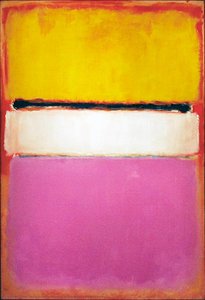
Emerging in the aftermath of Abstract Expressionism, Color Field painting sought to strip away all representational elements, focusing instead on the pure emotional power of color. Artists like Mark Rothko, Barnett Newman, and Helen Frankenthaler created large-scale canvases dominated by expansive fields of saturated hue, inviting viewers into a meditative state of immersion. The movement wasn’t about depicting objects or scenes; it was about creating an experience – a direct encounter with the sublime.
Rothko's signature paintings, characterized by layered rectangles of luminous color, are particularly evocative. He believed that color could express profound human emotions – tragedy, ecstasy, and doom – without resorting to narrative or symbolism. His canvases aren’t simply painted surfaces; they are portals into another realm, inviting viewers to contemplate the fundamental questions of existence. The edges of his forms are often blurred and indistinct, creating a sense of depth and expansiveness that draws the viewer in.
Barnett Newman's works, punctuated by vertical lines he called “zips,” explore similar themes. These zips aren’t merely formal elements; they represent moments of transcendence, breaking through the vastness of color to create a sense of spiritual awakening. The scale of these paintings is crucial – they are meant to envelop the viewer, creating an immersive experience that transcends the limitations of everyday perception. Color Field painting isn't about what you *see* but about how you *feel*.
Beyond Representation: Contemporary Artists Expanding Perceptual Boundaries
The legacy of abstract art continues to resonate with contemporary artists who are pushing the boundaries of perceptual experience in new and innovative ways. From light installations that transform space into immersive environments to paintings that explore the subtle nuances of color and texture, these artists are challenging our assumptions about what painting can be.
Annette Schmucker’s work embodies this spirit of experimentation, merging light, color, and gestural exploration to create evocative visual landscapes. Her canvases often exhibit multiple strata of translucent color, each layer contributing to a sense of depth and expansiveness. She approaches luminosity as a phenomenon to be felt rather than calculated, creating paintings that shimmer and resonate with inner light.
Other contemporary artists are exploring the intersection of painting and technology, using digital tools to generate dynamic visual effects that respond to environmental factors or viewer interaction. These works challenge the traditional notion of the artist as sole creator, inviting collaboration and blurring the boundaries between art and life. The common thread uniting these diverse approaches is a commitment to expanding our perceptual horizons, challenging us to see the world in new and unexpected ways.
Collecting Abstract Art with an Eye for Illumination: Considerations for Value & Placement
Investing in abstract art requires more than just aesthetic appreciation; it demands a discerning eye and a deep understanding of artistic context. When considering a purchase, pay attention to the artist’s technique, materials, and historical significance. The quality of light within the painting is paramount – does it create depth, evoke emotion, or challenge your perceptions? Consider the provenance of the work – its history of ownership and exhibition – as this can significantly impact its value.
Placement is equally crucial. Abstract paintings often require ample space to breathe, allowing their colors and forms to resonate fully. Natural light is ideal, but avoid direct sunlight, which can fade the pigments over time. Consider the surrounding décor – choose a setting that complements the painting’s aesthetic without overwhelming it.
AllPaintingsStore offers a curated selection of museum-quality abstract reproductions and original works, providing collectors with access to a diverse range of styles and artists. Our expert consultants can assist you in selecting pieces that match your space and vision, ensuring a lasting investment that will enrich your life for years to come. Explore our collection today and discover the transformative power of abstract art.





