Introduction
Imagine stepping back in time to a world brimming with artistic revolution—a moment where painters dared to break free from the constraints of realism and embrace subjective vision. This is the essence of Post-Impressionism, a movement that wasn’t a unified style but rather a collective spirit of innovation born from the foundations laid by the Impressionists.
Emerging in France during the late 19th century—roughly between 1886 and 1905—Post-Impressionism arose as artists began to question the limitations of capturing fleeting moments. While they admired the Impressionists’ focus on light and color, they sought something more profound: an expression of inner emotion, symbolic meaning, and a deeper engagement with form. It was a period fueled by rapid industrialization, urbanization, and evolving philosophical ideas—a time when artists felt compelled to reflect not just what they saw, but how they felt about it.
The term “Post-Impressionism” itself was coined retrospectively in 1910 by art critic Roger Fry, recognizing a shared departure from the purely optical concerns of Impressionism. Artists like Vincent van Gogh, Paul Cézanne, Paul Gauguin, and Georges Seurat each forged their own unique path, experimenting with bold colors, distorted forms, and personal symbolism.
These weren’t simply aesthetic choices; they were attempts to grapple with the complexities of modern life, explore spirituality, and redefine the very purpose of art. The impact of these pioneers reverberates through the 20th century and continues to inspire artists today. Their works invite us to look beyond the surface, to contemplate the human condition, and to appreciate the power of individual expression.
Join us as we embark on a journey through ten masterpieces that encapsulate the spirit of Post-Impressionism—paintings that not only defined an era but continue to captivate and challenge our perceptions of beauty, truth, and the world around us. Prepare to be moved by their vibrant colors, evocative forms, and enduring emotional resonance.
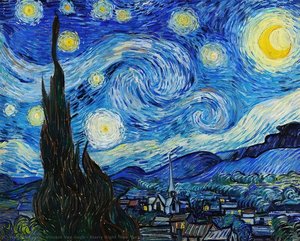
Starry Night (New York, MoMA) - Vincent Willem van Gogh
 Starry Night (New York, MoMA) - Vincent Willem van Gogh
To stand before Vincent van Gogh’s Starry Night is to encounter a legend—a window into the soul of an artist grappling with both profound despair and transcendent beauty. Painted in 1889 during his stay at the Saint-Paul-de-Mausole asylum, this masterpiece isn't merely a landscape; it’s a visceral embodiment of emotion, securing its place among the Top 10 Post-Impressionist works.
The painting’s power lies in Van Gogh’s revolutionary technique. Thick impasto—layers of paint applied with unrestrained energy—creates a tactile surface that seems to pulse with life. Swirling brushstrokes animate the night sky, conveying a sense of cosmic movement and inner turmoil. The vibrant blues and yellows contrast dramatically with the darker tones below, heightening the emotional impact.
Beyond its aesthetic brilliance, Starry Night is rich in symbolism. The towering cypress tree—a traditional emblem of death—also reaches towards the heavens, suggesting a yearning for connection and spiritual release. The eleven stars, radiating an ethereal glow, evoke wonder and contemplation. This work resonates deeply with modern sensibilities, finding its place in refined interiors as a testament to enduring human emotion.
Starry Night continues to inspire artists and captivate collectors—a timeless icon of Post-Impressionism that speaks to the power of subjective vision and the beauty found within vulnerability. Its legacy extends beyond art history, influencing design aesthetics and reminding us of the profound connection between art, emotion, and the human spirit.
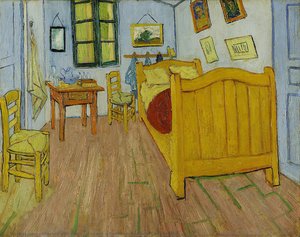
Van Gogh's Bedroom in Arles (First version) - Vincent Willem van Gogh
 Van Gogh's Bedroom in Arles (First version) - Vincent Willem van Gogh
To enter Van Gogh’s Bedroom in Arles (First version) is to step into a sanctuary—a space not of opulent comfort, but of profound emotional honesty. Painted in 1888, this isn't simply a depiction of a room; it’s an intimate portrait of the artist’s yearning for peace and stability, securing its place among the Top 10 Post-Impressionist masterpieces.
Van Gogh deliberately moved beyond mere representation, employing bold, non-naturalistic colors and subtly distorted perspective to evoke feeling. The vibrant yellows—symbolizing hope yet tinged with anxiety—dominate the scene, while cool blues suggest solitude. His signature impasto technique creates a dynamic interplay of light and shadow, lending depth and physicality.
Every element carries symbolic weight: the two chairs representing Van Gogh and a hoped-for companion, the pictures on the wall hinting at artistic influences. Yet, unsettling details—the tilted floor, closed shutters—contribute to a feeling of confinement. This work resonates deeply because it transcends aesthetics; it’s a universal portrayal of loneliness and the search for inner peace.
At , we strive to capture this emotional resonance in our faithful reproductions, preserving the texture and vibrancy that define Van Gogh's vision. Bringing Van Gogh’s Bedroom into your home is an invitation to experience a moment of quiet contemplation—a timeless testament to the power of subjective expression.
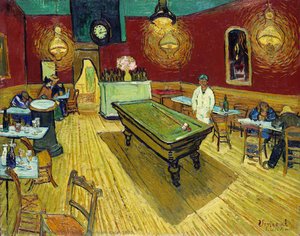
The Night Cafe - Vincent Willem van Gogh
 The Night Cafe - Vincent Willem van Gogh
To encounter The Night Cafe is to step into a world both alluring and unsettling—a haunting vision of nocturnal life rendered with Van Gogh’s signature emotional intensity. Painted in 1888, this isn't merely a depiction of an interior; it’s a profound psychological study that secures its place among the Top 10 Post-Impressionist masterpieces.
Van Gogh deliberately moved beyond mere representation, employing color and form to convey inner experience. The thick impasto—layers of paint applied so heavily they create a tactile surface—is immediately striking, imbuing the scene with restless energy. Swirling brushstrokes animate the space, reflecting the emotional turmoil often associated with the artist.
The intense color palette is crucial to understanding its impact: dominant reds and ochres evoke warmth but also oppression, contrasting sharply with cooler greens and blues. Within this seemingly mundane setting, Van Gogh explores themes of isolation and alienation. This work resonates deeply because it transcends aesthetics; it’s a universal portrayal of the human condition.
At , we strive to capture this emotional depth in our faithful reproductions, preserving the texture and vibrancy that define Van Gogh's vision. Bringing The Night Cafe into your home is an invitation to experience a moment of quiet contemplation—a timeless testament to the power of subjective expression.
Cafe Terrace on the Place du Forum, Arles, at Night - Vincent Willem van Gogh
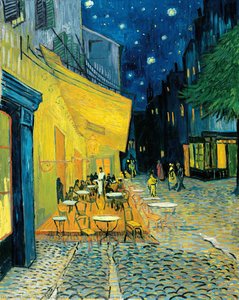 Cafe Terrace on the Place du Forum, Arles, at Night - Vincent Willem van Gogh
To gaze upon Cafe Terrace on the Place du Forum, Arles, at Night is to be immersed in a world alive with color and emotion—a vibrant exploration of human connection under the vastness of the night sky. Painted in 1888, this isn't merely a depiction of a place; it’s a powerful expression of Van Gogh’s emotional response to the world around him, securing its place among the Top 10 Post-Impressionist masterpieces.
Van Gogh rejected purely optical representation, employing bold, expressive brushstrokes and an intensely personal color palette to convey not just *what* he saw, but *how* he felt. The thick application of paint—known as impasto—gives the canvas a remarkable texture and three-dimensional quality.
The warm yellows and oranges emanating from the café’s gas lamps create a welcoming beacon against the deep blues and purples of the night sky, inviting viewers into a scene both bustling and solitary. This work resonates deeply because it transcends aesthetics; it's a universal portrayal of refuge and community in the darkness.
At , we strive to capture this emotional depth in our faithful reproductions, preserving the texture and vibrancy that define Van Gogh’s vision. Bringing Cafe Terrace on the Place du Forum into your home is an invitation to experience a moment of quiet contemplation—a timeless testament to the power of subjective expression.
Harmony in Red - Henri Matisse
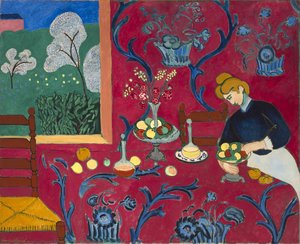 Harmony in Red - Henri Matisse
Imagine stepping into a room bathed in crimson—a sanctuary where color reigns supreme and everyday life is transformed into a symphony of sensation. Harmony in Red , created by Henri Matisse in 1908, isn’t merely a depiction of an interior; it’s a carefully orchestrated emotional experience, securing its place among the Top 10 Post-Impressionist masterpieces.
Matisse deliberately moved beyond traditional representation, prioritizing the expressive power of color and simplified forms. The flattened perspective and patterned surfaces create a distinctly modern visual language—a shimmering tapestry woven with strokes of pure pigment.
The dominant shades of red—ranging from deep magenta to rose—are contrasted with cool greens and blues, resulting in a dynamic interplay that captivates the eye. This work resonates deeply because it transcends aesthetics; it’s a universal portrayal of refuge and contemplation.
At , we strive to capture this emotional depth in our faithful reproductions, preserving the texture and vibrancy that define Matisse’s vision. Bringing Harmony in Red into your home is an invitation to experience a moment of quiet contemplation—a timeless testament to the power of subjective expression.
Sleeping Gypsy - henri julien félix rousseau (le douanier)
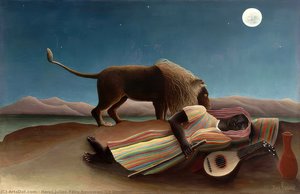 Sleeping Gypsy - henri julien félix rousseau (le douanier)
To gaze upon Sleeping Gypsy is to enter a dreamscape—a world where vulnerability and power coexist under the watchful gaze of a majestic lion. Created by Henri Rousseau in 1897, this isn’t merely a depiction of a scene; it’s a carefully constructed mystery that secures its place among the Top 10 Post-Impressionist masterpieces.
Rousseau deliberately moved beyond traditional representation, opting for a flattened perspective and simplified forms. This uniquely expressive visual language—often described as *Naive* or *Primitive*—captivates with its childlike directness and dreamlike quality.
The sleeping Gypsy embodies peaceful surrender, while the lion exudes quiet strength. The moon bathes the scene in an ethereal glow, reinforcing its otherworldly atmosphere. This work resonates deeply because it transcends aesthetics; it’s a universal portrayal of trust, fate, and the delicate balance between vulnerability and resilience.
At , we strive to capture this emotional depth in our faithful reproductions, preserving the texture and vibrancy that define Rousseau’s vision. Bringing Sleeping Gypsy into your home is an invitation to experience a moment of quiet contemplation—a timeless testament to the power of subjective expression.
Nafeaffaa Ipolpo (also known as When Will You Marry.) - Eugène Henri Paul Gauguin
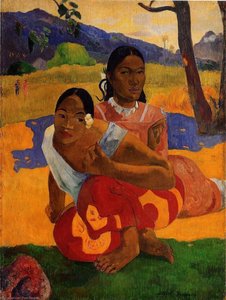 Nafeaffaa Ipolpo (also known as When Will You Marry.) - Eugène Henri Paul Gauguin
To encounter Nafea faa ipoipo? is to step into a world of vibrant color and enigmatic beauty—a window into Tahitian life that continues to captivate viewers over a century later. Painted in 1892, this isn’t merely a depiction of two women; it’s a profound exploration of cultural identity and the artist's own complex relationship with the exotic, securing its place among the Top 10 Post-Impressionist masterpieces.
Gauguin deliberately moved beyond traditional representation, embracing a Synthetist style characterized by flattened perspectives and intensely saturated colors. The visible brushstrokes imbue the painting with a sense of immediacy, while the simplified forms prioritize expressive power over accurate depiction.
The intimate repose of the two women invites contemplation about societal expectations and personal desires within Polynesian culture. This work resonates deeply because it transcends aesthetics; it’s a universal portrayal of companionship and the search for meaning in a vibrant world.
At , we strive to capture this emotional depth in our faithful reproductions, preserving the texture and vibrancy that define Gauguin’s vision. Bringing Nafea faa ipoipo? into your home is an invitation to experience a moment of quiet contemplation—a timeless testament to the power of subjective expression.
Where do we come from what are we where are we going - Eugène Henri Paul Gauguin
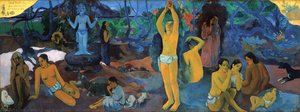 Where do we come from what are we where are we going - Eugène Henri Paul Gauguin
To stand before Where Do We Come From? What Are We? Where Are We Going? is to be confronted with humanity’s most profound questions—a visual poem that transcends time and culture. Created during Gauguin’s time in Tahiti, this monumental painting isn’t merely an artwork; it’s a philosophical exploration of existence itself, securing its place among the Top 10 Post-Impressionist masterpieces.
Gauguin deliberately moved beyond traditional representation, employing Synthetism—a technique prioritizing subjective experience and symbolic meaning. The rich palette, dominated by blues contrasted with warm yellows and oranges, isn’t naturalistic but chosen for its emotional impact.
The composition presents a complex allegorical scene populated by thirteen figures representing different stages of life. This work resonates deeply because it transcends aesthetics; it’s a universal portrayal of the human journey—from birth to death, from innocence to contemplation.
At , we strive to capture this emotional depth in our faithful reproductions, preserving the texture and vibrancy that define Gauguin’s vision. Bringing Where Do We Come From? What Are We? Where Are We Going? into your home is an invitation to experience a moment of quiet contemplation—a timeless testament to the power of subjective expression.
The Blue Room - Suzanne Valadon
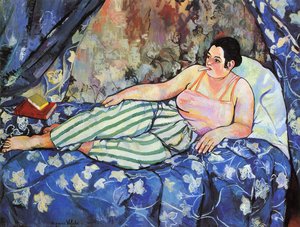 The Blue Room - Suzanne Valadon
To encounter The Blue Room is to step into a world of quiet rebellion and modern intimacy—a strikingly original vision that redefined the female nude and secured Suzanne Valadon’s place among the Post-Impressionist masters. Painted in 1923, this isn't simply a depiction of a reclining figure; it’s a statement about independence, introspection, and the complexities of contemporary life.
Valadon embraces visible brushwork and a textured surface, lending a tactile quality to the work. The unconventional color palette – dominated by cool blues contrasted with warm oranges and reds – creates a dynamic tension that draws the viewer in. She subverts the traditional male gaze, presenting a real woman—clothed in pajamas, casually smoking, absorbed in a book.
This painting resonates deeply because it challenges established artistic conventions and offers a more authentic portrayal of femininity. At , we strive to capture this emotional depth in our faithful reproductions, preserving the texture and vibrancy that define Valadon’s vision. Bringing The Blue Room into your home is an invitation to experience a moment of quiet contemplation—a timeless testament to the power of subjective expression.
Self Portrait - Vincent Willem van Gogh
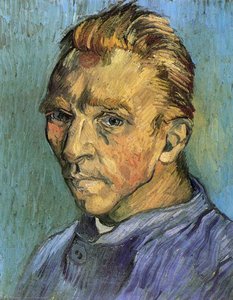 Self Portrait - Vincent Willem van Gogh
To encounter Self Portrait is to gaze directly into the soul of Vincent van Gogh—a profoundly moving and intimate glimpse into the inner world of a tormented genius. Painted in 1889, during a period of intense self-examination, this isn't simply a likeness; it’s a raw and honest portrayal of vulnerability, anxiety, and artistic fervor, securing its place among the Post-Impressionist masterpieces.
Van Gogh employed expressive brushstrokes and vibrant color to convey emotion. The thick impasto – the visibly textured application of paint – is particularly striking, lending a tactile quality that draws the viewer in. His direct gaze compels connection, demanding attention from the viewer.
This painting resonates deeply because it transcends mere representation; it’s a powerful symbol of the artist's inner turmoil. At , we strive to capture this emotional depth in our faithful reproductions, preserving the texture and vibrancy that define Van Gogh’s vision. Bringing Self Portrait into your home is an invitation to experience a moment of quiet contemplation—a timeless testament to the power of subjective expression.
Conclusion
As the light fades on our journey through these ten defining works of Post-Impressionism, we’re reminded that these paintings are far more than historical treasures—they are living presences. They pulse with the same emotional energy today as when their brushes first touched canvas, continuing to move hearts and ignite imaginations across generations.
Each artwork offers a unique window into the human condition, inviting us to contemplate our place in the world, the nature of beauty, and the enduring power of artistic expression. From Van Gogh’s turbulent self-portraits to Gauguin’s explorations of primal existence, these masterpieces speak to something fundamental within us all.
At , we believe that art should be accessible—not confined to museums or galleries, but woven into the fabric of everyday life. We are honored to partner with interior designers and architects in bringing these iconic works – and countless others – to hotels, villas, and refined interiors around the globe.
Whether you’re envisioning a custom collection tailored to your unique aesthetic, seeking art mockups to visualize your project, or simply searching for museum-quality reproductions that transform a space, we are here to help. Let us guide you in creating an artistic statement that resonates with your vision and elevates every environment.
Explore our full collection of Post-Impressionist masterpieces and discover the timeless beauty that awaits. May these artworks continue to inspire, provoke thought, and enrich your world for years to come.