

From Viral Trend to Tangible Treasure: The Unexpected Journey of Internet Memes
The internet meme, a fleeting spark of shared consciousness in the vast digital ether, has undergone an astonishing metamorphosis. What began as pixelated jokes and rapidly disseminated images now finds itself unexpectedly enshrined on canvas, transforming from ephemeral amusement into enduring art objects. This journey isn’t merely about aesthetics; it's a profound cultural shift—a desire to capture, solidify, and legitimize moments born in the chaotic landscape of online life. Originally conceptualized by Richard Dawkins in The Selfish Gene as units of cultural transmission, memes have evolved beyond simple replication into complex expressions of collective experience. The speed with which they proliferate through platforms like Twitter, Instagram, and TikTok creates a unique dynamic where ideas are both born and die within days, even hours. This inherent transience makes their preservation all the more remarkable.
The act of translating a meme onto canvas is an inherently contradictory gesture—an attempt to arrest movement in a static form. It’s a re-evaluation of value, elevating what was once considered disposable digital ephemera to the realm of fine art. Skilled artists imbue these images with new life, often employing techniques that echo historical painting traditions. This isn't simply reproduction; it’s interpretation, a layering of meaning onto an already densely coded cultural artifact. The popularity of this trend speaks to a broader human impulse—the need to memorialize shared experiences and find beauty in the unexpected corners of our collective consciousness.
The Art of Appropriation: Meme Culture, Copyright, and Creative Recontextualization
Appropriation has been a driving force in artistic innovation for centuries. From Marcel Duchamp’s readymades—found objects elevated to art through sheer conceptual power—to Andy Warhol’s silkscreen prints that transformed consumer products into icons, artists have consistently challenged notions of originality by recontextualizing existing imagery. However, the appropriation inherent in meme-based art presents a unique set of challenges and opportunities. Warhol's work appropriated mass-produced objects; memes are frequently created collaboratively online, raising complex questions about authorship and ownership. The legal landscape surrounding the use of copyrighted material is often murky, with many instances falling under fair use due to parody or transformative nature.
The key lies in the degree of transformation. Does the new artwork add significant value or meaning to the original source? Pop Surrealism, exemplified by artists like George Condo and Robert Williams, provides a compelling parallel. These artists blend popular culture imagery with dreamlike aesthetics, creating unsettling yet captivating works that challenge conventional notions of taste and beauty. Meme art can be seen as a contemporary extension of this movement, utilizing digital content instead of traditional sources. The act of remixing, altering, and recontextualizing existing images is central to both artistic traditions, but the speed and scale of meme culture amplify these processes exponentially.
Fan Art & the Rise of Digital Customization: Paving the Way for Meme-Based Creations
Before memes graced canvases, fan art laid much of the groundwork. Initially relegated to niche corners of the internet—online forums and personal websites—fan art has experienced a remarkable surge in popularity, fueled by platforms like DeviantArt, Tumblr, and Instagram. This growth is driven by a desire for deeper engagement with beloved characters, stories, or franchises. The ability to customize existing content—to reimagine it through personal artistic interpretation—is central to both fan art and meme creation. While fan art typically focuses on celebrating established narratives, memes tend to be more satirical or subversive.
The commercialization of fan art has blurred the lines between amateur creativity and professional artistry, with many artists now earning a living from commissioned pieces and print sales. This trend reflects a broader shift in the art market towards personalized experiences and niche interests. The demand for custom artwork—including meme-based paintings—highlights a desire for unique expressions of identity and belonging within online communities. Both fan art and meme culture demonstrate a democratization of artistic expression, empowering individuals to participate actively in the creation and dissemination of culture.
Preserving Ephemerality: Archiving Online Culture and the Role of Physical Art
The internet is notoriously volatile—websites disappear, file formats become obsolete, and social media platforms evolve at an unrelenting pace. This inherent instability presents a significant challenge to digital preservation. Memes, in particular, are notoriously difficult to archive due to their rapid evolution and distributed nature. Initiatives like Know Your Meme attempt to document the origins and spread of memes, but even these efforts struggle to capture the full complexity of online culture.
The act of transforming a meme into a physical artwork—a canvas painting—can be seen as a form of digital preservation in itself. It creates a tangible record of an ephemeral moment, safeguarding it from potential loss or obsolescence. However, this approach is limited by its selectivity; only a small fraction of memes are ever translated into physical forms. More comprehensive strategies for digital preservation include web archiving projects, metadata tagging to provide context and provenance, and the development of standardized formats for storing online content. Ultimately, preserving the spirit of internet culture requires a multi-faceted approach that combines technological solutions with cultural acts of documentation and artistic intervention.
Aesthetic Disruptions: The Unique Visual Language of Canvas Memes
The aesthetic qualities of meme-based art are often unexpected, blending humor, irony, and visual simplicity with the traditional techniques of painting. Frequently employing a deliberately lowbrow aesthetic—embracing imperfections and amateurish qualities that contrast sharply with the polished surfaces of traditional fine art—these images carry a subversive energy. However, when translated into canvas paintings, these memes often undergo a process of refinement, with skilled artists adding layers of detail and texture to elevate their visual appeal.
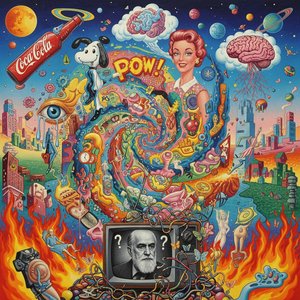
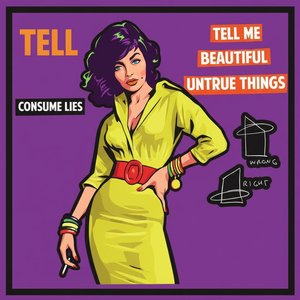
The juxtaposition of digital imagery with traditional painting techniques creates a unique tension—a collision between high and low culture that is reminiscent of Pop Surrealism. Artists masterfully blend cartoonish figures with classical portraiture, creating unsettling yet captivating images. The use of bright colors, bold lines, and exaggerated forms further contributes to its distinctive aesthetic. This isn’t about replicating the original meme perfectly; it's about reinterpreting it through a different lens, imbuing it with new meaning and artistic depth.
Memes as Modern Commentary: Reflecting Society, Politics, and Collective Identity
The cultural significance of memes extends far beyond simple entertainment. They serve as a powerful tool for expressing shared experiences, satirizing political events, and fostering a sense of collective identity in an increasingly fragmented world. The rapid dissemination of memes allows them to respond quickly to current events, often providing a more nuanced and immediate commentary than traditional media.
The ability to create and share memes empowers individuals to participate actively in public discourse, challenging established narratives and offering alternative perspectives. This isn’t merely about humor; it's about social critique, political activism, and the formation of online communities. The enduring appeal of memes lies in their ability to tap into universal human emotions—irony, frustration, joy, and a shared sense of absurdity. By transforming these fleeting moments into tangible art objects, we not only preserve them for future generations but also elevate them to the status of cultural artifacts worthy of study and appreciation.