


Early Life & Artistic Foundations: A Pre-Raphaelite Beginning
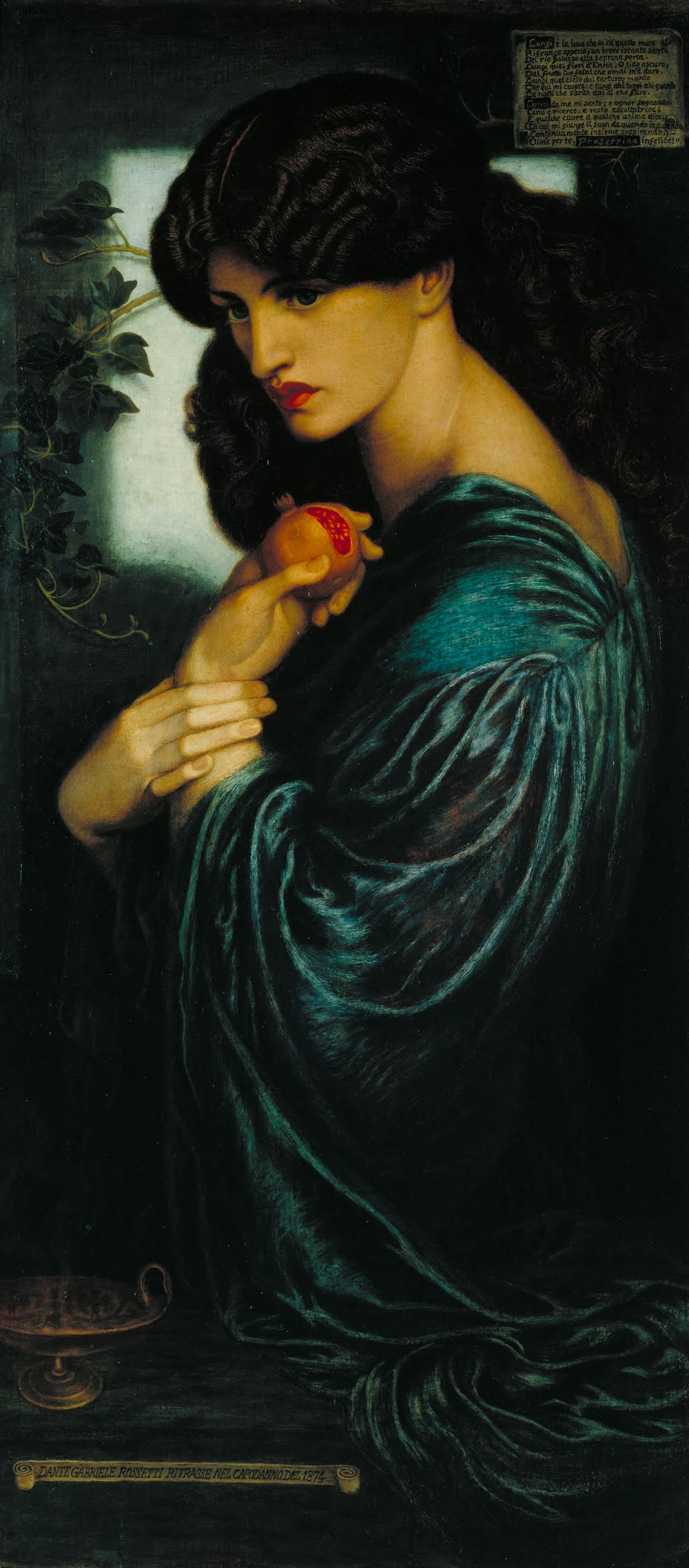 Wikipedia: Pre-Raphaelite Brotherhood
The Pre-Raphaelite Brotherhood (PRB), later known as the Pre-Raphaelites, was a group of English painters, poets, and art critics, founded in 1848 by William Holman Hunt, John Everett Millais, Dante Gabriel Rossetti, William Michael Rossetti, James ...
Sir William Blake Richmond, born in 1842 into a family steeped in artistic tradition – his father, George Richmond, was a celebrated portraitist and friend to William Blake himself – inherited not merely a lineage but an aesthetic sensibility. His early years were marked by delicate health, necessitating a home education that fostered a deep immersion in drawing and painting before formal training commenced at the Royal Academy Schools at the remarkably young age of fourteen. This period wasn’t simply about mastering technique; it was about absorbing the spirit of artistic inquiry, a pursuit further nurtured through private lessons with John Ruskin, whose passionate advocacy for truth to nature would profoundly shape Richmond's initial direction. The burgeoning Pre-Raphaelite Brotherhood cast a long shadow over this formative phase. While Richmond never formally joined their ranks, the movement’s emphasis on detailed observation, vibrant color, and narrative storytelling resonated deeply within his work. His early paintings, such as Enid and Geraint (1859), reveal a nascent talent for capturing romantic themes with a meticulous attention to detail that foreshadowed his later mastery of portraiture.
The Shift Towards Classicism & Aesthetic Ideals
Richmond’s artistic journey wasn't one of unwavering adherence, but rather a graceful evolution. Following several sojourns in Italy – beginning in 1859 and culminating in a four-year residency in Rome starting in 1865 – his style underwent a significant transformation. Immersed in the grandeur of Renaissance masters like Michelangelo, Tintoretto, and Giotto, he began to move away from the overt narrative focus of Pre-Raphaelitism towards a more classical sensibility. This wasn’t an abandonment of earlier influences, but rather a synthesis; Richmond sought to combine the meticulous detail and luminous color palette of the Brotherhood with the compositional balance and idealized forms of Renaissance art. This period also saw him encounter Frederic Leighton and Giovanni Costa, artists who shared his growing interest in aesthetic principles – the pursuit of beauty for its own sake, divorced from moral or didactic concerns. This embrace of “art for art’s sake” would become a defining characteristic of Richmond's mature work.
Richmond's Masterwork: Mosaics at St Paul’s Cathedral and the Arts & Crafts Movement
 Wikipedia: William Blake Richmond
Sir William Blake Richmond PPRBSA (29 November 1842 – 11 February 1921) was a British painter, sculptor and a designer of stained glass and mosaic. He is best known for his portrait work and decorative mosaics in St Paul's Cathedral in London. Richm...
While celebrated as a portraitist, it is perhaps Richmond’s monumental undertaking – the design and execution of mosaics within St Paul’s Cathedral – that cemented his legacy. Commissioned in 1882, this project wasn't merely decorative; it was a bold statement about the potential for art to elevate the spiritual experience. Richmond vehemently criticized the “caves of white-washed sepulchres” he saw in many British churches, advocating for vibrant color and harmonious design. His collaboration with James Powell & Sons, renowned glassmakers, proved pivotal. Richmond’s insistence on bold colors and innovative materials expanded the palette available to mosaic artists, influencing a generation and directly contributing to the burgeoning Arts and Crafts Movement. The mosaics weren't simply reproductions of existing designs; they were original compositions imbued with symbolic meaning and executed with painstaking detail, transforming the cathedral into a breathtaking testament to artistic vision.
Portraiture as a Reflection of Victorian Society
 William Webster Fisher
Admire 'William Webster Fisher' by Sir William Blake Richmond – a stunning portrait in academic regalia. Explore this realistic 19th-century masterpiece & discover Richmond’s artistry.
Despite his forays into mosaic design and sculpture, portraiture remained central to Richmond’s career. He possessed an uncanny ability to capture not merely likeness but *character* – the inner life of his sitters revealed through subtle nuances of expression and pose. His portraits weren't simply records of wealth or status; they were insightful studies of Victorian society itself. He painted Prime Minister William Ewart Gladstone, capturing the statesman’s formidable intellect and unwavering resolve. He immortalized Charles Darwin, conveying a sense of quiet contemplation and scientific curiosity. Figures like Robert Louis Stevenson and William Morris – representing the literary and artistic currents of the age – also graced his canvases. Richmond's skill lay in his ability to adapt his style to suit each subject, ranging from academic regalia for prominent scholars to more intimate portrayals that revealed a deeper emotional connection.
Beyond Painting: Sculpture, Stained Glass, and Richmond’s Diverse Talents
Richmond’s artistic curiosity extended far beyond the canvas. He ventured into sculpture, creating works like An Athlete (located in St Peter's Square, Hammersmith), demonstrating a mastery of form and anatomical precision. His designs for stained glass windows – notably those at Holy Trinity, Sloane Street, London, and St Mary’s Church, Stretton, Derbyshire – further showcased his commitment to harmonious color and symbolic imagery. He even composed music in his later years, revealing a multifaceted talent that transcended traditional artistic boundaries. This willingness to explore diverse mediums wasn't simply about diversification; it was an expression of Richmond’s belief in the interconnectedness of all art forms, each capable of enriching and informing the others.
Legacy and Influence: A Lasting Impact on British Art
Sir William Blake Richmond’s influence reverberates through British art history. His synthesis of Pre-Raphaelite detail with classical ideals paved the way for a new generation of artists who sought to combine beauty, craftsmanship, and intellectual depth. His pioneering work in mosaic design transformed the aesthetic landscape of religious spaces, inspiring countless others to embrace color and symbolism. While perhaps not as widely recognized as some of his contemporaries, Richmond’s contributions were profound and enduring. He bridged artistic movements, championed the Arts and Crafts ideal, and left behind a body of work that continues to captivate and inspire. Discovering Richmond's art is an invitation to explore a pivotal moment in British history – a time when artists dared to redefine beauty and elevate the human spirit through their creations. Explore more masterpieces at AllPaintingsStore.com, where you can find high-quality reproductions of Richmond’s iconic works and delve deeper into the world of Victorian art.





