




The Rise of Rococo: From Baroque Grandeur to Intimate Elegance
Rococo, less commonly Roccoco ( rə-KOH-koh, US also ROH-kə-KOH; French: [ʁɔkɔko] or [ʁokoko] ), also known as Late Baroque, is an exceptionally ornamental and dramatic style of architecture, art, and decoration which combines asymmetry, scrolling cu...
The early 18th century witnessed a subtle yet profound shift in artistic sensibilities, a move away from the imposing drama of the Baroque towards a more delicate and intimate aesthetic that we now recognize as Rococo. Born not from revolution but from refinement, Rococo emerged in France as a reaction against the rigid formality of Louis XIV’s court at Versailles. Where Baroque art served to glorify power – think monumental canvases depicting heroic battles or religious fervor – Rococo sought beauty in pleasure, lightness, and the subtle nuances of aristocratic life. This wasn't simply a change in style; it reflected a fundamental shift in values, a growing desire for personal enjoyment and a retreat from the public spectacle into private salons filled with wit, music, and conversation. The heavy drapes and somber tones of the previous era gave way to pastel hues, asymmetrical designs, and an abundance of ornamentation that celebrated not power, but grace.
Initially manifesting in interior design – particularly within the Parisian *hôtels* (townhouses) of the wealthy elite – Rococo quickly permeated painting, sculpture, and even garden design. Architects like François de Cuvilliés began to favor flowing curves and intricate stucco work over the straight lines and imposing facades of Baroque structures. This early phase, often referred to as *Rocaille*, took its name from the shell-like motifs that adorned these interiors, evoking a sense of natural beauty and playful fantasy. It was an aesthetic deliberately designed to delight the senses, creating spaces that felt less like grand statements and more like exquisite, immersive experiences.
Aristocratic Life & The Rococo Salon: A World of Pleasure and Refinement
 Hôtel de Rohan
Explore Hôtel de Soubise, Paris – a National Archives Museum showcasing opulent Rococo interiors & medieval documents alongside masterpieces by Boucher & Boffrand. Discover French history & architectural brilliance!
To truly understand Rococo, one must envision the world it inhabited – the opulent salons of the French aristocracy. These weren’t merely rooms for receiving guests; they were carefully curated environments designed to foster conversation, display wealth, and celebrate the art of living well. The decline of Louis XIV's absolute authority allowed a new class of nobles to flourish, individuals who prioritized personal taste and intellectual pursuits over strict adherence to courtly protocol. This shift fueled a demand for artworks that reflected their lifestyle – scenes of playful courtship, mythological allegories imbued with subtle eroticism, and portraits that emphasized elegance and refinement rather than raw power.
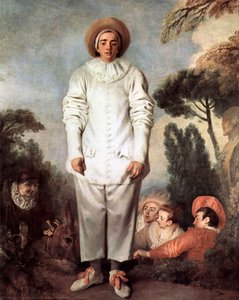
Artists like Jean-Antoine Watteau became synonymous with this new aesthetic. His *fêtes galantes* – paintings depicting outdoor gatherings of elegantly dressed figures engaged in amorous pursuits – captured the spirit of aristocratic leisure with a delicate touch. These weren’t depictions of grand historical events, but rather intimate moments of flirtation and romance, painted with a lightness and grace that perfectly embodied the Rococo sensibility. The salon itself became a stage for these scenes, with paintings often commissioned to complement the room's décor and enhance its atmosphere of playful sophistication. Music, literature, and witty conversation were integral components of this world, creating an environment where beauty was not merely admired but actively cultivated.
Key Characteristics of Rococo Art: Curves, Colors, and Ornamentation
The visual language of Rococo is immediately recognizable – a symphony of curves, pastel colors, and intricate ornamentation. Asymmetry played a crucial role, rejecting the rigid symmetry favored by Baroque artists in favor of more naturalistic and dynamic compositions. This sense of movement is further enhanced by the use of *rocaille* motifs – shell-like forms that appear throughout paintings, sculptures, and architectural details. Gilding was employed liberally, adding to the overall sense of luxury and opulence.
The color palette favored soft pastels – delicate pinks, blues, greens, and creams – creating a light and airy atmosphere. Artists often used *trompe-l'œil* techniques (literally “deceive the eye”) to create illusions of depth and space, blurring the boundaries between reality and representation. This emphasis on visual intricacy wasn’t merely decorative; it was intended to delight the senses and evoke a sense of wonder. The brushwork itself is often delicate and fluid, contributing to the overall impression of lightness and grace. The goal wasn't necessarily to create a realistic depiction of the world, but rather to capture its beauty and charm through a carefully orchestrated interplay of color, form, and texture.
Master Artists of the Rococo Period: Watteau, Boucher, and Nattier
 Jean-Marc Nattier
Discover Jean-Marc Nattier (1685-1766), the French Rococo master of elegant portraits! Explore his mythological scenes & aristocratic depictions.
Several artists stand out as defining figures of the Rococo period. Jean-Antoine Watteau (1684–1721) is often considered the father of Rococo painting, renowned for his *fêtes galantes* and his ability to capture the subtle nuances of human emotion. His works, such as “The Embarkation for Cythera,” are characterized by a delicate touch and a sense of wistful melancholy.
François Boucher (1703–1770) further developed this aesthetic, creating paintings that celebrated mythology and sensuality with an even greater degree of exuberance. As the court painter to Louis XV, Boucher’s works embodied the opulence and frivolity of aristocratic life. His allegorical scenes were often imbued with a playful eroticism, reflecting the tastes of his patrons.
Jean-Marc Nattier (1685–1766) excelled in portraiture, capturing the elegance and refinement of the French aristocracy with remarkable skill. His portraits often depicted his subjects as mythological figures, flattering their beauty and status through carefully crafted compositions and elaborate costumes. These artists weren’t simply painters; they were creators of illusions, crafting images that reflected the desires and aspirations of a privileged class.
Rococo Beyond France: Variations in Germany & Venice
While Rococo originated in France, its influence quickly spread throughout Europe, adapting to local tastes and artistic traditions. In Germany and Austria, Rococo often took on a more religious character, particularly in the design of churches. Architects like Dominikus Zimmermann incorporated gilded stucco work and soft frescoes into their designs, creating visually stunning interiors that combined spiritual reverence with artistic exuberance. The Wieskirche, a pilgrimage church in Bavaria, is a prime example of German Rococo, showcasing an abundance of ornamentation and a sense of theatrical drama.
In Venice, Rococo blended with the city’s existing traditions of color and light, resulting in a unique style characterized by its sensuality and decorative flair. Artists like Giovanni Battista Tiepolo created ceiling frescoes that were renowned for their dynamic compositions and vibrant colors. Venetian Rococo often depicted mythological scenes and allegorical figures, reflecting the city’s rich cultural heritage and its tradition of artistic innovation.
The Legacy of Rococo: Influence on Decorative Arts & Modern Aesthetics
Although Rococo eventually fell out of favor – criticized for its perceived frivolity and excess – its influence continues to be felt today. The emphasis on ornamentation, asymmetry, and pastel colors can be seen in a wide range of decorative arts, from furniture design to fashion. The movement’s celebration of beauty and pleasure has also resonated with artists and designers throughout history.
Even in modern aesthetics, the Rococo sensibility – its embrace of whimsy, its attention to detail, and its rejection of rigid formality – continues to inspire. From interior design trends that favor ornate patterns and pastel hues to contemporary artworks that explore themes of romance and fantasy, the legacy of Rococo endures. At AllPaintingsStore.com, we offer a curated selection of reproductions from this captivating period, allowing you to bring the elegance and refinement of Rococo into your own home. Explore our collection today and discover the enduring beauty of this remarkable art movement.





