




Introduction: The Romantic Revolution in Landscape
Romanticism (also known as the Romantic movement or Romantic era) was an artistic and intellectual movement that originated in Europe towards the end of the 18th century. The purpose of the movement was to advocate for the importance of subjectivity...
The late 18th and early 19th centuries witnessed a profound shift in artistic sensibilities, a movement we now recognize as Romanticism. Rejecting the Enlightenment’s emphasis on reason and order, artists turned inward, prioritizing emotion, intuition, and the untamed power of nature. This wasn't merely a stylistic change; it was a fundamental re-evaluation of humanity’s place within the cosmos. While portraiture and historical painting retained prestige, landscape emerged as a dominant genre, no longer simply serving as a backdrop but becoming the very subject of artistic exploration – a mirror reflecting the soul and a gateway to the divine. The Romantic fascination with nature wasn't about precise botanical representation; it was about evoking feeling, capturing atmosphere, and hinting at forces beyond human comprehension.
Defining the Sublime: Awe, Terror, and the Power of Nature
 Landscape with a Ruined Castle
Experience John Martin’s 'Landscape with a Ruined Castle.' A dramatic Romantic masterpiece showcasing ruins & sublime landscapes. Hand-painted reproductions available.
Central to understanding this shift is the concept of the “sublime.” Philosophers like Edmund Burke theorized that experiences of terror – confronting vastness, power, or obscurity – could evoke a unique kind of pleasure. This wasn’t a comfortable beauty; it was an overwhelming sensation, a humbling recognition of our own insignificance in the face of nature's grandeur. Think of a raging storm at sea, a towering mountain range shrouded in mist, or a seemingly endless forest stretching into darkness. These scenes inspired awe not through their pleasantness but through their ability to overwhelm the senses and stir primal emotions. Artists like J.M.W. Turner masterfully captured this feeling, dissolving forms in swirling light and color, prioritizing atmosphere over precise detail. Thomas Cole’s dramatic monochrome mountain scenes, such as his 1830 “Landscape,” exemplify this pursuit of the sublime, showcasing nature's raw power and depth with a powerful composition that transcends mere representation.
The Picturesque Aesthetic: Cultivating Beauty & Harmony
While the sublime focused on overwhelming power, another facet of Romantic landscape painting emerged – the picturesque. This aesthetic, born from English garden design and travel writing, sought beauty in more cultivated scenes: rolling hills, charming ruins, idyllic villages. It wasn’t about untouched wilderness but rather a harmonious blend of nature and human intervention. The picturesque celebrated a sense of order and tranquility, offering a respite from the anxieties of industrialization. However, even within this seemingly peaceful realm, there was often an undercurrent of melancholy – a recognition of time's passage and the fragility of beauty. Marianne North’s “Rocky Landscape” (1880), with its loose brushstrokes and muted earth tones, beautifully illustrates this atmospheric quality, capturing nature’s grandeur through a more intimate and personal lens.
Key Artists of the Movement: Friedrich, Cole, Martin & Beyond
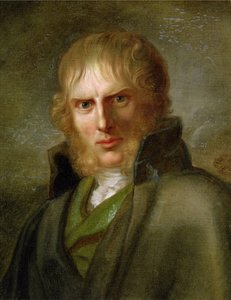 Caspar David Friedrich
Caspar David Friedrich (1774-1840): German Romantic painter of evocative landscapes & symbolic art exploring nature, spirituality & the sublime. Pioneer of the movement.
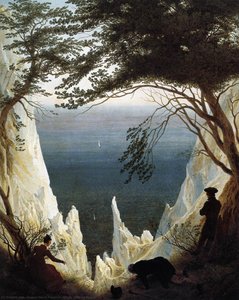
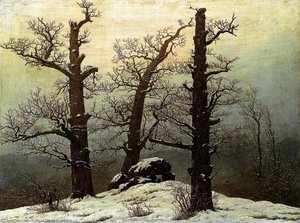
Several artists became synonymous with the Romantic landscape. Caspar David Friedrich, perhaps the most iconic figure, imbued his paintings with profound symbolism, often featuring solitary figures contemplating vast landscapes – meditations on mortality, spirituality, and the human condition. His works weren’t simply depictions of nature; they were allegories for the soul's journey. Thomas Cole, a founder of the Hudson River School in America, similarly explored themes of wilderness and national identity, portraying the American landscape as both awe-inspiring and vulnerable. John Martin, known for his dramatic depictions of biblical scenes and ruined castles, brought a theatrical intensity to his landscapes, emphasizing the power of history and the transience of human ambition. Beyond these giants, artists like Barend Cornelis Koekkoek, dubbed the “Prince of Landscape Painting,” focused on detailed nature studies, while Frederick Lee Bridell captured luminous Italian scenes influenced by Turner’s atmospheric techniques.
Techniques and Themes: Capturing Emotion on Canvas
Romantic landscape painters employed a variety of techniques to convey emotion. Loose brushwork became common, prioritizing atmosphere over precise detail. Artists experimented with light and shadow to create dramatic effects, often using glazing – layering thin washes of paint – to achieve depth and luminosity. Color played a crucial role, evoking mood and symbolism. The use of ruins was particularly significant, representing the passage of time, the fragility of human achievement, and the power of nature to reclaim what was once lost. Recurring themes included solitude, spirituality, the beauty of the natural world, and the tension between humanity and the environment. Landscape with a Ruined Castle, by John Martin, exemplifies this fascination with ruins as symbols of both loss and enduring power.
Legacy and Influence: The Enduring Appeal of Romantic Landscapes
The influence of Romantic landscape painting continues to resonate today. Its emphasis on emotional expression paved the way for Impressionism and other modern movements. The movement’s reverence for nature has also had a lasting impact, inspiring conservation efforts and shaping our understanding of environmental stewardship. More than just beautiful images, these paintings offer a glimpse into a different worldview – one that values intuition, imagination, and the profound connection between humanity and the natural world. At AllPaintingsStore.com, we are proud to offer high-quality reproductions of these masterpieces, allowing you to bring the beauty and emotional power of Romantic landscapes into your own home. Explore our collection today and discover a piece that speaks to your soul.





