Money-Back Guarantee · 100 days Free Worldwide Delivery
644,596artworks 52,888artists 5,406museums 32languages
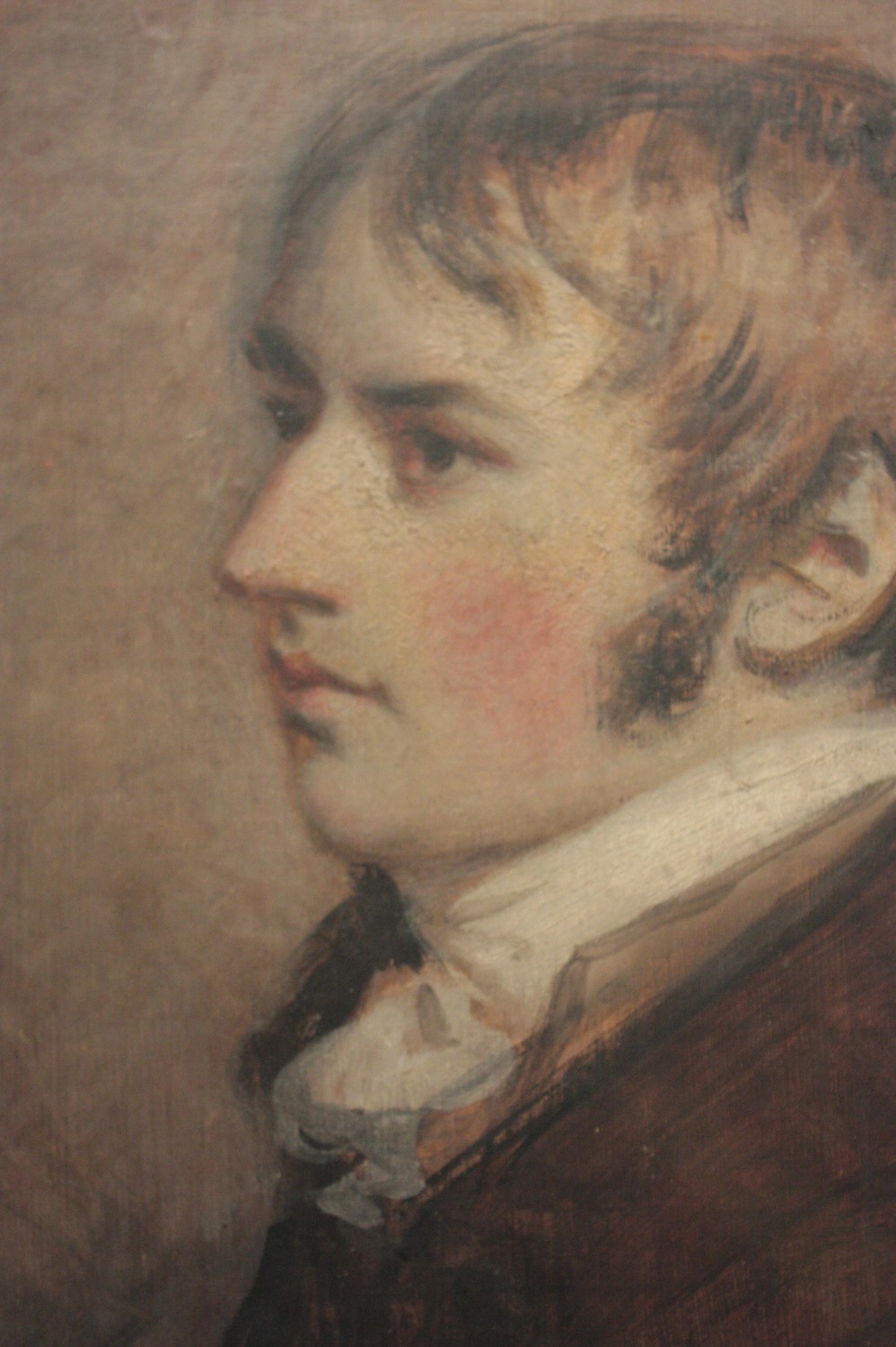
Portrait of John Constable

The Top 100 John Constable Paintings, Ranked by Fame

Updated November 2026 · ranked by our popularity score (searches, visits and orders for each work) · 513 works by John Constable in our catalogue

Quick answer

The Hay Wain (1821) is John Constable's best-known painting; the original belongs to the National Gallery, London. View of Salisbury Cathedral from the Bishop's Grounds (1823) ranks second, Salisbury cathedral third. Our catalogue has 513 works by John Constable; here are the 100 most famous, ranked, with the year and museum of each, to help you pick the one to order.

1776 – 1837, East Bergholt Romanticism Most works: Yale Center for British Art

John Constable: the 10 top-ranked paintings

1
The Hay Wain (1821) by John Constable

The Hay Wain

1821 · Oil On Canvas · National Gallery, London

John Constable’s 1821 masterpiece transports viewers to the idyllic heart of the English countryside. More than just a depiction of a scene, this painting is an evocation of a way of life – a harmonious blend of human activity and natural beauty along the River Stour. It's a work that continues to resonate with audiences today, offering a timeless glimpse into a pastoral world.

Hand-painted oil reproduction from $170 38 × 26 cm Same size as the original $841 185 × 130 cm Order at original size →
Order this painting Painting details
2
View of Salisbury Cathedral from the Bishop's Grounds (1823) by John Constable

View of Salisbury Cathedral from the Bishop's Grounds

1823 · Oil On Canvas · Victoria and Albert Museum, London

View of Salisbury Cathedral from the Bishop's Grounds was painted by John Constable in 1823. The artist, born in 1776, died in 1837. This work emerged from a period of significant professional development for the English landscape painter.

Hand-painted oil reproduction from $170 36 × 28 cm Same size as the original $430 112 × 88 cm Order at original size →
Choose a size View details
3
Salisbury cathedral by John Constable

Salisbury cathedral

Graphite Pencil

Subject and Composition This exquisite monochromatic sketch captures the majestic presence of Salisbury Cathedral, a masterpiece of medieval architecture and spiritual significance. The detailed rendering highlights the cathedral’s soaring spires and intricate Gothic features, set amidst a tranquil natural landscape. The composition balances the grandeur of the structure with organic elements, inviting viewers to contemplate the harmony between human craftsmanship and nature’s serenity. Artistic Style and Technique Executed in a…

Hand-painted oil reproduction from $170 38 × 26 cm
Choose a size View details
4
The Hay-Wain (detail) (1821) by John Constable

The Hay-Wain (detail)

1821 · Acrylic On Canvas · National Gallery, London

John Constable's *The Hay-Wain*, completed in 1821, is more than just a depiction of the English countryside; it’s an emotional testament to a landscape deeply loved and meticulously observed. This iconic painting, now residing within the National Gallery in London, transcends its subject matter – a simple rural scene of agricultural life – to become a powerful symbol of national identity and artistic innovation. The detail showcased in reproductions offered…

Hand-painted oil reproduction from $170 32 × 31 cm
Choose a size View details
5
Flatford Mill (Scene on a Navigable River) (1817) by John Constable

Flatford Mill (Scene on a Navigable River)

1817 · Oil On Canvas

In the quiet corners of the English countryside, where the River Stour winds through the verdant heart of Suffolk, lies a scene captured forever in John Constable’s 1817 masterpiece, Flatford Mill (Scene on a Navigable River). This is not merely a depiction of a watermill; it is an evocative window into the Romantic soul. To gaze upon this canvas is to step into a world where the boundaries between nature…

Hand-painted oil reproduction from $170 35 × 28 cm Same size as the original $520 127 × 102 cm Order at original size →
Order this painting Painting details
6
The Leaping Horse (1825) by John Constable

The Leaping Horse

1825 · Oil On Canvas · Roy Miles gallery, London

John Constable's "The Leaping Horse," painted in 1825, isn’t merely a depiction of a riverside scene; it’s a vibrant distillation of the English countryside and a profound exploration of light, movement, and human interaction with nature. This iconic work, now residing within the Royal Academy’s collection, captures a fleeting moment along the River Stour in Suffolk – a region deeply ingrained in Constable's artistic sensibility and personal history. The painting…

Hand-painted oil reproduction from $170 37 × 27 cm Same size as the original $914 187 × 142 cm Order at original size →
Choose a size View details
7
Cenotaph to the Memory of Sir Joshua Reynolds by John Constable

Cenotaph to the Memory of Sir Joshua Reynolds

Oil On Canvas

Cenotaph to the Memory of Sir Joshua Reynolds – A Landscape Reverie John Constable’s *Cenotaph to the Memory of Sir Joshua Reynolds*, completed in 1836, stands as a testament to Romantic idealism and the enduring fascination with capturing the sublime beauty of the English countryside. More than just a depiction of a memorial garden, it embodies Constable's profound connection to nature—a bond that would define his artistic legacy and influence…

Hand-painted oil reproduction from $170 29 × 35 cm Same size as the original $558 108 × 132 cm Order at original size →
Choose a size View details
8
A View On The Stour Near Dedham (1822) by John Constable

A View On The Stour Near Dedham

1822 · Oil

Introduction to the Painting A View On The Stour Near Dedham, painted by John Constable in 1822, is a quintessential representation of the English countryside during the early 19th century. This oil on canvas painting measures 129 x 188 cm and is a prime example of Romanticism in art. The Scene The painting depicts a serene scene along the Stour River, with several boats floating gently on the water. At…

Hand-painted oil reproduction from $170 38 × 26 cm Same size as the original $847 188 × 129 cm Order at original size →
Choose a size View details
9
Flatford Lock (1811) by John Constable

Flatford Lock

1811 · Oil · Yale Center for British Art, New Haven

In the quietude of the Dedham Vale, where the River Stour winds through the heart of Suffolk, John Constable captured more than just a landscape; he captured a feeling. Flatford Lock, painted in 1811, stands as a profound meditation on beauty, solitude, and the enduring rhythm of rural life. This masterpiece is not merely a topographical record of a working mill; it is an embodiment of Romantic idealism. Through his…

Hand-painted oil reproduction from $170 33 × 31 cm Same size as the original $181 37 × 37 cm Order at original size →
Order this painting Painting details
10
Salisbury Cathedral from the Bishop's Grounds (1825) by John Constable

Salisbury Cathedral from the Bishop's Grounds

1825 · Oil On Canvas · Metropolitan Museum of Art, New York

A Pastoral Vision: Unveiling Constable’s Salisbury Cathedral from the Bishop's Grounds John Constable’s *Salisbury Cathedral from the Bishop's Grounds* (1825) is more than just a depiction of an architectural marvel; it’s a poignant expression of his deep connection to the English countryside and a masterful example of Romantic landscape painting. This iconic work, currently residing at the Metropolitan Museum of Art in New York, invites viewers into a serene world…

Hand-painted oil reproduction from $195 36 × 28 cm Same size as the original $455 112 × 88 cm Order at original size →
Order a hand-painted copy About the painting

John Constable, ranks 11 to 100

11Helmingham Dell by John ConstableHelmingham DellThe Louvre Choose a size from $170 →
12Wivenhoe Park, Essex by John ConstableWivenhoe Park, Essex Order a hand-painted copy from $170 →
13Cloud Study, Hampstead, Tree at Right (1821) by John ConstableCloud Study, Hampstead, Tree at Right1821 Choose a size from $170 →
14Evening Landscape after Rain (1821) by John ConstableEvening Landscape after Rain1821 · Yale Center for British Art Order a hand-painted copy from $170 →
15Lane near Dedham (1802) by John ConstableLane near Dedham1802 · Yale Center for British Art Order a hand-painted copy from $170 →
16The Old Mill (1820) by John ConstableThe Old Mill1820 · Walters Art Museum Order a hand-painted copy from $170 →
17A Lane near Flatford (1810) by John ConstableA Lane near Flatford1810 · Tate Gallery Choose a size from $170 →
18Willy Lot's House (1810) by John ConstableWilly Lot's House1810 · Victoria and Albert Museum Choose a size from $170 →
19Old Sarum (1834) by John ConstableOld Sarum1834 · Victoria and Albert Museum Order this painting from $220 →
20East Bergholt Rectory (1810) by John ConstableEast Bergholt Rectory1810 · Philadelphia Museum of Art Order a hand-painted copy from $170 →
21Boat-building near Flatford Mill (1815) by John ConstableBoat-building near Flatford Mill1815 · Victoria and Albert Museum Order this painting from $170 →
22Flatford Mill (detail) (1817) by John ConstableFlatford Mill (detail)1817 · Tate Gallery Order this painting from $170 →
23The Cornfield (1826) by John ConstableThe Cornfield1826 · National Gallery Choose a size from $170 →
24Salisbury Cathedral From the Meadows (1831) by John ConstableSalisbury Cathedral From the Meadows1831 · National Gallery Choose a size from $170 →
25wivenhoe park (1816) by John Constablewivenhoe park1816 Order a hand-painted copy from $170 →
26Study of the Trunk of an Elm Tree (1821) by John ConstableStudy of the Trunk of an Elm Tree1821 · Birmingham Museum and Art Gallery Order a hand-painted copy from $170 →
27Study of Hollyhocks (1826) by John ConstableStudy of Hollyhocks1826 · Yale Center for British Art Order this painting from $170 →
28Dedham Vale, with a view to Langham church from the fields just east of Vale Farm, East Bergholt (1815) by John ConstableDedham Vale, with a view to Langham church from the fields just east of Vale Farm, East Bergholt1815 Choose a size from $170 →
29The Stour by John ConstableThe StourPhiladelphia Museum of Art Choose a size from $170 →
30Harwich The Low Lighthouse and Beacon Hill (1820) by John ConstableHarwich The Low Lighthouse and Beacon Hill1820 · Yale Center for British Art Order a hand-painted copy from $170 →
31Hadleigh Castle (sketch) (1828) by John ConstableHadleigh Castle (sketch)1828 Order this painting from $170 →
32Stratford Mill (1820) by John ConstableStratford Mill1820 Choose a size from $170 →
33Study of a Cloudy Sky (1825) by John ConstableStudy of a Cloudy Sky1825 · Yale Center for British Art Choose a size from $170 →
34Harnam gate, salisbury by John ConstableHarnam gate, salisbury Choose a size from $170 →
35The cathedral of Salisbury Sun by John ConstableThe cathedral of Salisbury Sun Order a hand-painted copy from $195 →
36maria bicknell (mrs. john constable) - (1816) by John Constablemaria bicknell (mrs. john constable) -1816 Choose a size from $170 →
37The Glebe Farm (1830) by John ConstableThe Glebe Farm1830 Choose a size from $170 →
38Salisbury Cathedral from the Bishop's Garden (1821) by John ConstableSalisbury Cathedral from the Bishop's Garden1821 · Museu de Arte de São Paulo Assis Chateaubriand Choose a size from $170 →
39Branch Hill Pond Hampstead (1819) by John ConstableBranch Hill Pond Hampstead1819 Order this painting from $170 →
40Stoke-by-Nayland (1810) by John ConstableStoke-by-Nayland1810 Choose a size from $170 →
41A Boat at the Sluice (sketch) by John ConstableA Boat at the Sluice (sketch)National Gallery of Victoria Choose a size from $170 →
42Salisbury (1829) by John ConstableSalisbury1829 · Fitzwilliam Museum Order this painting from $170 →
43Somerset House Terrace and the Thames A View from the North End of Waterloo Bridge with St. Paul's Cathedral in the distance by John ConstableSomerset House Terrace and the Thames A View from the North End of Waterloo Bridge with St. Paul's Cathedral in the distance Choose a size from $170 →
44Captain Richard Gubbins (1805) by John ConstableCaptain Richard Gubbins1805 · Yale Center for British Art Order a hand-painted copy from $170 →
45Dedham Lock and Mill (1817) by John ConstableDedham Lock and Mill1817 Order a hand-painted copy from $170 →
46Lock on the River Stour at Flatford Mill (Suffolk) (1812) by John ConstableLock on the River Stour at Flatford Mill (Suffolk)1812 Order this painting from $170 →
47Landscape with Cottages (1809) by John ConstableLandscape with Cottages1809 · Art Institute of Chicago Choose a size from $170 →
48View on the River Severn at Worcester (1835) by John ConstableView on the River Severn at Worcester1835 · National Gallery of Scotland Order a hand-painted copy from $195 →
49wivenhoe park, essex - oil on canvas - (1816) by John Constablewivenhoe park, essex - oil on canvas -1816 Order this painting from $170 →
50Distant View of Salisbury Cathedral (1821) by John ConstableDistant View of Salisbury Cathedral1821 Order a hand-painted copy from $170 →
51Dedham Vale (1802) by John ConstableDedham Vale1802 · Yale Center for British Art Order this painting from $170 →
52Rainstorm over the Sea (1828) by John ConstableRainstorm over the Sea1828 · Royal Academy of Arts Order this painting from $195 →
53Hilly Landscape (1808) by John ConstableHilly Landscape1808 · Nationalmuseum Order this painting from $170 →
54The White Horse (1818) by John ConstableThe White Horse1818 · National Gallery of Art Choose a size from $170 →
55Dedham Vale (1810) by John ConstableDedham Vale1810 · Dayton Art Institute Order a hand-painted copy from $170 →
56Portrait of a Child with a Dog by John ConstablePortrait of a Child with a DogNational Gallery of Ireland Choose a size from $170 →
57Yarmouth Jetty (1822) by John ConstableYarmouth Jetty1822 · National Gallery of Art Choose a size from $170 →
58Landscape with a Double Rainbow - John Constable (2026) by John ConstableLandscape with a Double Rainbow - John Constable2026
59a water mill by John Constablea water mill Choose a size from $170 →
60Hadleigh Castle (1828) by John ConstableHadleigh Castle1828 · Yale Center for British Art Order a hand-painted copy from $170 →
61Marine Parade and Old Chain Pier (1827) by John ConstableMarine Parade and Old Chain Pier1827 Order this painting from $195 →
62The Opening of Waterloo Bridge by John ConstableThe Opening of Waterloo BridgeYale Center for British Art Order this painting from $170 →
63The Grove or Admiral's House (1822) by John ConstableThe Grove or Admiral's House1822 · Alte Nationalgalerie Order this painting from $170 →
64Flatford Mill from the Lock (1811) by John ConstableFlatford Mill from the Lock1811 · Henry E. Huntington Library Order a hand-painted copy from $170 →
65Dedham Vale from the Road to East Bergholt, Sunset (1810) by John ConstableDedham Vale from the Road to East Bergholt, Sunset1810 Order this painting from $170 →
66Flatford Mill (1817) by John ConstableFlatford Mill1817 Order this painting from $170 →
67Stonehenge at Sunset (1836) by John ConstableStonehenge at Sunset1836 · Yale Center for British Art Choose a size from $170 →
68A Cornfield (1817) by John ConstableA Cornfield1817 Choose a size from $170 →
69Willy Lott's Cottage (1820) by John ConstableWilly Lott's Cottage1820 Order a hand-painted copy from $170 →
70Sketch for "The Haywain" (1820) by John ConstableSketch for "The Haywain"1820 · Yale Center for British Art Order this painting from $170 →
71Waterloo Bridge Seen from Whitehall Stairs (1829) by John ConstableWaterloo Bridge Seen from Whitehall Stairs1829 Choose a size from $170 →
72The Mill Stream (1815) by John ConstableThe Mill Stream1815 Order this painting from $170 →
73Willy Lott's House (1802) by John ConstableWilly Lott's House1802 Order this painting from $170 →
74Coal Brigs on Brighton Beach by John ConstableCoal Brigs on Brighton Beach Order this painting from $170 →
75View of Dedham Vale from East Bergholt (1815) by John ConstableView of Dedham Vale from East Bergholt1815 · Bavarian State Painting Collections Order a hand-painted copy from $170 →
76Flatford Mill from the Lock (1810) by John ConstableFlatford Mill from the Lock1810 Choose a size from $170 →
77Branch Hill Pond, Hampstead Heath, with a Cart and Carters (1825) by John ConstableBranch Hill Pond, Hampstead Heath, with a Cart and Carters1825 Order a hand-painted copy from $170 →
78Weymouth Bay with Approaching Storm by John ConstableWeymouth Bay with Approaching Storm Order a hand-painted copy from $170 →
79Malvern Hall from the South West (1809) by John ConstableMalvern Hall from the South West1809 · Bristol Museum And Art Gallery Order a hand-painted copy from $170 →
80East Bergholt Church (1809) by John ConstableEast Bergholt Church1809 · Yale Center for British Art Order a hand-painted copy from $170 →
81View of Dedham Vale (1800) by John ConstableView of Dedham Vale1800 Order this painting from $170 →
82Flatford Mill (1810) by John ConstableFlatford Mill1810 · Yale Center for British Art Order a hand-painted copy from $170 →
83Hampstead Heath with Bathers (1822) by John ConstableHampstead Heath with Bathers1822 Choose a size from $170 →
84The Coast at Brighton - Stormy Evening by John ConstableThe Coast at Brighton - Stormy Evening Order this painting from $170 →
85Summer evening with storm clouds by John ConstableSummer evening with storm clouds Order this painting from $170 →
86Dedham Vale: Morning (1811) by John ConstableDedham Vale: Morning1811 Order a hand-painted copy from $170 →
87A Wooded Path by John ConstableA Wooded Path Order this painting from $170 →
88The Glebe Farm (1830) by John ConstableThe Glebe Farm1830 Order this painting from $170 →
89Landscape with Cottages (1810) by John ConstableLandscape with Cottages1810 Order this painting from $170 →
90Branch Hill Pond, Hampstead Heath, with a Boy Sitting on a Bank (1825) by John ConstableBranch Hill Pond, Hampstead Heath, with a Boy Sitting on a Bank1825 Order a hand-painted copy from $170 →
91View of Salisbury (1820) by John ConstableView of Salisbury1820 · The Louvre Choose a size from $170 →
92Salisbury Cathedral from the Bishop's Grounds (1823) by John ConstableSalisbury Cathedral from the Bishop's Grounds1823 · Victoria and Albert Museum Order this painting from $170 →
93weymouth bay by John Constableweymouth bay Order a hand-painted copy from $170 →
94A Shepherd in a Landscape looking across Dedham Vale towards Langham (1811) by John ConstableA Shepherd in a Landscape looking across Dedham Vale towards Langham1811 · Yale Center for British Art Order a hand-painted copy from $170 →
95View on the Stour by John ConstableView on the Stour Order a hand-painted copy from $170 →
96Salisbury Cathedral from the Meadows by John ConstableSalisbury Cathedral from the Meadows Choose a size from $170 →
97SelfPortrait by John ConstableSelfPortrait Choose a size from $170 →
98Osmington Bay by John ConstableOsmington BayPhiladelphia Museum of Art Order a hand-painted copy from $170 →
99Dell at Helmingham Park (Philadelphia) by John ConstableDell at Helmingham Park (Philadelphia)Philadelphia Museum of Art Order this painting from $170 →
100The Judges Walk Hampstead by John ConstableThe Judges Walk Hampstead Order this painting from $170 →

John Constable paintings by period

John Constable paintings by subject

The four most frequent subjects in this ranking, with the top painting for each.

Museums holding John Constable's originals

The 8 museums that hold the most of the paintings on this page.

Museum City Works by John Constable Paintings from this list
Yale Center for British Art, New HavenYale Center for British Art New Haven 61 Flatford Lock, Evening Landscape after Rain, Lane near Dedham
Victoria and Albert Museum, LondonVictoria and Albert Museum London 11 View of Salisbury Cathedral from the Bishop's Grounds, Willy Lot's House, Old Sarum
Philadelphia Museum of Art, PhiladelphiaPhiladelphia Museum of Art Philadelphia 24 East Bergholt Rectory, The Stour, Osmington Bay
National Gallery, LondonNational Gallery London 7 The Hay Wain, The Hay-Wain (detail), The Cornfield
National Gallery of Art, WashingtonNational Gallery of Art Washington 5 The White Horse, Yarmouth Jetty
Tate Gallery, LondonTate Gallery London 4 A Lane near Flatford, Flatford Mill (detail)
The Louvre, ParisThe Louvre Paris 2 Helmingham Dell, View of Salisbury
Fitzwilliam MuseumFitzwilliam Museum 10 Salisbury

Top John Constable painting by decade

Works per decade

Select a decade to see its top painting.

What to know about John Constable paintings

Which famous John Constable painting tops the ranking?Show answer

The Hay Wain (1821), National Gallery, London, ranks first, followed by View of Salisbury Cathedral from the Bishop's Grounds (1823) and Salisbury cathedral.

How old was John Constable in the year of The Hay Wain?Show answer

John Constable was 45: The Hay Wain is dated 1821, and John Constable was born in 1776.

Which John Constable paintings make the top 10?Show answer

The Hay Wain, View of Salisbury Cathedral from the Bishop's Grounds, Salisbury cathedral, The Hay-Wain (detail), Flatford Mill (Scene on a Navigable River), The Leaping Horse, Cenotaph to the Memory of Sir Joshua Reynolds, A View On The Stour Near Dedham, Flatford Lock and Salisbury Cathedral from the Bishop's Grounds. Year and museum for each are in the ranking above.

How many John Constable works does your catalogue list?Show answer

513 works by John Constable are in our catalogue, dated 1800 to 1836.

Where can the originals of John Constable's famous paintings be seen?Show answer

Mainly in Yale Center for British Art (New Haven), Victoria and Albert Museum (London) and Philadelphia Museum of Art (Philadelphia). See the museum table above for the full list.

In which years did John Constable paint the top-ranked works?Show answer

In 1820s: 32 of the 100 paintings ranked here date from that time, including The Hay Wain.

Which famous John Constable paintings are the earliest and the latest?Show answer

Earliest on this page: View of Dedham Vale (1800). Latest: Stonehenge at Sunset (1836).

What are John Constable's most frequent subjects?Show answer

Among the 100 paintings ranked here: Landscape (44), Trees (36) and Clouds (24).

Which medium did John Constable use most often?Show answer

Oil On Canvas, for 67 of the 100 paintings ranked here.

Which art movement is John Constable part of?Show answer

Romanticism, based on the paintings ranked on this page.

Which John Constable paintings are held by the Yale Center for British Art?Show answer

The Yale Center for British Art, New Haven holds 15 of the paintings ranked here, including Flatford Lock, Evening Landscape after Rain and Lane near Dedham.

Do you sell reproductions of John Constable paintings?Show answer

Yes. Every painting on this page can be ordered as a hand-painted oil reproduction or a print. Open the painting, choose the size and place your order.

John Constable: life and career

Early Life, Family and Training

John Constable was born in 1776 in the village of East Bergholt, Suffolk. He was the second son of Golding and Ann (Watts) Constable. His father was a prosperous corn and coal merchant who owned Flatford Mill. This connection to the river and the local trade meant that the rhythms of the water and the movement of goods were part of the household's daily life. About 1792, he began working in the family business, learning the practicalities of the corn trade before his path shifted toward the canvas.

His training began in earnest when he entered the Royal Academy Schools as a probationer in 1799. He spent his early years studying anatomy and copying the works of old masters to understand the structure of the world. This formal education provided a foundation for his later observations of the landscape. He moved between the quiet life of a merchant's son and the disciplined study of drawing and painting, eventually finding his way to London to pursue art as a vocation.

A Life Rooted in the Stour Valley

The landscape of his childhood remained a constant presence. Born in East Bergholt, United Kingdom, he grew up where the river shaped the daily rhythm. His father, a corn merchant, held the tenancy of mills along the River Stour and owned land within Dedham Vale. This connection to the water and the soil was not merely a matter of business; it was a lifelong attachment. He held a deep nostalgia for the Suffolk villages of East Bergholt, Dedham, Stratford St Mary, and Langham. Even when he moved away, the sight of a specific meadow or the way light hit a particular bank of the Stour stayed with him.

Life eventually pulled him toward the city. He lived in Bloomsbury, London, moving to Keppel Street in 1817 and later to Charlotte Street in 1822. These urban streets were a far cry from the riverbanks. He also spent time in Staffordshire, Derbyshire, the Lake District, and Brighton. Despite these travels, the familiar contours of the Stour Valley remained his primary reference. He looked at the world through the lens of the places he knew best, finding a sense of belonging in the damp earth and the shifting clouds of his home region.

Patrons, Workshop and Commissions

The path toward a professional career often relies on the right introductions. For Constable, this came through George Beaumont, a collector who opened doors to a different way of seeing. Through Beaumont, he was introduced to the works of Claude Lorrain, whose influence helped shape his understanding of landscape. These early connections provided a foundation as he moved from the family corn business toward the formal study of art. In 1805, he took on a specific commission to paint an altarpiece for the church at Brantham.

His standing within the academic community grew steadily over the decades. He was elected an Associate of the Royal Academy in 1819, a step that marked his increasing recognition among his peers. By 1829, at the age of 52, he reached the rank of Royal Academician. This progression reflected a career built on a persistent, quiet observation of the world around him, moving from local commissions to a recognized place within the institutional structure of British art.

Technique and Artistic Style

He did not rely on the theatricality of bravura to make a point. Instead, he sought a truthful representation of the natural world. This required a slow, methodical process of observation. He often worked outdoors, using plein air sketching to catch the way light interacts with the landscape. To build his larger compositions, he relied on a foundation of oil sketches, graphite drawings, and watercolour studies. These preliminary layers allowed him to work out the complexities of a scene before committing to a final canvas.

His brushwork carries a physical weight. He used thick impasto to build up texture, a method that gives the surface a sense of movement and life. This tactile approach helped him capture the specific way light and atmosphere shift across a field or a river. He referred to this study of light and shadow as the 'chiaroscuro of nature.' It was a way to record the actual, changing conditions of the sky and the water rather than an idealized version of them.

Key Works and Masterpieces

The river and the sky occupy much of his focus. In 1821, he produced The Hay Wain, a scene of the River Stour that has become his most recognized work. He often worked with large-scale formats to capture the movement of the air and water. This led to a series of six-foot canvases, such as The Leaping Horse (1825), where he used full-size preparatory oil sketches to coordinate the light and the composition. These large works allowed him to work out the details of the landscape before the final application of paint.

His interest in the local landscape extended to the estates and the structures within them. In 1816, he painted Wivenhoe Park, capturing the rural harmony of the Essex countryside. He also turned his attention to the interplay of light and architecture, as seen in Salisbury Cathedral from the Bishop's Grounds, painted in 1823. His ability to translate the atmosphere of a specific place was often reflected in the way he handled the weight of the clouds and the texture of the earth.

Some of his paintings achieved significant value long after they were finished. The Lock (1824) was sold at Christie's in 2012 for £22,441,250. His output included various other studies and finished works:

Circle, Rivals and Influences

The brushwork of the Stour Valley was shaped by the quiet presence of several masters. The works of Claude Lorrain and Jacob van Ruisdael offered a way of seeing that moved away from the theatrical. He also looked toward the compositions of Thomas Gainsborough and the textures of Peter Paul Rubens. These influences helped him move past the rigid, academic rules of the Royal Academy. He sought a truth found in the dampness of the air and the way light hits a river, rather than in the grand, mythological scenes favored by his contemporaries.

His path often ran alongside JMW Turner. The two were contemporaries, and their rivalry flared during the exhibitions at the Royal Academy. While one looked toward the dramatic and the sublime, the other remained tethered to the familiar, local landscapes of his youth. This focus on the direct observation of nature eventually reached across the channel. His approach to light and atmosphere left a mark on the Barbizon School in France, where painters sought a similar connection to the natural world.

Personal connections also guided his movements. He was close with John Fisher, the nephew of the Bishop of Salisbury, who invited him to stay in the area. These friendships provided more than just social ties; they offered access to the specific landscapes that he would study and paint for years. Through these people and these places, his work became a record of a specific, lived reality.

Later Years and Death

The years following his marriage to Maria Bicknell in 1816 were marked by a shifting sense of place. While his work remained tied to the river and the fields of his youth, his life moved toward the city. By 1827, he had settled permanently in Hampstead, London. This period was shadowed by Maria’s declining health. She died of tuberculosis in 1828, an event that left a heavy mark on his life. He continued to paint, often finding solace in the changing light of the landscapes he had studied for decades.

His final years were spent in Bloomsbury, London. He remained dedicated to his practice, working through the complexities of his personal life and the physical demands of his medium. On March 31, 1837, he died in Bloomsbury. He was buried in the churchyard of St John's, Hampstead, a place that had become his home in his later years.

Legacy and Influence

By turning his gaze toward the commonalities of the English countryside, he changed how the landscape was perceived. He moved away from the theatrical, idealized scenes favored by the academies, choosing instead to find weight in the ordinary. A hay wain or a simple farm building became subjects worthy of careful study. This shift helped move the focus of painting from grand mythological narratives toward a truthful representation of the natural world. He showed that a landscape could carry a deep sense of personal feeling, turning a view of a river or a meadow into a way to express internal moods.

His habit of working outdoors to capture the way light hits the clouds and the moisture in the air left a mark on those who followed. This commitment to direct observation and the study of atmospheric effects anticipated many of the concerns held by later Impressionist painters. His influence crossed the channel to France, where his approach resonated with the Barbizon School. These artists shared his interest in painting from life and observing the immediate, changing qualities of nature. His work remains a link to a way of seeing that prioritizes the actual texture of the earth and the shifting light of the sky.

Where to See the Works Today

Tracing his presence across different collections reveals how his views of the English countryside have been gathered over time. The Yale Center for British Art in New Haven holds 25 of his works, including a study of a landscape near Dedham from about 1802. In London, his presence is felt across several institutions. The Victoria and Albert Museum keeps 6 works, such as a scene of boat-building near Flatford Mill. The National Gallery holds 5 works, including the large canvas of The Hay Wain from 1821. The Tate Gallery maintains 4 works, including a detail of Flatford Mill from 1817.

His reach extends beyond the British Isles to the continent. The Louvre in Paris holds 2 works, including a depiction of Helmingham Dell. These pieces show the different ways he captured light and atmosphere, from the heavy clouds over the Stour to the quiet corners of a village. Seeing them in these various settings allows for a closer look at how he used thick layers of paint to build up texture on the canvas.