José María Estudillo y Urquizu: A Pioneer of California’s Founding
José María Estudillo y Urquizu (1776 – 1830) stands as a pivotal figure in the annals of Californian history, embodying the spirit of exploration, military leadership, and the establishment of a lasting legacy. Born in Monterey, Spain, Estudillo's journey to California began with his marriage to Gertrudis Horcasitas, forging a family that would shape the region’s future for generations. His unwavering dedication to service propelled him into the ranks of the Spanish Military, culminating in his commandorship of the Presidio of San Diego – a position he held during two crucial periods (1820-1821 and 1827-1830), overseeing the burgeoning settlement and securing vital strategic interests.
- Early Life & Family: Estudillo’s formative years were spent in Monterey, where he established a family rooted in Spanish traditions. His marriage to Gertrudis Horcasitas produced numerous children, including José Antonio Estudillo, José Joaquín Estudillo, and María Dolores Estudillo – individuals who would themselves contribute significantly to California's growth and development.
- Military Career & Leadership: Estudillo’s military prowess was recognized early on, earning him commendations for his service in Spain and Mexico. However, it was his commandorship of San Diego that cemented his reputation as a visionary leader. During this time, he championed the ambitious expedition led by José Romero to explore Sonora and Alta California, demonstrating an understanding of geopolitical strategy vital to securing Spanish dominion over the Southwest.
- The Casa Estudillo & Rancho Grants: Estudillo’s enduring contribution to California lies in his architectural vision – the Casa Estudillo of San Diego, now a National Historic Landmark. This grand residence stands as testament to his ambition and represents a cornerstone of San Diego's heritage. Furthermore, Estudillo secured numerous ranch grants, establishing landholdings that would become integral to the economic fabric of the region, notably Rancho San Leandro and Rancho Otay.
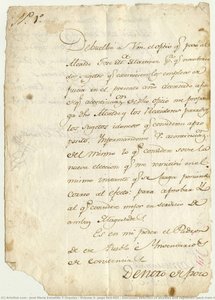
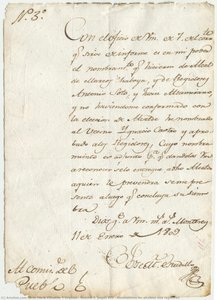
- Diarist & Historical Record: Estudillo’s meticulous observations during the Romero expedition provided invaluable insight into the challenges faced by Spanish settlers venturing westward. His diaries offer a firsthand account of the hardships endured and the strategic considerations guiding colonial policy – documents that continue to inform historians today.
Artistic Influences & Legacy
While biographical details regarding Estudillo’s artistic inclinations are scarce, his involvement in shaping California's landscape undoubtedly fostered an appreciation for natural beauty and grandeur. His leadership instilled a sense of civic responsibility and ambition within his descendants, who pursued careers in law, agriculture, and governance. Estudillo’s legacy extends beyond mere administrative achievements; it resides in the enduring spirit of innovation and determination that characterized the formative years of California – values reflected in the architectural marvel of Casa Estudillo and celebrated through the historical records documenting his pioneering endeavors.
Further Exploration
For deeper insights into José María Estudillo y Urquizu’s life and accomplishments, consult resources such as Wikipedia () and explore the History San José museum database (). Examining archival documents related to his ranch grants and military expeditions offers invaluable perspectives on his role in shaping California’s history.