A Living Chronicle of Roman Grandeur
Standing as a monumental sentinel along the banks of the Tiber River, the Museo Nazionale di Castel Sant'Angelo is far more than a mere fortress; it is a profound architectural palimpsest where the layers of Roman history are etched into every stone. Originally conceived by Emperor Hadrian as a majestic mausoleum for himself and his imperial kin, this cylindrical marvel was designed to rival the great tombs of antiquity. As centuries unfolded, the structure underwent a dramatic metamorphosis, evolving from a solemn resting place into a formidable military citadel and eventually a luxurious papal residence. To walk through its gates is to traverse a timeline of human ambition, where the echoes of ancient emperors mingle with the spiritual whispers of Renaissance popes.
The architectural journey of the Castel is nothing short of extraordinary, characterized by a seamless blend of imperial strength and artistic refinement. The massive walls, reinforced with sturdy travertine blocks, speak to its era as a defensive stronghold that protected Rome during turbulent times, such as the devastating Sack of Rome in 1527. Yet, beneath this rugged exterior lies a sophisticated interior adorned with the elegance of the Renaissance. One cannot help but be moved by the Passetto di Borgo , the secret elevated corridor that connects the castle to St. Peter's Basilica, serving as a tangible, physical link between the temporal power of the papacy and the military resilience of the fortress. This architectural duality—the strength of a bastion paired with the grace of a palace—creates an atmosphere of unparalleled drama.
Masterpieces of Light and Spirit
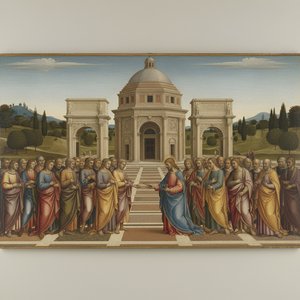
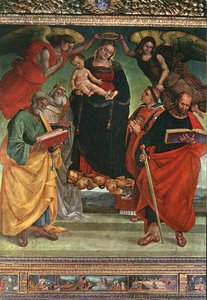
For the art lover and the discerning collector, the museum’s collection offers a breathtaking encounter with the masters of the past. The papal apartments are particularly enchanting, housing magnificent frescoes commissioned by Pope Julius II and executed by the hand of Raffaello Sanzio da Urbino . These works embody the humanist ideals of the Renaissance, breathing life into Old Testament narratives through vibrant color and divine composition. Beyond the celestial scenes of the chapels, the museum invites exploration of Roman sculptures unearthed from the surrounding excavations, providing a silent, stony dialogue with the classical world. The collection is a curated journey through light and shadow, where the heavy weight of history meets the delicate brushstrokes of genius.
The museum also serves as a window into the romanticized vision of Rome held by later generations of artists. Through various works in its orbit, one can appreciate how the landscape of the Tiber and the silhouette of the Castel have inspired countless painters to capture the interplay of water and stone. From the maritime light found in the works of Claude Joseph Vernet to the atmospheric, bold brushstrokes of Jean-Baptiste Camille Corot, the Castel remains a central protagonist in the history of European landscape painting. This enduring presence ensures that the museum is not merely a repository of static objects, but a vibrant participant in the ongoing dialogue between art and the eternal city.
An Eternal Source of Inspiration
What truly distinguishes Castel Sant'Angelo is its ability to function as a living museum, where the distinction between art and monument dissolves. It is a place where special exhibitions frequently illuminate forgotten corners of Roman heritage, ensuring that the dialogue between the ancient and the modern remains vibrant. For interior designers and enthusiasts of classical beauty, the museum serves as an eternal source of inspiration, offering a masterclass in how structure, history, and art can coalesce to create a space of profound emotional resonance. It remains a captivating repository of the Roman spirit, inviting every visitor to contemplate the enduring legacy of a civilization that refused to be forgotten.