





A Living Chronicle of Artistic Vision
Nestled within the vibrant heart of Basel, Switzerland, the Kunstmuseum Basel stands as a profound testament to centuries of artistic evolution and an unwavering commitment to celebrating human creativity. More than a mere repository for precious objects, this institution serves as a living chronicle—a journey through time punctuated by masterpieces that whisper tales of innovation, faith, and the enduring power of the human spirit. Its origins are deeply intertwined with the city’s rich history as a center for trade, scholarship, and patronage, beginning in 1671 as the Amerbach Cabinet. This lineage establishes it not only as one of Europe’s oldest public art collections but also as a cornerstone of Swiss cultural heritage. The revolutionary act of opening a private collection to the public in the 17th century set a precedent for democratic engagement with art that continues to define the museum's very ethos today.
The architectural experience of the Kunstmuseum is a captivating dialogue between the echoes of the past and the sleekness of the present. Visitors find themselves wandering through three distinct venues, each offering a unique perspective on the breadth of the collection. The historic Altbau , with its soaring ceilings and grand halls, evokes the majesty of the Renaissance, creating a space designed for deep contemplation. In stark, brilliant contrast, the modern Gegenwartskunst wing provides a contemporary stage for works from the 20th and 21st centuries, highlighting the ongoing evolution of artistic expression through deliberate juxtaposition. Completing this architectural triad is the former Barfüsser church, where the transformed exhibition spaces retain a spiritual dimension, serving as a subtle reminder of art’s historical connection to devotion and the sacred.
Masterpieces of the Renaissance and Beyond
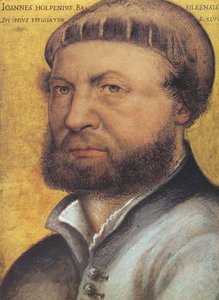
At the very soul of the Kunstmuseum's collection lies an extraordinary concentration of works by the Holbein family , a legacy that defines the museum’s identity. The institution boasts the world’s largest assembly of paintings, drawings, and prints by Hans Holbein the Younger , offering an unparalleled opportunity to trace his meticulous detail and psychological insight. To stand before a Holbein portrait is to encounter more than just a likeness; it is to engage with a profound exploration of human character and social standing. This Renaissance splendor is further enriched by significant works from masters such as Konrad Witz, Hans Baldung Grien, Matthias Grünewald, and Lucas Cranach the Elder, creating a vibrant tapestry of humanist ideals and religious iconography.
Yet, the museum’s narrative does not rest upon its historical laurels. It possesses an equally impressive commitment to the modern and contemporary eras, featuring transformative works by Édouard Manet, Paul Cézanne, Arnold Böcklin, and Ferdinand Hodler . For lovers of light and atmosphere, the Impressionist section offers a selection of vibrant canvases that capture the fleeting beauty of the natural world. The museum’s dedication extends into the radical shifts of the 20th century, showcasing the revolutionary genius of Pablo Picasso, Alberto Giacometti, and Marc Chagall . From the playful complexity of Georges Braque's Synthetic Cubist explorations to the surrealist dreams found in Salvador Dalí’s work, the collection remains a dynamic space that reflects the ever-changing landscape of global art practice.
An Enduring Legacy for the Modern Collector
For the art lover, the collector, or the interior designer seeking inspiration, the Kunstmuseum Basel offers much more than a gallery visit; it offers a profound connection to the lineage of human expression. The museum’s ability to present groundbreaking exhibitions—ranging from retrospective surveys to thematic explorations that challenge conventional perspectives—ensures that it remains a vital participant in contemporary cultural discourse. As a recognized Swiss heritage site of national significance, it stands as a symbol of Basel’s identity and a beacon for those who find beauty in the intersection of history and innovation. To walk through its doors is to embark on a journey into the heart of art itself, where every corner reveals a new way to see, feel, and understand our shared world.


