A Tapestry of Shropshire Heritage: The Soul of National Trust Telford
To step into the domain of the National Trust in Telford is to embark on a profound journey through the layers of British history, where the boundaries between the built environment and the natural world begin to blur. This corner of Shropshire serves as much more than a mere collection of historic sites; it is a living, breathing narrative of stewardship and a testament to the enduring human desire to preserve the sublime. Here, the landscape itself acts as a canvas, shaped by the monumental ambitions of visionaries like Thomas Telford , whose engineering marvels—aqueducts, bridges, and canals—reconfigured the very topography of the region. For the art lover, this setting offers a rare opportunity to witness how industrial innovation and agricultural tradition have intertwined to create a landscape of both dramatic scale and pastoral tranquility.
At the heart of this cultural experience lies Sunnycroft , a magnificent Victorian suburban villa that offers an intimate window into the aspirations of the nineteenth-century middle class. Unlike the imposing, often intimidating estates of the aristocracy, Sunnycroft radiates a sense of refined domesticity, reflecting the industrious spirit of its former inhabitant, William Lander Brewer. The house is a masterclass in Victorian interior design, where every room tells a story of period elegance and meticulous curation. Walking through its halls, one encounters an atmosphere where daily life was elevated by artistic sensibility. A particular jewel in this architectural crown is the Halliday Conservatory , a delicate glass structure that has been lovingly restored to showcase the era's horticultural enthusiasm. The interplay of light through its intricate panes, illuminating exotic flora and vibrant greenery, creates a breathtaking visual counterpoint to the more formal, structured elegance of the villa’s interior spaces.
Artistic Inspiration and Ornamental Grace
The collection within this heritage site transcends the boundaries of traditional displays, offering instead an immersive encounter with artistic inspiration. The landscape has long beckoned painters and creators, from Romanticists seeking the dramatic tension of Shropshire's geology to Victorian gardeners striving for an idealized pastoral perfection. This spirit is captured beautifully in works such as Carl Laubin’s “Capriccio of Buildings Belonging to the National Trust,” which masterfully depicts Telford's architectural triumphs set against a serene, sweeping countryside. Furthermore, the National Trust Grottesca provides a fascinating look at the ornamental garden buildings that define the region's aesthetic, reflecting a period where architecture and nature were designed to exist in a state of poetic harmony.
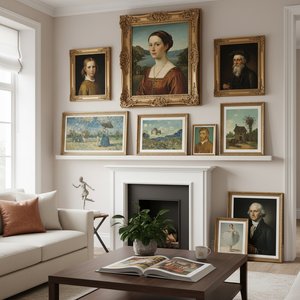
For collectors and interior designers, these elements provide endless inspiration, embodying a timeless aesthetic of structured beauty and organic grace. The experience is one of deep connection, where the legacy of the past—the craftsmanship, the engineering, and the horticultural artistry—continues to shape the landscape and inspire the creative minds of today. Whether wandering through the rolling hills that trace the paths of historic infrastructure or contemplating the intricate details of a restored Victorian parlor, visitors find themselves part of an active participant in contemporary culture, where seasonal celebrations and guided explorations breathe new life into historical narratives.