



The History and Origins of Orangerie
The Orangerie is situated in the west corner of the Tuileries Garden in Paris, France. The building was constructed in 1852 by the architect Firmin Bourgeois. Its original purpose was functional rather than artistic, designed specifically to serve as a winter refuge for orange trees. This agricultural necessity dictated the initial structure and its relationship to the surrounding gardens.
The function of the building evolved significantly over the following decades. Until 1922, the space was utilized for various public activities, including music concerts, art expositions, contests, and dog shows. This period of versatility preceded its transition into a dedicated space for the preservation of Impressionist and Post-Impressionist works.
The Architecture of the Orangerie Building
The structure was built in the 19th century by architect Firmin Bourgeois. Originally designed to house the citrus trees of the Tuileries Garden, the building was constructed with a specific functional logic. The north side remains almost entirely windowless to protect the plants from cold winds, while the south side utilizes skylights to admit natural light. This orientation allows the interior to benefit from the shifting movement of the sun.
The main entrances on the east and west sides were designed by architect Louis Visconti. These portals feature columns topped by triangular pediments, which were sculpted by Charles Gallois-Poignant. The decorative elements of these pediments include cornucopias, plants, and ears of corn, reflecting the building's agricultural history. The architecture maintains a balance between the need for light and the necessity of thermal protection.
The Impressionist and Post-Impressionist Collection
The collection focuses on the development of Impressionist and Post-Impressionist painting. It includes works by Pierre-Auguste Renoir and Alfred Sisley. These paintings reflect the shift toward capturing light and atmosphere. The museum also holds pieces by Henri Rousseau, whose style offers a distinct departure from the movement's traditional focus on naturalism.
The holdings extend into the early modern period with works by Chaïm Soutine and Maurice Utrillo. These artists represent the evolution of form and color following the initial Impressionist era. The selection provides a view of how painters moved from the study of light toward more personal, expressive interpretations of their subjects.
The Modern Art Collection at Orangerie
The collection moves from the Impressionist era into the developments of the early twentieth century. This selection includes works by Henri Matisse and Pablo Picasso, representing the shifts in form and color that defined the period. The presence of Amedeo Modigliani within these galleries provides a specific focus on the expressive portraiture of the era.
The museum also holds pieces by Paul Gauguin, whose influence is evident in the evolution of the surrounding works. Kees van Dongen is represented in the collection, contributing to the breadth of the modern holdings. These artists are housed within a space that emphasizes the transition toward more structured and experimental visual languages.
Masterpieces of the Orangerie Collection
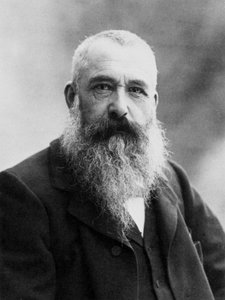
The center of the collection is the series of Water Lilies by Claude Monet. These works consist of eight large panels, each measuring 2 metres in height. Together, the panels span a total length of 91 metres. The arrangement is specific to the architecture of the museum, placed within two oval rooms that form the shape of the infinity symbol.
The installation relies on the interaction between the canvases and the natural light provided by the skylights. This design allows the paintings to reflect the shifting conditions of the gardens at Giverny. The scale of the panels is intended to surround the viewer, creating an immersive environment through the sheer breadth of the color and light.
Other significant works held in the museum include:
Major Acquisitions and Donations
The museum's holdings were significantly shaped by the contributions of Paul Guillaume and his wife, Domenica. Their efforts helped establish the Walter-Guillaume Collection, which remains a central component of the institution's repertoire. These acquisitions were formalized through specific transfers in the mid-twentieth century. The Jean Walter and Paul Guillaume collections were acquired in 1959 and 1963 respectively.
These donations expanded the scope of the galleries, bringing together works that define the transition into modernism. Alongside these collections, the museum holds significant works by Paul Cézanne. The presence of these pieces allows for a direct study of the evolution of form and color within the permanent collection.
Visiting: What to See First
Located in the west corner of the Tuileries Garden, the museum occupies a central position in Paris. It sits near the Seine river and the Place de la Concorde. Its proximity to the Louvre and the Musée d'Orsay makes it a logical stop for those tracing the development of modern painting. The building itself is the former orangery of the Tuileries Palace, designed to protect citrus trees from the winter cold.
Most visitors prioritize the Nymphéas by Claude Monet. These large-scale works are housed in a dedicated space on the upper floor. The rooms are oval in shape and were designed to create an immersive environment. Natural light enters through skylights, intended to mimic the atmospheric conditions of the artist's garden at Giverny. The arrangement of the eight panels follows an infinity symbol, surrounding the viewer within the scene.
While the Monet series is the primary focus for many, the museum also holds significant works from the Impressionist and Post-Impressionist periods. Other notable pieces include:


