


A Palace Woven with Power and Beauty
Rising imposingly on the south bank of the Arno, just beyond the iconic Ponte Vecchio, the Palazzo Pitti is far more than a mere repository of artistic treasures; it is a living palimpsest, a layered chronicle etched into stone and canvas over centuries. Originally conceived in the mid-15th century as a bold statement by the banker Luca Pitti—a man determined to outshine even the mighty Medici—the palace’s austere façade belies the opulent world contained within its walls. What began as a private ambition of wealth and influence was eventually claimed by the Medici dynasty, who transformed the structure into a grand symbol of familial dominion. Under the direction of Cosimo I de’ Medici, the palace underwent a dramatic metamorphosis, expanding through the architectural genius of Bartolomeo Ammannati to create the monumental courtyard and flanking wings that define its iconic silhouette today. To walk through these halls is to trace the shifting fortunes of Florentine dynasties, from the ambitious bankers to the grand dukes and eventually the Kings of Italy.
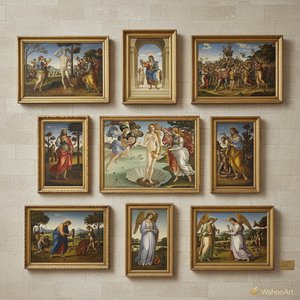
At the very heart of this architectural marvel lies the Palatine Gallery, a jewel box of 16 and 17th-century masterpieces that once adorned the private chambers of the Medici. Stepping into this gallery is akin to entering a Renaissance dreamscape, where the layout itself reflects the era’s ideals of harmony and proportion. Here, the dialogue between different schools of thought is palpable; the vibrant canvases of Titian burst with the color and drama of Venetian life, while the compositions of Raphael exude an ethereal grace that embodies the High Renaissance ideal of beauty. The gallery is not merely a collection of individual works but a carefully orchestrated environment where lighting is strategically employed to highlight subtle details, revealing the profound interconnectedness of Renaissance art. For the collector or lover of fine art, this space offers an unparalleled intimacy with the masters, as if one were standing in the presence of the Medici themselves, contemplating the very essence of aesthetic perfection.
Beyond the breathtaking canvases, the Pitti Palace offers a sensory journey through the heights of Florentine craftsmanship and aristocratic lifestyle. The Treasury of the Grand Dukes dazzles with an unparalleled display of wealth, where intricately crafted silver tableware, precious stone vases, and ceremonial armor speak to a relentless pursuit of opulence. This sense of grandeur extends into the Museum of Costume and Fashion, which provides a tangible connection to the social customs of past eras. From elaborate court gowns adorned with shimmering silks and intricate embroidery to the theatrical costumes that once graced the halls, the collection showcases how fashion serves as a mirror to broader cultural shifts. For interior designers and those with an eye for exquisite detail, the museum serves as an infinite source of inspiration, demonstrating how texture, pattern, and material can be used to communicate status and artistry.
The experience of the Pitti Palace finds its ultimate expression in the sprawling Boboli Gardens, an extraordinary example of Italian Renaissance landscaping that acts as a verdant extension of the palace itself. Designed to be a space for both contemplation and the theatrical display of power, the gardens are punctuated by fountains that cascade into sculpted pools and statues that breathe life into mythological allegories. Walking through these manicured pathways is like stepping into a living fresco, where art and nature intertwine seamlessly. From the dramatic Grotta Grande, with its intricate sculptures and water features, to the sweeping vistas of the Florentine landscape, the gardens represent the pinnacle of Renaissance creativity. Ultimately, the Pitti Palace remains a monumental destination—a place where history, architecture, and art converge to leave a lasting impression on the soul of every visitor.