A Renaissance Tapestry Woven in Stone and Paint
Nestled within the historic heart of Padua, the Piazza del Santo is far more than a mere architectural square; it is a living testament to centuries of spiritual devotion and unparalleled artistic patronage. To step into this space is to enter a realm where the golden age of the Renaissance breathes through every carved stone and painted surface. The area serves as a profound gateway to Italy’s cultural zenith, anchored by the monumental Basilica di Sant’Antonio and the treasures of the Anthonian Museum. Here, the atmosphere is thick with the weight of history, offering a sanctuary where the divine meets the human through the masterful hands of history's greatest creators.
The architecture of the Basilica itself stands as a breathtaking triumph of design, seamlessly blending the soaring, ethereal grandeur of the Gothic style with the grounded, rhythmic solidity of Romanesque tradition. Constructed between 1232 and the mid-14th century to honor Saint Anthony of Padua, the structure commands reverence. As one moves through its vast nave, the eyes are drawn upward toward intricate carvings and stained glass windows that filter light into a celestial glow, bathing the interior in an otherworldly radiance. This architectural dialogue between light and shadow creates a space designed not just for worship, but for deep, contemplative immersion in the sacred.
Beyond the spiritual majesty of the Basilica, the collection housed within the adjacent Museo Archeologico Nazionale offers a breathtaking journey through time, from prehistoric echoes to the height of Roman antiquity. However, it is the Renaissance masterpieces that truly captivate the soul of the modern collector and art lover. The monumental frescoes by Andrea Mantegna stand as a pinnacle of human achievement; his depictions of Genesis and Exodus utilize a revolutionary linear perspective to create an illusion of profound depth, pulling the viewer directly into the biblical narrative. These works are not merely paintings but windows into a new way of seeing, where realism and humanist ideals converge in a spectacular display of color and precision.
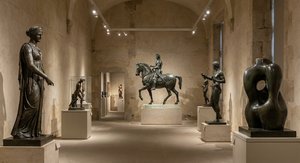
The sculptural brilliance of the era finds its voice in the works of Donatello , whose presence in the museum provides an emotional heartbeat to the collection. His bronze masterpiece, “Miracle of the Avaricious Man’s Heart” (1447), serves as a poignant study of human anatomy and spiritual grace. Through his unparalleled skill, Donatello captures the raw intensity of emotion and the delicate nuances of the human form, embodying the very essence of the Renaissance spirit. For the interior designer or the connoisseur of fine art, these works represent the ultimate standard of beauty—a harmonious blend of technical mastery and profound narrative power that continues to inspire awe in every generation.