

Cubism · 1920
Machine elements (Fernand Léger, 1920)
Machine elements egy Fernand Léger (1881–1955) alkotása. 1920-ből származik. A Cubism irányzathoz tartozik. Oil On Canvas anyagból készült.
- 1920
- Oil On Canvas

 Megtekintés

 Nyomat megrendelése
 Küldés
 Megosztás
 Információs lap


 Letöltés
 Hasonló darabok
 X-ray felvétel
 Diavetítés
 Kérdések és válaszok

 Statisztika
Machine elements: lényeges adatok
- Cím
- Machine elements
- Művész
- Fernand Léger (1881–1955)
- A művész születési helye
- Argentan, Franciaország
- Dátum
- 1920
- Műszaki adatok
- Oil On Canvas
- Mozgalom
- Cubism
- Időszak
- Modern
- Téma
- machine elements, cubism, geometry, industrial art, dynamism, futurism
Mit ábrázol a Machine elements?
A Symphony of Steel and Geometry
The year 1920 marked a profound shift in the visual language of modernity, and few works capture this seismic transition as vibrantly as Fernand Léger’s Machine Elements. At first glance, the viewer is confronted by a rhythmic, almost percussive arrangement of mechanical fragments that seem to pulse with the energy of a factory floor. The composition is anchored by a commanding wheel, its surface adorned with striking red and white stripes that draw the eye into a swirling vortex of industrial motion. This is not merely a depiction of objects; it is a Cubist vision where the boundaries between organic life and mechanical precision begin to blur. Through the clever fragmentation of form, Léger invites us to witness a world being reconstructed by the very gears and cogs that define our era, transforming static canvas into a dynamic, breathing landscape of progress.The Art of the Industrial Pulse
Léger’s technique in Machine Elements serves as a masterclass in the application of Cubist principles to celebrate the machine age. Moving away from the soft, ethereal qualities of Impressionism, he employs a bold, structural approach characterized by interlocking planes and sharp, defined edges. The artist utilizes oil on canvas with a deliberate, tactile presence, often applying paint in a way that suggests the weight and solidity of metal and iron. By dissecting familiar objects—a clock face, a chair, various smaller wheels—and reassembling them into an intricate visual tapestry, he creates a sense of spatial illusion that defies traditional perspective. This method allows the viewer to experience multiple viewpoints simultaneously, mirroring the fragmented, fast-paced perception of life in an increasingly urbanized and mechanized society.A Legacy of Modernity for the Contemporary Space
Beyond its technical brilliance, Machine Elements carries a profound emotional resonance that continues to captivate collectors and interior designers alike. It stands as a testament to the era's optimism and the relentless drive of human innovation. For those seeking to infuse a contemporary interior with character, this piece offers a sophisticated blend of bold color and structural harmony. The interplay of primary tones and geometric precision makes it an ideal focal point for spaces that value avant-garde aesthetics and intellectual depth. Owning a high-quality reproduction of this masterpiece is more than an act of decoration; it is an invitation to bring the enduring spirit of the industrial revolution into the modern home, celebrating a time when art and industry danced together in a beautiful, complex embrace.Machine elements: képtípusú fájlok

Felfüggesztett szerzői jogok: a művész 1955-ben halt meg.
Minden méret és kivágás →Nem a weboldalon látható képről, hanem a adatbázisunkban szereplő, magasabb felbontatott kép alapján készült: minimum 300 DPI. A színeket az eredetivel összevetettük, a fájlt digitális szakértő retusálta.
Megveszem a nagy felbontású képetFernand Léger, Machine elements (1920).
Fernand Léger (1881–1955), Machine elements, 1920, oil on canvas. Felfüggeszthető jogforrás Kép: AllPaintingsStore.com.
Machine elements kapcsán felmerülő kérdések
Melyik évben készült a „Machine elements”, Fernand Léger alkotása?
A „Machine elements”, Fernand Léger alkotása alkotása 1920-ben készült.
Milyen technikával készült a(z) „Machine elements”, Fernand Léger alkotása?
A „Machine elements”, Fernand Léger alkotása technikája Oil On Canvas. A reprodukciók célja ezen technika megjelenítésének hiteles återadása.
Milyen témák jelennek meg a(z) „Machine elements”, Fernand Léger alkotása alkotásban?
A „Machine elements”, Fernand Léger alkotása alkotás témái közé tartozik a machine elements, cubism, geometry, industrial art, dynamism, futurism, composition. Ezek együtt foglalják össze a mű tárgyát.
A „Machine elements”, Fernand Léger alkotása jogtalanul védett (public domain)?
A „Machine elements”, Fernand Léger alkotása szerzői jogi státusza: a mű közösségi tulajdon – a szerzői jog lejártt. Ez határozza meg, hogy a kép másolatai szabadon készíthetők-e.
Ki a "Machine elements" mögött álló művész?
A „Machine elements” műtémét Fernand Léger alkotójának tulajdonítják.
Mely művészeti irány része a „Machine elements”, Fernand Léger alkotása?
A „Machine elements”, Fernand Léger alkotása a Cubism irányzat része. Ez az irányzat adja a mű stilisztikai kontextusát.
Fernand Léger pályájának mely időszakához tartozik a „Machine elements”?
A "Machine elements" Fernand Léger pályájának a Mature Period szakaszába tartozik. Ez a besorolás összekapcsolja a művet a művész fejlődésével.
Hány éves volt Fernand Léger, amikor megalkotta a "Machine elements" című alkotást?
Fernand Léger 39 éves korában festette a „Machine elements” című művét. A művész 1881 született, a alkotás dátuma pedig 1920.
Mi magyarázza a „Machine elements”, Fernand Léger alkotása szerzői jogi helyzetét?
A "Machine elements" szerzői jogi státusza – közösségi tulajdon – a szerzői jog lejártt – a művész 1955 évi halálából adódik.
Fernand Léger életútja
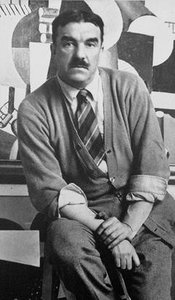
1881–1955, Franciaország
Fernand Léger
Fernand Léger életútja Fernand Léger története Argentan falujában kezdődik, amely az Alsó-Normandia Orne megyéjében található. 1881. február 4-én érkezett el erre a világra, egykori egykori egyke aszally. Korai éveket a francia vidék csendje és anyja, Marie-Adèle Daunou jelenléte formált, aki egy szentelett, s magvátozó természetű nő volt.
Minden Fernand Léger mű, méretekkel és árakkal → Művészismertető Fernand Léger híres művei
Fernand Léger további művei
 A Város1919
 A Mechanikus1920
 Három nő1921
 Nők erdőben1910

Machine elements témában szóló cikkek
 10 Iconic Masterpieces That Defined Geometric AbstractionAmidst the radical global transformations of the early 20th century, artists moved beyond representation to find the mathematical heartbeat…
 Mastering the Machine Age: The Top 25 Fernand Léger Artworks1919 saw the birth of The City, where Léger replaced organic textures with the rhythmic, mechanical symphony of the industrial machine age.…
 Steel & Soul: 10 Powerful Artworks That Capture the Industrial VibeAndy Warhol’s 1982 Crosses uses thirteen varying shapes to mirror mass production. Compare this to the rhythmic pulse of Fernand Léger’s Th…