


 Megtekintés
 Küldés
 Megosztás
 Részletek
 Útmutató

 Letöltés
 Hasonló darabok
 X-ray felvétel
 Diavetítés
 Kérdések és válaszok
 Statisztika
Machine elements


 Összes részlet megjelenítése
Szerezzen be nyomtatásra kész fájlt, amely messze túlmutat a webes előnézeten. Minden általunk értékesített digitális kép az adatbázisunkban található nagy felbontású mesterfájlból származik – általában 5 000 és 15 000 pixel szélességű –, így magabiztosan nyomtathat nagy méretben, sokat vághat a képen, vagy reprodukálhatja a legfinomabb részleteket is.
Stúdiómból egyetlen fájl sem távozik feltartózkodás nélkül. Egy digitális szakértő az eredeti festménnyel összehasonlítja a színeket, és szükség esetén korrigálja azokat, majd professzionális retusználó eszközökkel javítja a tisztaságot és a részletgazdagságot — miközben mindig hű marad a művész vonalvezetéséhez és stílusához. Az eredmény egy olyan kép, amely úgy néz ki, mint egy festmény, és nem úgy, mint egy szűrőzött szkenn.
A végső munka befejezése előtt jóvá kell hagynia a képet: szakértőnk 72 órán belül elküldi azt e-mailben ellenőrzésre. Nem tetszett? Kérhet javításokat vagy korrekciókat, illetve visszatérítést kérhet, amennyiben a minőség nem felel meg az elvárásoknak.
Ez az a minőség, amelyre a kiadók, a design stúdiók, a galériák és a nyomdaték megbízhatnak.
Digitális kép
Töltsön le nagy felbontású fájlt személyes kiállításokhoz, nyomtatáshoz és kreatív projektekhez. ( Váltás nyomtatványra Kézzel festett másolat rendelése)
Minden digitális kép rendeléséhez tartozó extrák
Szakértői digitális kézbesítés, garantáltan
Amikor a AllPaintingsStore.com szolgáltatást választja, nem csupán egy képet kap – professzionálisan felmagasított digitális műalkotást kap, amely precizitással készült, és amelyet megelégsedési gwarancia tesz biztoslássá. Az alábbiakban automatikusan minden benne 】

Gyors e-mail teslimítés
A nagy felbontású digitális képmásolatát a megrendelést követő 72 órán belül e-mailben elküldjük Önnek – azonnal használható formátumban.

MI-alapú digitális fájljavítás
Műve professzionális módon kerül optimalizálásra fejlett mesterséges intelligencia eszközök és manuális szerkesztés segítségével, biztosítva a maximális részletességet, tisztaságot és színpontosságot.

Örök életű ingyenes újradelivery
Véletlenül törölted vagy elvesztetted a fájlodat? Ne aggódj – bármikor ingyen újra megküldjük neked.

Nincs importköltség – soha
Élvezze műalkotásait azonnal, vám, illeték vagy szállítási költség nélkül – a digitális letöltések mindig adamentesek.

Színpontosság garantálása
Professzionális eszközök és színkezelés segítségével garantáljuk, hogy digitális képe a lehető legpontosabban tükrözze az eredeti színeket.

100 napos elégedettségi garancia
Ha nemມີ elégedett a digitális képével, 100 napon belül felülvizsgáljuk vagy 100% visszatérítjük az amountot – kérdés बिना.

100% Pénzvisszatérítési garancia
Nem tetszett a vásárlás? 100 napon belül teljes visszatérítést garantálunk a digitális fájl megvételétől számítva – kérdés nélkül.

Tömegrendelési kedvezmények
Vásároljon 3 képet, spóroljon 10%-et - Vásároljon 5-öt, spóroljon 15%-et - Vásároljon 10+ képet, spóroljon 20%-at. Kiváló kreatív projektekhez, galériákhoz és ügynökségekhez.
A Symphony of Steel and Geometry
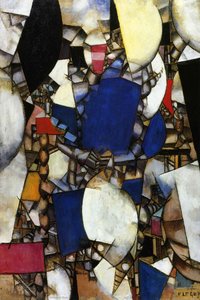
The year 1920 marked a profound shift in the visual language of modernity, and few works capture this seismic transition as vibrantly as Fernand Léger’s Machine Elements. At first glance, the viewer is confronted by a rhythmic, almost percussive arrangement of mechanical fragments that seem to pulse with the energy of a factory floor. The composition is anchored by a commanding wheel, its surface adorned with striking red and white stripes that draw the eye into a swirling vortex of industrial motion. This is not merely a depiction of objects; it is a Cubist vision where the boundaries between organic life and mechanical precision begin to blur. Through the clever fragmentation of form, Léger invites us to witness a world being reconstructed by the very gears and cogs that define our era, transforming static canvas into a dynamic, breathing landscape of progress.The Art of the Industrial Pulse
Léger’s technique in Machine Elements serves as a masterclass in the application of Cubist principles to celebrate the machine age. Moving away from the soft, ethereal qualities of Impressionism, he employs a bold, structural approach characterized by interlocking planes and sharp, defined edges. The artist utilizes oil on canvas with a deliberate, tactile presence, often applying paint in a way that suggests the weight and solidity of metal and iron. By dissecting familiar objects—a clock face, a chair, various smaller wheels—and reassembling them into an intricate visual tapestry, he creates a sense of spatial illusion that defies traditional perspective. This method allows the viewer to experience multiple viewpoints simultaneously, mirroring the fragmented, fast-paced perception of life in an increasingly urbanized and mechanized society.A Legacy of Modernity for the Contemporary Space
Beyond its technical brilliance, Machine Elements carries a profound emotional resonance that continues to captivate collectors and interior designers alike. It stands as a testament to the era's optimism and the relentless drive of human innovation. For those seeking to infuse a contemporary interior with character, this piece offers a sophisticated blend of bold color and structural harmony. The interplay of primary tones and geometric precision makes it an ideal focal point for spaces that value avant-garde aesthetics and intellectual depth. Owning a high-quality reproduction of this masterpiece is more than an act of decoration; it is an invitation to bring the enduring spirit of the industrial revolution into the modern home, celebrating a time when art and industry danced together in a beautiful, complex embrace.Kérdések és válaszok
Megtekinthető a „Machine elements”, Fernand Léger alkotása alkotás rendelés előtt?
A „Machine elements” Előnézet oldalán megtekintheti a művészeti alkotást megrendelés előtt.
Milyen alkalmat szolgálhat „Machine elements”, Fernand Léger alkotása ajándékként?
A "Machine elements" kiváló ajándékajánlat Corporate Gift számára.
Hol találhatok olyan műalkotásokat, amelyek hasonlóak a(z) „Machine elements”, Fernand Léger alkotása alkotáshoz?
A „Machine elements”, Fernand Léger alkotása alkotással hasonló műalkotások a(z) Hasonló alkotások oldalon találhatók.
Hasonló műalkotások




Művész életrajza
Fernand Léger életútja
Fernand Léger története Argentan falujában kezdődik, amely az Alsó-Normandia Orne megyéjében található. 1881. február 4-én érkezett el erre a világra, egykori egykori egyke aszally. Korai éveket a francia vidék csendje és anyja, Marie-Adèle Daunou jelenléte formált, aki egy szentelett, s magvátozó természetű nő volt. Apja, aki marhahagyományokkal keresztezte meg megélhetését, Fernand még kisfiú volt, amikor elhunyt, így a gyermek anyja nevelésében nőtt fel egy olyan háziasságban, amelyet az anya vallásossága és bizonyos szerényessége meghatározott.
A normann vidék vidéki tájai olyan alapozást biztosítottak számára, amely éles kontrasztot alkott a későbbi, a francia kultúra pezsgő központjaiban megélt életével szemben. Bár gyökerei a földhöz és a mezőgazdasági élet fizikai valóságához kötődtek, szelleme a modern kor összetettsége felé tévedt. Végül messze túl járt Argentan határain, számos művészeti ágban megmutatva tehetségét. Nem korlátozódott a vászonra; inkább a szobrászaton és a mozgóképes filmek világán keresztül próbálta kifejezni egyedi látásmódját.
Élete egy folyamatos mozgás volt a fiatossága idején tapasztalt organikus textúrák és a városok strukturált, mechanikus ritmusai között. Ez a dualitás határozta meg létezését, miközben navigált a változó évszázad áramlataiban. Útja soha nem volt egyszerű: a gyermekkorának hagyományos világának és az ipari jövő gyors, ütemes pulzusának feszültsége vezette, amelyet később művészete révén segített meghatározni.
Korai élet, család és képzés
Léger látásmódának gyökerei Argentan vidéki tájában, Alsó-Normandia Orne megyéjében mertek gyözelemhez. A gazdálkodás világában született, korai éveket a föld fizikai ereje és a mezőgazdasági élet állandó, megremegtető ritmusa formált. Ez a megfoghatatlan, pracáncoló világban való gyökerezés csendesen ott maradt a felszín alatt, később kialakult, sokkal összetettebb művészeti kísérletei mögött is. Egyedülálló fiúként nőtt fel, akit egy rendesen, de szerény lélekkel bíró édesanyja nevelett, és az életútja kezdetben az építészet strukturált, fegyelmezett disiplinájához vezetett. 1897 és 1899 között e technikai ipmárnak szentelte magát, megtanulva a tér logikáját és a pontos rajzolás elengedhetetlen szükségességét.
1900-ra a város vonzereje már nem volt elhárítható, így Párizsba költözött. Életét építészrajzokat végezve tartotta fenn, egy olyan szerepkörben, amely éles szemet igényelt a vonal és a proporció tekintetében. Bár az építészetből származó formális képzése a szerkezeti megértés szilárd alapját fektette le, szíve egyre inkább a vászon felé tűnt. Megpróbált bejutni a tekintélyes École des Beaux-Arts-ba, azonban az intézmény nem engedte őt hivatalos hallgatóvá. Semmi azonban nem tartotta vissza, így nem regisztrált hallgatóként járt iskolába, elnyelve a mesterek tanításait, miközben az akadémiai establishment szélén mozogott. Ez a tanulmányi időszak, bár néha kereső évtizedként írják le, elengedhetetlen volt annak a technikai tudás finomításához, amelyet később a világ saját képe szerint szétszedésre és újjáépítésre használt.
Cézanne és a kubizmus hatása
Mélyreható változás következett be életében 1907-ben, amikor a művész találkozott Cézanne retroszpektív kiállításaival a Salon d'Automne-n. Ez a találkozás katalizátorként szolgált, távolítva őt a fiatossági évek lágy impresszióitól egy strukturáltabb látásmód felé. Megkezdte a tárgyak felszínén túlra nézni, az a zugó geometriát keresve, amely meghatározza a világot. 1909-re azután, hogy olyan meghatározó alakokkal találkozott, mint Alexander Archipenko, Jacques Lipchitz, Marc Chagall és Robert Delaunay, Fernand Léger neve egyre többet hallatoskodott a párizsi kreatív körökben. Ezek a találkozások nem csupán társasági események voltak; az új gondolatok összeütközései, amelyek segítenek kialakítani fejlődő művészeti látásmódját.
Az évek folyamán Fernand Léger a Puteaux Csoport, vagy más néven a Section d'Or művészi köre köré gravitált. Jean Metzinger és Henri Le Fauconnier mellett az új, vizuális nyelv matematikai és strukturális lehetőségeit kutatta. Nem érte be azzal, hogy egyszerűen kövesse mások által kijelölt utakat; inkább a korszakot meghatározó, törzsett síkokon és egymásba vetődő formákon keresztül akarta megtalálni a saját útját. Az intenzív kísérletezés ez időszaka vezetett első jelentős kiállításához a 1911-es Salon des indépendants-on, ahol bemutatta az Nudes in the Forest című művét.
- Nudes in the Forest (1911)
Háború és a mechanikai korszak
A Nagyháború káosza a művész stúdiói Párizsából a frontok kegyetlen valóságába repítette őt. 1914 és 1917 között a Francia Armodában szolgált, két kimerítő évet töltve az Argonne-erdőben. A konfliktum nem csupán a háttérben húzódó esemény volt az életében, hanem egy olyan transzformatív erő, amely alapjaiban változtatta meg a formák iránti érzékelését. 1916-ban egy mustármágas támadás majdnem életét követelte, így a gyógyulási folyamat során figyelte, ahogy a körülötte lévő világot az ipari pusztítás nyers ereje újrarajzolja. Még ugyanazon az évben, egy rövid szabadság alatt is kényszerítve érezte magát a festéshez, amely során megalkotta a Soldier with a Pipe című művét. Ez a alkotás rögzítette az új valóság érzetét, amelyben az emberi alak már a savaşásmezét uraló gépek tulajdonságait kezdte átvenni.
1917-re egy határozott ív fordult a kreatív szellemében, jelezve a később mechanikai korszaknak nevezett időszak kezdetét. Különös, ritmikus szépséget talált a modern hadviselés és az ipar eszközeiben, technológiájában. A sima, cs tubularis formák és a mechanikai alkatrészek precizitása vált a látványvilágának új nyelvévé. Nem tekintette ezeket az objektumokat hidegnek vagy személytelenné; sőt, befogadta erejüket és azt a képességet, amellyel képesek voltak rendszerezni a modern létezés káoszát. A háború lerohantotta korábbi művei puha széleit, és helyükre egy éles, strukturális tisztaságot hozott, amely a változó kor acélát és tłompereit tükrözte.
Technika és stílus
Pincéjének mozgása ritmikus, szinte ipari precizitással tört elő, folyamatosan a változó kor zaklatódását próbálva megörökíteni. Elszántan távolodott a múlt lágy, összefolyó árnyékaitól, és helyette robusztus, geometrikus erővel építette fel kompozícióit. Ez a megközelítés vezetett a cubizmus egyéni formájának, a kritikusok által „tubizmusnak” nevezett stílus kialakulásához. Ebben a művészetben a világ cs tubularis, kémfai és kubikus formák mögött született meg újra, olyan volument adva alkotmányainak, amely egyszerre tűnt masszívnak és dinamikusnak. Fernand Léger nem csupán tárgyakat festett; ő a tárgyak belső, esszenciális, strukturális logikáját kereste.
A választott színei ugyanolyan határozottsággal ragaszkodtak a vásznon, mint a formák, amelyeket megtöltöttek. A primáris színek domináns palettáját gyakran kísérték éles fekete és fehér kontrasztok, amelyek segítettek meghatározni motívumai éles határaidat. A hagyományos illúzióalakítás helyett a festéket bájos, lapos színtüzekkel alkalmazta. Gyakran alkalmazott vastag impastó technikát is, amely kiemelte a festékanyag fizikai jelenlétét a vászszinen. Ez a texturált megközelítés biztosította, hogy művei földozottnak és anyagiasságban telve maradjanak, tükrözve azokat a gépeket és városi szerkezeteket, amelyeket oly annyira csodált. Alakjai gyakran sima, gépieszerű formát öltöttek, elmosva a határt az organikus emberi test és a modern kor mérnöki precizitása között.
- Nudes in the Forest (1910)
- The Woman in Blue (1912)
- Soldier with a Pipe (1916)
- The Mechanic (1920)
Késő évek és halála
A globális konfliktusok változatos hullámai végül a művész távolabbi távlatokba, az Atlanti óceán túlra repítették őt, elszakítva a párizsi köreitől. 1940 és 1945 között az Egyesült Államokban élt, egy olyan időszakban, amely egy teljesen új perspektívát kínált számára a modern világról, amelyet oly régen próbált meg vászonra önteni. Ez az külföldi tartózkodás egyfajta szünetet jelentett hosszú fejlődési folyamatában, egy átmeneti pillanatot, mielőtt végül visszatért Franciaország földjére.
Hazatérése után a magánéletében jelentős változás következett be. 1952 februárjában feleségül vette Nadia Khodasevichet. Ez az unió az életének utolsó fejezetét jelentette, egy olyan időszakot, amelyet változatos alkotásai folyamatos termelésére szentelt, a hatalmas méretű falmáloktól kezdve a finom színesablakokig. Az évtizedek múlásával a nemzetközi elismeret mégsem csappant le a hírnevének; 1955-ben megnyerte a São Paulo Biennálen a Grand Prize-t, egy olyan magas rangú kitüntetést, amely épp az ő halála évében ért meg őt. Fernand Léger 1955. augusztus 17-én távozott el ezen múltról, Gif-sur-Yvette-ben, Franciaországban.
Örökség és hatás
Fernand Léger olyan nyomot hagyott, amely messze túlmutatott saját korának avantgárd körein. Az absztrakt művészet és a figuratív ábrázolás közötti szakadék áthidalásával lehetőséget biztosított a művészek számára, hogy befogadják a modern világot anélkül, hogy teljesen elhagynák az emberi motívumot. Megközelítése egyfajta párbeszédet teremtett a geometriai struktúra logikája és az emberek, valamint tárgyak felismerhető jelenléte között. Az a képesség, amellyel a tiszta koncepció és a megfogtouchinható valóság közötti közéterméket találta meg, meghatározta a nála később kialakuló művészet számos irányát.
Formáinak merész egyszerűsítése és a tömegtermelés esztétikája iránti rajongása a pop art mozgalom előzményeiként játszotta szerepet. Egyfajta szépséget látott a gépkorszak ismétlődő, funkcionális természében, egy olyan nézőpontban, amely később egy új generáció alkotóival rezonált. Olyan művészek, mint Roy Lichtenstein és Andy Warhol, egyértelmű vonalat húzoltak az ő merész kontúrokkal és mechanikus képi világával folytatott kísérleteiből a saját néphunyi kultúra utáni felfedezéseikig. Segített előkészíteni a vizuális nyelvet egy olyan korszak számára, amely végül éppen azokat az ipari és kereskedelmi elemeket ünnepelte meg, amelyeket ő egykor a vászonra próbált lefordítani.
Hol láthatjuk műveit ma?
Léger látásmódának fizikai jelenlétével való találkozáshoz az ország déli részére, pontosabban a Alpes-Maritimes megyében található Biot településre ingóznunk kell. Itt található a Musée national Fernand Léger, egy olyan intézmény, amely teljes egészében a művész alkotói munkásságának tanulmányozásának és megőrzésének szentelheti magát. A múzeum a Mas Saint-André-ben, egy olyan villában foglal helyet, amely egykor maga a művész tulajdona volt. Ezeknek a falaknak és a környező kerteknek a nyugodalmában polichrom kerámia szobrai megtalálják az igazi környezetüket, lehetővé téve a néző számára, hogy felfedezze, hogyan lépnek kapcsolatba formái a mediterrán táj fényével és tereszével.
Ezen a specializált szenthelyen túlvetően művei számos jelentős intézmény gyűjteményében kaptak helyet. Franciaország Művészeti és Történelmi Múzeuma (Musée d'Art et d'Histoire) is őrzi alkotásai egy részét, biztosítva ezzel művész jelenlétét a francia művészet szélesebb narratívájában. Ez a gyűjtemény lehetővé teszi a folyamatos kutatást arról, hogyan fordította át a gépkorszak energiáját statikus, mégis pulzáló vizuális formákká. Az ő specifikus esztétikáját kereső utazók nyomokat találhatnak több meghatározó gyűjteményben, többek között:
- A Fort Worth-i Kimbell Art Museum
- A New York-i Museum of Modern Art
- A Musée National Fernand Léger Biotban
Léger hatása más művészek alkotásaiban is megélődik, azonban művészetének közvetlen ízét leginkább ezek a tekintélyes tárolók adják át. Legyen szó a múzeumok falai között megfigyelhető bátor, hengreszerű formákról, vagy egy kert csendjében felfedezhető szobrászati alkotásokról, a néző ugyanazt a strukturális tisztaságot találja szemben, amely életműve meghatározása volt. Öröksége ezekben a konkrét helyszínekben marad meg tartósan, ahol festményei nehéz, mechanikus ritmusait őrizik azok számára, akik a geometriája mögött rejlő igazságot keresik.
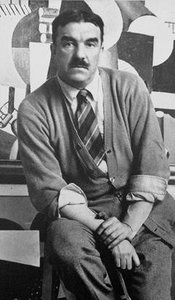
Fernand Léger
1881 - 1955 , Franciaország
Érmeradatok
- Artistic Movement Or Style:
- Kubizmus
- Tubizmus
- Section d'Or
- Purizmus
- Dadaizmus
- Konstruktivizmus
- Artists Or Movements Influenced By This Artist:
- Pop Art
- Roy Lichtenstein
- Andy Warhol
- Artists Who Influenced This Artist: ['Paul Cézanne']
- Date Of Birth: 1881
- Date Of Death: 1955
- Full Name: Joseph Fernand Henri Léger
- Nationality: Francia
- Notable Artworks:
- Nudes in the Forest
- A város
- A szerelő
- Három nő
- A kék nő
- Place Of Birth: Argentan, Franciaország