Fernand Léger életútja
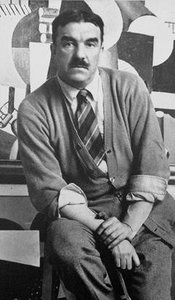
Fernand Léger története Argentan falujában kezdődik, amely az Alsó-Normandia Orne megyéjében található. 1881. február 4-én érkezett el erre a világra, egykori egykori egyke aszally. Korai éveket a francia vidék csendje és anyja, Marie-Adèle Daunou jelenléte formált, aki egy szentelett, s magvátozó természetű nő volt. Apja, aki marhahagyományokkal keresztezte meg megélhetését, Fernand még kisfiú volt, amikor elhunyt, így a gyermek anyja nevelésében nőtt fel egy olyan háziasságban, amelyet az anya vallásossága és bizonyos szerényessége meghatározott.
A normann vidék vidéki tájai olyan alapozást biztosítottak számára, amely éles kontrasztot alkott a későbbi, a francia kultúra pezsgő központjaiban megélt életével szemben. Bár gyökerei a földhöz és a mezőgazdasági élet fizikai valóságához kötődtek, szelleme a modern kor összetettsége felé tévedt. Végül messze túl járt Argentan határain, számos művészeti ágban megmutatva tehetségét. Nem korlátozódott a vászonra; inkább a szobrászaton és a mozgóképes filmek világán keresztül próbálta kifejezni egyedi látásmódját.
Élete egy folyamatos mozgás volt a fiatossága idején tapasztalt organikus textúrák és a városok strukturált, mechanikus ritmusai között. Ez a dualitás határozta meg létezését, miközben navigált a változó évszázad áramlataiban. Útja soha nem volt egyszerű: a gyermekkorának hagyományos világának és az ipari jövő gyors, ütemes pulzusának feszültsége vezette, amelyet később művészete révén segített meghatározni.
Korai élet, család és képzés
Léger látásmódának gyökerei Argentan vidéki tájában, Alsó-Normandia Orne megyéjében mertek gyözelemhez. A gazdálkodás világában született, korai éveket a föld fizikai ereje és a mezőgazdasági élet állandó, megremegtető ritmusa formált. Ez a megfoghatatlan, pracáncoló világban való gyökerezés csendesen ott maradt a felszín alatt, később kialakult, sokkal összetettebb művészeti kísérletei mögött is. Egyedülálló fiúként nőtt fel, akit egy rendesen, de szerény lélekkel bíró édesanyja nevelett, és az életútja kezdetben az építészet strukturált, fegyelmezett disiplinájához vezetett. 1897 és 1899 között e technikai ipmárnak szentelte magát, megtanulva a tér logikáját és a pontos rajzolás elengedhetetlen szükségességét.
1900-ra a város vonzereje már nem volt elhárítható, így Párizsba költözött. Életét építészrajzokat végezve tartotta fenn, egy olyan szerepkörben, amely éles szemet igényelt a vonal és a proporció tekintetében. Bár az építészetből származó formális képzése a szerkezeti megértés szilárd alapját fektette le, szíve egyre inkább a vászon felé tűnt. Megpróbált bejutni a tekintélyes École des Beaux-Arts-ba, azonban az intézmény nem engedte őt hivatalos hallgatóvá. Semmi azonban nem tartotta vissza, így nem regisztrált hallgatóként járt iskolába, elnyelve a mesterek tanításait, miközben az akadémiai establishment szélén mozogott. Ez a tanulmányi időszak, bár néha kereső évtizedként írják le, elengedhetetlen volt annak a technikai tudás finomításához, amelyet később a világ saját képe szerint szétszedésre és újjáépítésre használt.
Cézanne és a kubizmus hatása
Mélyreható változás következett be életében 1907-ben, amikor a művész találkozott Cézanne retroszpektív kiállításaival a Salon d'Automne-n. Ez a találkozás katalizátorként szolgált, távolítva őt a fiatossági évek lágy impresszióitól egy strukturáltabb látásmód felé. Megkezdte a tárgyak felszínén túlra nézni, az a zugó geometriát keresve, amely meghatározza a világot. 1909-re azután, hogy olyan meghatározó alakokkal találkozott, mint Alexander Archipenko, Jacques Lipchitz, Marc Chagall és Robert Delaunay, Fernand Léger neve egyre többet hallatoskodott a párizsi kreatív körökben. Ezek a találkozások nem csupán társasági események voltak; az új gondolatok összeütközései, amelyek segítenek kialakítani fejlődő művészeti látásmódját.
Az évek folyamán Fernand Léger a Puteaux Csoport, vagy más néven a Section d'Or művészi köre köré gravitált. Jean Metzinger és Henri Le Fauconnier mellett az új, vizuális nyelv matematikai és strukturális lehetőségeit kutatta. Nem érte be azzal, hogy egyszerűen kövesse mások által kijelölt utakat; inkább a korszakot meghatározó, törzsett síkokon és egymásba vetődő formákon keresztül akarta megtalálni a saját útját. Az intenzív kísérletezés ez időszaka vezetett első jelentős kiállításához a 1911-es Salon des indépendants-on, ahol bemutatta az Nudes in the Forest című művét.
- Nudes in the Forest (1911)
Háború és a mechanikai korszak
A Nagyháború káosza a művész stúdiói Párizsából a frontok kegyetlen valóságába repítette őt. 1914 és 1917 között a Francia Armodában szolgált, két kimerítő évet töltve az Argonne-erdőben. A konfliktum nem csupán a háttérben húzódó esemény volt az életében, hanem egy olyan transzformatív erő, amely alapjaiban változtatta meg a formák iránti érzékelését. 1916-ban egy mustármágas támadás majdnem életét követelte, így a gyógyulási folyamat során figyelte, ahogy a körülötte lévő világot az ipari pusztítás nyers ereje újrarajzolja. Még ugyanazon az évben, egy rövid szabadság alatt is kényszerítve érezte magát a festéshez, amely során megalkotta a Soldier with a Pipe című művét. Ez a alkotás rögzítette az új valóság érzetét, amelyben az emberi alak már a savaşásmezét uraló gépek tulajdonságait kezdte átvenni.
1917-re egy határozott ív fordult a kreatív szellemében, jelezve a később mechanikai korszaknak nevezett időszak kezdetét. Különös, ritmikus szépséget talált a modern hadviselés és az ipar eszközeiben, technológiájában. A sima, cs tubularis formák és a mechanikai alkatrészek precizitása vált a látványvilágának új nyelvévé. Nem tekintette ezeket az objektumokat hidegnek vagy személytelenné; sőt, befogadta erejüket és azt a képességet, amellyel képesek voltak rendszerezni a modern létezés káoszát. A háború lerohantotta korábbi művei puha széleit, és helyükre egy éles, strukturális tisztaságot hozott, amely a változó kor acélát és tłompereit tükrözte.
Technika és stílus
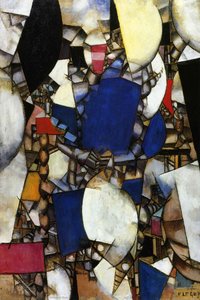
Pincéjének mozgása ritmikus, szinte ipari precizitással tört elő, folyamatosan a változó kor zaklatódását próbálva megörökíteni. Elszántan távolodott a múlt lágy, összefolyó árnyékaitól, és helyette robusztus, geometrikus erővel építette fel kompozícióit. Ez a megközelítés vezetett a cubizmus egyéni formájának, a kritikusok által „tubizmusnak” nevezett stílus kialakulásához. Ebben a művészetben a világ cs tubularis, kémfai és kubikus formák mögött született meg újra, olyan volument adva alkotmányainak, amely egyszerre tűnt masszívnak és dinamikusnak. Fernand Léger nem csupán tárgyakat festett; ő a tárgyak belső, esszenciális, strukturális logikáját kereste.
A választott színei ugyanolyan határozottsággal ragaszkodtak a vásznon, mint a formák, amelyeket megtöltöttek. A primáris színek domináns palettáját gyakran kísérték éles fekete és fehér kontrasztok, amelyek segítettek meghatározni motívumai éles határaidat. A hagyományos illúzióalakítás helyett a festéket bájos, lapos színtüzekkel alkalmazta. Gyakran alkalmazott vastag impastó technikát is, amely kiemelte a festékanyag fizikai jelenlétét a vászszinen. Ez a texturált megközelítés biztosította, hogy művei földozottnak és anyagiasságban telve maradjanak, tükrözve azokat a gépeket és városi szerkezeteket, amelyeket oly annyira csodált. Alakjai gyakran sima, gépieszerű formát öltöttek, elmosva a határt az organikus emberi test és a modern kor mérnöki precizitása között.
- Nudes in the Forest (1910)
- The Woman in Blue (1912)
- Soldier with a Pipe (1916)
- The Mechanic (1920)
Késő évek és halála
A globális konfliktusok változatos hullámai végül a művész távolabbi távlatokba, az Atlanti óceán túlra repítették őt, elszakítva a párizsi köreitől. 1940 és 1945 között az Egyesült Államokban élt, egy olyan időszakban, amely egy teljesen új perspektívát kínált számára a modern világról, amelyet oly régen próbált meg vászonra önteni. Ez az külföldi tartózkodás egyfajta szünetet jelentett hosszú fejlődési folyamatában, egy átmeneti pillanatot, mielőtt végül visszatért Franciaország földjére.
Hazatérése után a magánéletében jelentős változás következett be. 1952 februárjában feleségül vette Nadia Khodasevichet. Ez az unió az életének utolsó fejezetét jelentette, egy olyan időszakot, amelyet változatos alkotásai folyamatos termelésére szentelt, a hatalmas méretű falmáloktól kezdve a finom színesablakokig. Az évtizedek múlásával a nemzetközi elismeret mégsem csappant le a hírnevének; 1955-ben megnyerte a São Paulo Biennálen a Grand Prize-t, egy olyan magas rangú kitüntetést, amely épp az ő halála évében ért meg őt. Fernand Léger 1955. augusztus 17-én távozott el ezen múltról, Gif-sur-Yvette-ben, Franciaországban.
Örökség és hatás
Fernand Léger olyan nyomot hagyott, amely messze túlmutatott saját korának avantgárd körein. Az absztrakt művészet és a figuratív ábrázolás közötti szakadék áthidalásával lehetőséget biztosított a művészek számára, hogy befogadják a modern világot anélkül, hogy teljesen elhagynák az emberi motívumot. Megközelítése egyfajta párbeszédet teremtett a geometriai struktúra logikája és az emberek, valamint tárgyak felismerhető jelenléte között. Az a képesség, amellyel a tiszta koncepció és a megfogtouchinható valóság közötti közéterméket találta meg, meghatározta a nála később kialakuló művészet számos irányát.
Formáinak merész egyszerűsítése és a tömegtermelés esztétikája iránti rajongása a pop art mozgalom előzményeiként játszotta szerepet. Egyfajta szépséget látott a gépkorszak ismétlődő, funkcionális természében, egy olyan nézőpontban, amely később egy új generáció alkotóival rezonált. Olyan művészek, mint Roy Lichtenstein és Andy Warhol, egyértelmű vonalat húzoltak az ő merész kontúrokkal és mechanikus képi világával folytatott kísérleteiből a saját néphunyi kultúra utáni felfedezéseikig. Segített előkészíteni a vizuális nyelvet egy olyan korszak számára, amely végül éppen azokat az ipari és kereskedelmi elemeket ünnepelte meg, amelyeket ő egykor a vászonra próbált lefordítani.
Hol láthatjuk műveit ma?
Léger látásmódának fizikai jelenlétével való találkozáshoz az ország déli részére, pontosabban a Alpes-Maritimes megyében található Biot településre ingóznunk kell. Itt található a Musée national Fernand Léger, egy olyan intézmény, amely teljes egészében a művész alkotói munkásságának tanulmányozásának és megőrzésének szentelheti magát. A múzeum a Mas Saint-André-ben, egy olyan villában foglal helyet, amely egykor maga a művész tulajdona volt. Ezeknek a falaknak és a környező kerteknek a nyugodalmában polichrom kerámia szobrai megtalálják az igazi környezetüket, lehetővé téve a néző számára, hogy felfedezze, hogyan lépnek kapcsolatba formái a mediterrán táj fényével és tereszével.
Ezen a specializált szenthelyen túlvetően művei számos jelentős intézmény gyűjteményében kaptak helyet. Franciaország Művészeti és Történelmi Múzeuma (Musée d'Art et d'Histoire) is őrzi alkotásai egy részét, biztosítva ezzel művész jelenlétét a francia művészet szélesebb narratívájában. Ez a gyűjtemény lehetővé teszi a folyamatos kutatást arról, hogyan fordította át a gépkorszak energiáját statikus, mégis pulzáló vizuális formákká. Az ő specifikus esztétikáját kereső utazók nyomokat találhatnak több meghatározó gyűjteményben, többek között:
Léger hatása más művészek alkotásaiban is megélődik, azonban művészetének közvetlen ízét leginkább ezek a tekintélyes tárolók adják át. Legyen szó a múzeumok falai között megfigyelhető bátor, hengreszerű formákról, vagy egy kert csendjében felfedezhető szobrászati alkotásokról, a néző ugyanazt a strukturális tisztaságot találja szemben, amely életműve meghatározása volt. Öröksége ezekben a konkrét helyszínekben marad meg tartósan, ahol festményei nehéz, mechanikus ritmusait őrizik azok számára, akik a geometriája mögött rejlő igazságot keresik.


 Összes részlet megjelenítése




 Váltás nyomtatványra


 A bármely oldalsó méretét túlszálaló 105 cm (kb. 41 hüvelyk) meghaladó műalkotások vagy reprodukciók esetében a keret összeszerelhető készletként, szétszerelve kerül szállításra. Ez a módszer biztosítja a biztonságos szállítást, és megakadályozza a szállítás során fellépő sérüléseket.


