Garanzia soddisfatti o rimborsati · 100 giorni Spedizione gratuita in tutto il mondo
449.582opere d'arte 30.618artisti 4.705musei 32Lingue
Valuta
    Lingua
      Atelier · Dal 2015 · Parigi, Francia
      AllPaintingsStore
      allpaintingsstore.com
      Anteprima in scala reale Prova in AR Passa alle stampe Passa all'immagine digitale Condividi
      Dettagli Guida stampabile Aggiungi ai preferiti Scarica Articoli simili Radiografia Slideshow Statistiche

      Elemento macchina 1° stato

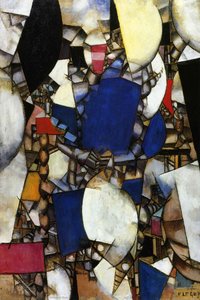
      Scopri "Elemento macchina 1° stato", un'opera iconica di Fernand Léger che celebra l'estetica industriale e la forza della geometria cubista nel cuore dell'arte moderna.

      Esplora l'arte di Fernand Léger (1881-1955), un pioniere del Cubismo e della 'Tubismo'. Scopri i suoi audaci dipinti figurativi che celebrano la vita moderna, le macchine e la forma umana. Un precursore del Pop Art!

      Riproduzione a olio fatta a mano

      Olio su tela dipinto a mano nelle tue dimensioni e con la tua cornice, realizzato su ordinazione dai nostri artisti. ( Passa alle stampe Passa all'immagine digitale)

      Corner sample of the P118B picture frame: moulded polystyrene, 5 cm wide and 3 cm thick
      P118B 10
      Corner sample of the P118H picture frame: moulded polystyrene, 5 cm wide and 3 cm thick
      P118H 10
      Corner sample of the P118W picture frame: moulded polystyrene, 5 cm wide and 3 cm thick
      P118W 10
      Corner sample of the P438Z picture frame: moulded polystyrene, 5.5 cm wide and 3.5 cm thick
      P438Z 10
      Corner sample of the P508JH picture frame: moulded polystyrene, 7 cm wide and 3.5 cm thick
      P508JH 12
      Corner sample of the P508YH picture frame: moulded polystyrene, 7 cm wide and 3.5 cm thick
      P508YH 12
      Corner sample of the P805H picture frame: moulded polystyrene, 5 cm wide and 3.5 cm thick
      P805H 10
      Corner sample of the P805Z picture frame: moulded polystyrene, 5 cm wide and 3.5 cm thick
      P805Z 10
      Corner sample of the P919BZ picture frame: moulded polystyrene, 7 cm wide and 3.5 cm thick
      P919BZ 10
      Corner sample of the P919G picture frame: moulded polystyrene, 7 cm wide and 3.5 cm thick
      P919G 10
      Corner sample of the P919XJ picture frame: moulded polystyrene, 7 cm wide and 3.5 cm thick
      P919XJ 10
      Corner sample of the P959ZH picture frame: moulded polystyrene, 5 cm wide and 3 cm thick
      P959ZH 10
      Corner sample of the P968JZ picture frame: moulded polystyrene, 6 cm wide and 4 cm thick
      P968JZ 12
      Corner sample of the W106C picture frame: solid wood, 5 cm wide and 3 cm thick
      W106C 8
      Corner sample of the W218G picture frame: solid wood, 5 cm wide and 3 cm thick
      W218G 10
      Corner sample of the W218JH picture frame: solid wood, 5 cm wide and 3 cm thick
      W218JH 8
      Corner sample of the W218Y picture frame: solid wood, 5 cm wide and 3 cm thick
      W218Y 10
      Corner sample of the W307PJ picture frame: solid wood, 6 cm wide and 3 cm thick
      W307PJ 10
      Corner sample of the W316G picture frame: solid wood, 6 cm wide and 3 cm thick
      W316G 10
      Corner sample of the W316PJ picture frame: solid wood, 6 cm wide and 3 cm thick
      W316PJ 8
      Corner sample of the W316Y picture frame: solid wood, 6 cm wide and 3 cm thick
      W316Y 10
      Corner sample of the W398PJ picture frame: solid wood, 5 cm wide and 3 cm thick
      W398PJ 8
      Corner sample of the W4111J picture frame: solid wood, 6.5 cm wide and 3.5 cm thick
      W4111J 10
      Corner sample of the W500HY picture frame: solid wood, 7 cm wide and 5 cm thick
      W500HY 15
      Corner sample of the W500JH picture frame: solid wood, 7 cm wide and 5 cm thick
      W500JH 15
      Corner sample of the W692G picture frame: solid wood, 8 cm wide and 4 cm thick
      W692G 12
      Corner sample of the W849H picture frame: solid wood, 5 cm wide and 3 cm thick
      W849H 8
      Corner sample of the W940BG picture frame: solid wood, 7.5 cm wide and 4.5 cm thick
      W940BG 15
      Corner sample of the W953PJ picture frame: solid wood, 6 cm wide and 3.5 cm thick
      W953PJ 8

      Standard
      personalizzato
      CM
      INCH

      Scegli tra le nostre dimensioni predefinite, che rispettano le proporzioni originali dell'opera d'arte.

      larghezza
      altezza

      È possibile inserire dimensioni personalizzate per adattare l'opera a una cornice o a uno spazio specifico. Se la dimensione selezionata non corrisponde alle proporzioni dell'immagine originale, provvederemo a ritagliare l'opera o a estendere il dipinto con elementi aggiuntivi dipinti a mano. Un mockup digitale ti sarà inviato per approvazione prima dell'inizio della produzione.
      Si prega di notare che l'anteprima a schermo non riflette il ritaglio o l'estensione effettivi. Solo il mockup mostrerà accuratamente la composizione finale.
      Sebbene siano disponibili dimensioni personalizzate, consigliamo di selezionare una dimensione dall'elenco predefinito per preservare le proporzioni originali.

      Esempi di personalizzazione: sostituire il volto con una foto del cliente; aggiungere un animale domestico (ad esempio, sostituire un gatto con un cane); inserire un messaggio nascosto nello sfondo; cambiare il paesaggio o gli elementi dello sfondo.
      Dopo l'ordine, il team di AllPaintingsStore.com contatterà il cliente via e-mail per ricevere le istruzioni e fornirà un'anteprima del mockup

      Consegna in tutto il mondo () in 3/4 settimane anziché nelle normali 5 settimane. (10 Ottobre). Nessun compromesso sulla qualità.

      Spedizione espressa gratuita in tutto il mondo
      Tela in lino di alta qualità
      Assicurazione completa sulla spedizione
      Garanzia di rimborso dei dazi doganali
      Garanzia di perfetta fedeltà cromatica
      Politica di reso entro 100 giorni (solo per difetti di fabbricazione)
      Garanzia di rimborso al 100%
      Sconto per acquisti multipli

      Prezzo totale

      € 222

      Elemento macchina 1° stato

      Tecnica di riproduzione

      Dimensioni della riproduzione

      -

      Prezzo totale

      € 222

      Dettagli rapidi

      • Title: Machine element 1st state
      • Medium: Oil on canvas
      • Artistic style: Abstract
      • Year: 1924
      • Subject or theme: Machine age
      • Movement: Cubism

      Quiz d'arte

      Per ogni domanda è presente una sola risposta corretta.

      Domanda 1:
      What artistic movement is Fernand Léger’s ‘Machine element 1st state’ associated with?
      Domanda 2:
      The painting prominently features metallic components. What does this imagery symbolize in the context of Léger's artistic vision?
      Domanda 3:
      What color dominates the palette of ‘Machine element 1st state’?
      Domanda 4:
      The painting’s geometric shapes and forms are intended to convey what feeling?
      Domanda 5:
      Fernand Léger's work reflects a broader philosophical concern about the relationship between humans and machines. How does ‘Machine element 1st state’ express this idea?

      Fernand Léger: Embracing the Machine Age Through Geometric Abstraction

      Fernand Léger’s “Machine element 1st state,” painted in 1924, stands as a cornerstone of Cubism and represents more than just a visual depiction; it embodies a profound philosophical engagement with the burgeoning industrial landscape of the early twentieth century. Unlike many artists of his time who retreated into subjective expression, Léger boldly confronted modernity head-on, determined to translate its dynamism and mechanical precision into a new artistic language.

      • Subject Matter: The painting focuses on a meticulously constructed assemblage of metal components – a dominant cylindrical form on the left, smaller geometric shapes in the center, and another larger piece towards the right – alongside a prominent clock. Léger deliberately eschewed figurative representation to prioritize conveying the essence of industrial machinery.
      • Style & Technique: Léger’s approach firmly rooted in Cubism—developed collaboratively with Pablo Picasso—characterized by fragmentation and multiple perspectives—a technique that shattered traditional notions of space and form. He employed bold geometric shapes, primarily cylinders and prisms, rendered in a palette dominated by red, white, blue, yellow, and black. The meticulous application of paint created textured surfaces that mirrored the physicality of industrial materials.

      Historical Context: The Rise of Industrialization and Artistic Response

      Created during a period marked by rapid technological advancements—the Second Industrial Revolution—“Machine element 1st state” reflects Léger’s fascination with the transformative power of machines on human experience. Cubism, as a movement, reacted against Impressionism's focus on fleeting sensations and sought to capture the underlying structure of objects and space. Léger wasn’t merely documenting industrial progress; he was actively wrestling with its implications for human perception and spirituality.

      Symbolism: Organic Forms Amidst Mechanical Precision

      Despite its predominantly geometric composition, Léger's painting isn't devoid of symbolic resonance. The cylinder—a recurring motif in Léger’s oeuvre—holds significance beyond its mechanical form; it harkens back to ancient symbolism representing the sacred tree or pillar – a symbol of fertility and stability—connecting the artwork to primal archetypes. This juxtaposition of organic and geometric elements underscores Léger's exploration of tension between nature and technology, mirroring broader anxieties about humanity’s place in an increasingly mechanized world.

      Emotional Impact: A Vision of Dynamic Equilibrium

      "Machine element 1st state" transcends mere visual aesthetics. Léger aimed to evoke a visceral response from the viewer—a feeling of movement and energy—mirroring the rhythm of industrial processes. The bold colors—particularly yellow, red, and blue—intensify this impression, creating an image that pulsates with vitality. Ultimately, Léger’s masterpiece invites contemplation on the relationship between human consciousness and the mechanical world, presenting a powerful statement about artistic innovation and its engagement with the spirit of the age.

      Domande e risposte

      Quanti anni aveva Fernand Léger quando ha creato "Elemento macchina 1° stato" nel 1924?

      Fernand Léger ha realizzato "Elemento macchina 1° stato" all'età di 43. L'artista è nato nel 1881 e l'opera è datata 1924.

      In che modo tecnica e movimento si fondono in "Elemento macchina 1° stato"?

      "Elemento macchina 1° stato" di Fernand Léger combina la tecnica Acrilico su tela con lo stile Cubist Style. La tecnica e il movimento descrivono la realizzazione e lo stile dell'opera.

      Quale stato d'animo esprime "Elemento macchina 1° stato" di Fernand Léger all'interno di Cubist Style?

      All'interno del movimento Cubist Style, "Elemento macchina 1° stato" è registrata con un tono Energico.

      Chi è l'artista dietro "Elemento macchina 1° stato"?

      "Elemento macchina 1° stato" è stata creata da Fernand Léger. Le informazioni contenute in questa pagina descrivono l'opera originale di Fernand Léger.

      Esiste una scheda informativa su "Elemento macchina 1° stato" di Fernand Léger per gli studenti?

      È disponibile una pagina Schede didattiche per "Elemento macchina 1° stato" di Fernand Léger: una scheda informativa stampabile sull'opera d'arte, progettata per studenti e uso didattico in classe.

      In quale fase della carriera di Fernand Léger si colloca "Elemento macchina 1° stato", considerando la sua datazione?

      Data la sua datazione al 1924, "Elemento macchina 1° stato" rientra nel Mature Period di Fernand Léger.

      In che anno è stata creata "Elemento macchina 1° stato" di Fernand Léger?

      "Elemento macchina 1° stato" di Fernand Léger è stata creata nel 1924.


      Biografia dell'artista

      vitae e formazione

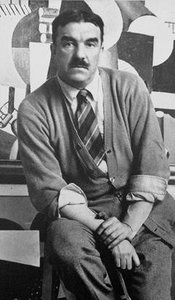
      Fernand Léger, pittore, scultore e filmmaker francese, nacque il 4 febbraio 1881 ad Argentan, Orne, nella bassa Normandia. Suo padre allevava bovini e Léger iniziò la sua formazione come architetto nel 1897-1899. Successivamente si trasferì a Parigi nel 1900, sostenendosi con il lavoro di disegnatore architettonico.

      sviluppo artistico

      Le prime opere di Léger furono influenzate dall'impressionismo, come visto in Le jardin de ma mère (Il giardino di mia madre) (1905). Dopo aver frequentato la scuola d'arte decorativa e l'Académie Julian, iniziò a lavorare seriamente come pittore a 25 anni. Il suo stile si evolse in una forma personale di cubismo, che i critici definirono "tubismo" per la sua enfasi su forme cilindriche.

      Cubismo e il gruppo dei Puteaux

      Nel 1910, Léger espose al Salon d'automne insieme a Jean Metzinger e Henri Le Fauconnier. Entrò nel gruppo dei Puteaux, noto anche come la sezione d'or (la sezione aurea), insieme ad altri artisti come Francis Picabia e Marcel Duchamp.

      Guerra e la sua influenza sull'opera di Léger

      Le esperienze di Léger nella Prima Guerra Mondiale ebbero un impatto significativo sulla sua opera. Durante il suo tempo al fronte, produsse schizzi di pezzi d'artiglieria, aerei e soldati. Il suo dipinto Soldier with a Pipe (1916) riflette questo periodo.

      Lavoro successivo e eredità

      Il lavoro post-bellico di Léger, caratterizzato da forme meccaniche lisce, lo legò alla tradizione della pittura figurativa francese. I suoi paesaggi animati del 1921 mostrarono figure e animali in forme armoniose e razionalizzate. opere chiave: musei che espongono le opere di Léger:
      Fernand Léger

      Fernand Léger

      1881 - 1955 , Francia

      Informazioni rapide

      • Artisti Influenti:
        • Cézanne
        • Impressionismo
      • Artisti Influenzati: ['Pop Art']
      • Data Di Nascita: 4 febbraio 1881
      • Luogo Di Nascita: Argentan, Francia
      • Movimento Artistico: Cubismo, Tubismo
      • Nazionalità: Francese
      • Nome Completo: Fernand Léger
      • Opere Notevoli:
        • La Grande Parata
        • L'Elemento Macchina
        • Donna Seduta
        • The City
      Esplora le opere d'arte organizzate per temi, stili e caratteristiche.