Anteprima in scala reale
 Condividi
 Condividi
 Dettagli

 Scarica immagine
 Articoli simili
 Radiografia
 Slideshow
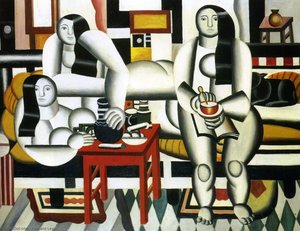
The four cyclists
 Cubism
 129.0 x 161.0 cm
 Leggi tutto
Riproduzione a olio fatta a mano
Olio su tela dipinto a mano nelle tue dimensioni e con la tua cornice, realizzato su ordinazione dai nostri artisti. ( Ordina stampa Acquista download)




P118B $10

P118H $10

P118W $10

P438Z $10

P508JH $12

P508YH $12

P805H $10

P805Z $10

P919BZ $10

P919G $10

P919XJ $10

P959ZH $10

P968JZ $12

W106C $8

W218G $10

W218JH $8

W218Y $10

W307PJ $10

W316G $10

W316PJ $8

W316Y $10

W398PJ $8

W4111J $10

W500HY $15

W500JH $15

W692G $12

W849H $8

W940BG $15

W953PJ $8




Scegli tra le nostre dimensioni predefinite, che rispettano le proporzioni originali dell'opera d'arte.

È possibile inserire dimensioni personalizzate per adattare l'opera a una cornice o a uno spazio specifico. Se la dimensione selezionata non corrisponde alle proporzioni dell'immagine originale, provvederemo a ritagliare l'opera o a estendere il dipinto con elementi aggiuntivi dipinti a mano. Un mockup digitale ti sarà inviato per approvazione prima dell'inizio della produzione.
Si prega di notare che l'anteprima a schermo non riflette il ritaglio o l'estensione effettivi. Solo il mockup mostrerà accuratamente la composizione finale.
Sebbene siano disponibili dimensioni personalizzate, consigliamo di selezionare una dimensione dall'elenco predefinito per preservare le proporzioni originali.
Dopo l'ordine, il team di AllPaintingsStore.com contatterà il cliente via e-mail per le istruzioni e fornirà un'anteprima del mockup
Consegna in tutto il mondo () in 3/4 settimane anziché nelle normali 5 settimane. (20 Agosto). Nessun compromesso sulla qualità.

Spedizione espressa gratuita in tutto il mondo

Tela in lino di alta qualità

Assicurazione completa sulla spedizione

Garanzia di rimborso dei dazi doganali

Garanzia di fedeltà cromatica dell'originale

Politica di reso entro 60 giorni (solo per difetti di fabbricazione)

Garanzia di rimborso al 100%

Sconto per acquisti multipli
 L'opzione vetro è disponibile solo per dimensioni inferiori a 110 cm

The four cyclists
Tecnica di riproduzione
Dimensioni della riproduzione
-


Prezzo totale
$ 258
Descrizione dell'opera
A Symphony of Form and Movement: Exploring Fernand Léger’s “The Four Cyclists”
Fernand Léger's "The Four Cyclists," completed around 1924, stands as an arresting embodiment of Cubist principles interwoven with a palpable fascination for the burgeoning dynamism of the machine age. More than just a depiction of four women seated upon bicycles—a seemingly simple subject matter—the painting operates on multiple levels, inviting contemplation about representation itself and resonating deeply with the anxieties and aspirations of its time. Léger’s artistic vision wasn't merely to record what he saw; it was to *transform* perception, reshaping reality into a constellation of geometric forms that simultaneously capture movement and stillness.The Cubist Breakthrough: Deconstructing Reality
Léger’s approach to painting aligns squarely with the tenets of Cubism pioneered by Pablo Picasso and Georges Braque. Rejecting traditional perspective and illusionistic techniques, Cubists shattered visual space into fragmented planes—much like Léger does here—creating a composite image that simultaneously presents multiple viewpoints simultaneously. The bicycle frames themselves are dissected into angular shards, mirroring the fractured nature of perception during this period. This deliberate deconstruction isn’t an exercise in nihilism; rather, it's a strategic maneuver designed to liberate color and form from the constraints of conventional representation, allowing Léger to explore new expressive possibilities. Notice how the planes overlap and intersect, creating a sense of depth that defies Euclidean geometry—a hallmark of Cubist innovation.Technique and Materiality: Bold Color Palette and Textured Surfaces
Léger’s masterful technique is characterized by a bold color palette dominated by vibrant reds, yellows, and blues—colors that evoke both the heat of industrial furnaces and the optimism associated with technological progress. These hues aren't blended smoothly; instead, Léger employs a layering process—a technique he termed “tachisme”—to achieve textured surfaces that pulsate with energy. Thick impasto strokes create palpable ridges on the canvas, conveying a sense of physicality and immediacy that contrasts sharply with the polished surfaces favored by Impressionists. The artist meticulously builds up pigment onto the surface, creating visual rhythms and patterns that mirror the movement of cyclists—a deliberate reference to the subject matter itself.Historical Context: Navigating the Machine Age
“The Four Cyclists” emerged during a period of profound societal transformation driven by industrialization and urbanization. Léger’s preoccupation with bicycles reflects this broader cultural fascination with speed, efficiency, and technological advancement—themes that permeated artistic discourse throughout the 1920s. The painting serves as a visual commentary on the anxieties surrounding rapid change and the displacement of traditional ways of life—concerns that were acutely felt by artists grappling with the implications of modernity. Léger’s work anticipates developments in Surrealism, albeit without embracing its dreamlike imagery; instead, he seeks to capture the underlying rhythms and patterns of existence—a quest for order amidst chaos.Symbolic Resonance: Women, Movement, and Technological Optimism
Beyond its formal innovations, “The Four Cyclists” possesses a subtle symbolic resonance. The women depicted represent resilience and adaptability—qualities deemed essential for navigating the complexities of the machine age. Their posture conveys both strength and serenity—a harmonious blend of physical presence and inner calm. Furthermore, the bicycles themselves symbolize movement, progress, and connection to the natural world—a paradoxical juxtaposition that underscores Léger’s artistic vision. The artist's deliberate use of color and texture reinforces this symbolic message, conveying a sense of vitality and optimism—a testament to humanity’s capacity for innovation and transformation.Emotional Impact: Capturing Transient Moments
Ultimately, “The Four Cyclists” succeeds in capturing fleeting moments of beauty and contemplation—inspiring viewers with its dynamic composition and expressive palette. Léger's ability to convey emotion through form transcends the limitations of representational art, inviting audiences to engage directly with the painting’s underlying rhythms and patterns. It is a piece that lingers in the mind long after viewing, prompting reflection on themes of modernity, resilience, and artistic experimentation—a timeless masterpiece that continues to resonate with collectors and enthusiasts alike.Opere correlate


Biografia dell'artista
vitae e formazione
Fernand Léger, pittore, scultore e filmmaker francese, nacque il 4 febbraio 1881 ad Argentan, Orne, nella bassa Normandia. Suo padre allevava bovini e Léger iniziò la sua formazione come architetto nel 1897-1899. Successivamente si trasferì a Parigi nel 1900, sostenendosi con il lavoro di disegnatore architettonico.sviluppo artistico
Le prime opere di Léger furono influenzate dall'impressionismo, come visto in Le jardin de ma mère (Il giardino di mia madre) (1905). Dopo aver frequentato la scuola d'arte decorativa e l'Académie Julian, iniziò a lavorare seriamente come pittore a 25 anni. Il suo stile si evolse in una forma personale di cubismo, che i critici definirono "tubismo" per la sua enfasi su forme cilindriche.Cubismo e il gruppo dei Puteaux
Nel 1910, Léger espose al Salon d'automne insieme a Jean Metzinger e Henri Le Fauconnier. Entrò nel gruppo dei Puteaux, noto anche come la sezione d'or (la sezione aurea), insieme ad altri artisti come Francis Picabia e Marcel Duchamp.Guerra e la sua influenza sull'opera di Léger
Le esperienze di Léger nella Prima Guerra Mondiale ebbero un impatto significativo sulla sua opera. Durante il suo tempo al fronte, produsse schizzi di pezzi d'artiglieria, aerei e soldati. Il suo dipinto Soldier with a Pipe (1916) riflette questo periodo.Lavoro successivo e eredità
Il lavoro post-bellico di Léger, caratterizzato da forme meccaniche lisce, lo legò alla tradizione della pittura figurativa francese. I suoi paesaggi animati del 1921 mostrarono figure e animali in forme armoniose e razionalizzate.- visualizza le opere di Fernand Léger su AllPaintingsStore
- altro sul Fernand Léger su Wikipedia
- scopri il Musée National Fernand Légère (Francia) con AllPaintingsStore
- La donna seduta (100 x 81 cm, tubismo)
- Elemento macchina (cubismo)
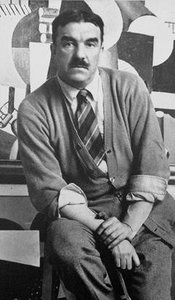
Fernand Léger
1881 - 1955 , Francia
Informazioni rapide
- Artisti Influenti:
- Cézanne
- Impressionismo
- Artisti Influenzati: ['Pop Art']
- Data Di Nascita: 4 febbraio 1881
- Luogo Di Nascita: Argentan, Francia
- Movimento Artistico: Cubismo, Tubismo
- Nazionalità: Francese
- Nome Completo: Fernand Léger
- Opere Notevoli:
- La Grande Parata
- L'Elemento Macchina
- Donna Seduta
- The City
Articoli correlati

Modern Geometry & Machine Age Beauty: A Collector's Guide to the Cubist Vision of Fernand Léger
Explore the profound geometric mastery of Fernand Léger. Discover how his 'Tubism' and Machine Age aesthetics redefined modern art, offering timeless inspiration for discerning collectors seeking to integrate Cubist dynamism into sophisticated contemporary interiors.

Cubism Explained: A Professional Guide to Geometric Abstraction for Modern Interior Design
Master the impact of Cubism in modern design. Our expert guide explores geometric abstraction, Picasso's legacy, and professional solutions for sourcing high-quality Cubist reproductions for hotels, corporate spaces, and luxury interiors.

Synthetic Cubism Explained: A Professional Guide to Texture, Collage, and Geometric Abstraction for Modern Interior Design
Master the use of Synthetic Cubism in modern hospitality design. Our expert guide explores texture, collage, and geometric abstraction to help designers source premium, large-scale oil reproductions for hotels and corporate spaces with professional reliability.

Cubism Explained: A Professional Guide to Geometric Abstraction for Modern Interior Design
Master the use of Cubism in professional interior design. This expert guide explores geometric abstraction, Picasso's influence, and practical strategies for sourcing high-quality Cubist reproductions for large-scale hotel and corporate projects.