Anteprima in scala reale
 Condividi
 Condividi
 Dettagli

 Scarica immagine
 Articoli simili
 Radiografia
 Slideshow
The Inhuman
 Acrylic
- WallArt
- Constructivism Geometric Abstraction
 1923
1923 25.0 x 32.0 cm
 Leggi tutto
Giclée / Stampe d'arte
Stampa giclée o su tela di qualità museale, con produzione rapida e diverse opzioni di finitura. ( Passa alla versione dipinta a mano Passa all'immagine)




P118B $10

P118H $10

P118W $10

P438Z $10

P508JH $12

P508YH $12

P805H $10

P805Z $10

P919BZ $10

P919G $10

P919XJ $10

P959ZH $10

P968JZ $12

W106C $8

W218G $10

W218JH $8

W218Y $10

W307PJ $10

W316G $10

W316PJ $8

W316Y $10

W398PJ $8

W4111J $10

W500HY $15

W500JH $15

W692G $12

W849H $8

W940BG $15

W953PJ $8




Scegli tra le nostre dimensioni predefinite, che rispettano le proporzioni originali dell'opera d'arte.

È possibile inserire dimensioni personalizzate per adattare l'opera a una cornice o a uno spazio specifico. Se la dimensione selezionata non corrisponde alle proporzioni dell'immagine originale, procederemo al ritaglio dell'opera o all'estensione dell'immagine con un bordo specchiato o a tinta unita. Un mockup digitale ti verrà inviato per approvazione prima dell'inizio della produzione.
Si prega di notare che l'anteprima a schermo non riflette il ritaglio o l'estensione effettivi. Solo il mockup mostrerà accuratamente la composizione finale.
Sebbene siano disponibili dimensioni personalizzate, si raccomanda di selezionare una dimensione dall'elenco predefinito per preservare le proporzioni originali.
Consegna in tutto il mondo () in 2 settimane invece delle normali 4/5 settimane. (9 Agosto)

Spedizione espressa gratuita in tutto il mondo

Tela in lino di alta qualità

Assicurazione completa sulla spedizione

Garanzia di rimborso dei dazi doganali

Garanzia di fedeltà cromatica dell'originale

Politica di reso entro 60 giorni (solo per difetti di fabbricazione)

Garanzia di rimborso al 100%

Sconto per acquisti multipli
 L'opzione vetro è disponibile solo per dimensioni inferiori a 110 cm

The Inhuman
Giclée / Stampe d'arte
Dimensioni della riproduzione
-


Prezzo totale
$ 65
Descrizione del pezzo
A Symphony of Geometric Form: Exploring Fernand Léger’s “The Inhuman”
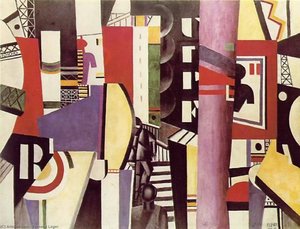
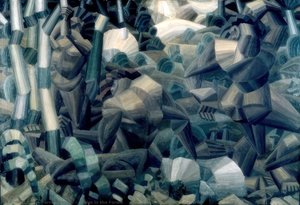
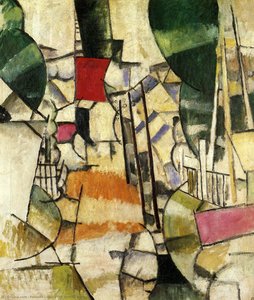
Fernand Léger's "The Inhuman," painted in 1923, isn’t merely a visual spectacle; it’s a crystallized embodiment of the anxieties and aspirations surrounding the burgeoning industrial revolution. This striking black and white photograph captures a seminal work within Léger’s constructivist oeuvre—a movement that sought to liberate art from traditional representational constraints and embrace the raw power of geometric abstraction as a reflection of technological progress. The image itself is deceptively simple, yet brimming with intellectual depth, inviting viewers to contemplate its profound implications.- Subject Matter: Léger’s vision centers on a fragmented landscape dominated by circles—a deliberate rejection of organic forms and an assertion of the primacy of machine-like precision. These circles aren't merely decorative; they represent abstracted representations of wheels, gears, and other mechanical components – symbols of relentless movement and industrial efficiency.
- Style & Technique: Léger’s constructivist style is characterized by bold lines and flattened planes, prioritizing visual impact over meticulous detail. The painting utilizes a reductive technique, stripping away superfluous ornamentation to focus on essential shapes and textures. This approach aligns perfectly with the aesthetic principles of Constructivism, which championed clarity and functionality as ideals for artistic expression.
- Historical Context: Created during the turbulent years following World War I, “The Inhuman” reflects the pervasive disillusionment felt by artists grappling with the devastation of conflict and the rapid transformation of society under industrial influence. Léger’s work stands alongside other constructivist paintings that grapple with similar themes—the dehumanizing effects of urbanization and the potential for technology to both liberate and oppress humanity.
- Symbolism: Beyond its mechanical imagery, “The Inhuman” carries a deeper symbolic resonance. The clock prominently displayed on the upper right corner serves as a poignant reminder of time’s relentless march forward—a visual metaphor for the unstoppable progression of industrialization and the anxieties surrounding its consequences. Léger deliberately avoids sentimental depictions; instead, he presents an unflinching portrayal of a world increasingly governed by logic and efficiency.
The Artist's Vision: Léger’s Engagement with Constructivism
Fernand Léger wasn’t simply reacting to the industrial age; he was actively shaping its artistic representation. Influenced by figures like Piet Mondrian and Kazimir Malevich, Léger embraced Constructivism as a means of expressing his belief in the transformative potential of technology. He saw it not just as a source of destruction but also as an opportunity for creating new forms of beauty—beauty rooted in geometric abstraction and driven by rational principles. This conviction fueled his unwavering dedication to exploring the visual language of the machine age, resulting in artworks that continue to captivate audiences today.Emotional Resonance: Facing Forward with Unease
Despite its austere aesthetic, “The Inhuman” possesses a palpable emotional intensity. Léger’s deliberate avoidance of emotive color and expressive brushstrokes underscores his commitment to conveying a sense of unease—a recognition of the anxieties inherent in confronting an increasingly mechanized world. The painting compels viewers to contemplate humanity's relationship with technology, prompting questions about our role within a larger system driven by forces beyond our control. Ultimately, Léger’s masterpiece serves as a powerful reminder that even in the face of overwhelming change, art can retain its capacity for profound reflection and emotional engagement.Opere correlate


Biografia dell'artista
vitae e formazione
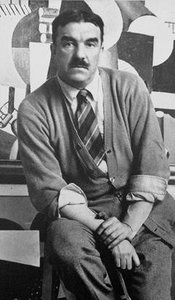
Fernand Léger, pittore, scultore e filmmaker francese, nacque il 4 febbraio 1881 ad Argentan, Orne, nella bassa Normandia. Suo padre allevava bovini e Léger iniziò la sua formazione come architetto nel 1897-1899. Successivamente si trasferì a Parigi nel 1900, sostenendosi con il lavoro di disegnatore architettonico.sviluppo artistico
Le prime opere di Léger furono influenzate dall'impressionismo, come visto in Le jardin de ma mère (Il giardino di mia madre) (1905). Dopo aver frequentato la scuola d'arte decorativa e l'Académie Julian, iniziò a lavorare seriamente come pittore a 25 anni. Il suo stile si evolse in una forma personale di cubismo, che i critici definirono "tubismo" per la sua enfasi su forme cilindriche.Cubismo e il gruppo dei Puteaux
Nel 1910, Léger espose al Salon d'automne insieme a Jean Metzinger e Henri Le Fauconnier. Entrò nel gruppo dei Puteaux, noto anche come la sezione d'or (la sezione aurea), insieme ad altri artisti come Francis Picabia e Marcel Duchamp.Guerra e la sua influenza sull'opera di Léger
Le esperienze di Léger nella Prima Guerra Mondiale ebbero un impatto significativo sulla sua opera. Durante il suo tempo al fronte, produsse schizzi di pezzi d'artiglieria, aerei e soldati. Il suo dipinto Soldier with a Pipe (1916) riflette questo periodo.Lavoro successivo e eredità
Il lavoro post-bellico di Léger, caratterizzato da forme meccaniche lisce, lo legò alla tradizione della pittura figurativa francese. I suoi paesaggi animati del 1921 mostrarono figure e animali in forme armoniose e razionalizzate.- visualizza le opere di Fernand Léger su AllPaintingsStore
- altro sul Fernand Léger su Wikipedia
- scopri il Musée National Fernand Légère (Francia) con AllPaintingsStore
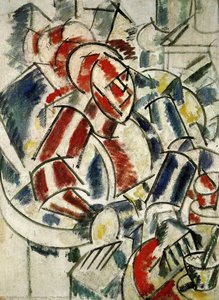
- La donna seduta (100 x 81 cm, tubismo)
- Elemento macchina (cubismo)
Fernand Léger
1881 - 1955 , Francia
Informazioni rapide
- Artisti Influenti:
- Cézanne
- Impressionismo
- Artisti Influenzati: ['Pop Art']
- Data Di Nascita: 4 febbraio 1881
- Luogo Di Nascita: Argentan, Francia
- Movimento Artistico: Cubismo, Tubismo
- Nazionalità: Francese
- Nome Completo: Fernand Léger
- Opere Notevoli:
- La Grande Parata
- L'Elemento Macchina
- Donna Seduta
- The City
Articoli correlati

Modern Geometry & Machine Age Beauty: A Collector's Guide to the Cubist Vision of Fernand Léger
Explore the profound geometric mastery of Fernand Léger. Discover how his 'Tubism' and Machine Age aesthetics redefined modern art, offering timeless inspiration for discerning collectors seeking to integrate Cubist dynamism into sophisticated contemporary interiors.