


 Anteprima in scala reale
 Condividi
 Condividi
 Dettagli
 Guida
Guida

 Scarica
 Articoli simili
 Radiografia
 Slideshow
 Statistiche
Three characters


 Leggi tutto
Riproduzione a olio fatta a mano
Olio su tela dipinto a mano nelle tue dimensioni e con la tua cornice, realizzato su ordinazione dai nostri artisti. ( Passa alle stampe Passa all'immagine digitale)




P118B $10

P118H $10

P118W $10

P438Z $10

P508JH $12

P508YH $12

P805H $10

P805Z $10

P919BZ $10

P919G $10

P919XJ $10

P959ZH $10

P968JZ $12

W106C $8

W218G $10

W218JH $8

W218Y $10

W307PJ $10

W316G $10

W316PJ $8

W316Y $10

W398PJ $8

W4111J $10

W500HY $15

W500JH $15

W692G $12

W849H $8

W940BG $15

W953PJ $8




Scegli tra le nostre dimensioni predefinite, che rispettano le proporzioni originali dell'opera d'arte.

È possibile inserire dimensioni personalizzate per adattare l'opera a una cornice o a uno spazio specifico. Se la dimensione selezionata non corrisponde alle proporzioni dell'immagine originale, provvederemo a ritagliare l'opera o a estendere il dipinto con elementi aggiuntivi dipinti a mano. Un mockup digitale ti sarà inviato per approvazione prima dell'inizio della produzione.
Si prega di notare che l'anteprima a schermo non riflette il ritaglio o l'estensione effettivi. Solo il mockup mostrerà accuratamente la composizione finale.
Sebbene siano disponibili dimensioni personalizzate, consigliamo di selezionare una dimensione dall'elenco predefinito per preservare le proporzioni originali.
Dopo l'ordine, il team di AllPaintingsStore.com contatterà il cliente via e-mail per ricevere le istruzioni e fornirà un'anteprima del mockup
Consegna in tutto il mondo () in 3/4 settimane anziché nelle normali 5 settimane. (25 Settembre). Nessun compromesso sulla qualità.

Spedizione espressa gratuita in tutto il mondo

Tela in lino di alta qualità

Assicurazione completa sulla spedizione

Garanzia di rimborso dei dazi doganali

Garanzia di perfetta fedeltà cromatica

Politica di reso entro 100 giorni (solo per difetti di fabbricazione)

Garanzia di rimborso al 100%

Sconto per acquisti multipli
 L'opzione vetro è disponibile solo per dimensioni inferiori a 110 cm

Three characters
Tecnica di riproduzione
Dimensioni della riproduzione
-


Prezzo totale
$ 258
A Synthesis of Form and Function: Examining Fernand Léger’s “Three Characters”
Fernand Léger's "Three Characters," painted in 1924, stands as a cornerstone of Cubist exploration—a visual manifesto that transcends mere representation to embody the spirit of industrial modernity. Born Joseph Fernand Henri Léger in Argentan, Normandy, in 1881, Léger’s formative years amidst rural landscapes provided an unexpected counterpoint to his artistic trajectory, propelling him toward the dynamism and geometric precision characteristic of Parisian avant-garde circles. Unlike many artists of his era who sought refuge from realism within abstraction, Léger deliberately embraced it as a tool for conveying profound ideas about humanity's relationship with technology and urban life—a perspective powerfully articulated in this seminal work.- Subject Matter: The painting depicts three figures seated around a table, their forms rendered through simplified geometric shapes – triangles and circles predominantly – reflecting Léger’s fascination with machine construction and the reduction of complex objects into fundamental components.
- Style: Léger's approach firmly establishes itself within Cubism, albeit diverging from Picasso and Braque’s more fragmented explorations. He prioritizes a deliberate flatness, rejecting illusionistic depth to emphasize the surface as the primary locus of visual experience. This stylistic choice underscores Léger’s conviction that art should communicate directly with the viewer, bypassing traditional notions of perspective.
Technique and Material Considerations
Executed in oil on canvas, “Three Characters” showcases Léger's masterful manipulation of color—bold hues of red, yellow, and blue dominate the composition. These colors aren’t merely decorative; they serve as visual anchors, guiding the eye across the surface and contributing to the painting’s overall expressive force. Léger employed a technique that combined meticulous layering with visible brushstrokes, creating textured surfaces that capture the materiality of the paint itself—a deliberate gesture against the prevailing trend toward smooth, impersonal finishes. This textural quality imbues the artwork with an immediacy and physicality absent in more polished styles.- Historical Context: Léger’s artistic vision emerged during a period of intense industrial expansion and societal transformation—the interwar years following World War I. The painting reflects anxieties about rapid urbanization, technological advancement, and the dehumanizing effects of mechanized labor. Léger sought to depict not merely what he saw but also what he *felt* – the underlying rhythm and energy of modern life.
- Symbolism: While ostensibly depicting human figures, “Three Characters” operates on a symbolic level. The geometric forms represent abstracted representations of human anatomy—a deliberate simplification intended to convey essential qualities rather than detailed anatomical accuracy. Furthermore, the circular table symbolizes unity and stability amidst the turbulent forces shaping the era.
Emotional Resonance and Legacy
“Three Characters” transcends its formal innovations to evoke a palpable sense of contemplation and understated optimism. Despite the painting’s depiction of industrial realities—the repetitive motions of labor, the pervasive influence of machines—there's an underlying harmony achieved through Léger’s masterful use of color and form. It speaks to a belief in progress tempered by awareness of its potential pitfalls—a sentiment that resonates powerfully with viewers today. Léger’s enduring contribution to modern art lies not only in his stylistic pioneering but also in his unwavering commitment to exploring the intersection between human experience and technological advancement, cementing “Three Characters” as an emblem of Cubist idealism.Opere correlate


Biografia dell'artista
vitae e formazione
Fernand Léger, pittore, scultore e filmmaker francese, nacque il 4 febbraio 1881 ad Argentan, Orne, nella bassa Normandia. Suo padre allevava bovini e Léger iniziò la sua formazione come architetto nel 1897-1899. Successivamente si trasferì a Parigi nel 1900, sostenendosi con il lavoro di disegnatore architettonico.sviluppo artistico
Le prime opere di Léger furono influenzate dall'impressionismo, come visto in Le jardin de ma mère (Il giardino di mia madre) (1905). Dopo aver frequentato la scuola d'arte decorativa e l'Académie Julian, iniziò a lavorare seriamente come pittore a 25 anni. Il suo stile si evolse in una forma personale di cubismo, che i critici definirono "tubismo" per la sua enfasi su forme cilindriche.Cubismo e il gruppo dei Puteaux
Nel 1910, Léger espose al Salon d'automne insieme a Jean Metzinger e Henri Le Fauconnier. Entrò nel gruppo dei Puteaux, noto anche come la sezione d'or (la sezione aurea), insieme ad altri artisti come Francis Picabia e Marcel Duchamp.Guerra e la sua influenza sull'opera di Léger
Le esperienze di Léger nella Prima Guerra Mondiale ebbero un impatto significativo sulla sua opera. Durante il suo tempo al fronte, produsse schizzi di pezzi d'artiglieria, aerei e soldati. Il suo dipinto Soldier with a Pipe (1916) riflette questo periodo.Lavoro successivo e eredità
Il lavoro post-bellico di Léger, caratterizzato da forme meccaniche lisce, lo legò alla tradizione della pittura figurativa francese. I suoi paesaggi animati del 1921 mostrarono figure e animali in forme armoniose e razionalizzate.- visualizza le opere di Fernand Léger su AllPaintingsStore
- altro sul Fernand Léger su Wikipedia
- scopri il Musée National Fernand Légère (Francia) con AllPaintingsStore
- La donna seduta (100 x 81 cm, tubismo)
- Elemento macchina (cubismo)
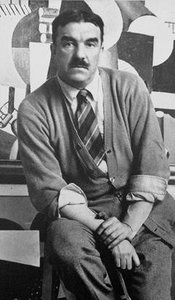
Fernand Léger
1881 - 1955 , Francia
Informazioni rapide
- Artisti Influenti:
- Cézanne
- Impressionismo
- Artisti Influenzati: ['Pop Art']
- Data Di Nascita: 4 febbraio 1881
- Luogo Di Nascita: Argentan, Francia
- Movimento Artistico: Cubismo, Tubismo
- Nazionalità: Francese
- Nome Completo: Fernand Léger
- Opere Notevoli:
- La Grande Parata
- L'Elemento Macchina
- Donna Seduta
- The City
Articoli correlati

Cubism Explained: A Professional Guide to Geometric Abstraction for Modern Interior Design
Master the impact of Cubism in modern design. Our expert guide explores geometric abstraction, Picasso's legacy, and professional solutions for sourcing high-quality Cubist reproductions for hotels, corporate spaces, and luxury interiors.

Synthetic Cubism Explained: A Professional Guide to Texture, Collage, and Geometric Abstraction for Modern Interior Design
Master the use of Synthetic Cubism in modern hospitality design. Our expert guide explores texture, collage, and geometric abstraction to help designers source premium, large-scale oil reproductions for hotels and corporate spaces with professional reliability.

Cubism Explained: A Professional Guide to Geometric Abstraction for Modern Interior Design
Master the use of Cubism in professional interior design. This expert guide explores geometric abstraction, Picasso's influence, and practical strategies for sourcing high-quality Cubist reproductions for large-scale hotel and corporate projects.

Modern Geometry & Machine Age Beauty: A Collector's Guide to the Cubist Vision of Fernand Léger
Explore the profound geometric mastery of Fernand Léger. Discover how his 'Tubism' and Machine Age aesthetics redefined modern art, offering timeless inspiration for discerning collectors seeking to integrate Cubist dynamism into sophisticated contemporary interiors.


