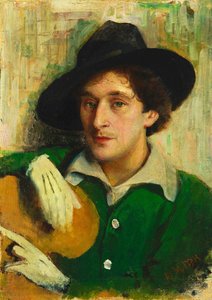
1914. Acrilico su tela, 49.0 x 37.0 cm.

§ 1Dati del catalogo

- 49.0 x 37.0 cm


Quest'opera è protetta da copyright
L'opera d'arte visualizzata in questa pagina è protetta dalle leggi sul diritto d'autore, il che significa che non possiamo legalmente creare o vendere una riproduzione identica. Tale protezione è garantita da accordi internazionali quali la Convenzione di Berna e dalle leggi nazionali, incluse quelle stabilite da Legge sul copyright degli Stati Uniti - Titolo 17. Tutti i diritti riservati. Le immagini presenti su questo sito sono protette da copyright e non possono essere riprodotte o utilizzate senza l'autorizzazione scritta di WahooArt.com o dei rispettivi proprietari del copyright.
Come alternativa rispettosa e legale, offriamo opere d'arte personalizzate e dipinte a mano, ispirate all'originale. I nostri artisti esperti e professionisti studiano con cura lo stile, l'atmosfera e l'essenza artistica dell'opera originale per creare un pezzo nuovo e unico che evochi la stessa emozione, pur rimanendo una creazione originale a pieno titolo.
Questo metodo è pienamente conforme alle normative sul diritto d'autore poiché non prevede la copia o la duplicazione dell'opera protetta. Si tratta invece di una rielaborazione creativa: un nuovo dipinto che trae ispirazione dall'originale, senza tuttavia esserne identico.
 Scopri di più
§ 2Astratto
Descrizione del reperto
L'opera 'Orologio' di Marc Chagall cattura una scena onirica con un orologio giallo e cornice blu e un uomo seduto davanti: lo stile essenziale del periodo di Vitebsk. Esplora quest'arte e porta il suo fascino nostalgico a casa.
Biografia dell'artista
Scopri Marc Chagall (1887-1985): artista russo-francese celebre per i suoi dipinti vivaci cubisti e simbolisti, temi del folklore ebraico e magnifiche vetrate artistiche. Esplora il suo lascito! #MarcChagall
§ 3Commento
A Timeless Reverie: Marc Chagall’s ‘Clock’
Marc Chagall's "Clock," painted in 1914, is more than just a depiction of a timepiece; it’s a poignant meditation on time, memory, and the enduring power of personal narrative. This intimate work, measuring 49 x 37 cm, immediately draws the viewer into a dreamlike space populated by familiar yet subtly distorted figures. The central focus is undeniably the yellow clock – a bold, almost aggressively cheerful presence – its hands frozen in a perpetual moment, suggesting a suspension of time itself. The blue frame, a cool counterpoint to the warm yellow, adds an element of formality and perhaps a touch of melancholy, hinting at the passage of years and the inevitable march forward.
- Subject Matter: The painting’s subject is deceptively simple – a clock and a man contemplating it. However, Chagall elevates this commonplace scene into something profoundly symbolic.
- Style & Technique: Executed in Chagall's signature style, “Clock” showcases his masterful use of color and flattened perspective. The brushstrokes are loose and expressive, contributing to the painting’s dreamlike quality. The technique relies heavily on decorative elements and a vibrant palette, characteristic of his early work.
Echoes of Liozna: Historical Context & Chagall's Roots
Painted in 1914, at the cusp of the First World War, “Clock” reflects the anxieties and uncertainties of the era while firmly rooted in Chagall’s deeply personal history. Born Moishe Shagal in 1887 in Liozna, Belarus – a town that would forever remain etched within his artistic consciousness – Chagall was profoundly influenced by its unique cultural landscape. The painting subtly evokes this environment: the juxtaposition of religious and secular elements, the vibrant marketplace scenes, and the enduring presence of memory. The figure seated before the clock can be interpreted as a representation of Chagall himself, lost in contemplation, perhaps reflecting on his own place within the relentless flow of time.
- Early Career: This work aligns with Chagall’s early experimentation with flattened perspective and symbolic imagery.
- Belarussian Influence: The painting's genesis in Liozna is crucial to understanding its emotional depth and recurring motifs.
Symbolism & Emotional Resonance
The symbolism within “Clock” is layered and open to interpretation. The clock itself, a traditional symbol of time, is rendered almost absurdly large, emphasizing its dominance in the scene. The man seated before it could represent humanity’s futile attempts to control or understand time. The presence of the standing figure behind him adds another layer of complexity – perhaps representing observation, judgment, or simply another soul caught within the same timeless contemplation. The overall effect is one of quiet introspection and a poignant awareness of mortality. The painting evokes a sense of nostalgia, longing, and the bittersweet beauty of remembering.
A Collector’s Perspective
This hand-painted reproduction captures the essence of Chagall's genius, offering an exceptional opportunity to bring a piece of art history into your home or office. The meticulous attention to detail, combined with the vibrant colors and expressive brushwork, ensures that this artwork will be a captivating focal point for years to come. Whether you are an established collector, an admirer of Chagall’s work, or simply seeking a unique decorative element, “Clock” is a timeless investment in beauty and artistic legacy.
Domande e risposte
Qual è l'atmosfera di "Orologio" di Marc Chagall?
L'atmosfera generale di "Orologio" di Marc Chagall è Nostalgico. Il tono descrive l'atmosfera complessiva dell'opera.
Qual è il formato di "Orologio"?
"Orologio" di Marc Chagall è una composizione in Orientamento verticale. Le proporzioni meritano di essere verificate prima di scegliere la dimensione della stampa.
Posso esaminare "Orologio" più nel dettaglio?
"Orologio" può essere esaminata strato dopo strato nella pagina Raggi X dell'opera, un visualizzatore ispirato al banco luminoso di un restauratore che offre undici letture ottiche dell'immagine.


 Passa alle stampe


 Per opere d'arte o riproduzioni con un lato superiore a 105 cm (circa 41 pollici), la cornice verrà spedita in forma di kit smontato. Questo metodo garantisce una consegna sicura e previene danni durante il trasporto.