

1448. Acrylic.

§ 1Catalogue data


§ 2Abstract
Descrizione del reperto
Explore Rogier van der Weyden’s haunting ‘Scupstoel,’ a masterful study in quiet intensity capturing the contemplative spirit of Early Netherlandish painting—a revolutionary depiction of emotion and meticulous detail that invites you to discover its timeless beauty.
 Espandi i dettagli
Biografia dell'artista
Rogier van der Weyden (c. 1400-1464) è stato un pittore fiorito del primo Rinascimento nordico, noto per le sue opere emotivamente intense, le ricche palette cromatiche e i dettagli naturalistici. Esplora i suoi capolavori come 'Lamento' e scopri l'influenza di questo artista del Nord.
§ 3Commentary
A Study in Quiet Intensity: Examining Rogier van der Weyden’s ‘Scupstoel’
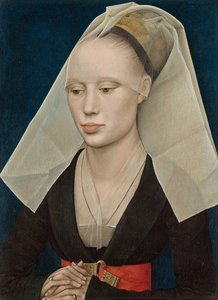
Rogier van der Weyden’s “Scupstoel,” completed around 1448, stands as a remarkable testament to the burgeoning artistic spirit of Early Netherlandish painting. More than just a depiction of a man seated upon a pile of chairs—a seemingly simple subject matter—the artwork embodies profound emotional depth and meticulous craftsmanship that cemented Van der Weyden’s reputation as one of the era's foremost masters.
Style & Technique: The piece exemplifies the stylistic hallmarks of its time, firmly rooted in the Northern Renaissance tradition. Characterized by a restrained palette dominated by muted browns, ochres, and reds—a deliberate choice reflecting the solemnity of religious contemplation—the painting prioritizes naturalistic detail over flamboyant ornamentation. Van der Weyden’s mastery is evident in his painstaking rendering of textures: the worn fabric of the chairs, the subtle creases in the man's clothing, and even the delicate folds of drapery convey a palpable sense of realism.
Historical Context: Created during a period marked by significant religious fervor—the Burgundian Netherlands experienced a fervent devotion to saints and biblical narratives—‘Scupstoel’ speaks directly to this cultural milieu. The artwork likely served as a preparatory sketch or study for a larger altarpiece, reflecting the prevailing artistic practice of exploring compositional ideas before committing them to monumental canvases.
Symbolism & Emotion: While the precise symbolism embedded within ‘Scupstoel’ remains debated by scholars, its central figure—a man seated amidst the chairs—is interpreted as representing contemplation and humility. The arrangement itself suggests a deliberate effort to convey inner turmoil balanced by serene composure. Van der Weyden's ability to capture such nuanced psychological states was revolutionary for his time, marking him as a pioneer in portraying human emotion with unprecedented sensitivity.
Interior Design Inspiration: “Scupstoel”’s understated elegance and masterful execution offer valuable insights into the aesthetic sensibilities of the fifteenth century. Its muted tones and textured surfaces can inspire designers seeking to create spaces imbued with warmth, tranquility, and intellectual curiosity—a timeless reminder that beauty resides not merely in grandeur but also in profound emotional resonance.
Domande e risposte
Quale emozione trasmette "Scupstoel" di Rogier van der Weyden?
Il tono emotivo registrato per "Scupstoel" di Rogier van der Weyden è Reflective. Esso riassume la sensazione espressa dall'opera.
In che modo "Scupstoel" si inserisce nei temi e nello stile di Rogier van der Weyden?
"Scupstoel" appartiene alla produzione Early Netherlandish Renaissance di Rogier van der Weyden, i cui temi ricorrenti includono religious emotion, human expression, medieval tradition, psychological insight, artist legacy.
In che modo il soggetto di "Scupstoel" si relaziona ai temi abituali di Rogier van der Weyden?
Tra i temi ricorrenti di Rogier van der Weyden - religious emotion, human expression, medieval tradition, psychological insight, artist legacy - "Scupstoel" pone un particolare accento su religious painting, human figure, chair arrangement, psychological depth, medieval art, detail rendering, symbolism.


 Passa alle stampe


 Per opere d'arte o riproduzioni con un lato superiore a 105 cm (circa 41 pollici), la cornice verrà spedita in forma di kit smontato. Questo metodo garantisce una consegna sicura e previene danni durante il trasporto.


