


 Anteprima in scala reale
 Invia
Invia Condividi
 Dettagli opera
 Guida
Guida

 Scarica
 Simili
 Radiografia
 Slideshow
 Q&A
Q&A Statistiche
Scupstoel


 Espandi i dettagli
Giclée / Stampe d'arte
Stampa giclée o su tela di qualità museale, con produzione rapida e diverse opzioni di finitura. ( Acquista il dipinto realizzato a mano Passa all'immagine digitale)




P118B €10

P118H €10

P118W €10

P438Z €10

P508JH €12

P508YH €12

P805H €10

P805Z €10

P919BZ €10

P919G €10

P919XJ €10

P959ZH €10

P968JZ €12

W106C €8

W218G €10

W218JH €8

W218Y €10

W307PJ €10

W316G €10

W316PJ €8

W316Y €10

W398PJ €8

W4111J €10

W500HY €15

W500JH €15

W692G €12

W849H €8

W940BG €15

W953PJ €8




Scegli tra le nostre dimensioni predefinite, che rispettano le proporzioni originali dell'opera d'arte.

Inserisci la larghezza e l'altezza desiderate, per adattarle alla tua cornice o alla tua parete. Una stampa può essere solo ritagliata, mai resa più grande dell'immagine originale; pertanto, un formato con una forma differente comporterà la perdita di una parte dell'opera. Ti invieremo un mockup digitale da approvare prima di procedere con la stampa. L'immagine mostrata in questa pagina non rappresenta il ritaglio reale — solo il mockup lo mostra.
Consegna in tutto il mondo () in 2 settimane invece delle normali 4/5 settimane. (29 Ottobre)

Spedizione espressa gratuita in tutto il mondo

Tela in lino di alta qualità

Assicurazione completa sulla spedizione

Garanzia di rimborso dei dazi doganali

Garanzia di fedeltà cromatica assoluta

Politica di reso entro 100 giorni (solo per difetti di fabbricazione)

Garanzia di rimborso al 100%

Offerta per acquisti multipli
 L'opzione vetro è disponibile solo per dimensioni inferiori a 110 cm

Scupstoel
Giclée / Stampe d'arte
Dimensioni riproduzione
-


Prezzo finale calcolato
€ 56
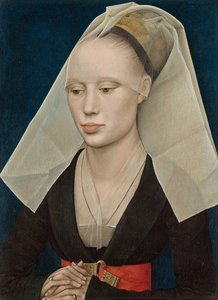
A Study in Quiet Intensity: Examining Rogier van der Weyden’s ‘Scupstoel’
Rogier van der Weyden’s “Scupstoel,” completed around 1448, stands as a remarkable testament to the burgeoning artistic spirit of Early Netherlandish painting. More than just a depiction of a man seated upon a pile of chairs—a seemingly simple subject matter—the artwork embodies profound emotional depth and meticulous craftsmanship that cemented Van der Weyden’s reputation as one of the era's foremost masters.
Style & Technique: The piece exemplifies the stylistic hallmarks of its time, firmly rooted in the Northern Renaissance tradition. Characterized by a restrained palette dominated by muted browns, ochres, and reds—a deliberate choice reflecting the solemnity of religious contemplation—the painting prioritizes naturalistic detail over flamboyant ornamentation. Van der Weyden’s mastery is evident in his painstaking rendering of textures: the worn fabric of the chairs, the subtle creases in the man's clothing, and even the delicate folds of drapery convey a palpable sense of realism.
Historical Context: Created during a period marked by significant religious fervor—the Burgundian Netherlands experienced a fervent devotion to saints and biblical narratives—‘Scupstoel’ speaks directly to this cultural milieu. The artwork likely served as a preparatory sketch or study for a larger altarpiece, reflecting the prevailing artistic practice of exploring compositional ideas before committing them to monumental canvases.
Symbolism & Emotion: While the precise symbolism embedded within ‘Scupstoel’ remains debated by scholars, its central figure—a man seated amidst the chairs—is interpreted as representing contemplation and humility. The arrangement itself suggests a deliberate effort to convey inner turmoil balanced by serene composure. Van der Weyden's ability to capture such nuanced psychological states was revolutionary for his time, marking him as a pioneer in portraying human emotion with unprecedented sensitivity.
Interior Design Inspiration: “Scupstoel”’s understated elegance and masterful execution offer valuable insights into the aesthetic sensibilities of the fifteenth century. Its muted tones and textured surfaces can inspire designers seeking to create spaces imbued with warmth, tranquility, and intellectual curiosity—a timeless reminder that beauty resides not merely in grandeur but also in profound emotional resonance.
Domande e risposte
Quale emozione trasmette "Scupstoel" di Rogier van der Weyden?
Il tono emotivo registrato per "Scupstoel" di Rogier van der Weyden è Reflective. Esso riassume la sensazione espressa dall'opera.
In che modo "Scupstoel" si inserisce nei temi e nello stile di Rogier van der Weyden?
"Scupstoel" appartiene alla produzione Early Netherlandish Renaissance di Rogier van der Weyden, i cui temi ricorrenti includono religious emotion, human expression, medieval tradition, psychological insight, artist legacy.
In che modo il soggetto di "Scupstoel" si relaziona ai temi abituali di Rogier van der Weyden?
Tra i temi ricorrenti di Rogier van der Weyden - religious emotion, human expression, medieval tradition, psychological insight, artist legacy - "Scupstoel" pone un particolare accento su religious painting, human figure, chair arrangement, psychological depth, medieval art, detail rendering, symbolism.
Opere simili


Biografia dell'artista
vita e carriera
rogier van der weyden, noto anche come roger de la pasture, è stato un pittore fiammingo precoce di spicco attivo nel XV secolo. Nato in Belgio intorno al 1400, è diventato uno degli artisti più influenti del suo tempo, con le sue opere che hanno ottenuto un notevole riconoscimento nei Paesi Bassi, in Italia e in Spagna.stile artistico e tecnica
Lo stile artistico di Van der Weyden era caratterizzato da una ricca colorazione, da un'espressione simpatica e da un approccio unico al pathos e al naturalismo. Le sue figure apparivano spesso statueche, soprattutto nei suoi trittici, che presentavano dettagli intricati e caratteristiche facciali idealizzate. Ha impiegato una vasta tavolozza di colori, assicurandosi che nessun singolo tono venisse ripetuto, aggiungendo profondità e complessità alle sue composizioni.opere notevoli
* santo lucio che disegna un ritratto della Madonna (Museo di Belle Arti di Boston): questo dipinto mostra la maestria di Van der Weyden nella pittura a olio su tavola, con una splendida rappresentazione del santo Luca. * Lamentazioni (Musée des Beaux-Arts di Tournai, Belgio): questo piccolo ma potente dipinto dimostra la capacità di Van der Weyden di esprimere intensità emotiva attraverso il chiaroscuro.musei e collezioni
* Musée des Beaux-Arts di Tournai, Belgio: ospita una collezione impressionante delle opere di Van der Weyden, tra cui il dipinto a due facce di Jean de Gros. * Musées royaux des Beaux-Arts (Bruxelles, Belgio): ospita una collezione significativa di dipinti fiamminghi antichi, tra cui opere di Van der Weyden e altri artisti importanti.eredità
L'influenza di Van der Weyden sul Rinascimento settentrionale è innegabile. Era al fianco di Robert Campin e Jan van Eyck come uno dei tre grandi artisti fiamminghi antichi, rinomato per il suo stile e la sua tecnica innovativi. Nonostante la sua fama sia diminuita nel XVII secolo, le opere di Van der Weyden sono state riscoprite nel XIX secolo e ora è considerato una figura importante nella storia della pittura fiamminga antica.- visualizza altre opere di rogier van der weyden su AllPaintingsStore.com
- esplora la collezione del Musée des Beaux-Arts di Tournai su scopri i capolavori del Musée des Beaux-Arts di Tournai, Belgio
- impara a conoscere la pittura fiamminga antica su wikipedia
Rogier van der Weyden
1400 - 1464 , Belgio
Dettagli rapidi
- Artisti Influenti: ['Robert Campin']
- Artisti Influenzati: ['Goswijn van der Weyden']
- Data Di Morte: 1464
- Data Di Nascita: circa 1400
- Luogo Di Nascita: Tournai, Belgio
- Movimento Artistico: Primitivi fiamminghi
- Nazionalità: Belga
- Nome Completo: Rogier van der Weyden
- Opere Notevoli:
- San Luca che disegna la Madonna
- Lamentazione
- Deposizione
- Trittico Bladelin
Articoli correlati

Early Netherlandish Renaissance: A Professional Guide to Mastering Detail and Realism for Luxury Interior Design
Expert guide for hotel designers on sourcing Early Netherlandish Renaissance reproductions. Discover how the hyper-realism of Jan van Eyck can elevate hospitality interiors through high-quality, large-scale oil paintings and custom multi-panel installations.


