Acrylic On Canvas.

§ 1Catalogue data

著作権保護について
このページに掲載されている作品は著作権法によって保護されており、当社の許可なく同一の複製物を制作または販売することは法律で禁じられています。この保護は、以下のような国際条約に基づき執行されます。 ベルヌ条約 および、以下の条項に定められたものを含む各国の法律により、 米国著作権法 第17編。
敬意を払った法的な代替手段として、私たちはオリジナルにインスピレーションを与えられた、カスタムの手描きアートワークを提供しています。私たちの熟練したプロのアーティストは、元の作品が持つスタイル、情緒、そして芸術的なエッセンスを注意深く研究し、独自の創作物でありながら、同じ感性を呼び起こすような、新しくユニークな作品を作り上げます。
この手法は、著作権で保護された作品の複製や複写を伴わないため、著作権法に完全に準拠しています。これは単なる模倣ではなく、創造的な再解釈です。元の作品からインスピレーションを受けつつも、それとは異なる、全く新しい絵画を生み出すものです。
 詳細を見る
詳細を見る§ 2Abstract
コレクション詳細
Explore Andy Warhol's legacy! The Foundation champions experimental art & cultural impact through grants, licensing & preservation. Discover innovative artistic practice & support vital creative conversations.
アーティストプロフィール
ポップアートの巨匠、アンディ・ウォーホル (1928-1987)。マリリン・ディプティックやキャンベルスープ缶など、大量生産と消費文化を象徴するシルクスクリーン作品で知られます。現代美術に革命をもたらし、セレブリティやメディアの影響を鋭く捉えた芸術家。
§ 3Commentary
A Study in Quiet Intensity: Examining Andy Warhol’s Self Portrait
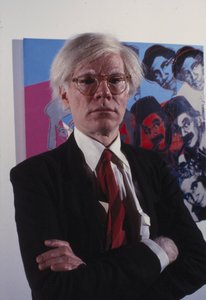
Andy Warhol's "Self Photo," taken in 1967, stands as a deceptively simple yet profoundly significant testament to the artist’s approach to portraiture and his broader engagement with the visual culture of his time. More than just a depiction of his physical appearance—a stark black and white image of Warhol himself—the photograph embodies Warhol's core artistic philosophy: an unwavering commitment to capturing reality without embellishment, mirroring the aesthetic principles that defined Pop Art as a whole.- Composition & Framing: The tightly cropped frame immediately draws attention to Warhol’s face and turtleneck sweater, prioritizing directness over expansive vistas. Positioning his head slightly off-center introduces a subtle dynamism, preventing the portrait from feeling static while maintaining an unwavering gaze that invites contemplation.
- Color Palette & Texture: Stripped bare of color, the image relies entirely on tonal variations to convey depth and texture. The grayscale palette—ranging from deep blacks to brilliant whites—creates a sense of immediacy and reinforces Warhol’s fascination with photographic reproduction as a method of capturing visual information. Delicate textures – the fuzziness of his hair, the knit of the turtleneck, and the smoothness of his skin – contribute to an impression of palpable presence.
- Lighting & Perspective: Soft, even lighting minimizes harsh shadows, fostering a feeling of understated elegance and reinforcing Warhol’s desire for objectivity. The frontal perspective eliminates depth of field, concentrating all visual energy on Warhol himself and relegating the blurred background to insignificance—a deliberate tactic that underscores his central role within the frame.
The Echoes of Pop Art: Contextualizing Warhol's Vision
“Self Photo” firmly establishes Warhol within the context of Pop Art, a movement that challenged traditional artistic conventions by elevating commonplace imagery—advertising billboards, comic books, and celebrity portraits—to the status of high art. Warhol’s decision to photograph himself rather than commission a formal portrait reflects this ethos: he eschewed elaborate stylistic gestures in favor of capturing his subject matter with unflinching honesty. This approach aligns perfectly with Pop Art's rejection of emotional expression and its embrace of repetition and mass production techniques—a deliberate strategy designed to destabilize notions of artistic originality and explore the influence of consumer culture on visual perception.Symbolism Beyond Appearance: Exploring Warhol’s Persona
While seemingly unremarkable at first glance, “Self Photo” offers a glimpse into Warhol's inner life – subtly conveyed through his slightly furrowed brow. This gesture hints at thoughtfulness and introspection, suggesting that Warhol wasn’t merely presenting an image of himself but attempting to communicate something deeper about his character. The photograph serves as a powerful reminder that even the most seemingly objective visual representations can carry significant symbolic weight, prompting viewers to consider the artist's motivations and anxieties beneath the surface.A Legacy of Minimalism: Warhol’s Technique & Influence
The image exemplifies Warhol’s masterful technique—a straightforward photographic portrait executed with meticulous attention to detail. Utilizing a medium format camera ensured exceptional sharpness and tonal accuracy, allowing Warhol to capture the nuances of his subject matter with remarkable precision. This commitment to simplicity – prioritizing clarity and directness over elaborate ornamentation – has had an enduring influence on subsequent generations of artists, establishing Warhol as a pioneer of minimalist aesthetics and demonstrating the transformative potential of embracing reductive visual strategies.よくあるご質問
「Self Photo」における光と影のバランスは、どのように表現されていますか?
アンディ・ウォーホル作「Self Photo」の明るさはbright、輝度はGentle Luminanceと記録されています。
「Self Photo」は、アンディ・ウォーホルのテーマやスタイルとどのように結びついているのでしょうか?
アンディ・ウォーホルの作品群において、「Self Photo」はPop Art様式に属しており、commercial illustration, pop iconography, reflection, minimalism style, warhol legacyというテーマを共有しています。
アンディ・ウォーホル作「Self Photo」の全体的な雰囲気はどのようなものですか?
アンディ・ウォーホル作「Self Photo」は、その情緒においてMinimalistと表現されます。この分類は、作品を空間やシーンに合わせる際の手助けとなります。


 プリント版に切り替え


 いずれかの辺が105 cm(約41インチ)を超えるアートワークまたは複製画の場合、フレームは分解されたキットの状態でお届けいたします。この方法は、輸送中の破損を防ぎ、安全に配送するために採用しております。