

Acrylic On Canvas.

§ 1Catalogue data

著作権保護について
このページに掲載されている作品は著作権法によって保護されており、当社の許可なく同一の複製物を制作または販売することは法律で禁じられています。この保護は、以下のような国際条約に基づき執行されます。 ベルヌ条約 および、以下の条項に定められたものを含む各国の法律により、 米国著作権法 第17編。
敬意を払った法的な代替手段として、私たちはオリジナルにインスピレーションを与えられた、カスタムの手描きアートワークを提供しています。私たちの熟練したプロのアーティストは、元の作品が持つスタイル、情緒、そして芸術的なエッセンスを注意深く研究し、独自の創作物でありながら、同じ感性を呼び起こすような、新しくユニークな作品を作り上げます。
この手法は、著作権で保護された作品の複製や複写を伴わないため、著作権法に完全に準拠しています。これは単なる模倣ではなく、創造的な再解釈です。元の作品からインスピレーションを受けつつも、それとは異なる、全く新しい絵画を生み出すものです。
 詳細を見る
詳細を見る§ 2Abstract
コレクション詳細
アーティストプロフィール
ポップアートの巨匠、アンディ・ウォーホル (1928-1987)。マリリン・ディプティックやキャンベルスープ缶など、大量生産と消費文化を象徴するシルクスクリーン作品で知られます。現代美術に革命をもたらし、セレブリティやメディアの影響を鋭く捉えた芸術家。
§ 3Commentary
A Fragment of Cinematic Tension: Warhol’s “Untitled (1532)”
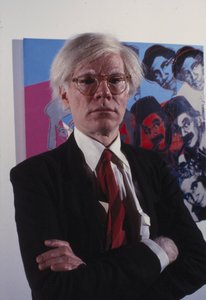
Andy Warhol's "Untitled (1532)" isn’t merely a painting; it’s a distilled moment of unsettling drama captured in silkscreen printmaking—a technique synonymous with Warhol’s groundbreaking exploration of celebrity and mass culture. Executed around 1967, this piece exemplifies the artist’s signature style: bold repetition, vibrant color palettes juxtaposed against stark black and white, and an almost unnerving stillness that belies the palpable tension radiating from its central subject matter. The photograph accompanying this description reveals a meticulously crafted image—a cinematic tableau frozen in time—that speaks volumes about Warhol's fascination with film noir and his desire to dissect the anxieties of American society during the Vietnam War era.- Subject Matter: At first glance, the composition presents two figures positioned before a screen displaying a film scene depicting violence – specifically, a man holding a knife menacingly close to another’s face. The inclusion of additional individuals watching adds to the unsettling atmosphere, suggesting an audience captivated by the unfolding drama.
- Style & Technique: Warhol's masterful use of silkscreen printing is crucial to understanding the artwork’s impact. This method allowed for rapid production and ensured consistent color reproduction across multiple prints—a deliberate choice that underscored Warhol’s belief in the democratization of art and challenged traditional notions of artistic originality.
Historical Context: Echoes of Film Noir and Societal Anxiety
“Untitled (1532)” resides firmly within the context of 1960s American culture, a period marked by profound social upheaval and fueled by anxieties surrounding political conflict and cultural change. Warhol’s artistic sensibilities were deeply influenced by film noir—the genre known for its shadowy visuals, morally ambiguous characters, and exploration of psychological darkness. The painting deliberately borrows stylistic elements from these films, mirroring their preoccupation with themes of violence, paranoia, and the fragility of human relationships. It's a visual commentary on the pervasive fear and uncertainty that gripped the nation during this turbulent time.Symbolism & Emotional Resonance
Beyond its cinematic references, “Untitled (1532)” carries symbolic weight. The screen itself represents mediation—the distance between observer and spectacle—highlighting Warhol’s critique of how media shapes our perceptions of reality. The knife symbolizes aggression and control, while the positioning of the figures underscores the vulnerability inherent in confronting danger. More broadly, the artwork evokes feelings of unease and apprehension, prompting viewers to contemplate questions about power dynamics and the psychological impact of witnessing violence.Interior Design Considerations
For interior designers seeking inspiration, Warhol’s “Untitled (1532)” offers a compelling dialogue between stillness and dynamism. Its bold color contrasts—primarily black and white punctuated by splashes of vibrant hues—can serve as a striking focal point within a space, injecting energy and visual interest. Furthermore, the artwork's exploration of psychological tension aligns with contemporary trends in design that prioritize creating environments conducive to contemplation and emotional resonance. A high-quality reproduction would undoubtedly elevate any interior aesthetic.よくあるご質問
アンディ・ウォーホル作「untitled (1532)」の明るさはどのように感じられますか?
全体として、「untitled (1532)」の明るさはbrightと記録されています。知覚的な明るさとは、作品がどの程度明るく、あるいは暗く感じられるかを表すものです。
アンディ・ウォーホル作「untitled (1532)」の複製画は、どのような用途に適していますか?
アンディ・ウォーホル作「untitled (1532)」の推奨される用途はAccentです。もちろん、それ以外の用途でもお楽しみいただけます。
「untitled (1532)」は、アンディ・ウォーホルの制作活動におけるどの時期の作品にあたりますか?
「untitled (1532)」は、アンディ・ウォーホルのキャリアにおけるMature Periodに属します。この分類は、作品をアーティストの画業の変遷に関連付けるものです。


 プリント版に切り替え


 いずれかの辺が105 cm(約41インチ)を超えるアートワークまたは複製画の場合、フレームは分解されたキットの状態でお届けいたします。この方法は、輸送中の破損を防ぎ、安全に配送するために採用しております。


