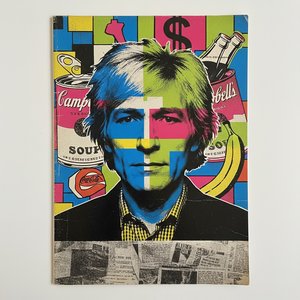
Acrylic On Canvas.

§ 1Catalogue data

著作権保護について
このページに掲載されている作品は著作権法によって保護されており、当社の許可なく同一の複製物を制作または販売することは法律で禁じられています。この保護は、以下のような国際条約に基づき執行されます。 ベルヌ条約 および、以下の条項に定められたものを含む各国の法律により、 米国著作権法 第17編。
敬意を払った法的な代替手段として、私たちはオリジナルにインスピレーションを与えられた、カスタムの手描きアートワークを提供しています。私たちの熟練したプロのアーティストは、元の作品が持つスタイル、情緒、そして芸術的なエッセンスを注意深く研究し、独自の創作物でありながら、同じ感性を呼び起こすような、新しくユニークな作品を作り上げます。
この手法は、著作権で保護された作品の複製や複写を伴わないため、著作権法に完全に準拠しています。これは単なる模倣ではなく、創造的な再解釈です。元の作品からインスピレーションを受けつつも、それとは異なる、全く新しい絵画を生み出すものです。
 詳細を見る
詳細を見る§ 2Abstract
コレクション詳細
Explore Andy Warhol's iconic Pop Art (1928-1987) – silkscreens of Marilyn, Campbell’s Soup Cans & celebrity culture. Discover his lasting impact on art.
アーティストプロフィール
ポップアートの巨匠、アンディ・ウォーホル (1928-1987)。マリリン・ディプティックやキャンベルスープ缶など、大量生産と消費文化を象徴するシルクスクリーン作品で知られます。現代美術に革命をもたらし、セレブリティやメディアの影響を鋭く捉えた芸術家。
§ 3Commentary
A Snapshot of Pop Art Iconography: Warhol’s “untitled (8717)”
Andy Warhol's "untitled (8717)" stands as a deceptively simple yet profoundly resonant emblem of the American Pop Art movement. Executed in 1963, this silkscreen print embodies Warhol’s signature approach – repetition and appropriation—transforming an ordinary bus into a monumental statement about image culture and consumerism. The artwork's stark palette of yellow, green, and red immediately grabs attention, mirroring the bold visual language prevalent during the era. It’s not merely a depiction; it’s an interrogation of how images dominate our perception of reality.- Subject Matter: Warhol deliberately chose a commonplace subject – a bus – elevating it to iconic status through meticulous replication. This decision wasn't accidental; Warhol sought to challenge the notion of originality, arguing that art could derive its power from referencing existing cultural symbols.
- Style & Technique: Warhol’s masterful use of silkscreen printing revolutionized artistic production. The process involved transferring ink onto a stencil, allowing for rapid and consistent reproduction – a technique perfectly suited to Warhol's fascination with mass media and industrial processes. This method ensured that the image appeared identical across multiple prints, reinforcing its impact as a symbol of reproducibility.
Historical Context: The Rise of Consumer Culture
“untitled (8717)” emerged during a period marked by unprecedented economic growth and burgeoning consumer culture in postwar America. Warhol’s artistic explorations mirrored the anxieties and aspirations of this time, reflecting both the allure and alienation inherent in embracing mass production and celebrity worship. The bus itself represents mobility, connection, and the everyday experiences that underpin societal life—themes deliberately chosen to resonate with a wider audience grappling with rapid social change.- Influence of Mass Media: Warhol’s preoccupation with advertising imagery – exemplified by Campbell's Soup Cans – directly responded to the pervasive influence of billboards, magazines, and television on American consciousness. He aimed to destabilize traditional artistic hierarchies by elevating commercial visuals to the level of high art.
- The Warhol Aesthetic: The artwork embodies Warhol’s broader aesthetic—characterized by flatness, bold colors, and a deliberate lack of illusionistic depth. This stylistic choice deliberately distanced Warhol from representational painting traditions, prioritizing visual impact over narrative complexity.
Symbolism & Emotional Resonance
Despite its apparent simplicity, “untitled (8717)” carries significant symbolic weight. The repetition of the bus image underscores Warhol’s belief that art could communicate powerful ideas through repetition and standardization. Furthermore, the vibrant colors—yellow symbolizing optimism and prosperity, green representing growth and renewal, and red conveying passion and urgency—contribute to the artwork's emotional intensity. It invites contemplation on themes of identity, conformity, and the role of images in shaping our understanding of the world. Ultimately, Warhol’s “untitled (8717)” transcends its subject matter to become a timeless meditation on the nature of art and culture—a testament to Warhol's enduring legacy as one of the most influential artists of the 20th century. Its striking visual language continues to captivate audiences today, reminding us that beauty can be found in unexpected places and that repetition can amplify meaning.よくあるご質問
アンディ・ウォーホル作「untitled (8717)」が醸し出す感情的なトーンはどのようなものでしょうか?
「untitled (8717)」は、Playfulな感情を呼び起こします。この情緒的なトーンは、作品が与える印象を表しています。
アンディ・ウォーホル作「untitled (8717)」は、明るい印象の作品ですか、それとも暗い印象の作品ですか?
アンディ・ウォーホル作「untitled (8717)」 の記録された数値は、明度 brilliant、輝度 Bright Balance です。
「untitled (8717)」において、技法と動きはどのように融合しているのでしょうか?
「untitled (8717)」は、Pop Art様式によるAcrylic On Canvasで制作されています。


 プリント版に切り替え


 いずれかの辺が105 cm(約41インチ)を超えるアートワークまたは複製画の場合、フレームは分解されたキットの状態でお届けいたします。この方法は、輸送中の破損を防ぎ、安全に配送するために採用しております。