


 設置イメージを表示

 シェアする
 シェアする
 詳細を見る
 ガイドを表示


 ダウンロード
 似ている作品
 X線調査
 スライドショーを表示
 Q&A
 統計情報
Untitled

- 13.0 x 19.0 cm

 詳細を表示
このページに掲載されている作品は著作権法によって保護されており、当社の許可なく同一の複製物を制作または販売することは法律で禁じられています。この保護は、以下のような国際条約に基づき執行されます。 ベルヌ条約 および、以下の条項に定められたものを含む各国の法律により、 米国著作権法 第17編。
この手法は、著作権で保護された作品の複製や複写を伴わないため、著作権法に完全に準拠しています。これは単なる模倣ではなく、創造的な再解釈です。元の作品からインスピレーションを受けつつも、それとは異なる、全く新しい絵画を生み出すものです。
ジークレー/アートプリント
スピーディーな制作と多彩な仕上げオプションが魅力の、ミュージアムクオリティなジークレー・キャンバスプリント。 ( 手描き複製画を注文する デジタル画像販売へ切り替え)
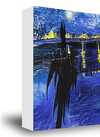
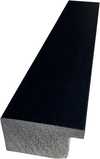
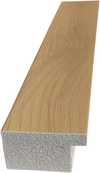
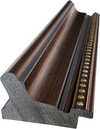
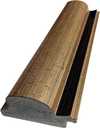
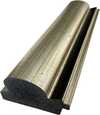
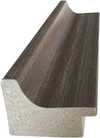
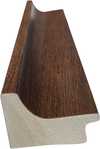
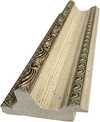
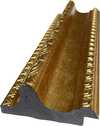
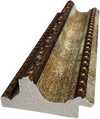
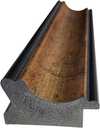
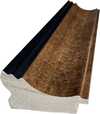
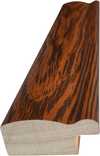
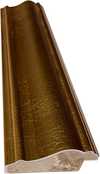

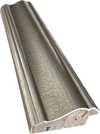
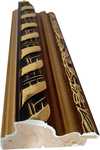
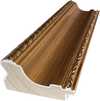
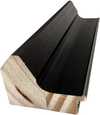
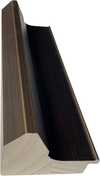
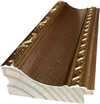
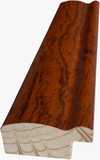
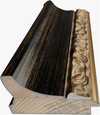
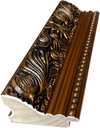
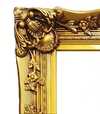
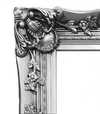
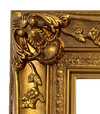
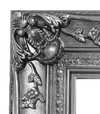
作品のオリジナル比率に合わせた、当店の規定サイズからお選びください。

額縁や壁のスペースに合わせて、ご希望の幅と高さを入力してください。プリントはカットすることは可能ですが、元の画像より大きくすることはできないため、異なる比率のサイズを選択された場合は、画像の一部が欠けることになります。印刷を開始する前に、内容を確認していただくためのデジタルモックアップをお送りいたします。このページに表示されている画像は、実際のカット後の状態を示すものではありません。実際の仕上がりはモックアップにてご確認ください。


 ガラスオプションは、110cm未満のサイズでのみご利用いただけます。

Untitled
ジークレー/アートプリント
複製画サイズ一覧
-


合計金額
¥ 10276
Q&A
Benode Behari Mukherjee作「Untitled」では、どのような配色が使われていますか?
Benode Behari Mukherjee作「Untitled」のカラーパレットはNeutralsと表現されており、作品の色使いを簡潔に表しています。
Benode Behari Mukherjee作「Untitled」の形状とサイズを教えてください。
「Untitled」の形式はLandscape、サイズは13 x 19 cmです。これらの情報は、複製を作成する際の参考になります。
Kerala Museumに所蔵されているBenode Behari Mukherjee作「Untitled」は、法的に複製することが可能でしょうか?
Kerala Museumに所蔵されているBenode Behari Mukherjee作「Untitled」は、著作権の保護対象ですです。このステータスにより、画像の複製が可能かどうかが決まります。
関連作品


作家プロフィール
The Visionary of Santiniketan: The Life and Legacy of Benode Behari Mukherjee
Benode Behari Mukherjee stands as a monumental figure in the tapestry of Indian art history, a pioneer whose work breathed life into the movement known as Contextual Modernism. Born in 1904 in Behala, West Bengal, his journey was one defined by an extraordinary triumph of spirit over physical limitation. From a young age, Mukherjee faced severe visual impairments, a condition that would later culminate in near-total blindness following a tragic surgical complication in the mid-1950s. Yet, rather than allowing darkness to dim his creative flame, he transformed his sensory experience into a profound new way of seeing, finding depth in texture, rhythm, and the very essence of form. His artistic soul was forged within the hallowed halls of Kala Bhavana at Santiniketan, the experimental art school founded by the legendary Rabindranath Tagore. Under the masterful mentorship of Nandalal Bose and Ramkinkar Baij, Mukherjee became part of a unique intellectual and creative ecosystem. This environment encouraged him to look beyond the colonial academic traditions of the time, instead seeking a synthesis between India’s rich indigenous heritage and the burgeoning currents of global modernism. His early training was not merely about technique but about an ontological connection to the land, the local landscape, and the spiritual pulse of Indian iconography.A Synthesis of Tradition and Modernity
Mukherjee’s aesthetic language is a masterful dialogue between the ancient and the avant-garde. He possessed a rare ability to weave together the delicate precision of Indian miniature painting and the flowing grace of Japanese calligraphy with the bold, structural experimentation of Western abstraction. His work rejected the mere imitation of nature, opting instead to capture the underlying energy and "context" of his surroundings. This approach allowed him to create art that felt deeply rooted in the soil of Bengal while simultaneously speaking the universal language of modernism. His mastery extended far beyond the canvas, as he was one of the earliest Indian artists to embrace the monumental scale of murals. These large-scale works were not merely decorations but architectural dialogues, integrating seamlessly with their environments to depict the lives, legends, and landscapes of India. One of his most significant achievements remains the breathtaking mural at the Hindi Bhavan in Santiniketan, where he utilized a pageant-like composition to celebrate the lives of medieval saint-poets, effectively turning walls into living histories.Resilience Through Darkness
The later years of Mukherjee’s life presented his greatest challenge as his eyesight failed him almost entirely. However, this period of physical darkness birthed a remarkable era of tactile and structural innovation. Denied the ability to rely on fine visual detail, he pivoted toward mediums that emphasized touch, relief, and rhythm. He turned his focus to:- Paper-cuts, where the interplay of light and shadow through physical voids replaced traditional pigment.
- Prints and Reliefs, allowing him to explore texture and the physical imprint of form.
- Sculpture, where the three-dimensional presence of objects provided a new way to navigate space without sight.
Historical Significance and Enduring Impact
The legacy of Benode Behari Mukherjee is etched into the very identity of modern Indian art. He did not simply adopt modernism; he localized it, making it relevant to the social and cultural landscape of a nation finding its voice. His ability to harmonize the spiritual depth of the East with the formal innovations of the West created a blueprint for an authentic Indian modernism that was neither derivative nor regressive. Today, his work serves as a testament to the power of resilience and the infinite capacity of the human imagination. Through his murals, paintings, and pedagogical influence, Mukherjee remains a beacon for artists worldwide, reminding us that true vision is not a matter of sight, but of profound perception and an unyielding connection to the world around us.
Benode Behari Mukherjee
1904 - 1980 , India
プロフィール概要
- Full Name: Benode Behari Mukherjee
- Nationality: Indian
- Date Of Birth: 1904
- Date Of Death: 1980
- Place Of Birth: Behala, India
- Notable Artworks:
- Chrysanthemum with a Green Bird
- Shahnaiwala
- Binodini
- Artistic Movement Or Style: Contextual Modernism
- Artists Who Influenced This Artist:
- Nandalal Bose
- Ramkinkar Baij
- Artists Or Movements Influenced By This Artist: ['Satyajit Ray']
関連記事

Color & Emotion: The Top 25 Masterpieces by Mark Rothko
Immerse yourself in the profound emotion of Mark Rothko's greatest works. Explore 25 iconic Abstract Expressionist masterpieces, from color field textures to legendary canvases. Find inspiration for museum-quality art reproductions and decor. Discover all masterpieces on AllPaintingsStore.com.