

Oil On Canvas.

§ 1Catalogue data


§ 2Abstract
コレクション詳細
Experience the profound drama of Caravaggio’s Nativity, a Baroque masterpiece defined by intense tenebrism and emotional depth that invites you to bring this legendary moment of light into your own collection.
 続きを読む
続きを読む
アーティストプロフィール
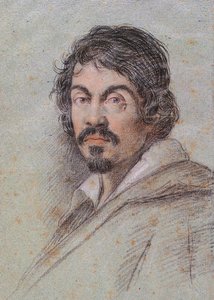
カラヴァッジョ(1571-1610):劇的な光と影のコントラスト「キアロスクーロ」を駆使したバロック絵画の巨匠。宗教画に身近な人々を描き、ルベンスやレンブラントにも影響を与えた革新的芸術家。
§ 3Commentary
A Masterpiece Illuminated: The Drama of Caravaggio’s Nativity
In the quiet intensity of Caravaggio’s Nativity, we encounter more than a mere biblical scene; we are pulled into an embodiment of Baroque drama, meticulously crafted to transcend the boundaries of time. Painted between 1607 and 1608 for the chapel of San Luigi dei Francesi in Rome, this monumental canvas serves as a visceral experience of faith and human emotion. The work is a profound study in contrasts, where the sacred meets the earthly through a revolutionary approach to light and shadow. As viewers, we are not merely observers of a distant event but participants in a moment frozen in time, caught in the tension between divine grace and the weight of human existence.
The painting’s most striking feature is its masterful use of tenebrism, Caravaggio's signature technique. This radical departure from Renaissance ideals employs stark, violent contrasts between light and darkness to create an illusionistic depth that seems to breathe within the canvas itself. A single, ethereal source of light—perhaps a window—bathes the central figures in a luminous glow, while the surrounding periphery is swallowed by impenetrable, velvety shadows. This dramatic illumination does more than provide aesthetic beauty; it acts as a spiritual guide, directing our gaze toward the heart of the scene: Mary, Joseph, and the infant Jesus. Through this manipulation of light, Caravaggio achieves what many have described as representing God’s presence illuminating the darkness.
Symbolism and the Human Condition
The composition of the Nativity is deliberately unsettling, eschewing the balanced, pyramidal structures of the previous era in favor of a horizontal arrangement that emphasizes both stability and vulnerability. The figures are positioned remarkably close to the viewer, fostering an intimate, almost uncomfortably personal connection between the depicted narrative and the observer. Within this tight-knit group, every element carries profound symbolic weight. The Virgin Mary is portrayed with a serene dignity, her upward gaze toward heaven signifying a deep sense of humility and devotion, while Joseph stands as a steadfast guardian, embodying paternal care.
Crucially, the infant Jesus lies upon simple straw, a poignant symbol of poverty and the humble circumstances of his birth—a deliberate antithesis to the opulent splendor of Rome during the Baroque period. The presence of swords flanking the scene adds a layer of somber foreshadowing, representing divine justice and the future martyrdom of Christ. This juxtaposition of tender care and impending sacrifice creates a palpable psychological depth. For the collector or the designer, this piece offers an unparalleled emotional resonance; it is a work that speaks to the universal themes of compassion, sacrifice, and the enduring power of spiritual contemplation, making it a timeless centerpiece for any sophisticated collection.
よくあるご質問
カラヴァッジョには、他にどのような別名や通称がありますか?
カラヴァッジョは、ミケランジェロ・メリージ・ダ・カラヴァッジョ, ミケーレ・アンジェロ・メリギ, アメリギ・ダ・カラヴァッジョという別名でも知られています。
カラヴァッジョ作「untitled (6056)」の配色(パレット)はどのように表現されていますか?
カラヴァッジョ作「untitled (6056)」は、Earthyなカラーパレットを使用しています。この配色が、作品全体の色彩的特徴を象徴しています。
「untitled (6056)」は、カラヴァッジョの制作活動におけるどの時期の作品にあたりますか?
「untitled (6056)」は、カラヴァッジョのMature Periodを象徴する作品です。


 プリント版に切り替え


 いずれかの辺が105 cm(約41インチ)を超えるアートワークまたは複製画の場合、フレームは分解されたキットの状態でお届けいたします。この方法は、輸送中の破損を防ぎ、安全に配送するために採用しております。


