


 シェアする
シェアする シェアする
シェアする
 詳細を見る
詳細を見る ガイドを表示

 ダウンロード
 似ている作品
 スライドショーを表示
 Q&A
Q&A 統計情報
統計情報Cape Horn, Oregon


 詳細を表示
詳細を表示
このページに掲載されている作品は著作権法によって保護されており、当社の許可なく同一の複製物を制作または販売することは法律で禁じられています。この保護は、以下のような国際条約に基づき執行されます。 ベルヌ条約 および、以下の条項に定められたものを含む各国の法律により、 米国著作権法 第17編。
この手法は、著作権で保護された作品の複製や複写を伴わないため、著作権法に完全に準拠しています。これは単なる模倣ではなく、創造的な再解釈です。元の作品からインスピレーションを受けつつも、それとは異なる、全く新しい絵画を生み出すものです。
ジークレー/アートプリント
スピーディーな制作と多彩な仕上げオプションが魅力の、ミュージアムクオリティなジークレー・キャンバスプリント。 ( 手描き複製画を注文する デジタル画像販売へ切り替え)




































作品のオリジナル比率に合わせた、当店の規定サイズからお選びください。

額縁や壁のスペースに合わせて、ご希望の幅と高さを入力してください。プリントはカットすることは可能ですが、元の画像より大きくすることはできないため、異なる比率のサイズを選択された場合は、画像の一部が欠けることになります。印刷を開始する前に、内容を確認していただくためのデジタルモックアップをお送りいたします。このページに表示されている画像は、実際のカット後の状態を示すものではありません。実際の仕上がりはモックアップにてご確認ください。


 ガラスオプションは、110cm未満のサイズでのみご利用いただけます。

Cape Horn, Oregon
ジークレー/アートプリント
複製画サイズ一覧
-


合計金額
¥ 10093
The Sublime Majesty of the Pacific Edge
To gaze upon this depiction of Cape Horn, Oregon, is to confront the raw, untamed breath of the American West Coast. It is more than merely a photograph; it is a monumental meditation on nature's enduring power. The composition immediately arrests the viewer with its dramatic sweep—towering cliffs rising like petrified waves against the vast, indifferent expanse of the Pacific. The monochromatic palette strips away the distraction of color, forcing the eye instead to grapple with the fundamental elements: light, shadow, and form. Here, in shades of gray and white, we witness a landscape rendered with an almost spiritual clarity, evoking that profound sense of awe reserved only for the truly sublime.
A Masterclass in Early Photographic Vision
This work stands as a remarkable artifact from the American Landscape Photography movement, bearing the unmistakable hallmarks of Carleton E. Watkins’s pioneering vision. Created around 1876, it speaks directly to the technological marvel and artistic ambition of the mid-nineteenth century. The medium itself—suggesting the use of wet collodion on a plate—is integral to its character. This process yielded images of extraordinary contrast and detail, capturing fleeting moments with an almost scientific precision that belies the emotional weight of the scene. Notice how the linear elements—the sharp edges of the rock faces, the subtle curve of the water’s edge—are defined with such crisp authority, a testament to the meticulous craft required by early photographic practitioners.
Composition and the Human Scale
Watkins masterfully employs perspective to draw the viewer deep into the scene. The cliffs recede in an elegant recession, utilizing atmospheric perspective to soften the distance and enhance the illusion of depth. Yet, amidst this overwhelming grandeur, the artist includes a delicate counterpoint: a small boat with a solitary occupant resting near the rocky foreground. This inclusion is crucial; it serves not merely as decoration, but as a vital anchor for scale. The tiny human presence against the colossal backdrop amplifies the sheer magnitude of Cape Horn, whispering tales of solitude, perseverance, and humanity’s humble place within geological time.
Symbolism of the Coastal Frontier
Beyond its topographical beauty, this image resonates with deep symbolic currents. The rugged coastline itself has long represented the frontier—a boundary between the known world and the vast unknown. The interplay between the solid, immutable rock and the fluid, ever-shifting water speaks to the eternal dialectic of permanence versus change. For the modern collector or designer, reproducing this piece offers a connection not just to Oregon’s dramatic shores, but to an enduring sense of journey—the passage through life's own powerful currents.
Bringing the Sublime Home
To incorporate a reproduction of this work into your space is to invite a gallery-quality narrative of adventure and quiet contemplation. Whether displayed in a grand hall or a thoughtfully curated study, its high contrast and dramatic tonal range provide an immediate focal point. It does not shout; it commands reverence. It allows the viewer to pause, breathe deeply, and feel the bracing salt spray of the Pacific wind, all while admiring the technical brilliance that preserved this moment for us across the decades.
ARTWORK_CODE: 12Q&A
「Cape Horn, Oregon」は、Carleton E. Watkinsの作品群の中でどのような位置を占めているのでしょうか?
「Cape Horn, Oregon」は、Carleton E. Watkinsの他の作品と同様に、American Landscape Photography様式と、一貫して描かれてきたテーマであるnature's sublime power captured, american west documentation focus, technical mastery of photography processを共有しています。
Carleton E. Watkins作「Cape Horn, Oregon」 の色彩は、どの程度調和していますか?
「Cape Horn, Oregon」の色彩の調和は、Softly Mixed Paletteと表現されます。
「Cape Horn, Oregon」はどのような内容の作品ですか?
Carleton E. Watkins作「Cape Horn, Oregon」に描かれているテーマには、coastal landscape, oregon coast, cliffs, ocean view, black and white, natural grandeur, solitudeなどがあります。これらが合わさることで、本作の主題を構成しています。
関連作品


作家プロフィール
Early Life and Artistic Awakening
The story of E. Watkins is one steeped in quiet observation and a gradual unfolding of talent, rather than a sudden burst onto the art scene. Born into a modest family, details surrounding their early life remain somewhat elusive – a deliberate choice by the artist to keep the focus firmly on the work itself. What *is* known is that Watkins displayed an aptitude for drawing from a very young age, filling notebooks with meticulous studies of the natural world and everyday objects. This wasn’t formal training; rather, it was a self-directed exploration born out of curiosity and a deep connection to their surroundings. The rural landscapes where they spent their childhood proved formative, instilling a lifelong appreciation for subtle shifts in light, texture, and form. Early influences were less about specific artists and more about the inherent beauty found in nature – the intricate patterns of leaves, the weathered surfaces of old wood, the ever-changing moods of the sky. This foundational period was crucial in developing Watkins’ distinctive visual language, characterized by a remarkable attention to detail and an almost meditative quality. It wasn't until later that they began to formally study art, but this early immersion in observation would remain the cornerstone of their practice.Formal Training and Emerging Style
Watkins’ decision to pursue formal artistic education marked a turning point, though not necessarily a dramatic departure from their earlier inclinations. They enrolled at a regional art school known for its emphasis on traditional techniques – drawing, painting, sculpture – but quickly found themselves drawn to the less conventional aspects of the curriculum. While proficient in representational work, Watkins began experimenting with abstraction and exploring ways to convey emotion and atmosphere through non-figurative means. This period was marked by a growing dissatisfaction with purely academic approaches and a search for a more personal mode of expression. Influenced by early Modernist movements like Impressionism and Post-Impressionism, they started to deconstruct traditional forms and prioritize the subjective experience of seeing. The artist’s palette began to evolve, moving away from realistic color schemes towards a more nuanced and evocative use of tone and hue. This experimentation wasn't without its challenges; Watkins often felt at odds with their instructors, who favored more conventional styles. However, this tension ultimately proved productive, pushing them to refine their vision and develop a unique artistic voice that blended technical skill with emotional depth.Major Themes and Artistic Development
The core of E. Watkins’ work revolves around the exploration of memory, loss, and the ephemeral nature of time. Their paintings are rarely literal depictions of specific events or places; instead, they function as evocative fragments – glimpses into a past that is both deeply personal and universally relatable. Recurring motifs include abandoned structures, decaying landscapes, and solitary figures, all rendered with a haunting sense of stillness and melancholy.- The Weight of History: Watkins often incorporates architectural elements—ruined buildings, crumbling walls—as symbols of the passage of time and the enduring presence of the past.
- Atmospheric Perspective: A key characteristic of their work is the masterful use of atmospheric perspective to create a sense of depth and distance, evoking feelings of isolation and longing.
- Subtle Color Palettes: The artist favors muted color palettes—grays, blues, ochres—that contribute to the overall mood of introspection and quiet contemplation.
Historical Significance and Legacy
E. Watkins occupies a unique position within contemporary art. While not easily categorized into any particular school or movement, their work resonates with a wide range of audiences who appreciate its emotional depth, technical skill, and philosophical undercurrents. Their paintings have been exhibited in galleries and museums around the world, earning them critical acclaim and a devoted following.- Influence on Contemporary Landscape Painting: Watkins’ nuanced approach to landscape painting has inspired a new generation of artists who seek to capture not just the visual appearance of nature but also its emotional resonance.
- Exploration of Memory and Loss: Their work is often cited as a powerful meditation on themes of memory, loss, and the human condition, resonating with viewers on a deeply personal level.
- Quiet Revolution in Abstraction: Watkins’ subtle yet profound approach to abstraction has challenged conventional notions of form and content, paving the way for new forms of artistic expression.

関連記事
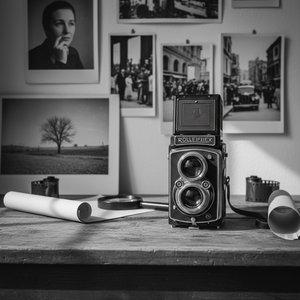
Monochrome Visions: Exploring the Aesthetic & Historical Significance of Black & White Photography
Explore the rich history & artistic power of black and white photography. From early techniques to iconic masters like Ansel Adams, discover why monochrome continues to captivate art lovers today. Expert insights for collectors.

Shadow & Soul: Why Black & White Photography Remains the Ultimate Power Move in Modern Art
Discover why black & white photography remains a powerful force in contemporary art. Explore the impact of light, shadow, and texture through a visual journey of monochrome mastery and learn how to elevate your space with timeless grayscale aesthetics.

Beyond Color: The Timeless Power and Artistry of Black and White Photography
Explore the profound artistry of black and white photography. From the chemistry of gelatin silver to the chiaroscuro of the Old Masters, discover how monochrome captures the eternal essence of light, form, and emotion for the discerning art collector.

White on Canvas: 10 Masterpieces & Timeless Elegance for Your Home Decor
Explore 10 iconic white paintings by Monet, Whistler & Rothko! Discover the stories behind these serene masterpieces and their impact on art history. Find museum-quality reproductions for your home decor at .

Timeless Shadows: The Artistry, History, and Emotional Resonance of Black and White Photography
Explore the profound artistry of black and white photography. From historical mastery to the interplay of light and shadow, discover how monochrome captures timeless emotion and form through a sophisticated lens of art history.